
 By Layla Zulfa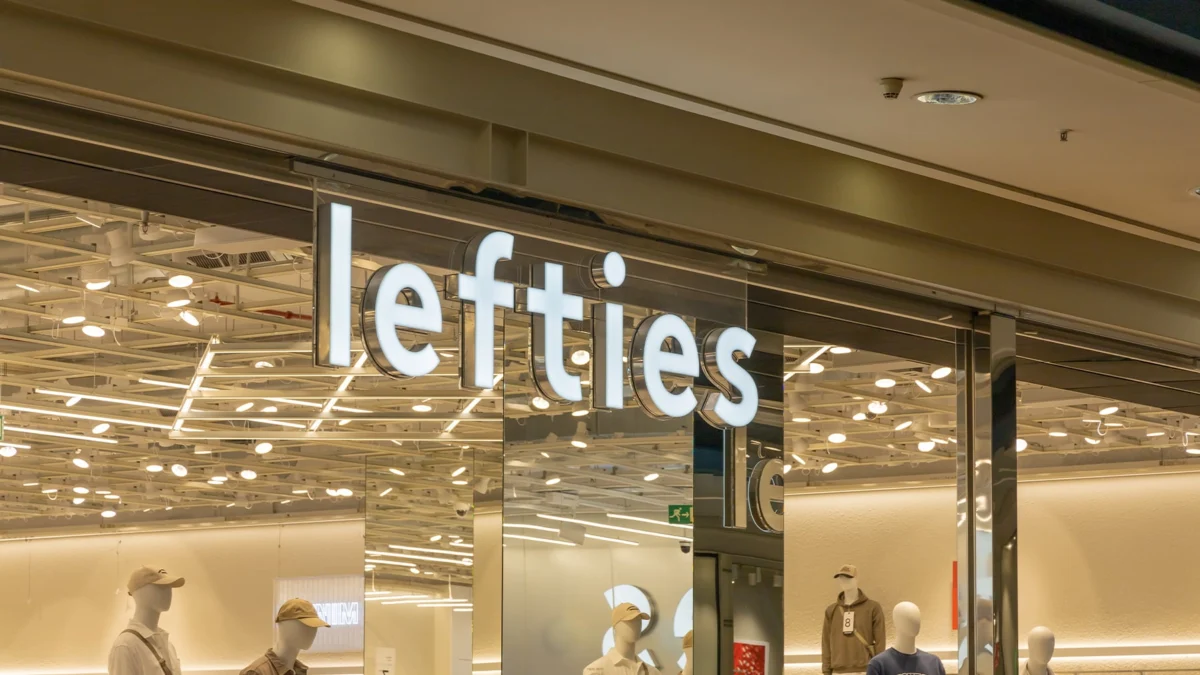
The Spanish retail giant Inditex SA has officially launched its low-cost clothing brand, Lefties, into the United Kingdom market, marking a significant strategic move in the competitive fashion landscape. The inaugural UK store opened its doors in Liverpool on Thursday, October 24th, 2024, to considerable anticipation, with plans already confirmed for further expansion into Newcastle and Essex later this year. This aggressive entry into one of Europe’s most dynamic retail markets underscores Inditex’s commitment to diversifying its portfolio and capturing a larger share of the value-oriented fashion segment, particularly amidst evolving consumer spending habits driven by economic pressures.
The Strategic Debut in Liverpool
The choice of Liverpool for Lefties’ flagship UK store is a calculated decision. The city boasts a vibrant retail scene, anchored by destinations like Liverpool ONE, one of the UK’s largest open-air shopping centres. Liverpool is also characterized by a significant student population and a diverse consumer base known for its fashion consciousness and receptiveness to new brands. The new Lefties store, reportedly located within a prominent retail complex, is designed to offer a modern, immersive shopping experience. It features an extensive range of apparel for women, men, and children, along with accessories, footwear, and homeware, all at highly competitive price points. The store’s layout is expected to incorporate digital innovations typical of Inditex brands, such as self-checkout systems and omnichannel integration, enhancing customer convenience and operational efficiency. The opening day saw a steady stream of shoppers eager to explore the new brand, reflecting a strong local appetite for affordable fashion options.
Lefties: From Outlet to Independent Powerhouse
Lefties, a portmanteau of "leftovers," originated in the early 1990s as an outlet for Inditex’s flagship brand, Zara, selling past-season items and surplus stock at discounted prices. For many years, it was perceived primarily as a budget-friendly offshoot, largely confined to Spain and Portugal. However, in the last decade, Inditex has meticulously repositioned and developed Lefties into a standalone fast-fashion brand with its own design teams, supply chain, and distinct brand identity. No longer merely a discount outlet, Lefties now produces its own collections, mirroring the rapid trend cycles of its sister brands but with an even sharper focus on affordability.
Globally, Lefties has expanded significantly beyond its Iberian roots, establishing a presence in countries across Europe, North Africa, the Middle East, and Latin America. It operates hundreds of stores and an increasingly robust online platform, catering to a broad demographic that prioritizes value and up-to-the-minute styles. This transformation from a clearance store to a formidable player in the ultra-fast fashion segment highlights Inditex’s strategic acumen in segmenting the market and extracting maximum value from its operational infrastructure. The brand’s success in these diverse markets has undoubtedly emboldened Inditex to test its mettle in the highly competitive UK arena.
Inditex’s Global Vision and Brand Portfolio
Inditex SA, headquartered in Arteixo, Spain, is the world’s largest fashion retailer, renowned for its agile supply chain and ability to rapidly translate runway trends into accessible high-street fashion. Its portfolio includes globally recognized brands such as Zara, Pull&Bear, Massimo Dutti, Bershka, Stradivarius, Oysho, and Zara Home. Each brand targets a specific demographic and price point, allowing Inditex to capture a wide spectrum of the fashion market. Zara, its crown jewel, focuses on mid-to-high-end fast fashion, emphasizing trend leadership and rapid inventory turnover. Lefties, conversely, is positioned at the extreme value end, designed to appeal to budget-conscious consumers without compromising on perceived style or immediacy.
Inditex’s expansion strategy has historically involved a blend of organic growth and strategic market entries. The company’s robust financial performance, with reported net sales of €35.9 billion in its fiscal year 2023, demonstrates its formidable market position. The decision to introduce Lefties to the UK comes at a time when many consumers are feeling the pinch of inflation and the ongoing cost of living crisis, making the brand’s value proposition particularly attractive. This move is not just about expanding Inditex’s footprint but also about fortifying its defence against rising competition from ultra-low-cost online retailers like Shein and Temu, which have rapidly gained traction in the UK. By offering a physical retail experience combined with aggressive pricing, Lefties aims to carve out a unique niche.
The UK Retail Landscape: Challenges and Opportunities
The UK retail sector has undergone profound transformations in recent years. The high street has faced significant headwinds, including the rise of e-commerce, escalating operating costs, and shifting consumer behaviours. The COVID-19 pandemic accelerated these trends, leading to the closure of numerous established retailers and the collapse of iconic brands like Debenhams and Arcadia Group. Post-Brexit economic adjustments, supply chain disruptions, and persistent inflationary pressures have further complicated the environment, pushing many consumers to prioritize value and essentials over discretionary spending.
Despite these challenges, the UK remains one of the largest and most influential fashion markets globally. Its consumers are known for their responsiveness to trends and willingness to embrace new concepts. The value fashion segment, in particular, has shown resilience and growth. Brands like Primark continue to thrive with their ultra-low-cost model, demonstrating a consistent demand for affordable clothing. Lefties’ entry is poised to intensify competition within this segment, potentially impacting existing players and offering consumers more choice. Industry analysts suggest that Lefties could fill a gap left by some struggling high street brands, providing fresh inventory and a dynamic shopping experience at prices that resonate with the current economic climate. This strategic timing positions Lefties to capitalize on a market that is actively seeking more bang for its buck.
Future UK Expansion: Newcastle and Essex
Following the Liverpool launch, Lefties has confirmed plans to open additional stores in Newcastle and Essex later in the year. These locations further illustrate Inditex’s strategic approach to market penetration. Newcastle, a major city in the North East, is a significant retail hub with a large student population and a strong regional draw, making it an ideal location to capture a broad customer base. Essex, with its dense population centres and proximity to London, offers access to a vast consumer market, likely targeting popular shopping destinations such as Lakeside Shopping Centre or similar large retail parks.
The staggered opening schedule allows Lefties to refine its operational strategies and inventory management based on initial feedback from the Liverpool store, ensuring a more seamless rollout across the country. These future openings indicate a long-term commitment to the UK market and suggest that Inditex views Lefties as a key component of its future growth strategy in the region. The expansion will also create new employment opportunities in these areas, providing a welcome boost to local economies that have faced retail contraction.
Economic and Societal Implications
The arrival of Lefties in the UK carries several economic and societal implications. Economically, it introduces a new competitive force into the value fashion market, which could lead to increased price competition among retailers, potentially benefiting consumers. For shopping centres and high streets, the opening of a new international brand like Lefties can act as an anchor tenant, increasing footfall and attracting other businesses, contributing to urban revitalization efforts.
From a consumer perspective, Lefties offers more affordable fashion choices at a time when household budgets are strained. This accessibility to current trends at lower price points democratizes fashion, allowing a wider range of individuals to participate in rapidly evolving style cycles. However, the expansion of fast fashion brands also reignites discussions around sustainability and ethical consumption. The industry faces growing scrutiny over its environmental footprint, including resource consumption, waste generation, and supply chain practices. While Inditex as a group has made public commitments to sustainability, the core business model of ultra-fast fashion, by its very nature, encourages rapid consumption and turnover. Lefties will likely face the challenge of balancing its low-cost model with increasing consumer and regulatory demands for more sustainable and transparent practices. This tension between affordability and environmental responsibility is a defining characteristic of the modern fashion industry.
Challenges and Opportunities Ahead
Lefties’ journey in the UK will not be without its challenges. The market is saturated with both domestic and international retailers vying for consumer spend. Established players like Primark have a deeply entrenched market position and strong brand loyalty. Online behemoths like Shein and Temu offer unparalleled price points and vast product ranges, albeit without a physical store presence. Lefties will need to differentiate itself effectively, leveraging its Inditex backing, physical store experience, and distinct product offering.
Opportunities, however, are substantial. Inditex’s formidable supply chain, logistics network, and deep understanding of consumer psychology provide Lefties with a significant competitive advantage. The brand can rapidly respond to fashion trends, ensuring its stores are always stocked with fresh, relevant merchandise. Its physical presence offers a tangible shopping experience that online-only competitors cannot replicate, allowing customers to touch, feel, and try on garments before purchase. Furthermore, the current economic climate creates a fertile ground for value-oriented retailers, as consumers become more discerning with their spending and actively seek out affordable options without compromising on style.
Conclusion: A New Chapter in UK Retail
The entry of Lefties into the UK market represents more than just the opening of a new store; it signals a strategic repositioning by Inditex to capture an underserved segment of the British retail landscape. By bringing its ultra-affordable, trend-driven fashion to Liverpool, and soon to Newcastle and Essex, Lefties is poised to make a significant impact on consumer choices and the competitive dynamics of the value fashion sector. This expansion reflects Inditex’s agile response to evolving global economic conditions and its unwavering commitment to maintaining its leadership position in the global fashion industry. As Lefties embarks on this new chapter, its performance will be closely watched by industry observers, providing valuable insights into the future trajectory of fast fashion in the UK and beyond. The coming months will determine how effectively Lefties can carve out its niche and become a staple for budget-conscious fashionistas across the nation.
