
 By Nana Wu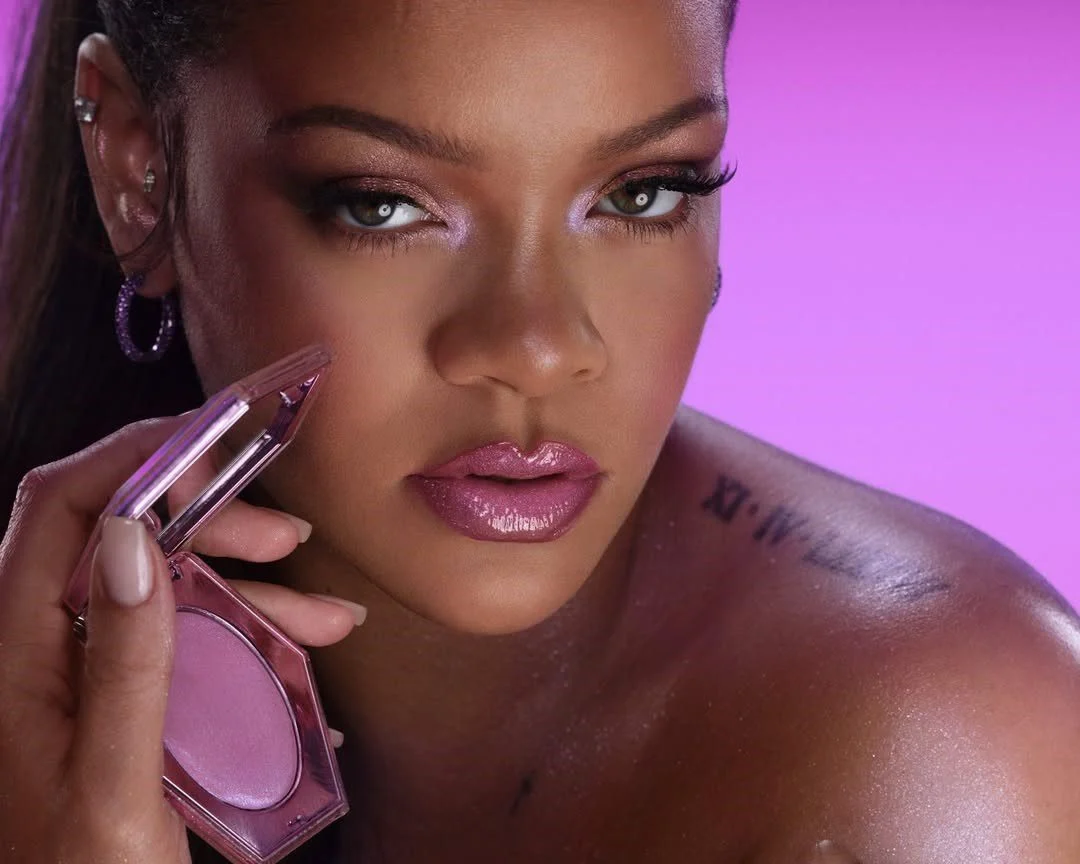
The French luxury powerhouse Louis Vuitton Moët Hennessy (LVMH) is reportedly evaluating the sale of its 50% stake in Fenty Beauty, the disruptive cosmetics brand it co-owns with international superstar and entrepreneur Robyn Rihanna Fenty. According to reports first surfaced by Reuters and attributed to financial journalist Abigail Summerville, the conglomerate has engaged the services of the investment bank Evercore to advise on the potential transaction. This move marks a significant pivot for LVMH, which has served as a critical partner in Fenty Beauty’s meteoric rise since its inception in 2017. While neither LVMH nor representatives for Rihanna have issued official public statements regarding the sale, the engagement of high-level financial advisors suggests a formal exploration of a deal that could reshape the landscape of the global prestige beauty market.
The Genesis and Evolution of Fenty Beauty
Fenty Beauty was launched in September 2017 through LVMH’s Kendo Brands, a specialized incubator designed to develop and scale beauty brands for the group’s retail giant, Sephora. The partnership was viewed as a landmark collaboration between a luxury titan and a celebrity entrepreneur, moving beyond traditional endorsement deals into a genuine 50/50 joint venture. From its debut, Fenty Beauty challenged industry norms by launching with 40 shades of foundation, a move that addressed a long-standing lack of inclusivity in the cosmetics sector. This strategy, famously dubbed the "Fenty Effect," forced established competitors to expand their shade ranges and redefined marketing standards for the modern era.
The brand’s initial success was unprecedented. In its first 40 days, Fenty Beauty reportedly generated $100 million in sales. By the end of its first full year of operation, it had reached nearly $550 million in revenue. The brand’s ability to leverage Rihanna’s massive social media following, combined with LVMH’s world-class supply chain and Sephora’s global retail footprint, created a blueprint for the "celebrity-led brand" that many have since attempted to replicate, though few with the same degree of commercial or cultural impact.
Financial Performance and Current Valuation
As of 2024, Fenty Beauty remains a powerhouse within the cosmetics industry. Industry estimates suggest the brand generated approximately $450 million in sales over the last fiscal year. While this figure represents a slight stabilization compared to its explosive early years, it maintains a robust position in a crowded market. Analysts suggest that the brand could be valued between $1 billion and $2 billion in a potential sale, depending on the structure of the deal and the inclusion of intellectual property rights.
The valuation reflects the brand’s enduring brand equity and its successful expansion into categories beyond color cosmetics, such as Fenty Skin and Fenty Hair. However, the reported sale comes at a time when the broader luxury and beauty sectors are grappling with a deceleration in growth. While the "lipstick effect"—the tendency for consumers to purchase small luxuries like makeup during economic downturns—remains a factor, the high-end beauty market has seen increased price sensitivity and a shift in consumer preferences toward "clean beauty" and clinical skincare, areas where Fenty has had to compete aggressively.
LVMH’s Strategic Portfolio Realignment
The potential sale of Fenty Beauty is not an isolated event but rather appears to be part of a broader, more aggressive portfolio cleanup by LVMH. Under the leadership of Chairman and CEO Bernard Arnault, the group has recently offloaded several brands that no longer align with its long-term strategic vision or growth targets.
In late 2024, LVMH confirmed the sale of Off-White, the streetwear label founded by the late Virgil Abloh, to Bluestar Alliance. Similarly, the group previously divested its stake in Stella McCartney, allowing the designer to buy back her namesake brand. Rumors have also persisted regarding the future of Marc Jacobs within the LVMH stable, as the group seeks to streamline its operations.
The logic behind these moves is increasingly clear: LVMH is prioritizing "scale players" and heritage brands that offer higher margins and more direct control. By shedding shared-ownership ventures or lower-growth labels, the group can concentrate its vast resources on its "Big Three" pillars: Louis Vuitton, Dior, and Sephora. These brands represent the core of LVMH’s profitability and possess a level of brand heritage that the conglomerate views as more resilient to market fluctuations than celebrity-driven ventures.
The Rise of In-House Heritage Beauty
A significant factor influencing LVMH’s decision-making is the success of its internal beauty initiatives. The recent debut of La Beauté Louis Vuitton represents a significant shift in how the group approaches the cosmetics category. Led by legendary makeup artist Pat McGrath, this line is positioned as a high-craftsmanship, ultra-luxury offering that is entirely owned and operated by the Louis Vuitton maison.
Internal reports suggest that La Beauté Louis Vuitton has exceeded performance expectations, proving that LVMH can achieve massive success by leveraging its existing heritage houses rather than relying on external celebrity partnerships. By moving beauty operations "in-house," LVMH retains 100% of the profits and maintains absolute control over brand positioning, craftsmanship standards, and sustainability initiatives. This model is seen as more synergistic with the group’s long-term identity as a purveyor of timeless luxury rather than trendy, fast-paced consumer goods.
Macroeconomic Headwinds and the Luxury Slowdown
The timing of the Fenty Beauty sale exploration coincides with a cooling global luxury market. After a period of post-pandemic "revenge spending," consumers in key markets—most notably China and the United States—have tightened their belts. LVMH’s recent earnings reports have signaled a deceleration in organic growth across several divisions, particularly in fashion and leather goods.
In this climate, conglomerates often look to de-risk their portfolios. Joint ventures, while lucrative, involve shared profits and complex governance structures. For LVMH, exiting a 50% partnership allows for a significant cash infusion that can be reinvested into wholly-owned subsidiaries or used to fund future acquisitions of heritage brands that are currently undervalued. Furthermore, the beauty industry has become increasingly saturated with celebrity-backed brands, leading to "celebrity fatigue" among some consumer segments, which may influence the long-term growth projections for labels like Fenty.
Implications for Rihanna and the Fenty Empire
For Rihanna, the potential sale of LVMH’s stake presents both a challenge and an opportunity. Fenty Beauty was the primary engine that propelled her to billionaire status, making her one of the wealthiest self-made women in the world. If LVMH exits, Rihanna would need to find a new partner—likely a private equity firm or another beauty conglomerate like Estée Lauder or L’Oréal—or take the brand entirely independent.
While Rihanna remains the face and creative force behind the brand, the loss of LVMH’s operational support could be significant. Kendo Brands provided the infrastructure for product development, manufacturing, and global distribution. However, Fenty Beauty is now a mature enough brand that it could likely attract numerous suitors eager to take over LVMH’s role. A new partner might offer a different strategic direction, perhaps focusing more on e-commerce expansion or entry into untapped regional markets where LVMH’s footprint was less prioritized.
Chronology of the LVMH-Fenty Partnership
- 2016: LVMH’s Kendo division signs a deal with Rihanna to develop a beauty line, reportedly worth $10 million in upfront payments.
- September 2017: Fenty Beauty launches globally in 1,600 stores across 17 countries, instantly becoming a viral sensation for its inclusive shade range.
- 2018: The brand wins several prestigious awards, including WWD Beauty Inc.’s "Launch of the Year" and Time Magazine’s "Best Inventions of 2017."
- 2019: LVMH and Rihanna expand their partnership to include Fenty, a high-end fashion maison. (This venture was later shuttered in 2021 to focus on beauty and lingerie).
- 2020: Fenty Skin is launched, marking the brand’s first major category expansion beyond color cosmetics.
- 2021: Forbes officially declares Rihanna a billionaire, citing her 50% stake in Fenty Beauty as the bulk of her fortune.
- 2024: Reports emerge that LVMH has hired Evercore to explore a sale of its 50% stake, following a series of other high-profile divestments by the conglomerate.
Industry Reaction and Future Outlook
The beauty industry is watching the potential sale with keen interest. Market analysts suggest that if a sale goes through, it will signal the end of the "gold rush" for celebrity-conglomerate joint ventures. While these partnerships can provide rapid scaling, the long-term alignment between a celebrity’s personal brand and a corporate giant’s strategic goals can be difficult to maintain.
If Evercore successfully finds a buyer, the transaction will likely be one of the largest beauty deals of the decade. Potential buyers could include private equity firms looking for a "trophy asset" with stable cash flow, or strategic buyers looking to bolster their inclusivity credentials. Regardless of the outcome, Fenty Beauty’s legacy as a pioneer of diversity in the beauty aisle is secure.
For LVMH, the move represents a return to its roots. By focusing on the "maisons" that have defined French luxury for centuries, the group is betting that timelessness will outperform trendiness in an increasingly volatile global economy. As the luxury landscape continues to evolve, the divestment of Fenty Beauty may be remembered as the moment when the world’s largest luxury group decided that the future of beauty lies not in the stars of pop culture, but in the heritage of its own storied houses.
