
 By admin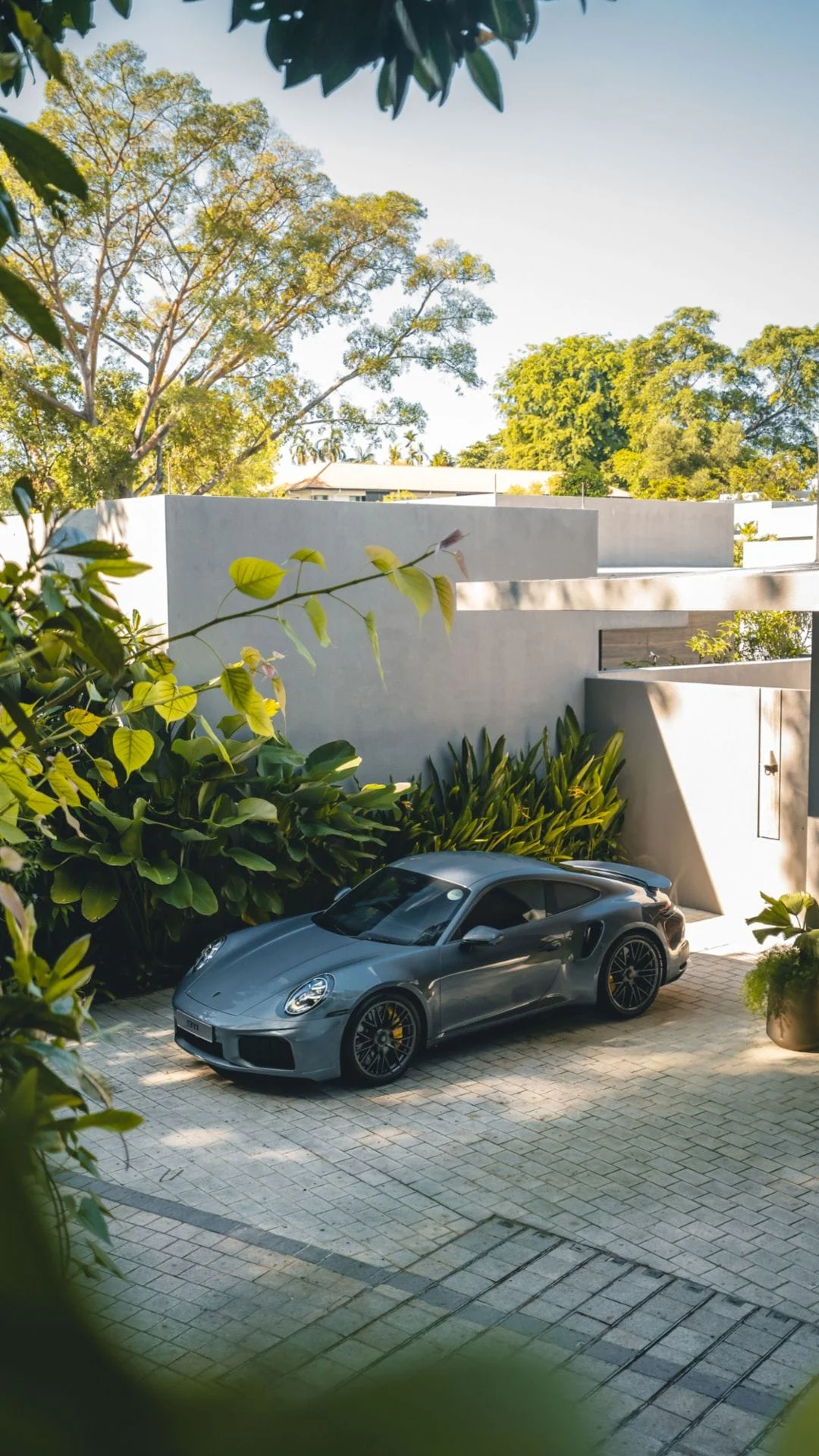
The global luxury automotive sector is entering a period of profound transformation as the 2026 model year approaches. No longer defined solely by mechanical displacement or traditional leather-and-wood interiors, the next generation of high-end vehicles reflects a multifaceted ambition. Manufacturers are navigating a complex landscape where extraordinary electric ranges, supercar-level hybrid performance, and generative artificial intelligence converge with the bespoke world of high fashion. This evolution is particularly visible in mature luxury markets such as Singapore, where the intersection of stringent environmental regulations and high consumer expectations is driving a rapid diversification of the "luxury" definition.

As the industry pivots toward 2026, the strategy among tier-one marques has shifted from a singular focus on electrification to a broader "omni-channel" approach to power. While some brands are doubling down on the visceral emotionality of internal combustion, others are utilizing hybrid technology to push performance boundaries previously thought impossible. Simultaneously, the vehicle cabin is being reimagined as a digital suite, and the car itself is increasingly positioned as a cultural artifact through collaborations with the world of haute couture.
The Preservation of Analog Performance Aston Martin’s Vantage S
In an era dominated by digital intervention, Aston Martin has positioned the 2026 Vantage S as a sanctuary for the driving enthusiast. The British marque’s ambition is rooted in the preservation of the "analog" feel, even as it employs state-of-the-art engineering. The Vantage S serves as a definitive statement that traditional internal combustion still holds a primary place in the luxury hierarchy.

At the heart of this machine is a hand-built 4.0-litre twin-turbo V8 engine, optimized to produce 680PS and 800Nm of torque. This powertrain allows the rear-wheel-drive sports car to achieve a 0-100km/h sprint in 3.4 seconds, reaching a terminal velocity of 325km/h. Beyond the raw data, the Vantage S features a revised bonded aluminum structure and a 50:50 weight distribution, aimed at maximizing lateral agility. In the Singapore market, where exclusivity is a primary driver of value, the Vantage S carries a starting price of S$880,000, excluding the Certificate of Entitlement (COE) and bespoke options. Industry analysts suggest that by focusing on high-output internal combustion, Aston Martin is targeting a segment of collectors who view traditional engines as appreciating assets in a post-ICE (Internal Combustion Engine) world.
The Hybrid Revolution Lamborghini and the Theater of Excess
Lamborghini has taken a different trajectory, embracing hybridization not as a concession to regulation, but as a tool for "super-performance." The 2026 lineup represents the most significant architectural shift in the brand’s history. The introduction of the Temerario marks the end of the naturally aspirated V10 era, replaced by a sophisticated 4.0-litre twin-turbo V8 plug-in hybrid system.

The Temerario utilizes three electric motors to complement its internal combustion engine, resulting in a combined output of 920CV. The technical achievement here is significant; the engine is capable of revving to 10,000 rpm, a figure usually reserved for motorsports. This allows for a 0-100km/h time of 2.7 seconds and a top speed of 343km/h. This hybrid philosophy extends across the 2026 range, including the Urus SE—the marque’s first plug-in hybrid Super SUV—and the V12-powered Revuelto. By integrating electrification into its core performance identity, Lamborghini is attempting to prove that the "theater" of the supercar—the sound, the vibration, and the presence—can survive the transition to a low-carbon future.
Engineering Without Compromise The Porsche 911 Turbo S T-Hybrid
Porsche’s approach to 2026 is characterized by a relentless pursuit of efficiency through the new T-Hybrid system. Debuted at the "House of Turbo" event in Singapore, the new 911 Turbo S represents a milestone in the evolution of the 911 lineage. Unlike traditional hybrids that prioritize electric-only range, the T-Hybrid system focuses on "torque-fill" and immediate throttle response.

The system utilizes two electric exhaust-gas turbochargers and a permanent-magnet synchronous motor integrated into the eight-speed dual-clutch transmission (PDK). The result is a system output of 523kW (711PS). The performance metrics are startling: a 0-100km/h acceleration time of 2.5 seconds. Porsche’s ambition with the Turbo S is to maintain its reputation as the "everyday supercar." The inclusion of a compact 400V battery allows for significant performance gains without the weight penalties typically associated with large-scale hybridization. This technical balance is intended to appeal to a demographic that demands track-capable performance without sacrificing long-distance grand touring comfort.
The New Grand Tourer Bentley’s Ultra Performance Hybrid
Bentley is currently undergoing its "Beyond100" transformation, a strategic pivot toward becoming an end-to-end carbon-neutral organization. For 2026, this manifests in the retirement of the iconic W12 engine in favor of the Ultra Performance Hybrid powertrain. The new Continental GT Speed and the Flying Spur PHEV are the primary torchbearers of this new era.

The Continental GT Speed pairs a 4.0-litre V8 with a powerful electric motor to deliver 782PS and a massive 1,000Nm of torque. Despite the shift in power source, Bentley has maintained the effortless "wave of torque" that has defined its driving characteristics for decades. The Flying Spur PHEV, meanwhile, offers an electric-only range of up to 80km, allowing for silent, zero-emission operation in urban centers—a feature increasingly required by European and Asian "green zones." With pricing in Singapore starting above S$1.12 million (excluding COE), Bentley is positioning these models as the ultimate expression of "power with a conscience," catering to a younger generation of high-net-worth individuals who prioritize sustainability alongside traditional luxury.
The Digital Frontier Mercedes-Benz and AI Integration
While other marques focus on mechanical prowess, Mercedes-Benz is redefining luxury through digital intelligence and software-defined architecture. The 2026 electric CLA and GLB models are the first to showcase the Mercedes-Benz Operating System (MB.OS), a proprietary architecture that decouples hardware from software to allow for faster updates and deeper integration.

The electric CLA is a flagship for efficiency, boasting a WLTP-rated range of up to 808km. Its 800V architecture allows for rapid DC charging, taking the battery from 10 to 80 percent in approximately 20 minutes. However, the true innovation lies in the MBUX Virtual Assistant. Powered by generative AI, the assistant is designed to offer a more "human-like" interaction, learning the driver’s habits and preferences over time. The electric GLB extends this philosophy to the SUV segment, offering a seven-seat configuration and a 674km range. For Mercedes-Benz, the 2026 ambition is to transform the car from a vehicle into a "third living space," where digital connectivity is as important as the quality of the leather.
A Dual Path to the Future BMW’s iX3 and the Final Edition 3 Series
BMW’s 2026 strategy is a study in dualism. The brand is simultaneously pushing the boundaries of its electric future while honoring the legacy of its most successful internal combustion models. The all-new iX3 is a significant technological leap, featuring the brand’s sixth-generation eDrive technology. With a usable battery capacity of 108.7kWh, the iX3 50 xDrive offers a range of up to 805km, directly challenging the "range anxiety" often associated with electric SUVs.

In contrast, the 318i M Sport Final Edition represents a curated farewell to a specific era of the 3 Series. This limited-edition model distills decades of sports sedan heritage into a final, highly specified package for the Singapore market. By offering both a high-tech electric flagship and a refined version of a classic petrol sedan, BMW is hedging its bets, ensuring it remains relevant to both the early adopters of EV technology and the traditionalists who remain loyal to the "Ultimate Driving Machine" ethos.
Automotive Haute Couture McLaren and Project Duality
Perhaps the most avant-garde expression of 2026 ambition is McLaren’s Project Duality. This initiative, showcased in Singapore, bridges the gap between automotive engineering and the world of high fashion. In collaboration with Chelsea Scott-Blackhall of the fashion label Dzojchen, McLaren has transformed the 750S Coupe and Artura Spider into canvases for creative expression.

The 750S Coupe remains a benchmark for power-to-weight ratio, producing 750PS from its V8 engine, while the Artura Spider represents McLaren’s high-performance hybrid future with 700PS. However, Project Duality focuses on "bespoke graphics" and aesthetic narratives that reflect the duality of the modern luxury consumer—someone who values both technical precision and artistic individuality. This move signals a broader industry trend where the car is no longer just a machine, but a wearable piece of "automotive couture" that reflects the owner’s cultural identity.
Market Analysis and Broader Implications
The 2026 luxury car launches reveal a sector in a state of high-velocity evolution. Several key trends emerge from this data:

- Hybridization as the New Standard: The move by Lamborghini, Porsche, and Bentley to adopt high-performance hybrid systems suggests that the industry has found a "middle way" that satisfies both performance enthusiasts and regulatory bodies.
- Range as a Competitive Frontier: With BMW and Mercedes-Benz both crossing the 800km range threshold, the "usability gap" between electric and petrol vehicles is rapidly closing.
- Digital Sovereignty: The development of proprietary operating systems like MB.OS indicates that luxury manufacturers are unwilling to cede the cabin experience to third-party tech giants.
- Cultural Convergence: Collaborations like McLaren’s Project Duality suggest that automotive brands are increasingly seeking to position themselves as lifestyle and design houses rather than mere manufacturers.
In markets like Singapore, these advancements are set against a backdrop of complex tax structures and high COEs. The high entry price for these vehicles—often exceeding S$1 million after taxes—means that the 2026 models must offer more than just transportation; they must offer a technological and aesthetic "future-proofing."
As the road ahead changes, the ambition driving the luxury automotive sector appears to be accelerating. Whether through the roar of a V8 in an Aston Martin or the silent intelligence of a Mercedes-Benz AI, the 2026 launches demonstrate that the definition of "the best car in the world" is more diverse, and more competitive, than ever before. The next two years will likely determine which of these various ambitions—mechanical, digital, or cultural—will ultimately define the next decade of motoring.
