
 By Layla Zulfa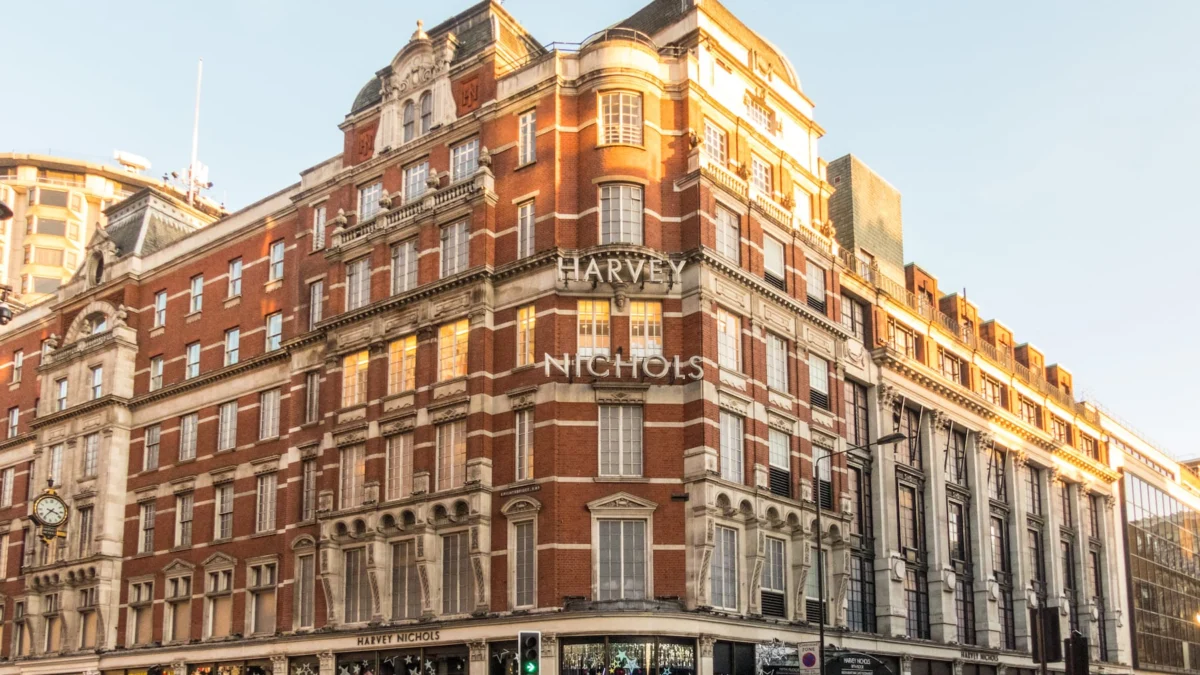
Harvey Nichols: From Glamour Icon to Precipice
For decades, Harvey Nichols stood as a beacon of high fashion and exclusive living, particularly during its celebrated zenith in the 1990s. Its Knightsbridge flagship, a stone’s throw from Harrods, was not merely a retail outlet but a cultural landmark, famously immortalized in the cult British sitcom Absolutely Fabulous. The show’s protagonists, Edina Monsoon and Patsy Stone, epitomized the store’s vibrant, fashion-forward clientele, frequenting its floors for the latest designer collections, champagne-fueled lunches, and the sheer thrill of high-octane retail therapy. This era cemented Harvey Nichols’ reputation as a discerning curator of luxury, a place where fashion trends were not just followed but set. Its allure lay in its carefully edited selection of established and emerging designers, its sophisticated ambiance, and its ability to offer an elevated shopping experience that transcended mere transactions.
However, the retail landscape has undergone a seismic transformation since those halcyon days. The past two decades have witnessed a relentless erosion of the traditional department store model. Online retail giants have democratized access to luxury goods, often at competitive prices, while direct-to-consumer (DTC) brands have bypassed intermediaries entirely, forging direct relationships with consumers. This shift has challenged the very premise of the multi-brand department store, which historically thrived on its expansive inventory and the convenience of a one-stop-shop for diverse luxury offerings. For Harvey Nichols, these macro trends, coupled with specific operational challenges, have contributed to a significant decline in its market position and financial performance, leading to Mike Ashley’s grim assessment of a "death spiral."
Frasers Group’s Ambition and the Retail Landscape
Mike Ashley’s Frasers Group, known for its aggressive acquisition strategy and a portfolio ranging from value sportswear giant Sports Direct to premium fashion retailer Flannels and the beleaguered House of Fraser, views Harvey Nichols as a potential, albeit challenging, addition to its luxury aspirations. Frasers Group has made no secret of its ambition to become the "Selfridges of the high street," a goal that has seen it invest heavily in upgrading its existing brands and acquiring new ones with luxury potential. The acquisition of House of Fraser in 2018, while fraught with difficulties, demonstrated Ashley’s willingness to take on distressed assets in the department store sector, often with a view to revamping their offering and integrating them into a broader retail ecosystem.
The current retail environment is marked by intense competition and rapidly shifting consumer expectations. Luxury consumers, particularly younger demographics, are increasingly seeking authenticity, unique experiences, and brands that align with their values, such as sustainability and ethical production. They are also highly digitally native, expecting seamless online-to-offline integration and personalized recommendations. Traditional department stores, burdened by large physical footprints, high operating costs, and often outdated digital infrastructure, have struggled to adapt at the pace required. This has resulted in declining footfall, dwindling sales, and, in many cases, significant financial losses across the sector. Several prominent department store chains globally have either collapsed, downsized dramatically, or undergone significant restructuring in recent years, underscoring the severity of the challenges.
A Timeline of Decline and Disruption
The journey from Harvey Nichols’ 90s peak to its current precarious position can be traced through several key periods of disruption:
- Late 1990s – Early 2000s: The store continued to enjoy strong brand equity and saw some international expansion, opening stores in locations like Riyadh and Dublin. However, the rise of online retail began to subtly shift consumer habits, though its full impact was yet to be felt.
- 2008 Global Financial Crisis: The recession delivered a significant blow to discretionary spending, particularly in the luxury sector. While high-end brands often prove more resilient, the overall economic downturn impacted footfall and sales across retail.
- 2010s: The Digital Revolution Accelerates: The proliferation of smartphones, social media, and sophisticated e-commerce platforms dramatically altered the retail landscape. Consumers became accustomed to browsing and purchasing luxury goods online, often directly from brands or from dedicated luxury e-tailers like Net-a-Porter and Farfetch, which offered vast selections and global reach. Harvey Nichols, like many traditional players, struggled to adequately invest in and integrate its digital offering to compete effectively.
- Mid-2010s: Increased Competition and Shifting Consumer Tastes: The luxury market became more crowded, with an influx of new designers, a rise in "affordable luxury" brands, and department stores like Selfridges and Harrods aggressively investing in experiential retail and innovative store concepts. Harvey Nichols, owned by Hong Kong-based Dickson Concepts since 1991, faced questions about its strategic agility and investment in store refurbishment and digital transformation.
- 2020-2021: The COVID-19 Pandemic: The pandemic delivered a devastating blow to physical retail, with lockdowns and travel restrictions severely impacting footfall, especially in city-centre locations reliant on tourism and office workers. While online sales surged, many department stores, including Harvey Nichols, struggled to offset the losses from their physical stores. The pandemic exacerbated pre-existing vulnerabilities, accelerating the "death spiral" Mike Ashley now references.
The "Death Spiral" and Financial Context
While specific current financial data for Harvey Nichols is not always publicly detailed, its struggles have been well-documented through various reports and industry analyses. In recent years, the company has reported significant losses, indicative of declining revenues and mounting operational costs. For example, reports from 2023 indicated that Harvey Nichols Holdings Limited reported a pre-tax loss of £31.8 million for the year ending April 2, 2022, following a loss of £29.6 million the previous year. These figures underscore the severe financial pressures and the need for urgent intervention. Declining footfall, high rental costs for prime retail locations, and the ongoing need for investment in technology and store refurbishment in a competitive market have created a challenging environment for profitability. The "death spiral" description by Mike Ashley likely refers to this persistent pattern of losses, decreasing market relevance, and the potential for a downward cycle that becomes increasingly difficult to reverse without radical intervention.
Frasers Group’s Bid: Strategic Implications and Potential Responses
Frasers Group’s bid for Harvey Nichols is a bold move, reflecting Mike Ashley’s conviction that the brand, despite its current woes, still possesses inherent value and potential. For Frasers Group, acquiring Harvey Nichols could solidify its position in the premium and luxury retail segment, potentially creating synergies with its existing Flannels brand, which has been positioned as a contemporary luxury destination. Ashley’s strategy often involves acquiring struggling brands at a discount, stripping out inefficiencies, and integrating them into Frasers’ vast operational infrastructure, which includes robust logistics, a growing e-commerce capability, and significant buying power.
Statements from Frasers Group regarding the bid have been largely in line with Ashley’s candid assessment, emphasizing the need for a radical transformation. While specific terms of the bid are not publicly disclosed, it is understood to be an attempt to gain control and implement a turnaround strategy. The current owner, Dickson Concepts, a Hong Kong-based luxury retail conglomerate, has yet to issue a definitive public response to the bid. However, industry observers suggest that any sale would be carefully considered, balancing the need to offload a loss-making asset with preserving brand equity and maximizing shareholder value. There could be a period of negotiation, or even competing bids, if other parties see potential in the Harvey Nichols brand.
The Proposal: A Refocus on Design
The suggestion that "a refocus on design could be what it needs" is a crucial element of the proposed turnaround. This isn’t just about stocking more designer clothes; it implies a multi-faceted strategy encompassing:
- Curation and Edit: Re-evaluating the brand mix to offer a more compelling and exclusive selection. This could mean introducing more niche, independent designers, exclusive collaborations, or focusing on hyper-curated collections that resonate with specific consumer segments. It also involves a critical look at how existing brands are presented, moving beyond mere display to creating narrative and discovery.
- Store Aesthetics and Experience: Investing heavily in the physical store environment to create truly immersive and inspiring spaces. This could involve redesigning interiors, enhancing visual merchandising, incorporating art installations, and creating more dynamic and flexible retail spaces that host pop-ups, events, and personalized styling services. The goal is to transform the store from a transactional space into a destination for entertainment, culture, and community.
- Digital Integration: A seamless blend of online and offline experiences. This includes an intuitive e-commerce platform, personalized digital styling, augmented reality (AR) features for product try-on, and leveraging data analytics to understand customer preferences and tailor offerings. The physical store could become a showroom or a pick-up point, enhancing the convenience and reach of the digital channel.
- Brand Identity and Storytelling: Re-establishing a clear and compelling brand identity for Harvey Nichols that differentiates it from competitors. This involves robust marketing, engaging content creation, and communicating a unique brand narrative that connects with modern luxury consumers.
- Service Excellence: Elevating customer service to an unparalleled level, offering highly personalized shopping experiences, expert advice, and exclusive loyalty programs that foster long-term customer relationships.
For Frasers Group, implementing such a design-led strategy would require significant investment and a nuanced understanding of luxury retail, distinct from its traditional value-driven model. Success would hinge on attracting and retaining top talent in merchandising, design, and digital strategy, and allowing the brand the autonomy to cultivate its unique identity while leveraging Frasers’ operational scale.
Broader Impact and Implications
A potential acquisition of Harvey Nichols by Frasers Group carries significant implications for the wider luxury retail sector and the future of the British high street.
- Consolidation in Luxury Retail: This move would signify further consolidation within the luxury retail market, with larger groups absorbing smaller, struggling entities. This trend is likely to continue as retailers seek economies of scale and diversified portfolios to weather market volatility.
- The Future of the Department Store: The success or failure of a Harvey Nichols turnaround under Frasers Group ownership could serve as a crucial case study for the viability of traditional department stores. It would demonstrate whether a blend of aggressive operational restructuring and a renewed focus on curated luxury experience can revive a legacy brand in the digital age.
- Frasers Group’s Luxury Ambitions: A successful integration of Harvey Nichols would bolster Frasers Group’s credibility in the high-end market, potentially paving the way for further expansion into luxury. Conversely, if the turnaround proves challenging, it could raise questions about the group’s ability to manage diverse retail formats effectively.
- Impact on the British High Street: The survival and revitalization of iconic department stores like Harvey Nichols are vital for the health and vibrancy of city-centre retail districts. They act as anchors, drawing footfall and contributing to the overall appeal of shopping destinations.
In conclusion, Harvey Nichols stands at a critical juncture. Mike Ashley’s stark assessment and Frasers Group’s bid represent a potential last-ditch effort to pull the venerable institution back from the brink. The proposed "refocus on design" offers a glimmer of hope, suggesting a path towards renewed relevance through thoughtful curation, experiential retail, and seamless digital integration. However, the task is monumental, requiring not only substantial financial investment but also a profound strategic overhaul and a deep understanding of the evolving desires of the luxury consumer. The coming months will determine whether Harvey Nichols can shed its "death spiral" label and once again reclaim its position as a vibrant, agenda-setting force in the global fashion community.
