
 By Layla Zulfa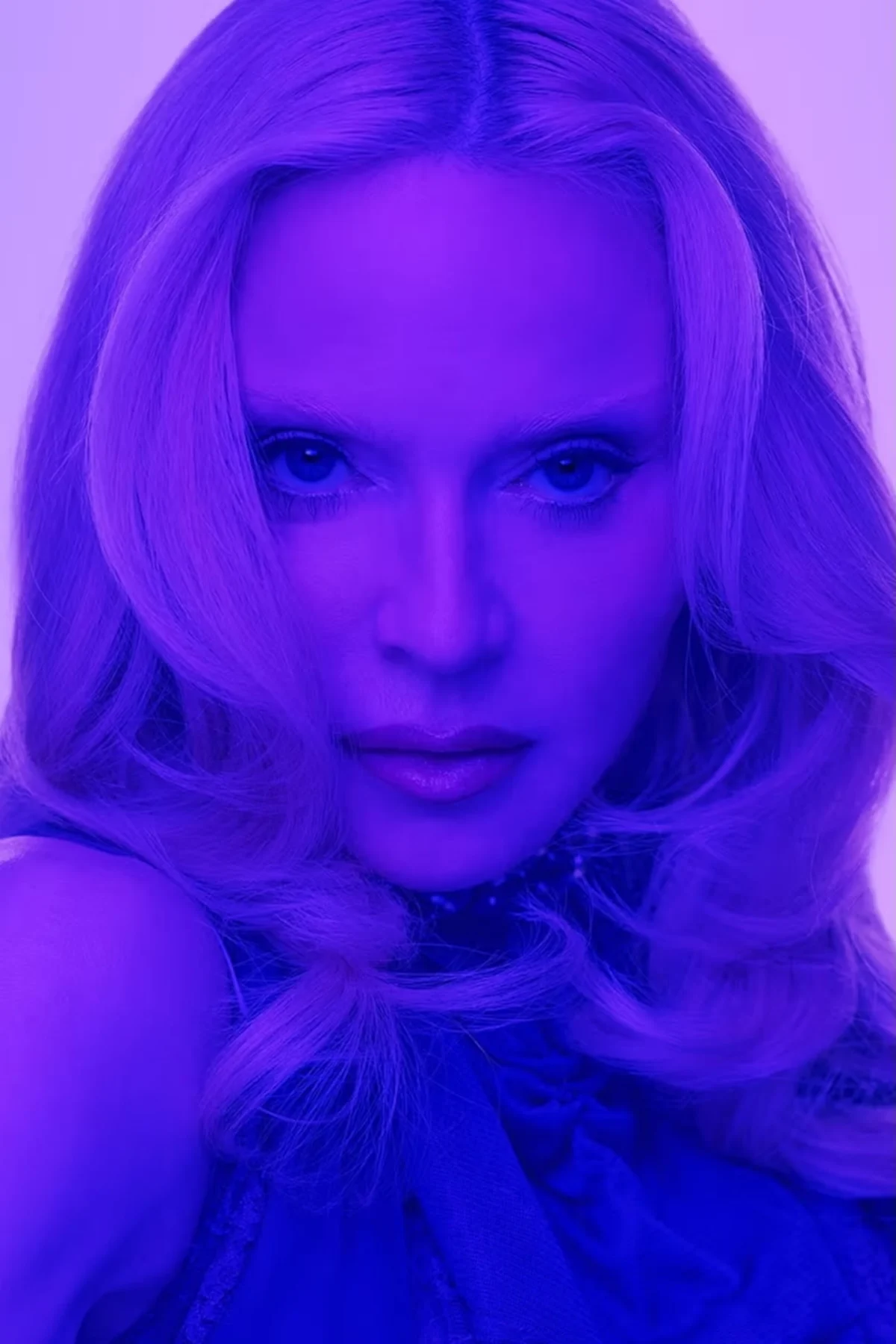
Soft, floral-inspired purple shades are experiencing an unprecedented surge in popularity across makeup collections and beauty campaigns globally, signaling a profound shift in aesthetic preferences rather than a transient trend, according to industry experts and cultural commentators. This nuanced embrace of hues ranging from delicate lilac to vibrant lavender is redefining beauty palettes, reflecting deeper societal recalibrations towards optimism, introspection, and gentle self-expression. The phenomenon is evident in high-profile campaigns, such as Madonna’s collaboration with Kiko Milano, photographed by Rafael Pavarotti, which strikingly employed a lilac-tined palette, echoing the visual language of her latest album and cementing purple’s status as a key aesthetic driver.
Understanding the "Vibe Shift": Beyond Ephemeral Trends
The distinction between a "vibe shift" and a "trend" is critical in understanding the current purple phenomenon. A trend is typically a short-lived, surface-level phenomenon, often driven by seasonal fashion cycles or celebrity endorsements, fading as quickly as it emerges. A "vibe shift," however, denotes a more fundamental, pervasive change in collective mood, societal values, and aesthetic sensibilities. It’s a seismic shift in the cultural zeitgeist that influences everything from consumer preferences to artistic expressions, often enduring for several years and shaping multiple industries.
Industry analysts suggest that the current purple ascendancy is rooted in a collective yearning for calm, creativity, and a touch of fantasy following years of global uncertainty and digital fatigue. "We’re seeing consumers gravitate towards colors that evoke serenity, optimism, and a sense of gentle escapism," explains Dr. Evelyn Reed, a prominent color psychologist and cultural trend forecaster. "Lilac, lavender, and other soft purples perfectly encapsulate this desire. They offer a comforting yet sophisticated palette that feels both fresh and familiar." This sentiment is further echoed by brand strategists who note a pivot from the bold, assertive colors of previous decades towards softer, more introspective tones that resonate with a desire for authenticity and well-being.
A Chronology of Purple’s Resurgence in the Modern Era
While purple has always held a significant place in history, its recent resurgence in beauty can be traced through several key phases:
- Early 2020s – The Seed of Serenity: As the world grappled with global events, there was an initial, subtle shift towards calming colors in home decor and wellness products. This laid the groundwork for a broader acceptance of tranquil palettes.
- Mid-2020s – Social Media Catalysts: Beauty influencers and digital creators began experimenting with pastel makeup looks, with lilac eyeshadows and lavender blushes gaining traction on platforms like Instagram and TikTok. Viral challenges and tutorials amplified this interest, making these shades accessible and desirable to a wider audience.
- Late 2020s – High Fashion and Celebrity Endorsement: Major fashion houses started incorporating soft purples into their runway collections, from garments to accessories. Concurrently, celebrities and public figures began sporting these shades in their public appearances and brand collaborations. The Kiko Milano campaign featuring Madonna, with its distinctive lilac palette, served as a high-profile validation of this aesthetic, elevating it from niche trend to mainstream cultural statement. Drew Elliott, Chief Brand Officer of Kiko Milano, might elaborate on this, stating, "Madonna’s artistic vision inherently aligned with the ethereal yet powerful qualities of lilac. It wasn’t just about a color; it was about encapsulating a mood, a rebirth, which perfectly resonated with both her personal brand and the broader cultural moment."
- Current State – Pervasive Integration: Today, soft purples are no longer confined to specific product launches but are integrated across entire beauty lines, from foundations with subtle lavender undertones to comprehensive eyeshadow palettes, lip glosses, and nail lacquers. Their presence is a testament to their enduring appeal and deep cultural resonance.
The Enduring Allure of Lilac: A Historical and Psychological Deep Dive
Purple, throughout history, has been a color imbued with rich symbolism. From the Tyrian purple of ancient royalty, signifying power, luxury, and spiritual authority, to its association with creativity, mystery, and intuition in more modern contexts, the color carries a profound psychological weight. Historically, its rarity and difficulty in production made it exclusive to emperors, kings, and religious leaders, cementing its status as a color of prestige and uniqueness.
The specific family of soft, floral purples – lilacs, lavenders, and mauves – taps into a slightly different, yet equally potent, set of associations. Psychologically, these shades are known for their calming and soothing effects. Lavender, in particular, is intrinsically linked to relaxation, peace, and spiritual tranquility, often used in aromatherapy to alleviate stress and promote sleep. In beauty, this translates into a desire for makeup that not only enhances but also provides a sense of well-being and gentle self-care.
"The shift to softer purples reflects a collective move towards embracing vulnerability and authenticity," states Dr. Reed. "Unlike the bold, assertive purples of punk or glam rock, these floral tones are inviting, gentle, and signify a desire for harmony. They allow for self-expression that is both creative and comforting, a much-needed antidote to a world often perceived as harsh and demanding." This psychological dimension is crucial to understanding why these shades are resonating so deeply, moving beyond fleeting fashion statements to become an integral part of personal identity and emotional expression.
Market Manifestations and Industry Adoption
The beauty industry, ever responsive to shifts in consumer sentiment, has rapidly integrated these purple hues into their offerings. Major cosmetic giants and agile indie brands alike are launching products that feature these shades prominently.
- Eyeshadows: Palettes now routinely include matte lavenders, shimmering lilacs, and deep mauves, catering to a range of looks from subtle washes of color to more dramatic, multi-dimensional eyes. Brands are experimenting with innovative textures, including creamy formulas, glitter toppers, and iridescent finishes that enhance the ethereal quality of these shades.
- Blush and Highlighter: Soft purple blushes, often with a subtle cool undertone, provide a fresh, youthful flush, while lavender-tinted highlighters offer a unique luminosity that can brighten complexions and counteract sallowness.
- Lip Products: From sheer lilac lip glosses that give a cool, plumping effect to matte lavender lipsticks for a bold, fashion-forward statement, purple is making its mark on lip artistry.
- Nail Polish: Collections are awash with various purple tones, from delicate pastel cremes to deep, sophisticated orchid shades, reflecting a desire for polished yet expressive manicures.
- Hair Color: The trend has also extended to hair, with pastel purple dyes becoming a popular choice for those seeking a whimsical yet chic transformation, especially among younger demographics.
Supporting data, though often proprietary to specific brands, suggests a significant uptick in sales for product lines featuring these colors. According to aggregated market intelligence from beauty retail platforms, products categorized under "lavender," "lilac," and "mauve" have shown year-over-year growth rates upwards of 15-20% in certain segments, outperforming many traditional color categories. Social media engagement metrics also highlight this surge, with content featuring purple makeup looks garnering millions of views and shares on platforms like TikTok and Instagram, driving organic discovery and consumer demand.
Expert Insights and Strategic Branding
Beauty industry professionals are not only observing this shift but actively contributing to its evolution.
- Color Strategists: "The versatility of soft purples is unmatched," explains Laura Chen, a renowned color strategist working with several global beauty brands. "They can be worn subtly for a ‘no-makeup’ makeup look, or built up for a dramatic evening statement. They complement a wide range of skin tones, from fair to deep, making them incredibly inclusive. This adaptability is key to their longevity as a ‘vibe’ rather than just a passing fancy."
- Brand Executives: For brands like Kiko Milano, the embrace of lilac is a strategic move to connect with a specific cultural moment. Drew Elliott’s potential commentary would likely emphasize the fusion of art and commerce: "Our collaboration with Madonna was about more than just a product launch; it was a cultural statement. The lilac palette was chosen not just for its beauty, but for its resonance with Madonna’s artistic narrative and the broader societal desire for introspection and creative liberation. It speaks to a consumer who values depth and authenticity in their beauty choices."
- Professional Makeup Artists: Celebrity makeup artist, Isabella Rossi, notes the practical appeal: "I’ve been incorporating soft purples into my clients’ looks for red carpets and editorials. They photograph beautifully, adding an ethereal quality without being overpowering. They’re also incredibly blendable, allowing for seamless transitions with other colors, making them a favorite for both subtle enhancements and more elaborate artistic expressions."
The Business of Beauty: Driving Innovation and Marketing
The "purple vibe shift" has had tangible impacts on product development and marketing strategies within the beauty industry.
- Research & Development: Cosmetics companies are investing in R&D to create new formulations that enhance the visual appeal and wearability of purple pigments. This includes developing advanced color-correcting properties, long-wearing formulas, and innovative textures like liquid eyeshadows that dry down to a soft, matte finish or gel blushes that deliver a natural, dewy glow in purple tones. The focus is on ensuring these shades are not only trendy but also high-performing and user-friendly.
- Supply Chain: The increased demand for specific purple pigments has also influenced the global beauty supply chain, leading to strategic sourcing of raw materials and the development of new, ethically produced pigments that meet both aesthetic and sustainability criteria.
- Marketing Narratives: Marketing campaigns are shifting from solely focusing on product features to crafting compelling narratives around the emotional and psychological benefits of these shades. Brands are highlighting themes of self-care, mindfulness, creative expression, and gentle empowerment. Digital campaigns often feature diverse models showcasing the versatility of purple across various skin tones and personal styles, further cementing its inclusive appeal. Storytelling around the "soft power" of purple is becoming a dominant theme, moving away from overtly aggressive or overtly sexualized beauty messaging.
Broader Implications: Beyond the Cosmetics Counter
The influence of this purple "vibe shift" extends far beyond the beauty industry, permeating other sectors that are sensitive to cultural aesthetics.
- Fashion: Runways continue to feature garments in lavender, lilac, and mauve, from delicate evening wear to casual streetwear, indicating a holistic adoption of the color family. Accessories, including handbags, footwear, and jewelry, are also seeing an influx of these tones.
- Interior Design: The desire for calm and serenity has led to an increased use of soft purples in home decor. Lavender accents in living spaces, bedrooms, and bathrooms are chosen for their ability to create tranquil and inviting environments.
- Graphic Design and Branding: Companies across various industries are incorporating these shades into their branding, packaging, and digital interfaces to evoke feelings of creativity, sophistication, and approachability. This is particularly true for wellness brands, tech companies aiming for a softer image, and lifestyle brands targeting a discerning, aesthetically conscious consumer.
Challenges and Future Outlook
While the current embrace of floral purples appears to be a deep-seated vibe shift, the beauty industry must navigate potential challenges. The risk of market saturation always exists, prompting brands to continually innovate and evolve their offerings to maintain consumer interest. This might involve introducing new textures, finishes, or subtle variations within the purple spectrum, such as muted greige-purples or iridescent opal purples.
The longevity of this "vibe" will depend on its ability to evolve with future societal shifts. Will it deepen its roots, or will it subtly morph into related color families, perhaps leaning into cool blues or warm pinks? Cultural commentators suggest that as long as the underlying desire for calm, creativity, and gentle self-expression persists, these shades will likely remain relevant, adapting to new interpretations and applications. The enduring power of color as a cultural barometer means that the journey of soft purples is far from over; it is merely entering a new, exciting phase of widespread influence and nuanced expression, continually reflecting the aspirations of contemporary society. The transformation from a fleeting trend to a foundational aesthetic is a testament to purple’s inherent versatility and its profound connection to our collective emotional landscape.
