
 By Nila Kartika Wati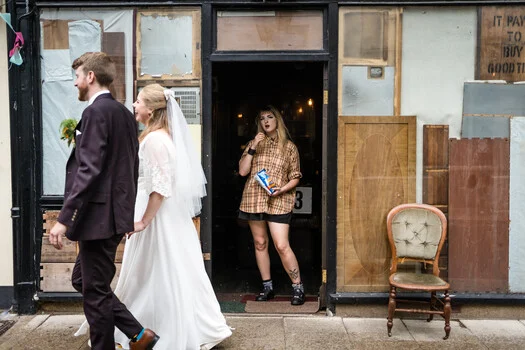
For many couples, the cherished memories of their wedding day are rarely encapsulated in meticulously posed group shots or formal portraits. Instead, the images that truly resonate—the ones that transport them back to the raw emotion and authentic atmosphere of the day—are often the unexpected, unscripted moments. A tear shed by a grandparent during a heartfelt vow, a flower girl’s mischievous antics amidst the speeches, or a quiet, intimate glance exchanged between the newlyweds when they believe no one is watching: these are the fragments of time that collectively weave the true narrative of a wedding. This profound connection to genuine moments underscores the increasing value placed on candid wedding photography, a discipline as rewarding as it is inherently challenging.
The Enduring Appeal of Unscripted Moments
The shift in preference from traditional, heavily directed wedding photography to a more photojournalistic, candid approach reflects a broader cultural desire for authenticity. Couples are no longer merely seeking a visual record of their event; they are commissioning a visual storyteller to capture the very essence and emotional undercurrents of their celebration. A 2023 industry survey, for example, indicated that over 70% of engaged couples prioritize natural, unposed photographs in their wedding albums, a significant increase from a decade prior. This demand highlights a fundamental truth: while technical perfection is appreciated, emotional resonance is paramount.
The challenge inherent in candid photography lies in its very nature. Unlike portraiture, which can be meticulously directed and refined, authentic candid moments are fleeting and unrehearsed. A spontaneous burst of laughter, an emotional embrace, or a subtle, significant interaction cannot be replicated or restaged. The photographer’s task is not to create these moments but to anticipate, recognize, and capture them as they unfold, often within a fraction of a second. This demanding skill set, honed over years of observation and experience, transcends mere technical proficiency. As one seasoned wedding photographer, with over a decade of documenting these pivotal life events, notes, "Meaningful candid photography has very little to do with camera settings and almost everything to do with understanding people. Technical skill is important, of course, but the strongest candid photographs usually come from observation, anticipation, and trust." This insight forms the bedrock of an evolving approach to wedding photojournalism.
Cultivating Connection: A Decade of Lessons in Authentic Storytelling
The evolution of candid wedding photography has led practitioners to embrace methodologies that prioritize human connection over traditional professional detachment. The journey from novice to master in this field often involves unlearning conventional notions of professionalism and adopting a more empathetic, engaged stance.
Beyond the Lens: The Photographer as Participant
Initially, many photographers adopt a persona of quiet observation, believing that professionalism dictates a certain distance from the event. The instinct is to blend into the background, a ‘fly on the wall’ approach designed to avoid influencing the scene. However, extensive experience reveals this can be counterproductive. Weddings are inherently social and emotional events, bustling with interaction, laughter, and reconnection. When a photographer maintains an aloof presence for extended periods, guests tend to perceive them as an outsider, leading to less natural and spontaneous behavior.
Industry experts widely concur that authenticity from the photographer fosters authenticity in the subjects. When a photographer engages genuinely—sharing a laugh, making light conversation, or simply being present as a person rather than just a service provider—people relax. This human connection dissolves the barrier between ‘photographer’ and ‘guest,’ granting individuals "permission to be themselves." The camera, once an object of potential self-consciousness, recedes into the background, making the capture of genuine moments significantly easier. This approach, though seemingly counterintuitive to traditional ‘blending in,’ has proven to be a cornerstone of truly impactful candid work.
Building Bridges, Not Just Shots: The Power of Relationships
While the ‘fly on the wall’ strategy advocates for invisibility, a more dynamic and relationship-driven approach often yields superior results. Some of the most poignant candid photographs emerge not from the photographer’s solitary observation, but from collaborative intelligence. A bridesmaid might discreetly point out a humorous incident unfolding in another room, a family member might highlight a quiet, emotional exchange, or a groomsman might provide a crucial heads-up about an impending surprise.
These opportunities are not random occurrences; they are direct dividends of time invested in building rapport with guests. The demanding pace of a wedding day, with its myriad logistical requirements, can easily lead a photographer to operate around people rather than with them. However, dedicating brief moments to engage, learn names, ask questions, and show genuine interest cultivates trust. This trust opens doors to insights and access that would otherwise be unattainable, leading to unique photographic narratives that might never have materialized. It transforms the photographer from a mere observer into a welcomed, albeit temporary, participant in the day’s unfolding story.
The Interstitial Narrative: Capturing Moments Between Moments
Every wedding has its landmark events: the processional, the first kiss, the confetti toss, the speeches, the first dance. While these are undeniably crucial, a significant oversight among many photographers is to assume these are the only moments that matter. In reality, some of the most profound and emotionally revealing photographs often occur in the immediate aftermath or quiet interludes surrounding these major events.
Consider the first kiss: while the kiss itself is iconic, the brief, unselfconscious lean into each other that follows, once the spotlight has momentarily shifted, often captures a deeper intimacy. A parent’s sigh of relief after holding back tears during the ceremony, or guests turning to each other to process what they’ve just witnessed—these are the "emotional ripple effects" that often carry more weight than the initial splash. Similarly, while speeches are in full swing, most photographers are highly engaged. However, the moments after the microphone is put down—guests gathering to discuss shared memories, emotional conversations unfolding, and laughter lingering long after the formal address—are equally, if not more, potent for capturing authentic interaction. Staying vigilant and anticipating the continuation of emotional energy is critical to capturing these rich interstitial narratives.
Anticipation: The Unsung Skill of Candid Photography
A common misconception is that candid photography primarily demands rapid reflexes. While quick reactions are certainly an asset, the ability to anticipate future events is often far more crucial. Over time, experienced wedding photographers develop an acute sense of pattern recognition, noticing subtle cues that signal an impending moment. A best man’s brief pause and glance towards the groom before delivering a punchline, a parent taking a deep breath and blinking more frequently as the ceremony begins, or two guests exchanging a knowing look before bursting into laughter—these are all micro-expressions and behaviors that often precede a significant photographic opportunity.
These moments are not entirely unpredictable; the clues are readily available to the attentive observer. This skill can be deliberately cultivated by constantly asking, "What might happen next?" or "Who is likely to react, and how?" By focusing on the flow of emotion and interaction, photographers can position themselves effectively, transforming what might appear to be "luck" into the result of informed anticipation. The goal is not merely to react quickly, but to recognize a moment’s genesis before it fully manifests.
The Depth of Emotion: Beyond Surface-Level Expressions
Capturing the full spectrum of wedding emotions demands both empathy and courage. The instinct to back away from moments of raw vulnerability, such as tears, is natural for a compassionate human being. However, weddings are inherently emotional, encompassing joy, nerves, relief, and overwhelm.
Embracing Raw Emotion
Years of experience teach that avoiding moments of intense emotion can mean missing some of the most cherished images. Couples hire photographers to document their day honestly, encompassing not just the smiles but the genuine, unvarnished feelings that make their wedding unique. While discretion is paramount—avoiding intrusive or insensitive framing—approaching emotional moments with empathy and confidence allows for the capture of profoundly moving photographs. These are often the images that couples revisit years later, finding them surprisingly powerful reminders of the depth of their experience.
The Silent Language: Hands and Body Cues
While facial expressions are a primary indicator of emotion, they represent only one facet of human communication. Increasingly, candid photographers are recognizing the power of photographing hands and other subtle body language. A groom instinctively turning his wedding ring on his finger while awaiting the ceremony, a parent squeezing their partner’s hand during a poignant speech, or a couple’s fingers intertwining quietly—these unconscious gestures offer a window into genuine feeling that is often more authentic because it is unperformed. These small, often overlooked details can communicate reassurance, affection, or familiarity in ways that words or overt facial expressions might not, adding surprising depth to the narrative.
Crafting a Cohesive Narrative: Context and Simplicity
Effective candid photography extends beyond isolated moments; it involves weaving these fragments into a coherent story, supported by both broad context and streamlined operational efficiency.
Contextual Storytelling: The Wider Lens
To fully convey the significance of intimate moments, it is crucial to complement close-up candid images with wider, contextual photographs. While a tight shot of an emotional interaction is powerful, showing where that moment occurred—the bustling room, the scenic backdrop, the surrounding celebratory atmosphere—provides a richer, more complete narrative. A close-up portrait, however beautiful, loses some of its story without the spatial and social context that explains its significance. Stepping back to capture the wider scene helps viewers understand the environment, the scale of the event, and the relationships at play, allowing them to fully grasp why a particular moment mattered. This blend of intimate detail and expansive context creates a more immersive and memorable visual history.
Streamlining the Toolkit: Efficiency in Observation
The dynamic nature of a wedding day demands mental agility and swift decision-making. Every choice, from lens selection to camera settings, consumes precious mental energy. Over a 10-hour event, these small decisions accumulate, potentially diverting attention from the primary task: observing people and anticipating moments. Consequently, many seasoned candid photographers advocate for simplifying their gear and workflow.
Working predominantly with one or two familiar lenses, such as a 35mm for its versatility and natural perspective, or an 85mm for its ability to capture genuine interactions from a comfortable distance, allows photographers to operate almost instinctively. This deep familiarity with their tools frees up mental bandwidth, enabling them to focus entirely on the unfolding human story rather than technical adjustments. This minimalist approach underscores the principle that candid photography rewards awareness and presence far more than it rewards complex equipment or intricate technical setups.
Auditory Cues: Guiding the Visual Hunt
While photography is inherently visual, the acoustic landscape of a wedding often provides invaluable clues about where to direct one’s attention. A sudden burst of laughter, a collective "aww," the clinking of glasses, or a round of applause from another room are all auditory signals that something photographically significant might be happening. Experienced photographers learn to "follow the sound," leveraging their ears to guide their eyes to unfolding stories faster than visual cues alone. In the multi-layered narrative of a wedding, where countless interactions occur simultaneously, listening attentively can be a highly effective navigational tool.
The Unending Quest: Cultivating Curiosity and Impact
Beyond technique and observation, a fundamental trait for any candid photographer is insatiable curiosity. This means not just observing what is happening, but actively questioning what might be happening elsewhere. Where have the bridesmaids gone? Why is the groom momentarily absent? When did the couple last share a quiet moment alone?
This persistent curiosity encourages exploration beyond the main focal points, leading to the discovery of unique and often profoundly touching moments that might otherwise be missed. The most interesting photographs frequently await in quiet corridors, outside venues, in kitchens, or during brief, unplanned pauses between scheduled events. This proactive search for the unexpected is what truly differentiates a comprehensive candid storyteller from a mere documentarian.
In conclusion, meaningful candid wedding photography transcends mere luck or technical prowess. It is an intricate blend of paying acute attention, fostering genuine trust, deeply understanding human behavior, and recognizing that the most indelible memories are often born from the unplanned, spontaneous instances. While technical skill provides the foundation, it is the photographer’s ability to connect with people and anticipate their stories that ultimately creates images that genuinely resonate. Years from now, these are the unscripted narratives that couples will continue to revisit, cherishing them as authentic reflections of their most special day.
