
 By Layla Zulfa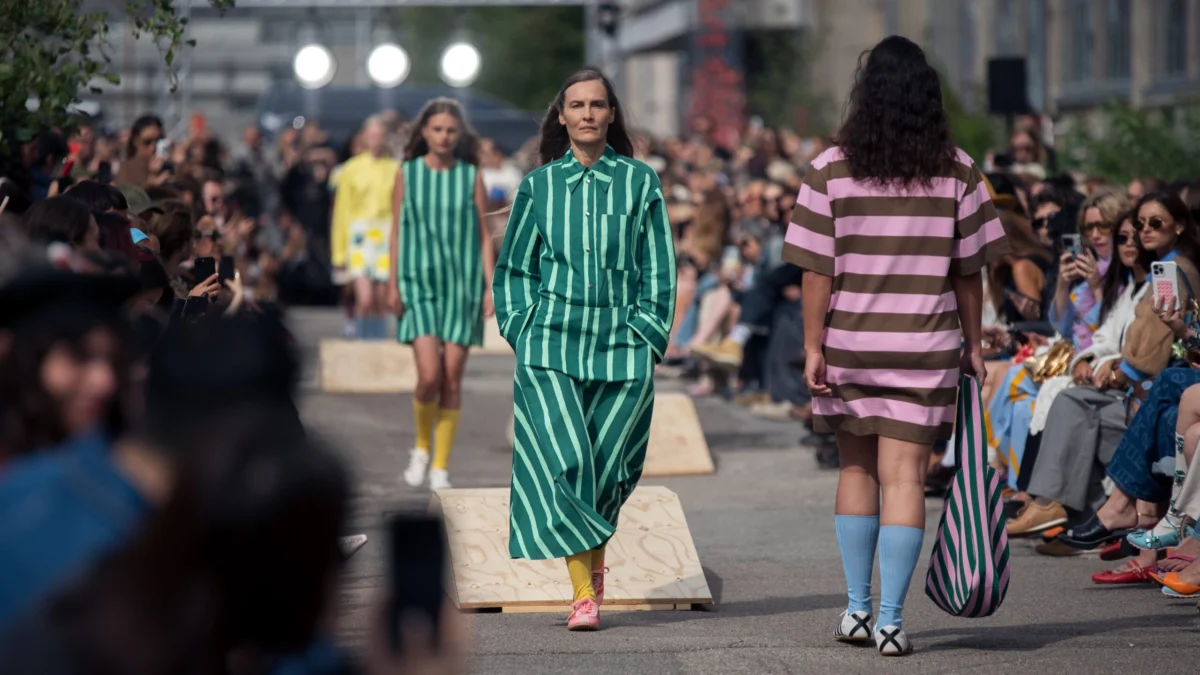
Copenhagen Fashion Week (CFW), widely recognized as a vanguard in the global movement towards responsible fashion, is set to commence its Spring/Summer 2026 season next week, reaffirming its commitment to sustainability and fostering a vibrant industry community. The highly anticipated event will see the return of regional stalwarts Marimekko and By Malene Birger, whose presentations are perennial highlights, alongside the much-anticipated debut of the New York-based, ethically driven brand Collina Strada. This iteration of CFW is poised to solidify its standing as one of the fashion industry’s most influential regional showcases, driven by its rigorous sustainability agenda and a unique emphasis on collective progress.
Pioneering a Sustainable Fashion Blueprint
Copenhagen Fashion Week has distinguished itself not merely as a platform for showcasing new collections but as a crucial accelerator for systemic change within the fashion industry. Since its groundbreaking 2020 announcement of a comprehensive sustainability action plan, CFW has mandated stringent requirements for participating brands, aiming to reduce their environmental footprint across the entire value chain. These demands include specific targets for material usage, supply chain traceability, waste reduction, and fair labor practices, pushing designers beyond mere rhetoric to tangible action. Brands must meet a minimum of 18 out of 24 specific standards to be eligible to show, a benchmark that has significantly raised the bar for other fashion weeks globally.
The upcoming SS26 season will further emphasize these commitments. Organizers have indicated a heightened focus on circular design principles, encouraging brands to explore innovative solutions for textile recycling, upcycling, and design for longevity. Data from recent industry reports indicates a growing consumer demand for sustainable fashion, with the global market for ethical fashion projected to reach $11.1 billion by 2026, up from $8.25 billion in 2022. This upward trend underscores the commercial imperative behind CFW’s sustainable mandate, positioning brands that adhere to these principles for future success.
Cecilie Thorsmark, CEO of Copenhagen Fashion Week, articulated the event’s unwavering vision in a recent statement. "Our commitment to sustainability is not just a trend; it is the bedrock of our identity and a non-negotiable prerequisite for participation," Thorsmark stated. "For SS26, we are pushing boundaries even further, challenging designers to innovate within regenerative agriculture, bio-based materials, and truly circular systems. The goal is to demonstrate that cutting-edge design and environmental responsibility are not mutually exclusive but rather synergistic forces driving the future of fashion."
Spotlight on Key Designers: Returns and a Groundbreaking Debut
The SS26 lineup is a carefully curated blend of established Nordic powerhouses and an exciting international newcomer, all contributing to the overarching narrative of conscious design.
Marimekko: The iconic Finnish design house, celebrated for its bold prints and vibrant colors, makes a highly anticipated return. Marimekko has long been a proponent of responsible production, integrating environmental considerations into its design and manufacturing processes. For SS26, Marimekko is expected to further showcase its dedication to material innovation, potentially featuring collections crafted from organic cotton, recycled polyester, and experimental bio-materials, all while retaining its signature joyous aesthetic. Their collections often serve as a testament to timeless design, aligning perfectly with the principles of longevity and reduced consumption. The brand’s presence underscores the strength of Nordic design in blending commercial appeal with ethical considerations.
By Malene Birger: The Danish luxury brand, known for its sophisticated bohemian style and minimalist elegance, also returns to the CFW schedule. By Malene Birger has progressively increased its use of certified sustainable materials and focused on supply chain transparency. Their SS26 collection is anticipated to reflect a continued evolution of their responsible practices, perhaps with an emphasis on artisanal craftsmanship, natural dyes, and traceable fibers, appealing to a discerning customer base that values both style and substance. The brand’s return highlights the increasing integration of sustainability into high-end contemporary fashion.
Collina Strada: The most anticipated debut of the season belongs to Collina Strada, the New York-based label founded by Hillary Taymour. Renowned for its avant-garde approach to sustainability, Collina Strada consistently challenges conventional fashion norms through its use of deadstock fabrics, upcycled materials, and often, highly conceptual, performance-art style presentations. Taymour’s whimsical, yet deeply critical, lens on environmental issues has garnered significant international acclaim. Her participation at CFW is a significant coup, signaling the event’s growing international appeal and its reputation as a platform for truly progressive design. Collina Strada’s debut is expected to bring a fresh, experimental energy to the schedule, pushing conversations around textile waste and conscious consumption into new artistic territories. Taymour herself expressed enthusiasm for the platform, stating, "Copenhagen Fashion Week aligns perfectly with Collina Strada’s ethos. The opportunity to share our vision for a more playful, yet profoundly responsible, fashion future within such a forward-thinking environment is incredibly exciting."
Fostering a Culture of Community and Collaboration
Beyond its stringent environmental criteria, Copenhagen Fashion Week is distinguished by its profound emphasis on community building. This focus manifests in multiple ways, from nurturing emerging Nordic talent to facilitating cross-industry collaborations and engaging the broader public. The event actively supports local artisans, manufacturers, and educational institutions, creating a holistic ecosystem where creativity and responsibility can flourish.
Each season, CFW dedicates resources to emerging designer programs, offering mentorship, funding, and a coveted spot on the official schedule. This commitment ensures a pipeline of fresh, innovative voices who are intrinsically wired to sustainable practices from the outset of their careers. Furthermore, CFW has become a hub for industry dialogue, hosting a series of talks, workshops, and panel discussions that bring together designers, policymakers, academics, and activists. These forums address critical issues such as material innovation, ethical sourcing, circular economy models, and consumer education, reinforcing Copenhagen’s role as an intellectual epicenter for fashion’s future.
The "Community Day" initiative, a popular feature of CFW, allows public access to certain exhibitions, workshops, and pop-up events, democratizing the fashion week experience and extending its influence beyond industry insiders. This engagement aims to educate consumers on sustainable choices and foster a deeper connection between brands and their audience. Partnerships with local cultural institutions and hospitality venues also integrate the fashion week into the city’s vibrant fabric, transforming Copenhagen into a living showroom for innovation and style.
Chronology and Event Highlights for SS26
While specific dates for "next week" are yet to be fully disclosed, Copenhagen Fashion Week typically runs for four to five intensive days in early August, serving as a pivotal start to the international fashion calendar for the Spring/Summer collections. The SS26 schedule is expected to feature a diverse array of events:
- Day 1: Opening Gala and Keynote Address: Kicking off with a high-profile event, often including a keynote speech from a global leader in sustainable innovation or fashion policy, setting the tone for the week.
- Days 2-4: Runway Shows and Presentations: The core of the week, featuring physical runway shows by established brands like Marimekko, By Malene Birger, Ganni, Holzweiler, and the highly anticipated debut of Collina Strada. Presentations, offering a more intimate viewing experience, will also be prevalent, often hosted in unique architectural spaces across the city.
- Throughout the Week: CIFF & Revolver Trade Fairs: Running concurrently with the shows, these renowned trade fairs provide a crucial platform for brands to connect with buyers, showcasing their collections and facilitating commercial opportunities. Both fairs have increasingly integrated sustainability zones and criteria for participating brands.
- Industry Talks and Workshops: A robust program of seminars and panel discussions, held at various venues, will delve into topics ranging from responsible sourcing and supply chain transparency to the future of textile technology and ethical marketing.
- Exhibitions and Installations: Throughout Copenhagen, pop-up exhibitions and art installations will celebrate sustainable design, material innovation, and the creative spirit of the Nordic region.
- Closing Event: A celebratory gathering marking the conclusion of the official schedule, often highlighting key achievements and looking ahead to the next season.
Digital integration will remain a significant component, ensuring global accessibility. Live streams of runway shows, virtual showrooms, and online panel discussions will allow a worldwide audience to engage with CFW’s content, further amplifying its message and reach.
Economic and Cultural Resonance
The economic impact of Copenhagen Fashion Week on the city and the broader Danish economy is substantial. Annually, the event attracts thousands of international buyers, press, and industry professionals, generating significant revenue for the hospitality, retail, and tourism sectors. A 2023 economic impact assessment estimated that CFW contributes approximately €60-70 million to the local economy each season, supporting thousands of jobs indirectly. Beyond direct financial contributions, the fashion week solidifies Copenhagen’s reputation as a global hub for design, innovation, and sustainable living, attracting foreign investment and skilled talent.
Culturally, CFW plays a vital role in shaping consumer perceptions and industry standards. Its steadfast commitment to sustainability challenges the traditional fast-fashion paradigm, encouraging slower, more conscious consumption. The widespread media coverage generated by the event disseminates these values globally, inspiring other fashion weeks and brands to adopt similar responsible practices. By showcasing that sustainable fashion can be both aspirational and commercially viable, CFW influences buying behaviors and investment decisions across the industry.
Challenges and the Path Forward
Despite its successes, Copenhagen Fashion Week operates within an industry still grappling with profound environmental and social challenges. Greenwashing remains a concern, necessitating continuous vigilance and transparent reporting from participating brands. The scalability of truly sustainable materials and production methods is another ongoing hurdle, requiring significant investment in research and development. Furthermore, balancing the commercial pressures of the fashion industry with ambitious sustainability targets requires delicate navigation.
However, CFW remains optimistic and proactive in addressing these complexities. Its ongoing dialogue with stakeholders, commitment to continuous improvement, and willingness to adapt its framework demonstrate a forward-thinking approach. Future iterations are expected to delve deeper into regenerative practices, biodiversity preservation, and the social equity aspects of sustainability, ensuring that the fashion industry contributes positively to global well-being.
In conclusion, Copenhagen Fashion Week’s Spring/Summer 2026 season is poised to be more than just a presentation of new collections. It is a powerful testament to the transformative potential of a fashion week that prioritizes purpose alongside aesthetics. With the return of beloved regional brands like Marimekko and By Malene Birger, and the groundbreaking debut of Collina Strada, CFW continues to champion a future where fashion is synonymous with responsibility, innovation, and a thriving global community. Its influence extends far beyond the runways of Copenhagen, setting an agenda for an entire industry striving for a more sustainable and equitable tomorrow.
