
 By admin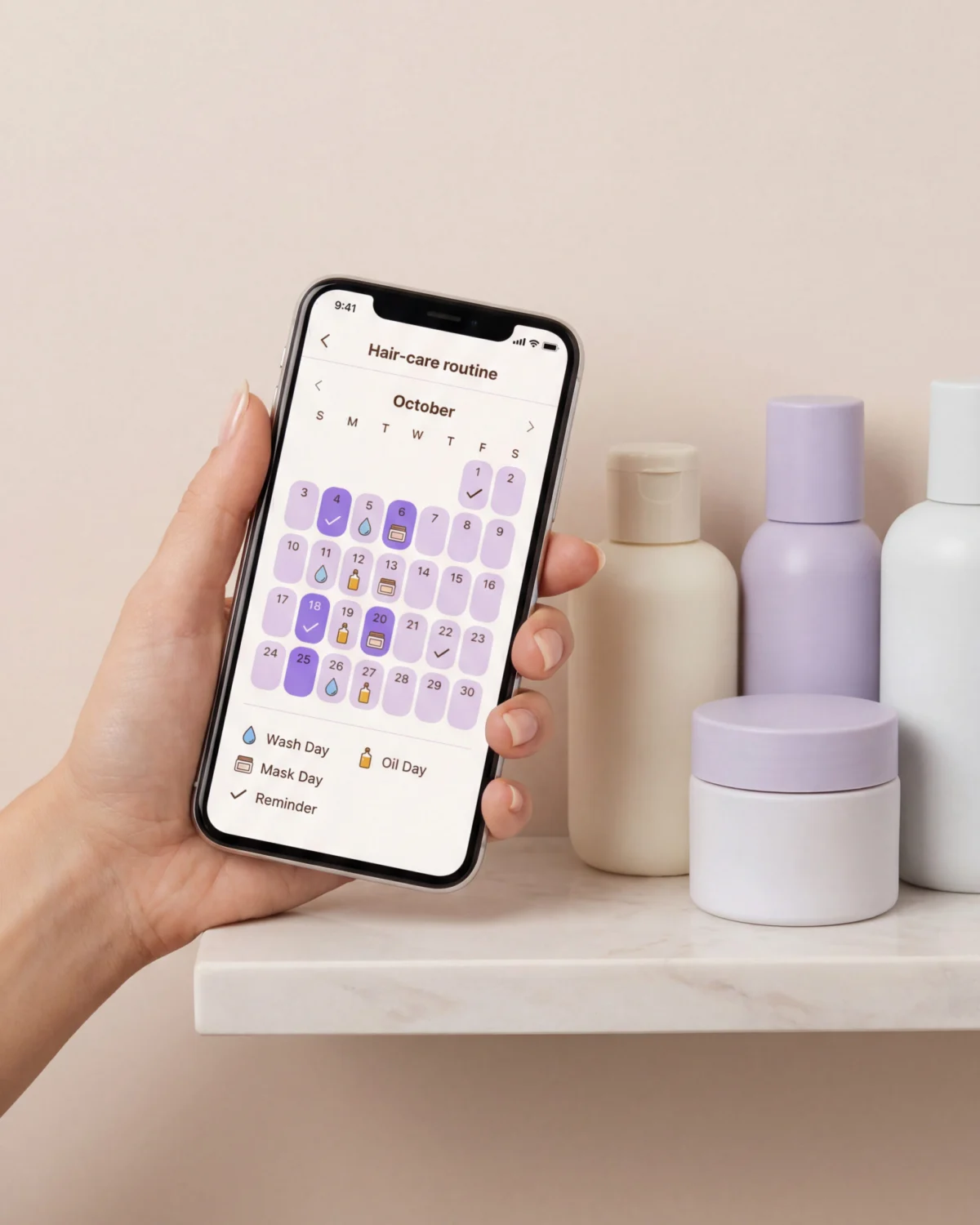
A hair growth tracker app earns its place on your phone when it makes the slow, often invisible process of regrowth or maintenance visible enough to keep you motivated. In a market saturated with digital tools, discerning the most effective applications for documenting hair health can be a challenge. This comprehensive review delves into several of the most downloaded options, comparing their efficacy in handling progress photos, density tracking, and routine logging. After several weeks of rigorous testing, Hairly, Follicle, MyHairCounts, and HairGrowth emerged as the strongest contenders for meticulously documenting a real hair journey. Concurrently, two routine-focused applications proved more adept at fostering habit-building than at tracking subtle, long-term changes. This guide aims to dissect each app’s strengths, weaknesses, comparative features, and suitability for various goals, whether monitoring treatment efficacy, recovering from a hair transplant, or simply observing length as hair grows out from a style change.
What a Hair Growth Tracker App Entails
At its core, a hair growth tracker app functions as a structured digital photo album with an enhanced memory. Instead of relying on scattered selfies buried within a phone’s native gallery, these applications prompt users to capture images from consistent angles and distances on a predetermined schedule. This systematic approach allows for the direct comparison of visual progress over weeks or months, transforming abstract growth into tangible evidence.
Beyond mere photographic documentation, many of these apps integrate additional layers of functionality. These often include detailed treatment logs, estimations of hair density, records of shedding, or timely reminders synchronized with wash days or medication schedules. This multifaceted approach acknowledges that hair health is influenced by a variety of factors beyond simple growth rate.
The utility of these applications can be broadly categorized into two primary use cases. Firstly, individuals seeking to monitor regrowth resulting from medical treatments such as minoxidil, hair transplantation procedures, or the management of scalp conditions find these apps invaluable. Secondly, those simply aiming for a systematic and organized method to document hair length as it grows out following a significant haircut or a perm also benefit. The applications reviewed cater to both these demographics, though some exhibit a pronounced inclination towards clinical-style data collection.
Hairly: Integrating Treatment Logging with Photo Progress
Hairly is conceptually designed around the premise that a photograph alone cannot fully elucidate the reasons behind observed changes in hair. The application seamlessly pairs a progress photo gallery, meticulously organized by specific angles such as the crown, temples, and hairline, with a comprehensive treatment log. Within this log, users can meticulously record the products they are using and the frequency of their application. Over time, Hairly aims to surface trends that can indicate the efficacy of various treatments.

During testing, the angle-tagging feature proved particularly effective, maintaining an organized photo timeline that a standard camera roll could never replicate. The ability to log treatments alongside corresponding photographs facilitated a clearer understanding of potential cause-and-effect relationships when reviewing progress months later. For instance, a user applying a new hair growth serum could directly correlate any perceived changes in density or coverage with the application dates recorded in the app.
However, Hairly’s AI-generated insights, while intended to provide motivational summaries, often felt more like encouraging anecdotes than clinically diagnostic readings. Furthermore, users experiencing early-stage thinning might find the density estimations to be less precise than a quantified count. Consequently, Hairly is best approached as a structured journal rather than a definitive diagnostic tool. Its strength lies in its ability to visually document change and associate it with applied interventions, providing a personalized historical record of a hair care regimen.
Follicle: The Power of Consistency Through a Ghost-Overlay Camera
Follicle distinguishes itself with a standout feature: its ghost-overlay camera. This innovative tool superimposes a faint, translucent version of the user’s previous photograph onto the live viewfinder. This allows for unparalleled accuracy in matching the angle and distance for subsequent shots, thereby solving the most significant challenge associated with manual progress photography: inconsistent framing that compromises the reliability of comparisons.
Beyond its sophisticated photographic capabilities, Follicle offers a detailed journaling function that meticulously logs shedding, scalp irritation, stress levels, wash days, and treatments. This information is stored in a searchable journal and can be directly linked to specific progress photos. The app’s side-by-side and overlay-slider comparison tools are remarkably effective for identifying subtle yet crucial changes, particularly around the hairline and crown.
The primary trade-off for these advanced features is that some of the deeper analytical tools and comprehensive AI analysis of the entire journal are relegated to a premium subscription tier. Consequently, the free version, while exceptionally proficient as a photo and journal tool, functions more as a robust documentation system than a complete analytics platform. This model allows users to experience the core benefits of consistent visual tracking and detailed personal logging without an initial financial commitment, while offering more advanced insights for those deeply invested in their hair health journey.
MyHairCounts: Prioritizing Clinical-Style Density Data
MyHairCounts adopts a divergent strategy from the photo-centric applications, grounding its approach in hair density counting. This methodology mirrors the measurements employed in clinical trials to quantify hair loss or growth, expressing results in hairs per square centimeter rather than relying on subjective visual impressions. The app also diligently tracks the percentage of gray hairs and the prevalence of dandruff over time.

The principal allure of MyHairCounts lies in its objective density numbers. Since changes in hair density can often manifest months before becoming visibly apparent in a mirror, the app empowers users to detect trends at an earlier stage than photographic evidence alone might allow. This proactive approach can be particularly beneficial for individuals managing conditions where early intervention is critical.
However, the initial setup for MyHairCounts is more involved compared to other applications in this review. Several testers encountered account and permission-related issues during the onboarding process, necessitating a greater investment of patience. For individuals collaborating with a trichologist or dermatologist, MyHairCounts generates the type of precise, quantitative data that is highly valuable in professional consultations. This app is best suited for those who prioritize scientific measurement and are prepared to dedicate more time to data input and configuration.
HairGrowth: Tailored for Transplant Recovery
HairGrowth narrows its scope considerably compared to the other three applications, and this focused approach is precisely its strength. The app is specifically engineered to align with the typical timelines of FUE, FUT, and DHI hair transplant procedures. It offers day-by-day recovery guidance, provides medication reminders for drugs such as finasteride or minoxidil, and includes graft-and-zone tracking. This latter feature allows users to log density changes on a per-scalp-area basis, rather than a single, overarching score.
For individuals undergoing hair transplant recovery, this level of specificity represents the most compelling reason to choose HairGrowth over a more generalized tracker. The post-operative care guides, which address critical topics such as shock loss, appropriate washing routines, and sun exposure precautions, directly answer the pertinent questions that arise in the crucial weeks following a procedure. Conversely, users who are not recovering from a transplant, or who are simply tracking natural regrowth or a stylistic change, may find that the app’s specialized depth is largely irrelevant to their needs.
Comparative Analysis: Features That Drive Progress
| App | Best For | Photo Consistency Tools | Density Tracking | Treatment Reminders |
|---|---|---|---|---|
| Hairly | Logging treatments alongside photos | Angle tagging | AI estimate only | Basic |
| Follicle | Consistent, comparable photos | Ghost overlay camera | Not included | Yes, with streaks |
| MyHairCounts | Clinical-style density data | Standard photo capture | Measured count | Not the focus |
| HairGrowth | Transplant recovery | Guided framing | By scalp zone | Stage-based |
Where Growth Tracker Apps Face Limitations
Every application within this category shares a common inherent limitation: a photograph or a density count can illustrate what has changed, but not necessarily why. None of these digital tools possess the capability to diagnose a hair loss condition, definitively confirm the efficacy of a particular product, or substitute for professional medical advice from a dermatologist or trichologist, especially in cases of sudden or severe shedding. The AI-generated summaries offered by some applications tend to lean towards encouragement rather than clinical assessment. Individuals experiencing anxiety about hair thinning are advised to exercise caution and avoid treating algorithmic reassurance as a medical opinion.

Furthermore, photo-based tracking is inherently susceptible to variability. Factors such as lighting conditions, hair styling techniques, and even the recency of a hair wash can significantly alter the perceived fullness or thinness of hair in a single image, irrespective of the app’s overlay tools designed to standardize framing. Density-counting applications, such as MyHairCounts, mitigate this variability by employing more objective measurements. However, they demand more extensive initial setup and a steadier hand during data capture. For individuals whose sole objective is to document hair length during the process of growing out a shaggy bob or a wolf cut, the more lightweight, photo-first applications are more than adequate. Conversely, those meticulously tracking an actual hair loss or regrowth condition would be better served by apps that offer measured density data or sophisticated clinical framing capabilities.
Complementing Your Tracker with a Routine Planner
While the aforementioned growth trackers excel at documenting the physical transformations of hair over time, they do not inherently assist users in establishing the daily habits conducive to achieving those outcomes. For individuals seeking guidance on maintaining and protecting their current hair health, HairHunt emerges as a valuable complementary application. This app streamlines daily hair care by initiating with a personalized quiz. By gathering information about a user’s hair type and its current condition, HairHunt analyzes the responses to generate custom, recommended routines. Users can then mark these routines as complete, thereby visualizing their progress in adhering to their care plan. Alongside these personalized routines, users receive tailored tips and insights specific to their hair type. HairHunt also features an AI-powered virtual try-on tool, enabling users to preview potential new haircuts or color shades on their own selfies. The app is readily available on both iOS and Android platforms.
Frequently Asked Questions
How often should progress photos be taken in a hair growth tracker app?
Most stylists and the applications themselves recommend monthly progress photos for general hair growth tracking, as week-to-week changes are often too subtle to be reliably assessed. However, for tracking treatment efficacy or post-transplant recovery, more frequent photos may be justified during the initial months. Daily photos, however, typically add more noise than meaningful insight.
Can a hair growth tracker app confirm if a hair loss treatment is working?
These apps can reveal a trend in hair appearance or density, but they cannot definitively confirm the cause. Photos and density numbers illustrate whether hair looks fuller or thinner over time. Confirming that a specific treatment is responsible necessitates ruling out other influencing factors, a process where the expertise of a dermatologist or trichologist provides invaluable, app-independent value.
Is hair density tracking more accurate than progress photos?
Density counting, as employed by apps like MyHairCounts, is generally considered more objective. This is because it is not subject to variations in lighting, styling, or camera angle, unlike photographic methods. Photos are more accessible and quicker for casual tracking, whereas density counts are better suited for individuals closely monitoring a clinical concern where precise measurement is paramount.
Is a hair growth tracker app necessary for simply growing out a haircut?
Not necessarily, but a user-friendly photo app like Follicle or Hairly can significantly alleviate the frustration of the grow-out phase by providing tangible evidence of progress when it may feel stagnant. A simple monthly photo-taking habit, even without a dedicated app, can achieve most of the same objective.

Are hair growth tracker apps free to use?
Most applications offer a free tier that covers basic photo tracking and journaling functionalities. Premium tiers typically unlock advanced features such as AI-driven insights, more sophisticated comparison tools, or unlimited historical data storage. Apps with a more clinical focus, like MyHairCounts and HairGrowth, may require a subscription for access to their full suite of density or recovery-tracking capabilities.
What is the distinction between a hair growth tracker and a virtual hairstyle try-on app?
A growth tracker serves to document a user’s actual hair condition over time through photographs or objective measurements. In contrast, a virtual try-on app, such as HairHunt, utilizes AI to generate a preview of a hypothetical hairstyle or color applied to a user’s current photograph. These applications address distinct needs and can be used effectively in conjunction, with one monitoring change and the other facilitating future style planning.
The selection of an appropriate hair growth tracker app ultimately hinges on the user’s specific objectives. Whether the goal is to ascertain treatment efficacy, monitor the healing progress of a transplant, or simply observe the cumulative growth since initiating a new hairstyle, choosing an app that aligns with that precise aim is paramount. Prioritizing an app based on its targeted functionality rather than its sheer volume of features, and committing to consistent usage for several months, is the most effective approach to evaluating its results.
Disclaimer: Individual hair growth results are subject to considerable variation based on inherent hair type, texture, density, and overall condition. Virtual try-on images are AI-generated visualizations designed to accurately represent shape and color but cannot definitively predict how natural hair will behave when styled professionally. It is always advisable to consult with a licensed hairstylist or dermatologist before undertaking significant hair transformations, particularly concerning chemical treatments, drastic length changes, or when addressing concerns about hair loss.
