
 By admin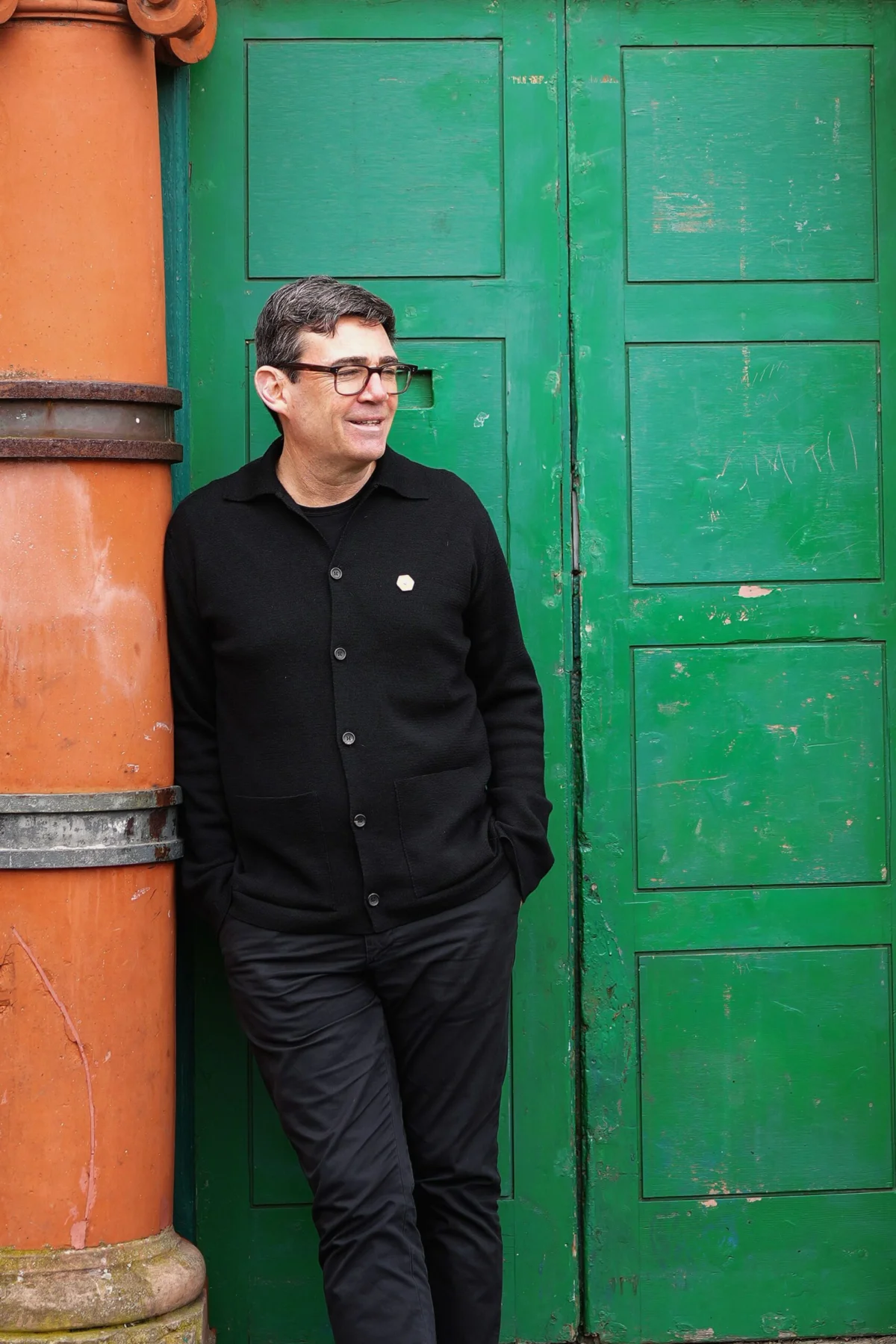
Andy Burnham’s first nine days as UK Prime Minister have been a whirlwind of policy pronouncements and symbolic gestures, signaling a decisive shift in national governance. From pledging to fundamentally decentralize British business through robust devolved investment in regional manufacturing and small enterprises, to articulating a vision for a "renaissance" of the nation’s high streets, the new leader’s early actions and the establishment of a new Number 10 outpost in the North of England have resonated deeply within a British fashion and retail industry long yearning for transformative change. This ambitious agenda aims to rebalance the economic landscape, foster local growth, and inject new vitality into communities nationwide, with particular attention to sectors that have faced significant headwinds.
The Economic Imperative: A Sector in Crisis
The backdrop to Prime Minister Burnham’s bold pronouncements is a retail landscape under immense pressure. Data from the British Independent Retail Association (BIRA) paints a stark picture of decline, revealing that a staggering 17,000 shops shuttered their doors on British high streets in 2025 alone. This wave of closures led to thousands of job losses, exacerbated by business rates that had doubled since 2024, squeezing margins and making survival increasingly difficult for independent and chain retailers alike. Beyond retail, the cultural sector, too, has suffered from pronounced regional disparities. The Institute of Public Policy Research North reported a significant funding gap in arts and culture between the North and South of the country, amounting to £450 million in 2025, highlighting a broader imbalance in investment and opportunity. These figures underscore the urgency of Burnham’s agenda and the desperate need for policies that can foster economic regeneration outside the traditional London-centric model.
"Andycore": A Style Statement with Political Intent

Even beyond his explicit policy proposals, Prime Minister Burnham has made an impression through his distinctive personal style, which has swiftly garnered media attention. Fashion critic Vanessa Friedman of The New York Times notably coined terms like "Andycore," "Manchester clothes," and "hipster dad clothes" to describe his casual yet intentional wardrobe choices. Friedman argues that Burnham’s sartorial selections, often featuring Manchester-made labels such as Private White V.C., are far from accidental. Instead, they are a calculated strategy to reinforce his political identity and connect with the public. "He really understands how to use clothes to shape opinion," Friedman observed, suggesting a deliberate effort to project an image of approachability, regional pride, and a focus on domestic industry. This conscious use of clothing serves as a powerful, non-verbal communication tool, signaling his commitment to the North and local businesses, and raising questions about whether this strong sense of style will translate into a robust focus on supporting British fashion and retail at a policy level.
Industry Leaders Call for Action
The British fashion and retail sectors have quickly moved to engage with the new administration. David Pemsel, Chair of the British Fashion Council (BFC), articulated the industry’s significance in an open letter to Burnham in early July. He emphasized that "What we wear can speak to identity, place, and history. It is also a serious industry, generating jobs, exports, investment and growth across the UK, supporting £67.5 billion in GVA [gross value added]." This statement underscores the industry’s economic weight and its potential as a driver for national prosperity. Experts from across the country are now actively lobbying the Prime Minister, vying for policy shifts and dedicated funding to enable British fashion businesses to thrive, hoping to translate Burnham’s symbolic gestures into concrete, supportive measures.
A High Street Renaissance: Beyond Pubs and Hospitality
One of Prime Minister Burnham’s earliest and most tangible policy moves was the decision, announced just days into his premiership, to cut business rates for music venues, pubs, and hospitality businesses across England. This was presented as a component of a broader strategy to "drive good growth in every postcode." While welcomed by the beneficiaries, this initial focus has left fashion retailers – a vital element of the UK’s urban and rural economies – feeling overlooked. Industry experts are in agreement that fashion businesses require similar, if not more, targeted support to reverse their current trajectory of decline.

Mary Portas, a prominent retail consultant and broadcaster who has long championed the revitalization of high streets, is closely monitoring Burnham’s agenda. While acknowledging his "man of the people" persona, she cautions that "he’s got a huge job on his hands." Portas, whose 2011 Portas Review for the coalition government under David Cameron advocated for community-led high street regeneration, found resonance in Burnham’s inaugural speech as MP for Makerfield. Delivered at Manchester’s People’s History Museum, Burnham’s question, "Shouldn’t we make our high streets the new symbol of Britain’s renaissance?", aligns directly with her long-held beliefs. For Portas, if high streets are to truly symbolize a national rebirth, "then they need to feel alive and connected and driven by community and joy in the way that they might have done many, many years ago, probably right back to the ’80s."
Andrew Goodacre, CEO of the British Independent Retailers Association (BIRA), echoes Portas’s sentiment, highlighting the particular vulnerability of fashion and lifestyle independents. "Independent fashion and lifestyle retailers have had a tougher run than most," he states, noting that "fashion is the weakest performing sector on the high street, with more independents shrinking than growing." Goodacre firmly believes that for Burnham’s high street renaissance to be genuine, "fashion retailers need to be part of that conversation, not an afterthought." He advocates for comprehensive business rates reform and stricter scrutiny of the "low-value import threshold," which he argues "is flooding the market with cheap fashion that never pays its fair share of tax," undermining domestic businesses.
The British Retail Consortium (BRC) further emphasizes the scale of the challenge, reporting that 400,000 retail jobs have been lost over the past decade. Tom Holder, spokesperson for the BRC, highlights the organization’s Retail Manifesto for 2026, which outlines ten crucial steps for high street revival. These include cutting employment costs for young people, reforming employment rights, and fundamentally fixing business rates. Holder stresses the immediate need for action on escalating electricity costs and business rates, alongside fostering a healthy ecosystem that supports both independent and large retailers.
Portas envisages a future where "the future of our high street is going to be the independents, not the big chains." Her agency, We Are Portas, in collaboration with Snapchat, recently published a report on Gen Z consumer habits, revealing that 51% of Gen Z prefer the physical experience of shopping in a store, compared to 35% who opt for instant online purchases. This indicates a strong appetite for experiential retail. Portas champions innovative business models, observing "incredible new business models opening up across the country, where people come together to do their own micro-shops, share the rent, share the ownership of the space." Her ultimate aspiration is to replicate the success of Hyper Hyper, the iconic 1980s Kensington High Street designer marketplace that served as a springboard for small brands, in every community across the UK. "We’re moving away from the big brand labels to discovery, to connection. And if you create a marketplace where the handwriting is powerful, creative, unique, and it says you’re individual, then people will come," she asserts.
Decentralizing Fashion: A National Vision

Prime Minister Burnham’s broader commitment to decentralizing business aligns seamlessly with the strategic goals of the British Fashion Council (BFC) under its new CEO, Laura Weir. Appointed last year, Weir has already spearheaded numerous nationwide fashion initiatives aimed at greater inclusivity and regional empowerment. "British fashion is one of our greatest cultural exports. But for too long, participation has been concentrated in too few places," Weir stated, articulating the BFC’s renewed focus.
The BFC’s new "Fashion Britain" proposal aims to broaden the organization’s remit, striving to "inspire ambition and ensure more people can see themselves in our industry, regardless of where they live." This vision challenges the long-held notion that success in fashion necessitates a London base or a degree from a capital-based institution. Designers like Matty Bovan, who relocated to his native York, North Yorkshire, in 2015, have already demonstrated the viability of operating a globally recognized brand from a regional hub. Decentralization, proponents argue, could empower more designers to establish studios in more affordable locations outside London, simultaneously making the British fashion industry more representative and accessible to young talent across the country.
Major retailers are also embracing this shift. Peter Ruis, Managing Director of John Lewis, expressed strong support for Burnham’s high street renaissance. "Our stores aren’t just a place of transaction, they’re a social and economic anchor that drives footfall, creates local jobs, and fosters community pride," he emphasized. This perspective aligns perfectly with the decentralization agenda. John Lewis’s successful integration of Liverpudlian designer Steven Stokey-Daley’s SS Daley collection into its Liverpool store and London’s Peter Jones in May 2025 yielded an "incredible" response, according to Ruis. The initiative, which also saw the designer participate in a BFC Citywide talk, "showed what happens when you connect exceptional homegrown design with a community that takes immense pride in its creative exports." Building on this success, John Lewis is set to launch a menswear collaboration "rooted in Leeds heritage" across five stores in October, though details remain under wraps. Ruis clarifies their approach: "We don’t think of it as decentralization. To us, it’s about investing in regional supply chains, retaining local skills, and ensuring great British talent – from Yorkshire to Merseyside to Lancashire – has a national platform to thrive."
Reinforcing this nationwide push, the BFC announced its "Fashion Britain" campaign this week, set to launch in September across London, Liverpool, Manchester, Newcastle, Bristol, and Edinburgh. The campaign will feature public events, designer conversations, and retail experiences designed to celebrate local identity and foster regional creativity. Laura Weir characterized this as the beginning of a significant transformation, asserting, "Fashion Britain is about decentralizing fashion, not by diminishing London’s global importance, but by recognizing that the future of British creativity depends on strengthening the connections between every part of the UK."
Rebuilding Manufacturing, Skills, and a Circular Economy

The commitment to decentralization and regional investment also holds significant promise for the UK’s long-neglected textile industry. Adam Mansell, CEO of the UK Fashion and Textile Association (UKFT), agrees with the potential but stresses that it must be "translated into practical, properly funded measures that reflect the needs of manufacturers, brands, retailers and the wider supply chain." His priorities include comprehensive business rates reform and devolved skills funding, specifically linked to regional manufacturing clusters. This directly aligns with Prime Minister Burnham’s proposed technical education reforms.
UKFT also identifies a substantial opportunity in developing a robust circular textile economy. Mansell believes that "If a textile-specific EPR scheme is designed effectively, with revenues reinvested into UK textile collection, sorting, reuse, repair, recycling, innovation and skills, it could support new investment, create skilled jobs and strengthen domestic manufacturing." Such a scheme could breathe new life into an industry that has seen significant decline over decades.
The importance of preserving and cultivating practical skills is a sentiment shared by designer Talia Lipkin-Connor, who established her brand, Talia Byre, during the Covid-19 pandemic from her family home in Warrington, not far from Burnham’s own upbringing. Having participated in the BFC’s Citywide initiative, Lipkin-Connor stresses the critical need for young people to be aware of career paths in fashion beyond design, including roles as makers, pattern-cutters, and tailors. "It’s probably a lot about pride and positioning and awareness, but I do think it’s really important," she states, lamenting that these essential skills represent "a dying trade in this country."
Prime Minister Burnham’s announcement this week of a "revolution in the education system" directly addresses this concern. His plan emphasizes technical education options for students aged 14 to 16, aiming to instill practical skills and explicitly valuing "the hard hat as much as the graduation cap." This is presented as a crucial first step in tackling the UK’s youth unemployment crisis, where 16.4% of 16 to 24-year-olds currently find themselves without work. For the fashion industry, this educational shift could be transformative, encouraging more young people to pursue apprenticeships and careers in vital technical, design, and production roles, thereby rejuvenating the domestic manufacturing base.
The Northern Fashion Renaissance: A Collective Endeavor

While Lipkin-Connor acknowledges the historical presence of fashion in Liverpool, where her great uncle ran the designer boutique Lucinda Byre from the 1960s to the 1980s, she notes that the North West is currently "better set up for fast fashion and athleisure," citing companies like Boohoo and Adanola. She admits that for brands operating in a different segment of the market, "it is hard to be up north, because you rely so much on networks and people helping each other out."
However, Gemma Gratton, co-founder of the Northern Fashion Collective and Manchester Fashion Week, is determined to change this perception. Alongside managing director Hayley Shaw, Gratton is spearheading efforts to build a sustainable and inclusive fashion ecosystem not only in Manchester but across the wider North. Last year, the inaugural three-day Manchester Fashion Week, opened by Michael Stoll, co-founder of Manchester-based heritage brand Private White V.C. (a staple in Burnham’s own wardrobe), showcased local talent and fostered connections. This September, they are hopeful that Prime Minister Burnham’s administration will channel much-needed funding their way.
"It really ties into what Andy wants to do with Number 10 North," Gratton affirms, revealing that she has already written to the Prime Minister at his northern outpost, Heron House, to apprise him of their work in circularity, material innovation, and the promotion of local talent and businesses. She sees "Number 10 North" as a pivotal opportunity to "move fashion and textiles from the margins of policy to the heart of regional growth." Gratton emphasizes the North’s historical significance as "the birthplace of industrialized fashion and textiles," arguing that it now has "a genuine opportunity to lead its next chapter – driving innovation, manufacturing, skills and creativity as part of a new era of ‘good growth in every postcode’."
The upcoming Manchester Fashion Week will feature 16 catwalk shows and an exhibition of work from 10 schools. It plans to collaborate with other regional and international fashion weeks, including Bath’s Sustainable Fashion Week, Ibiza Fashion Week, and Berlin Fashion Week, where a partnership with sustainable development hub Vorn is already in progress. "What’s important is this is a collective action. We shouldn’t be in competition with each other," Gratton stresses, highlighting a fundamental shift in mindset. For her, devolution is "about creating a more solid and stronger network, rather than keeping it in-house. Being exclusive, that’s what fashion has been for years. There has got to be a cultural shift."
Implications and The Road Ahead

Prime Minister Burnham’s first weeks in office have set a new tone for British politics, placing regional economic development and the revival of local communities at its heart. His policies, particularly those focused on decentralization and a high street renaissance, offer a glimmer of hope to a fashion and retail industry that has endured years of decline and underinvestment. The symbolic power of his "Andycore" style and the establishment of Number 10 North underscore a commitment to the regions that extends beyond mere rhetoric.
The challenge, however, lies in translating these ambitious visions into tangible, sustained support. The calls from industry leaders for concrete action on business rates, the low-value import threshold, and dedicated funding for fashion retail are critical. The success of initiatives like the BFC’s "Fashion Britain" campaign and John Lewis’s regional collaborations will depend on robust governmental backing and seamless coordination between various stakeholders. Furthermore, the proposed revolution in technical education holds the potential to rebuild crucial manufacturing and creative skills, addressing the long-term workforce needs of the industry and tackling youth unemployment simultaneously.
While the path to a truly decentralized, thriving British fashion and retail sector is fraught with historical challenges and complex economic realities, Prime Minister Burnham’s early focus has ignited a sense of cautious optimism. The question remains whether his administration can navigate the intricacies of policy implementation and foster the deep-seated cultural and economic shifts required to truly empower every postcode, transforming the British high street and fashion industry into a vibrant symbol of national renewal.
