
 By Jia Lissa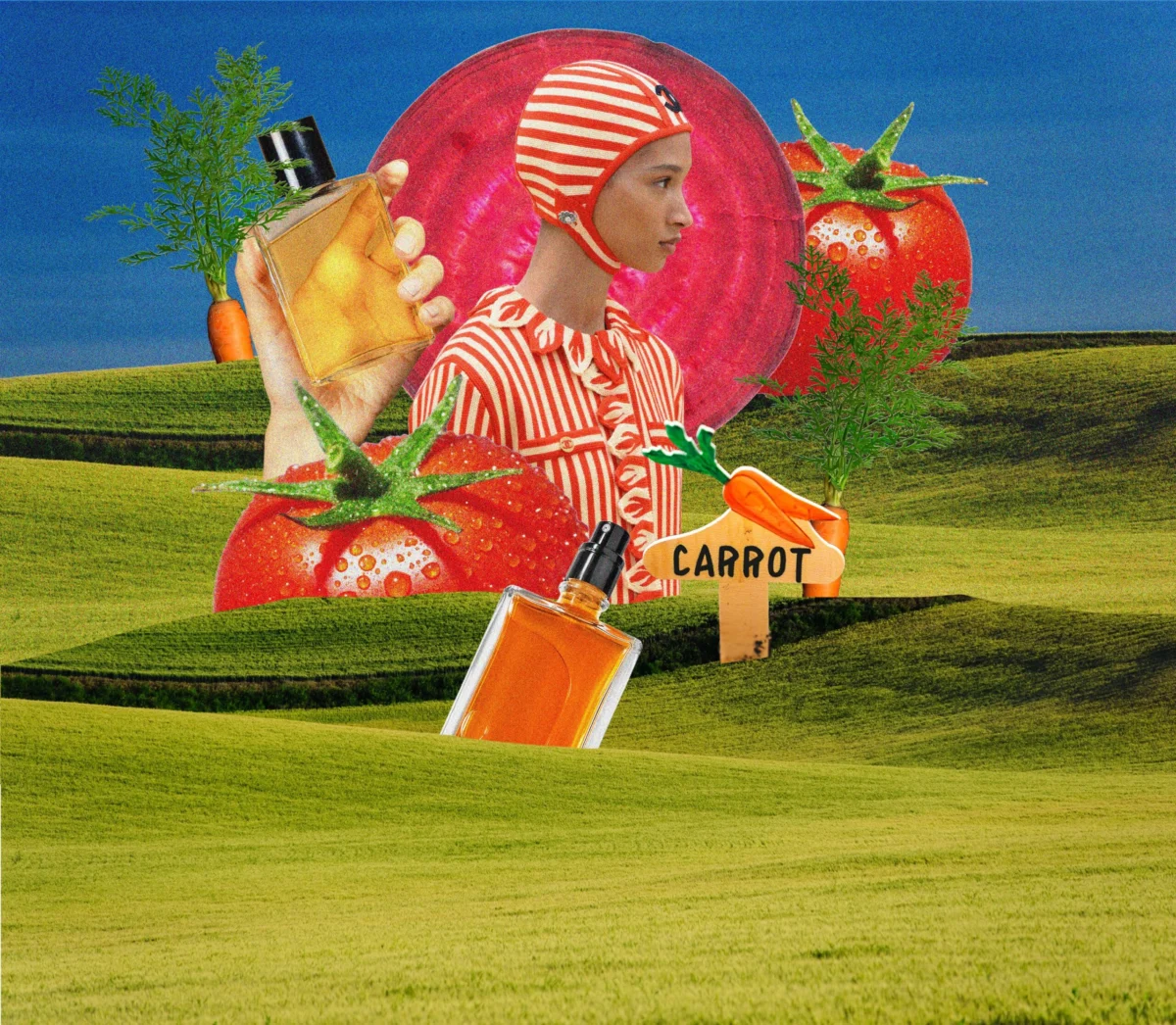
The future of personal fragrance is taking a decidedly verdant turn, with notes traditionally found in the produce aisle blossoming into the forefront of scent creation. This olfactory evolution is moving beyond mere novelty, transforming into a significant trend embraced by consumers and brands alike, signaling a shift towards more natural, complex, and evocative aromas. From the sharp tang of rhubarb to the earthy depth of beetroot, the fragrance industry is discovering the profound appeal of the vegetable patch, creating scents that are as refreshing as a summer salad and as grounding as a walk through a farmer’s market.
The Rise of the Vegetal Aroma
What was once a niche concept is rapidly gaining traction, with consumer interest in fragrances featuring vegetable notes showing a significant upward trajectory. Data from industry analytics firm Spate reveals a year-over-year increase in search interest for terms such as "Szechuan pepper," "beet juice," "cucumber," "beetroot," and "green tomato." This surge in popularity directly correlates with expert predictions about the future of scent.
Geraldine Nicolai, Global Head of Fine Fragrances at Givaudan, a leading fragrance and flavor company, observes that garden vegetables are poised to become the next major category in perfumery, akin to the "gourmand" trend that previously dominated. "They offer us something fresh while still being juicy, fun, and natural," Nicolai explains, drawing a parallel to the enduring appeal of vanilla-centric fragrances. This natural appeal, combined with a growing consumer desire for authenticity and complexity in their personal scent choices, is fueling this botanical renaissance.
A Timeline of Botanical Breakthroughs in Perfumery
The integration of vegetable notes into fragrances is not an overnight phenomenon but rather a progressive blossoming, with key milestones marking its ascent:
-
2020: The trend began to gain visible momentum with Loewe’s introduction of a tomato candle, signaling an early interest in harnessing the unique aroma of this ubiquitous garden staple. This marked a departure from traditional scent profiles and opened the door for further exploration.
-
2022: Diptyque’s La Droguerie collection, featuring a candle that artfully blended basil, mint, and tomato leaves, offered a sophisticated take on vegetal aromas, positioning them as refined and complex. Simultaneously, Replica’s "From the Garden" made tomato leaf a central component, further cementing its place in the fragrance landscape.
-
2023: The momentum continued with Snif’s pizza-inspired "Slice Society," which incorporated notes of tomato sauce and basil, appealing to a gourmand sensibility with a vegetal twist.
-
2025: Bath & Body Works launched its "Off the Vine" collection, presenting an accessible range of approachable, veggie-inspired scents with added floral elements, broadening the appeal to a wider consumer base. In the same year, Le Monde Gourmand collaborated with Los Angeles-based Italian restaurant Jon & Vinny’s to create "Tomato Bébé Eau de Parfum." This fragrance, noted for its remarkable realism, captured the essence of tomato so effectively that it evoked a visceral connection to the plant itself.
-
2026: The trend continued to expand with Heretic Parfums releasing "Rhubarb Thief," a tart and vegetal composition. Jo Malone introduced a limited-edition collection featuring three distinct vegetal fragrances: "Scarlet Beetroot," "Velvety Butternut," and "Carrot Blossom," demonstrating the diverse aromatic possibilities within the vegetable kingdom.
The Palate Shift: Connecting Taste and Scent
Experts suggest that this growing appreciation for vegetal fragrances mirrors a broader shift in consumer palates and preferences, particularly as individuals mature. Kevin Keller, co-founder of Fulton & Roark, a brand that has incorporated notes of rhubarb, tomato, and green bell pepper into its scents, elaborates on this phenomenon. "You start to get away from the simple white, starchy foods and wanting desserts when you’re a little kid, to discovering the bitters, the greens, the things that are a little bit more complex," Keller states. "I think we’re seeing that very same arc as people expand their horizons with fragrance."
This connection between what we consume and what we choose to wear is deeply personal for many. For individuals who have never possessed a strong sweet tooth, the allure of sharp, savory, and even herbaceous flavors translates seamlessly into fragrance preferences. The popularity of vegetable-based cocktails, such as the Caprese martini, exemplifies this intersection of culinary and aromatic tastes.
Expanding the Olfactory Garden: Beyond the Tomato
While the tomato initially led the charge, the industry’s exploration of the garden has become increasingly diverse. The success of tomato-centric fragrances has emboldened brands to delve deeper into other vegetal notes, transforming once secondary elements into the stars of their compositions.
Sophia Panych, Content Director at Allure, describes Jo Malone’s recent vegetal fragrance line as "minimal but with depth, and super unexpected." She notes that these scents evoke a different facet of summer compared to traditional beachy or coconut-based perfumes. "Vegetable notes, on the other hand, offer a more grounded interpretation of summer," Panych explains, reminding her of childhood memories of gardens and outdoor picnics. "They’re the olfactive version of grass between your toes, lazy afternoons on the hammock, and bright, fresh salads on a picnic table."
The author of the original piece, who has been wearing Le Monde Gourmand’s Tomato Bébé, finds that its notes of fennel, basil, tomato leaf, and green bell pepper offer an olfactory escape, transporting them from the urban environment to a "blooming green oasis." This suggests that vegetal fragrances possess a unique power to create immersive sensory experiences, offering a tangible connection to nature and tranquility amidst the demands of modern life.
Reframing Familiar Notes: The Art of Olfactory Alchemy
A fascinating aspect of this trend is that many of these "new" vegetal notes may already be present in consumers’ existing favorite fragrances, albeit in supporting roles. As Keller points out, "What fragrance-makers are doing right now is reframing that and reordering those notes. We’re making these notes the star of the show." This reframing involves highlighting and amplifying these vegetal components, allowing their inherent complexity and character to shine through in a way they never have before.
The implications of this trend are far-reaching. It suggests a maturing fragrance market, one that is moving beyond predictable scent profiles and embracing innovation. Consumers are increasingly seeking fragrances that are not only pleasant but also tell a story, evoke memories, and offer a unique personal expression. Vegetal notes, with their inherent connection to nature, freshness, and often surprising complexity, are perfectly positioned to fulfill these desires.
The Future of Fragrance: A Deeper Dive into the Pantry
Industry experts anticipate that the exploration of vegetal notes will continue to evolve and become even more sophisticated. Nicolai foresees a future where fragrances delve deeper into the culinary pantry, with potential combinations like tomato and chocolate, or dill and honey, on the horizon. This suggests a blurring of lines between perfumery and gastronomy, further enhancing the sensory experience.
For consumers who are intrigued by vegetal scents but perhaps hesitant to fully embrace a strong "vegetable" aroma, there are increasingly accessible entry points. Many brands are offering fragrances that blend vegetal notes with more familiar elements like florals, citrus, or woody accords. These combinations serve to soften the earthiness and create a more approachable, yet still unique, scent profile. Fulton & Roark’s "Flower District" and Jo Malone’s "Velvety Butternut" are examples of such nuanced explorations, while Hermès’s classic "Jardin Sur Le Nil" has long incorporated tomato and carrot notes within a brighter, citrus-floral framework.
This trend signals a significant shift in consumer preferences, moving away from solely relying on traditional scent families. The "tomato girl summer" aesthetic, while popular, is evolving to encompass a broader appreciation for the entire garden. As the industry continues to innovate, the future of personal fragrance promises to be more diverse, more natural, and undoubtedly, more fragrant with the essence of the earth. If we can’t eat them all with confidence right now, wearing them offers a delightful and sophisticated alternative.
Catch up on more fragrance news:
(Placeholder for any linked articles or further news items)
Now, watch as Shania Twain takes a trip down hair and makeup memory lane:
(Placeholder for video content)
