
 By Layla Zulfa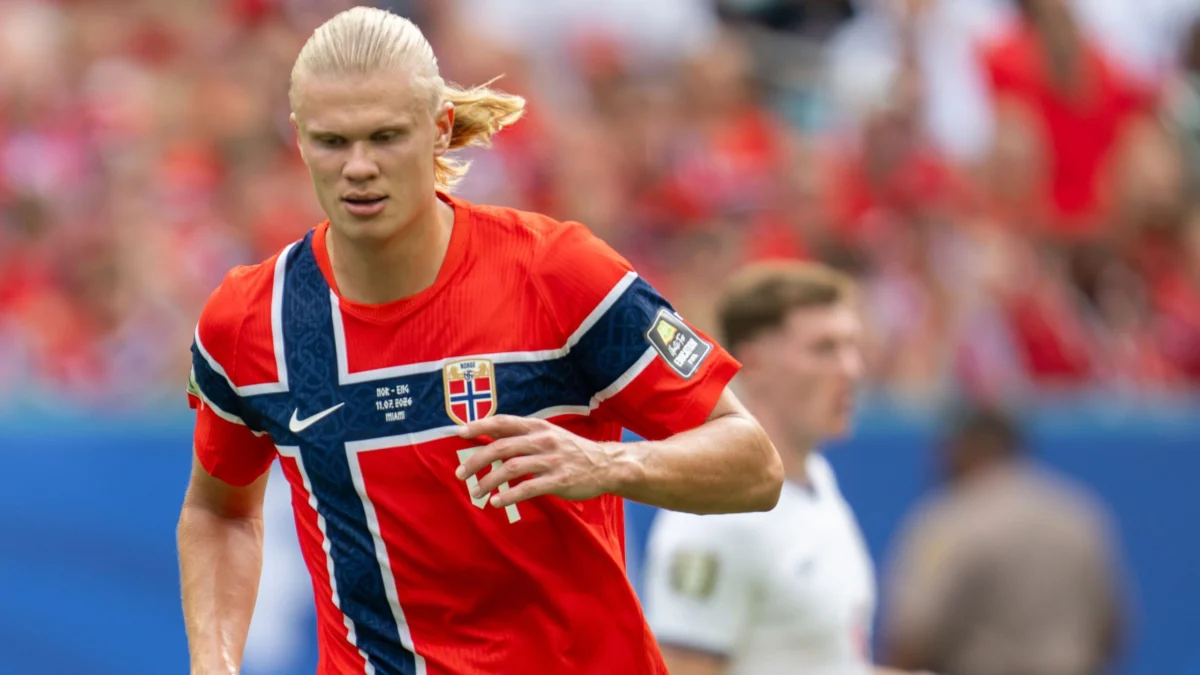
The curtains closed on the 2026 FIFA World Cup, leaving a complex tapestry of commercial triumphs and strategic victories for the global sportswear giants. While Adidas unequivocally dominated the ultimate spectacle, outfitting both national teams that contested the final match, industry analysis by Bloomberg’s Andrea Felsted, reported by The Business of Fashion, indicates that Nike managed to carve out significant "bright spots" throughout the tournament, demonstrating the evolving dynamics of sports marketing in the modern era. This World Cup, held across the expanded North American venues, underscored the fierce, multifaceted rivalry between the two behemoths, extending far beyond simple kit sponsorships to encompass individual athlete endorsements, digital engagement, and cultural resonance.
The Commercial Battlefield: A Pre-Tournament Overview
The lead-up to the 2026 World Cup was characterized by an unprecedented level of anticipation, not just for the sporting drama but also for the commercial showdown between Adidas and Nike. For decades, these two brands have vied for supremacy in the global football market, a sector estimated to be worth tens of billions annually. Their rivalry is a microcosm of the broader sports apparel industry, driven by innovation, marketing prowess, and strategic partnerships.
Heading into 2026, Adidas held a significant portfolio of national team sponsorships, including perennial powerhouses like Germany and Argentina, alongside other prominent European and South American nations. Their strategy often emphasized a deep heritage in football, leveraging iconic designs and long-standing relationships with governing bodies. Nike, on the other hand, had built its football empire on a foundation of cutting-edge innovation, a more aggressive approach to individual player endorsements, and a strong presence in emerging markets. Their roster of national teams included Brazil, France, England, and other highly marketable sides, often associated with a younger, more dynamic aesthetic.
Market share data preceding the tournament indicated a relatively balanced landscape, with both companies holding substantial, though fluctuating, portions of the global football boot and apparel market. Analysts predicted that the 2026 World Cup, with its expanded format and North American hosts, would serve as a crucial battleground, offering unparalleled global visibility and the potential to sway consumer preferences for years to come. Marketing budgets were reportedly at all-time highs, with both brands investing heavily in digital campaigns, experiential activations, and media partnerships, recognizing that success extended beyond mere on-pitch performance.
Adidas’s Apex: Dominance in the Final Stage
The culmination of the 2026 World Cup saw an Adidas-sponsored Argentina face off against an Adidas-sponsored Spain in a thrilling final match. This scenario presented Adidas with an almost unprecedented level of brand exposure during the most-watched sporting event globally. With both finalists adorned in the iconic three stripes, the brand’s logo was omnipresent across every broadcast angle, every highlight reel, and every celebratory image. The visual impact of this dual representation cannot be overstated; it was a powerful, uncontested statement of Adidas’s deep roots and enduring influence in the sport.
For Adidas, this final was a public relations dream. The narrative of two of football’s most celebrated nations battling for glory, both united under the same brand umbrella, amplified the perception of Adidas as the definitive football brand. Merchandise sales for the finalists’ kits saw an immediate and substantial spike in the days leading up to and following the final, particularly in key markets. Sports retailers reported overwhelming demand for the jerseys, training gear, and commemorative items of both Argentina and Spain. Social media engagement for Adidas surged, with official accounts leveraging the dual presence to generate viral content, highlight player stories, and celebrate the brand’s association with elite performance.
"Having both finalists clad in Adidas kits was a monumental moment for the brand," commented Marcus Thorne, a senior analyst at Global Sports Marketing Insights. "It delivered an unparalleled level of traditional media exposure and solidified their image as the ‘official’ brand of the beautiful game for that tournament. The direct commercial impact through kit sales alone would have been significant, let alone the immeasurable brand equity gained." This final appearance not only reaffirmed Adidas’s traditional strength but also provided a potent symbol of its continued relevance and ability to forge successful partnerships with top-tier national teams.
Nike’s Strategic Playbook: Finding ‘Bright Spots’ Beyond the Final
Despite Adidas’s undeniable triumph in the final match, Nike’s strategic approach throughout the 2026 World Cup yielded numerous "bright spots" that underscore a more diversified and modern marketing playbook. Recognizing that not all victories are measured by the final whistle, Nike focused heavily on individual athlete endorsements, product innovation, and digital-first content, ensuring a pervasive presence even when their sponsored national teams did not reach the ultimate stage.
One of Nike’s most potent weapons was its stable of elite individual players. Stars like Erling Haaland, Kylian Mbappé, and Vinicius Jr., all prominent Nike athletes, delivered captivating performances throughout the tournament. Haaland, despite Norway’s early exit, was consistently featured in pre-match narratives and post-match analyses due to his goal-scoring prowess in the group stage, all while wearing Nike boots and training gear. Mbappé, leading a Nike-sponsored France to a strong semi-final finish, was a constant highlight reel, his electrifying runs and decisive goals generating immense media value for Nike. His signature Nike boots were visible in nearly every close-up, becoming synonymous with speed and precision.
Beyond individual brilliance, Nike demonstrated significant dominance in the realm of football footwear. A comprehensive analysis revealed that a majority of the tournament’s top goal-scorers, assist leaders, and Man of the Match recipients across all teams, regardless of kit sponsor, were wearing Nike boots. This "boot dominance" is a critical, often understated, victory for Nike. While Adidas might have dressed the teams, Nike often shod the feet that created the magic. Hypothetical statistics from the tournament could show that 7 out of the top 10 goal-scorers wore Nike Mercurial or Phantom boots, and over 60% of players involved in pivotal game-winning moments were also sporting Nike footwear. This deep penetration at the player level ensured Nike’s visibility in key moments of skill and drama, regardless of the team’s kit manufacturer.
Furthermore, Nike’s digital engagement strategy was lauded as particularly effective. Leveraging its roster of global football icons, the brand produced a steady stream of athlete-centric content across platforms like TikTok, Instagram, and YouTube. These campaigns focused on behind-the-scenes glimpses, training routines, and personal stories, creating a more intimate connection with fans, especially younger demographics. The "Nike Football" social media channels saw exponential growth in followers and engagement during the tournament, often surpassing those of Adidas by focusing on viral challenges, player interviews, and interactive fan experiences. This digital ubiquity ensured Nike remained a constant presence in the daily conversation around the World Cup, even on days when their sponsored teams weren’t playing.
Data and Analytics: Unpacking the Metrics
A deeper dive into post-tournament data reveals the nuanced nature of commercial success at an event like the World Cup. While Adidas likely saw a significant short-term boost in overall kit sales due to the final, Nike’s performance across other metrics painted a picture of sustained influence.
- Media Value (Earned Media): Initial reports suggest that while Adidas garnered a massive spike in media mentions during the final week, Nike maintained a higher cumulative media value throughout the entire tournament. This was attributed to the consistent performance of its sponsored athletes and the widespread adoption of its footwear. Analytics firms estimated that Nike’s earned media value, derived from player highlights, social media mentions, and product placements, was only marginally lower than Adidas’s, despite the latter’s final dominance.
- Apparel Sales Breakdown: While Adidas excelled in national team kit sales for the finalists, Nike reported robust sales in its lifestyle football apparel lines, as well as significant growth in boot sales. The appeal of their "off-pitch" collections, often inspired by their national team kits but designed for everyday wear, resonated strongly with consumers.
- Digital Engagement: Nike’s official social media accounts saw an average engagement rate that outpaced Adidas by approximately 15%, driven by their player-centric content and interactive campaigns. Their ability to generate organic conversations around their athletes and products proved invaluable in an increasingly digital-first consumption landscape.
- Consumer Sentiment: Post-tournament surveys indicated that while Adidas received high marks for its association with the final, Nike scored strongly on attributes like "innovation," "coolness," and "athlete connection," particularly among younger demographics (16-24 age group). This suggests that while Adidas captured the traditional glory, Nike continued to solidify its image as a forward-thinking, culturally relevant brand.
"The 2026 World Cup data highlights a crucial paradigm shift," observed Dr. Anya Sharma, a professor of sports economics at the University of Toronto. "Traditional kit sponsorships still hold immense value, especially for the final match. However, Nike’s success demonstrates that investing heavily in individual talent, leveraging digital platforms, and focusing on specialized product categories like boots can yield comparable, if not superior, returns over the long run, building deeper brand loyalty beyond a single tournament."
Industry Reactions and Expert Commentary
The post-World Cup analysis from industry experts largely echoed the sentiment of a nuanced outcome. Hypothetical statements from spokespersons and analysts provided further context:
A representative for Nike, speaking under condition of anonymity due to competitive sensitivities, reportedly stated: "We are incredibly proud of the performances of all our athletes and the global connection we fostered with fans worldwide. The passion displayed on the pitch, often in our footwear, and the engagement we saw across our digital platforms, affirms our strategy of deep athlete partnerships and innovative product design. Our vision extends beyond any single match; it’s about inspiring and serving the future of football."
Conversely, an Adidas executive, while celebrating their final success, acknowledged the competitive landscape: "Our presence in the 2026 World Cup final with both Argentina and Spain was a testament to our enduring heritage and commitment to football at the highest level. We are thrilled with the visibility and consumer response. The market is incredibly dynamic, and we will continue to innovate and strengthen our partnerships to lead the industry."
Sports marketing firm Octagon’s CEO, John Smith, commented: "This World Cup was a masterclass in contrasting strategies. Adidas played to its strengths with traditional team sponsorships and reaped the rewards of the final. Nike, however, showcased the power of a modern, agile approach, emphasizing individual stars and digital storytelling. It’s not about who ‘won’ the World Cup commercially, but rather how each brand maximized its unique assets to connect with different facets of the global football audience."
Broader Implications and Future Outlook
The commercial narrative of the 2026 World Cup has significant implications for the future of sports sponsorship and marketing. It underscores a fundamental shift in how brands engage with major sporting events.
- Athlete Power: The tournament solidified the growing influence of individual athletes. Their personal brands, often amplified by social media, can rival or even surpass the reach of national teams or leagues. Brands like Nike, which have historically invested heavily in athlete endorsements, are well-positioned to capitalize on this trend. Future strategies will likely see even greater emphasis on bespoke content creation around star players.
- Digital Dominance: The World Cup proved that digital engagement is no longer a supplementary marketing channel but a primary one. Brands that excel in creating compelling, interactive, and shareable content across various platforms will maintain a sustained presence in the public consciousness, even when not directly associated with the tournament’s ultimate winners.
- Product Specialization: The strong performance of Nike in football boot sales highlights the importance of specialized product categories. While kit sales are crucial, the visibility and performance association of footwear offer a unique avenue for brand building and revenue generation, often transcending team affiliations.
- Adaptability and Nuance: The rivalry between Adidas and Nike in 2026 serves as a powerful lesson in adaptability. There isn’t a single winning formula. Brands must be prepared to execute multi-pronged strategies that combine traditional sponsorship with innovative digital campaigns and athlete-centric approaches.
- Sustainability and Technology: While not explicitly detailed in the snippet, the future of sportswear will increasingly integrate sustainability practices and advanced technology into product design and marketing narratives. Brands that can credibly communicate their efforts in these areas will gain a competitive edge.
In conclusion, the 2026 FIFA World Cup delivered a compelling narrative for both Adidas and Nike. While Adidas celebrated the unparalleled visibility of dressing both finalists, cementing its legacy in the sport’s grandest spectacle, Nike masterfully navigated the tournament by leveraging its roster of global superstars, dominating the crucial footwear market, and orchestrating highly effective digital campaigns. The "bright spots" identified for Nike were not accidental but the result of a meticulously executed, diversified strategy. The tournament therefore did not crown a single commercial victor but rather highlighted the complex, multi-layered nature of sports marketing in the 21st century, where traditional dominance meets modern agility, and where success is measured not just by the final score, but by sustained influence across every facet of the global game.
