
 By Layla Zulfa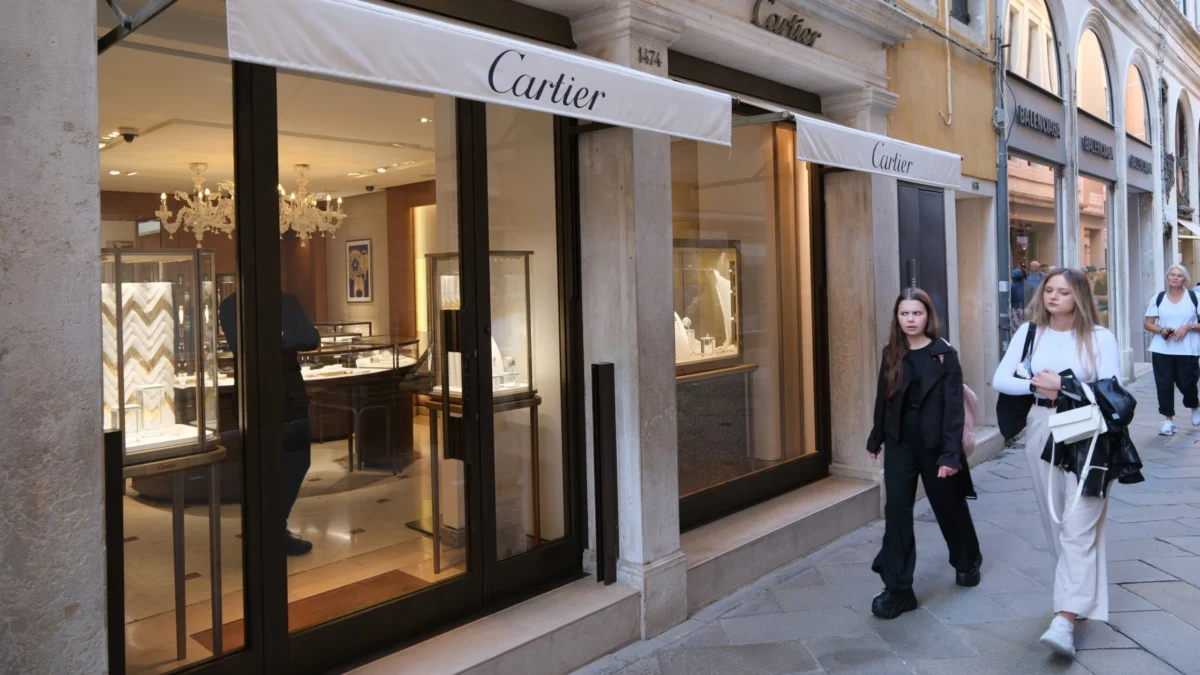
Sales of gems, precious metals, and artwork across Japan’s prestigious department stores have surged by an impressive 19 percent in the first half of 2026 compared to the same period a year earlier, reaching an estimated $2 billion. This remarkable growth underscores a significant shift in Japanese consumer behavior, as affluent shoppers increasingly turn to tangible luxury assets as a bulwark against persistent domestic inflation and a weakening national currency. The phenomenon, dubbed by some as "investment luxury," highlights a strategic pivot from traditional savings or volatile financial instruments towards items perceived to hold or appreciate in value.
The Unprecedented Surge in Hard Luxury Sales
The $2 billion sales figure for the first six months of 2026 represents a critical milestone for Japan’s luxury retail sector, signaling not just a recovery but an unprecedented boom in specific high-value categories. While the broader retail landscape in Japan faces varied challenges, including an aging population and cautious consumer spending in some segments, the luxury market, particularly for "hard luxury" goods such as high jewellery, rare watches, precious stones, and fine art, is experiencing a robust expansion. This surge is particularly noteworthy as it predominantly stems from domestic demand, with Japanese consumers leading the charge in acquiring these high-value items. The 19 percent year-on-year increase reflects a sustained upward trajectory that began to gather momentum in late 2024 and accelerated through 2025, culminating in the record-breaking performance observed in the first half of 2026. This trend is not merely about conspicuous consumption but is deeply intertwined with broader macroeconomic factors influencing the financial decisions of Japan’s wealthy class.
Economic Undercurrents: Inflation and the Weakening Yen
The primary catalysts behind this luxury market boom are Japan’s persistent inflationary pressures and the continued depreciation of the Japanese yen. For decades, Japan grappled with deflation, a period characterized by falling prices and stagnant wages. However, since late 2022, the nation has experienced a notable shift, with inflation rates consistently exceeding the Bank of Japan’s (BoJ) long-standing 2 percent target. While initially driven by imported energy and food costs, inflation has broadened to encompass a wider range of goods and services. By early 2026, the Consumer Price Index (CPI) in Japan hovered around 2.5-3.0 percent, a level that, while modest by global standards, is a significant departure for a country accustomed to flat or negative price growth.
Simultaneously, the Japanese yen has undergone a substantial weakening against major global currencies, particularly the U.S. dollar and the Euro. Following a period of aggressive monetary easing by the BoJ, which maintained ultra-low interest rates while other central banks hiked theirs to combat inflation, the yen’s value plummeted. In the lead-up to H1 2026, the yen traded at historically weak levels, often surpassing ¥150 against the U.S. dollar and nearing ¥160 against the Euro. This depreciation makes imported goods more expensive, contributing to domestic inflation. For Japanese consumers with substantial savings, the declining purchasing power of the yen erodes the real value of their cash holdings and traditional financial investments denominated in the local currency. In this economic climate, tangible assets like precious metals, high-end jewellery, and art offer a perceived hedge against inflation and currency devaluation. They are seen as stores of value that can maintain or even increase their worth independently of the yen’s fluctuations.
Luxury as a Safe Haven: A Historical Perspective
The concept of luxury goods, particularly gems, precious metals, and artwork, serving as safe-haven assets is not new but has gained renewed prominence in periods of economic uncertainty. Historically, gold has been the quintessential safe-haven asset, prized for its intrinsic value and ability to preserve wealth across civilizations. Fine art and rare collectibles have also long attracted investors seeking diversification and long-term capital appreciation, often outperforming traditional financial markets during downturns.
In the current Japanese context, this historical precedent is playing out with a contemporary twist. Affluent Japanese consumers, many of whom possess significant accumulated wealth, are re-evaluating their investment portfolios. With bank interest rates remaining near zero despite inflation, and the stock market experiencing volatility, the appeal of holding depreciating cash is diminishing. Instead, they are turning to assets that are globally recognized for their value, finite in supply, and often resistant to the whims of national economic policies. A Cartier diamond necklace, a Patek Philippe timepiece, or a rare antique ceramic piece represents not just an aesthetic purchase but a tangible asset that can be passed down through generations or potentially liquidated at a higher value in the future, regardless of the yen’s trajectory. This shift reflects a rational economic decision rather than purely a lifestyle choice, underscoring a sophisticated understanding of wealth preservation strategies.
Department Stores at the Forefront of the Luxury Boom
Japan’s iconic department stores—such as Isetan Mitsukoshi, Takashimaya, Daimaru Matsuzakaya, and Hankyu Hanshin—are uniquely positioned to capitalize on this trend. These establishments are not merely retail outlets; they are cultural institutions deeply embedded in the fabric of Japanese society, renowned for their impeccable service, curated selections, and luxurious shopping environments. They have long been the primary gateways for international luxury brands into the Japanese market and continue to command trust and prestige among affluent consumers.
These department stores typically house dedicated sections for high jewellery, luxury watches, and art galleries, often featuring exclusive collections and bespoke services. Their ability to offer a highly personalized shopping experience, coupled with the perceived authenticity and quality assurance associated with their brand, makes them the preferred destination for consumers making significant investment-grade purchases. Store executives, while refraining from specific public statements on individual brand performance, have broadly indicated satisfaction with the robust sales in their high-value categories. Industry analysts suggest that department store operators are likely to further enhance these segments, possibly through more exclusive partnerships, VIP events, and dedicated personal shopping services to cater to this burgeoning demand. The meticulous attention to detail and unparalleled customer service offered by these retailers reinforce the luxury experience, making the acquisition of these items feel even more significant.
The Richemont Effect and Global Luxury Trends
The growth in Japan’s luxury market is not occurring in isolation. It aligns with broader global trends, particularly the strong performance of "hard luxury" goods. Richemont, the Swiss luxury conglomerate known for brands like Cartier, Van Cleef & Arpels, IWC Schaffhausen, and Jaeger-LeCoultre, has reportedly seen Japan emerge as its highest sales growth region globally. This is largely attributed to the exceptional performance of its jewellery segment, epitomized by the enduring allure of Cartier. The image accompanying the original report, featuring Cartier jewellery, subtly reinforces this point, highlighting the brand’s direct benefit from these market dynamics.
This strong showing in Japan mirrors a global phenomenon often referred to as "jewelmaxxing," where high-end jewellery is increasingly viewed as both a status symbol and a solid investment. This trend was conspicuously on display during recent Haute Couture Weeks in Paris, where leading luxury houses such as Chanel, Van Cleef & Arpels, and Hermès showcased some of their most ambitious and elaborate high jewellery collections to date. These collections, often featuring unique stones and intricate craftsmanship, are designed to captivate ultra-high-net-worth individuals who appreciate both artistic merit and intrinsic value. The global appetite for such pieces underscores a shift towards enduring luxury that transcends seasonal fashion trends, a sentiment that resonates strongly with Japanese consumers seeking long-term value.
Consumer Behavior Shifts: Beyond Aspiration to Investment
The motivations driving Japanese consumers to invest in luxury gems, precious metals, and artwork are multifaceted, extending beyond mere aspiration or indulgence. While the desire for beautiful objects and expressions of personal style remains, the dominant driver appears to be a calculated financial strategy. This marks a subtle but significant evolution in consumer behavior. For generations, Japanese consumers were known for their strong savings culture, often prioritizing cash and low-risk investments. However, the current economic climate is prompting a re-evaluation of these traditional approaches.
Younger affluent consumers, having witnessed the erosion of savings through inflation and currency depreciation, are increasingly sophisticated in their investment choices. They are not only purchasing for personal enjoyment but also with an eye towards potential resale value or as a legacy asset. Older, established wealth holders, seeking to preserve their fortunes, find these tangible assets appealing due to their perceived stability and global liquidity. The shift is from consumption driven purely by brand prestige to consumption as a form of wealth management. This doesn’t mean the emotional connection to luxury is gone, but it is now intertwined with a pragmatic understanding of market dynamics. Educational initiatives by luxury brands and department stores, highlighting the rarity, craftsmanship, and potential appreciation of their high-end pieces, also play a role in reinforcing this investment narrative.
Industry Reactions and Strategic Adjustments
In response to this robust demand, luxury brands and department stores are expected to refine their strategies for the Japanese market. Executives within these sectors are likely to emphasize the enduring value and craftsmanship of their "hard luxury" offerings. There will likely be an increased focus on limited editions, bespoke services, and exclusive collaborations tailored to the discerning Japanese clientele. Luxury brands may also allocate more resources to their high jewellery and watch divisions in Japan, ensuring a steady supply of unique and investment-worthy pieces.
Economic analysts, while acknowledging the current boom, also weigh in on its sustainability. Some suggest that as long as the yen remains weak and inflation persists, the trend of investing in luxury assets will continue. Others caution that a sudden reversal in economic conditions—such as a sharp strengthening of the yen or a significant rise in interest rates—could temper demand. However, the deep-seated cultural appreciation for quality, longevity, and heritage in Japan suggests that a strong market for high-value luxury goods will likely endure, even if the primary drivers shift. Department store groups are reportedly exploring innovative ways to showcase these high-value items, perhaps through enhanced security measures, private viewing rooms, and dedicated consultants who can speak to both the aesthetic and investment merits of each piece.
Broader Economic and Retail Implications
The booming luxury hard goods market in Japan has broader implications for the nation’s economy and retail sector. While positive for the department stores and luxury brands directly involved, it also highlights the challenges faced by other retail segments struggling with inflation and diminished consumer purchasing power for everyday goods. The phenomenon could be interpreted as a form of "capital flight" within the domestic economy, where wealth is redirected from conventional financial instruments into tangible, high-value goods.
For the Bank of Japan, the trend underscores the complexity of its monetary policy. While aiming for stable inflation, the side effect of a weak yen and low interest rates is visibly impacting investment patterns. The sustained demand for luxury assets could also signal a growing wealth disparity, where those with substantial assets are better positioned to hedge against economic uncertainties, while average households feel the pinch of rising living costs. In the long term, if this trend continues, Japan could solidify its position as a global hub for investment-grade luxury, attracting not only domestic wealth but potentially international buyers seeking a stable market for high-value acquisitions. This could lead to increased competition among luxury brands to secure prime retail spaces and attract top talent within the Japanese market.
Conclusion
The surge in sales of gems, precious metals, and artwork in Japanese department stores during the first half of 2026 is a powerful testament to the evolving dynamics of the nation’s economy and consumer behavior. Fueled by the twin pressures of inflation and a depreciating yen, affluent Japanese shoppers are strategically turning to luxury items as a tangible store of value, transforming these purchases from mere indulgences into calculated investments. This shift is not only bolstering the bottom lines of leading luxury brands like Richemont’s Cartier but also redefining the role of traditional department stores in Japan’s retail landscape. As the economic environment continues to evolve, the Japanese luxury market stands as a fascinating case study of how consumers adapt to preserve wealth in uncertain times, solidifying its position as a critical barometer for both economic sentiment and sophisticated consumer trends globally.
