
 By admin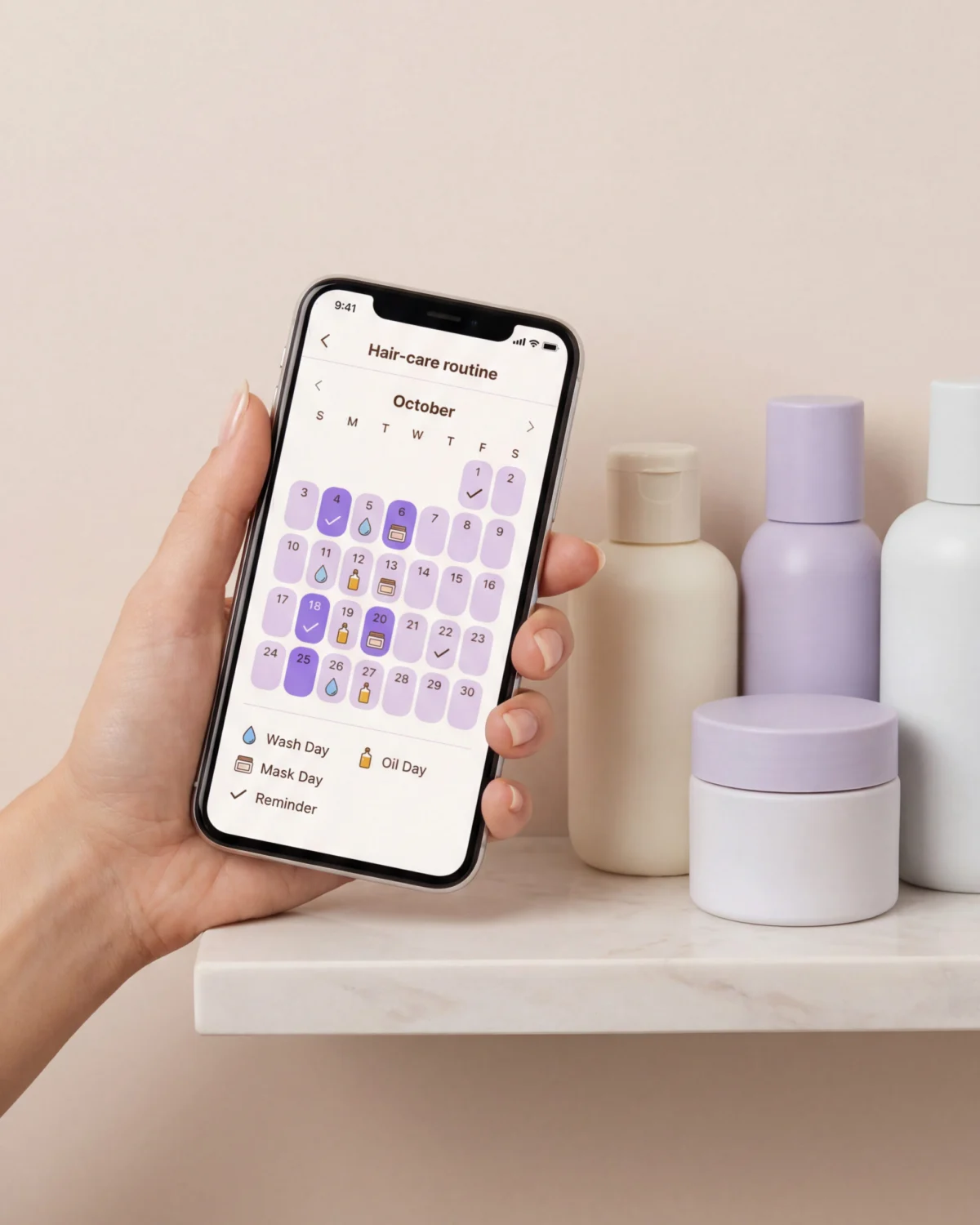
A hair growth tracker app earns its place on your phone when it does one thing well: it makes the slow, often invisible process of regrowth or maintenance visible enough to keep you motivated. We spent several weeks testing several of the most downloaded options, comparing how they handle progress photos, density tracking, and routine logging. Hairly, Follicle, MyHairCounts, and HairGrowth emerged as the strongest for documenting a real hair journey. At the same time, two routine-focused apps proved more useful for habit-building than for tracking change over time. This guide breaks down what each app does well, where it falls short, how the photo and data features compare, and which fits which goal, whether that’s monitoring a treatment, recovering from a transplant, or simply keeping tabs on length as you grow out a cut.
The quest for visible hair regrowth or the precise documentation of a hair transformation is a journey many embark upon, often fueled by cosmetic desires, medical necessity, or the simple evolution of personal style. This journey, however, is frequently characterized by subtle, incremental changes that can be difficult to perceive on a day-to-day or even week-to-week basis. To address this challenge, a burgeoning category of mobile applications has emerged, aiming to provide users with structured tools to monitor, visualize, and ultimately understand their hair growth progress. These digital companions are designed to act as a structured camera roll with a sophisticated memory, moving beyond the disorganized collection of selfies often found buried within a smartphone’s gallery. Instead, they guide users to capture progress photos from consistent angles and distances on a regular schedule, subsequently aligning these images to reveal changes over weeks and months.
Beyond mere photographic documentation, many of these applications integrate features such as treatment logs, density estimations, shedding notes, or reminders tied to specific hair care routines, such as wash days or medication schedules. This layered approach acknowledges that hair growth is not solely about visual changes but also encompasses the treatments applied, the underlying scalp health, and the consistency of care routines.
The utility of these hair growth tracker apps can be broadly categorized into two primary use cases. The first caters to individuals actively monitoring regrowth resulting from treatments like minoxidil, hair transplantation procedures, or the management of scalp conditions. For this group, the apps serve as a critical tool for assessing the efficacy of interventions. The second category is for those who simply desire a systematic method to document hair length as it grows out following a significant haircut, such as a drastic chop or a perm. The applications reviewed below are designed to serve both these distinct user groups, with some leaning more towards a clinical, data-driven approach, while others offer a more user-friendly, observational experience.
What a Hair Growth Tracker App Does: Beyond the Basic Snapshot
At its core, a hair growth tracker app functions as an organized digital archive for your hair’s transformation. It systematically prompts users to capture images from predetermined angles, ensuring a standardized perspective for comparison. This feature is crucial because inconsistencies in framing, lighting, or distance can significantly distort the perceived progress. By enforcing a consistent capture methodology, these apps create a reliable visual timeline.
However, the capabilities of these applications extend beyond static images. Many incorporate functionalities to log various aspects of hair care and health. This can include:
- Treatment Logs: Recording the application of topical treatments, oral medications, or specific hair care products, along with the frequency and duration of use. This data can be cross-referenced with visual progress to identify potential correlations.
- Shedding Tracking: Allowing users to note periods of increased hair shedding, which can be indicative of underlying issues or temporary fluctuations.
- Scalp Health Notes: Recording observations related to scalp irritation, dryness, oiliness, or the presence of dandruff, as these factors can influence hair growth.
- Routine Reminders: Setting up notifications for wash days, medication intake, or specific treatment application times, thereby promoting adherence to a hair care regimen.
- Density Estimation: Some advanced apps attempt to quantify hair density, either through AI analysis or user-guided measurements, offering a more objective assessment of hair fullness.
The distinction between tracking regrowth from a medical intervention versus documenting aesthetic growth after a style change highlights the varied needs of users. For instance, someone recovering from a hair transplant will likely require a more detailed and clinically oriented tracking system, whereas an individual growing out a pixie cut may prioritize ease of use and clear visual progress markers.

Hairly: Fostering a Connection Between Treatments and Visual Outcomes
Hairly is an application meticulously designed to bridge the gap between applied treatments and observable hair changes. Its foundational philosophy posits that a photograph alone, while valuable, does not inherently explain the reasons behind any visual shifts. To this end, Hairly integrates a comprehensive progress photo gallery, meticulously organized by specific angles such as the crown, temples, and hairline. This structured photographic record is powerfully complemented by a detailed treatment log. Within this log, users can meticulously record the products they are using, the specific timing of their application, and any other relevant interventions. The app’s intended outcome is to surface trends over time, thereby offering insights into whether a particular treatment is yielding the desired results.
During testing, the angle-tagging feature of Hairly proved to be a significant asset, lending an unparalleled level of organization to the photo timeline. This level of systematic organization is something a standard camera roll, with its often haphazard collection of images, simply cannot replicate. Furthermore, the ability to log a treatment directly alongside a progress photo proved invaluable, facilitating a more intuitive connection between cause and effect when reviewing progress months later. This contextualization transforms raw data into meaningful narrative.
However, Hairly is not without its limitations. The AI-generated insights, while often motivational, tended to provide more of a generalized summary rather than a deeply clinical analysis. For individuals experiencing early-stage thinning, the density estimates provided by the app may feel somewhat imprecise when compared to a more rigorously measured count. Therefore, users should approach Hairly’s insights with the understanding that it functions best as a structured journal for personal reflection rather than a definitive diagnostic tool. The app encourages a holistic view of hair health by linking external interventions with internal observations, but it does not replace professional medical advice.
Follicle: Precision in Photography and Detailed Journaling
Follicle distinguishes itself with a standout feature: its "ghost-overlay" camera. This innovative tool displays a faint, translucent version of the user’s last progress photo directly over the live viewfinder. This visual cue acts as an immediate guide, enabling users to precisely match the angle and distance of their previous shot before capturing a new one. This single feature effectively addresses the most significant hurdle in manual progress photography: the inconsistency in framing that can render direct comparisons unreliable. The ghost overlay transforms the act of taking progress photos from a subjective task into a more objective, repeatable process.
Beyond its advanced photographic capabilities, Follicle offers a robust journaling system. Users can meticulously log a range of factors including shedding episodes, scalp irritation, periods of heightened stress, wash days, and specific treatments. This journal is fully searchable, allowing for quick retrieval of past entries. Crucially, Follicle enables users to link specific photos to particular journal entries, creating a rich, interconnected record of their hair journey. The app’s comparison tools, including side-by-side views and an overlay slider, are particularly useful for discerning subtle yet significant changes, especially at the hairline or crown areas where such details are often most critical.
The primary trade-off for these advanced features is that some of the deeper analytical tools and comprehensive journal-wide AI analysis are sequestered behind a premium subscription tier. Consequently, the free version of Follicle primarily serves as an exceptionally capable photo and journal management tool, rather than a fully realized analytics platform. For users seeking in-depth data interpretation and predictive insights, an upgrade may be necessary. However, for those prioritizing consistent, high-quality photographic documentation and detailed personal logging, the free version of Follicle offers substantial value.
MyHairCounts: Prioritizing Clinical-Style Density Data Over Convenience
MyHairCounts adopts a fundamentally different approach compared to the photo-centric applications. Its design is centered around hair density counting, a metric that is widely recognized and employed in clinical trials to quantify hair loss or growth. Instead of relying on subjective visual impressions, MyHairCounts quantifies hair density in terms of hairs per square centimeter. Additionally, the app tracks other important metrics such as gray hair percentage and the prevalence of dandruff over time.
The primary appeal of MyHairCounts lies in its precise density numbers. Hair density can begin to change measurably months before these alterations become visually apparent in a mirror. This capability empowers users to identify trends in their hair health much earlier than they might with photographs alone. This proactive identification of subtle shifts is particularly valuable for individuals monitoring conditions where early intervention is key.

However, the setup process for MyHairCounts is notably more involved than that of other apps in this test. Several testers encountered account and permission-related issues during the initial onboarding phase. This suggests that users should allocate additional time and patience for the setup. For individuals who are actively working with a trichologist or dermatologist, MyHairCounts produces the type of objective, quantitative data that these professionals are likely to find most useful during consultations. The app’s focus on measurable outcomes makes it a powerful ally in a clinical setting, even if it demands a greater investment of user effort upfront. The rigor of its data collection method, while less convenient, offers a level of objectivity that is often desired in medical contexts.
HairGrowth: Tailored for Post-Transplant Recovery
HairGrowth carves out a specific niche within the hair growth tracker market. Its scope is intentionally narrower than the other applications reviewed, a focused approach that forms the core of its utility. The app is specifically designed to align with the typical timeline of hair transplant procedures, encompassing FUE (Follicular Unit Extraction), FUT (Follicular Unit Transplantation), and DHI (Direct Hair Implantation) techniques. It provides day-by-day recovery guidance, crucial medication reminders for drugs like finasteride or minoxidil, and a unique graft-and-zone tracking feature. This allows users to log density changes on a per-scalp-area basis, offering a more granular understanding than a single, overall score.
For patients undergoing hair transplant procedures, this specialized focus represents the most compelling reason to select HairGrowth over a more general-purpose tracker. The comprehensive aftercare guides, which address common concerns such as shock loss, specific washing routines, and post-operative sun exposure protocols, directly answer the precise questions that arise in the critical weeks following a surgical intervention. These guides are often curated based on established medical protocols and best practices in hair restoration.
Conversely, users who are not recovering from a transplant, or who are simply tracking natural regrowth or a change in hairstyle, will likely find that a significant portion of HairGrowth’s depth and features are not directly relevant to their situation. While the core functionalities of photo logging and basic progress tracking are present, the specialized modules for transplant recovery might feel superfluous for these users. Therefore, HairGrowth’s value proposition is strongly tied to its specialized user base, offering an unparalleled level of support and documentation for a very specific medical journey.
Comparative Analysis of Key Features
The effectiveness of a hair growth tracker app hinges on its ability to meet the specific needs of its user. While each application offers a unique set of features, a direct comparison of their core functionalities provides a clearer picture of their respective strengths and weaknesses.
| App | Best For | Photo Consistency Tools | Density Tracking | Treatment Reminders |
|---|---|---|---|---|
| Hairly | Logging treatments next to photos | Angle tagging | AI estimate only | Basic |
| Follicle | Consistent, comparable photos | Ghost overlay camera | Not included | Yes, with streaks |
| MyHairCounts | Clinical-style density data | Standard photo capture | Measured count | Not the focus |
| HairGrowth | Transplant recovery | Guided framing | By scalp zone | Stage-based |
This table illustrates how each app prioritizes different aspects of hair growth tracking. Hairly excels at contextualizing visual progress with treatment logs, while Follicle offers superior tools for maintaining photographic consistency. MyHairCounts stands out for its objective density measurements, making it suitable for clinical evaluation, and HairGrowth provides specialized support for the unique needs of transplant recipients.
Limitations and the Importance of Professional Consultation
Despite the advancements in hair growth tracking technology, it is crucial to acknowledge the inherent limitations of these applications. A fundamental blind spot shared by virtually all apps in this category is their inability to ascertain the "why" behind observed changes. A photograph or a density count can reveal what has changed, but it cannot definitively diagnose the underlying cause. These tools are not substitutes for professional medical advice.
None of these applications can diagnose a hair loss condition, confirm the efficacy of a specific product with scientific certainty, or replace the expertise of a dermatologist or trichologist, particularly in cases of sudden or severe shedding. The AI-generated summaries found in some apps, while potentially encouraging, should not be interpreted as clinical diagnoses or definitive medical opinions. Users who are anxious about thinning hair should exercise caution and avoid treating algorithmic reassurance as a substitute for professional medical evaluation.

Furthermore, photo-based tracking is susceptible to inherent variability. Factors such as ambient lighting conditions, the way hair is styled, and even the recency of hair washing can significantly alter the perceived fullness or thinness in a single image, irrespective of any overlay tools designed to standardize framing. While density-counting apps like MyHairCounts mitigate some of this variability by offering objective measurements, they demand more initial setup time and a steadier hand during the measurement process.
For individuals whose primary goal is to document the simple act of growing out their hair after a stylistic change, such as a shaggy bob or a wolf cut, the more lightweight, photo-first apps like Follicle or Hairly are more than adequate. However, for those actively monitoring a diagnosed condition of hair loss or regrowth, leaning towards apps that offer measured density data or sophisticated clinical framing tools, such as MyHairCounts or HairGrowth, is advisable. The choice of app should align with the specific nature and seriousness of the hair growth concern.
Complementing Trackers with Routine Planners: The Role of HairHunt
While the aforementioned hair growth trackers excel at documenting the physical manifestations of hair change over time, they do not inherently guide users in establishing the daily habits that contribute to these outcomes. For individuals seeking structured support in maintaining and protecting their existing hair, an additional tool like HairHunt can be invaluable. HairHunt operates on a personalized approach, beginning with a comprehensive quiz about a user’s hair type, condition, and concerns. Based on the analysis of these responses, the app generates customized recommended routines. Users can then mark these routines as complete, providing a visual representation of their adherence and progress.
Alongside these personalized routines, HairHunt offers tailored tips and insights relevant to each user’s specific hair type. A notable feature is its AI virtual try-on tool, which allows users to preview potential new haircuts or color changes on their own selfies, offering a glimpse into future styling possibilities. This integration of routine management and visual experimentation provides a holistic approach to hair care, complementing the diagnostic capabilities of growth trackers. HairHunt is accessible on both iOS and Android platforms.
Frequently Asked Questions About Hair Growth Trackers
How often should I take progress photos in a hair growth tracker app?
Most stylists and the apps themselves recommend monthly photos for general growth tracking, as week-to-week changes are often too subtle to discern reliably. For tracking specific treatments or transplant recovery, more frequent photos in the initial months can be justified, but daily photos tend to add more noise than valuable insight.
Can a hair growth tracker app tell me if my hair loss treatment is working?
An app can indicate a trend in your hair’s appearance or density over time, but it cannot definitively confirm the cause of these changes. Photos and density numbers reveal whether your hair appears fuller or thinner, but establishing that a specific treatment is responsible requires ruling out other contributing factors. This is where the diagnostic value of a dermatologist or trichologist becomes essential, offering a level of insight that an app alone cannot provide.
Is hair density tracking more accurate than progress photos?
Hair density counting, as employed by apps like MyHairCounts, is generally considered more objective. This method is less susceptible to variations in lighting, styling choices, or camera angles that can influence the appearance of progress photos. While photos are quicker and more accessible for casual tracking, density counts are better suited for individuals closely monitoring a clinical hair concern.
Do I need a hair growth tracker app if I am just growing out a haircut?
Not necessarily, but a lightweight photo app such as Follicle or Hairly can significantly reduce frustration during the grow-out phase. By providing tangible evidence of progress, these apps can make a potentially tedious period feel more rewarding, especially when visible changes are slow. A simple monthly photo habit, even without a dedicated app, can achieve a similar goal of documenting length progression.

Are hair growth tracker apps free to use?
Most hair growth tracker apps offer a free tier that includes basic photo tracking and journaling functionalities. Premium subscriptions typically unlock advanced features such as AI-driven insights, more sophisticated comparison tools, or unlimited historical data storage. Apps with a more clinical focus, like MyHairCounts and HairGrowth, may require a subscription to access their full suite of density or recovery-tracking features.
What is the difference between a hair growth tracker and a virtual hairstyle try-on app?
A hair growth tracker is designed to document your actual hair’s progress over time through photos or objective measurements. In contrast, a virtual hairstyle try-on app, such as HairHunt, utilizes AI to generate a preview of a hypothetical hairstyle or color applied to your existing photograph. These tools serve distinct purposes: one for monitoring actual change and the other for visualizing potential future changes. When used in conjunction, they can offer a comprehensive approach to managing one’s hair journey.
Choosing the appropriate hair growth tracker app ultimately depends on the user’s specific objectives. Whether the goal is to ascertain the efficacy of a treatment, monitor the healing process after a transplant, or simply document the gradual lengthening of hair, selecting an app that aligns with that particular aim is paramount. Rather than opting for the app with the most extensive feature set, users should prioritize functionality that directly addresses their personal needs. Consistent use over a period of several months is recommended before a comprehensive assessment of the app’s utility and the results it helps document can be made.
Disclaimer: Individual hair results are subject to variation based on natural hair type, texture, density, and overall condition. Virtual try-on images generated by AI are visual representations and should not be considered definitive predictions of how hair will behave in real-world styling scenarios. It is always advisable to consult with a licensed hairstylist or dermatologist before implementing significant changes, particularly those involving chemical treatments, drastic alterations in hair length, or concerns related to hair loss.
