
 By admin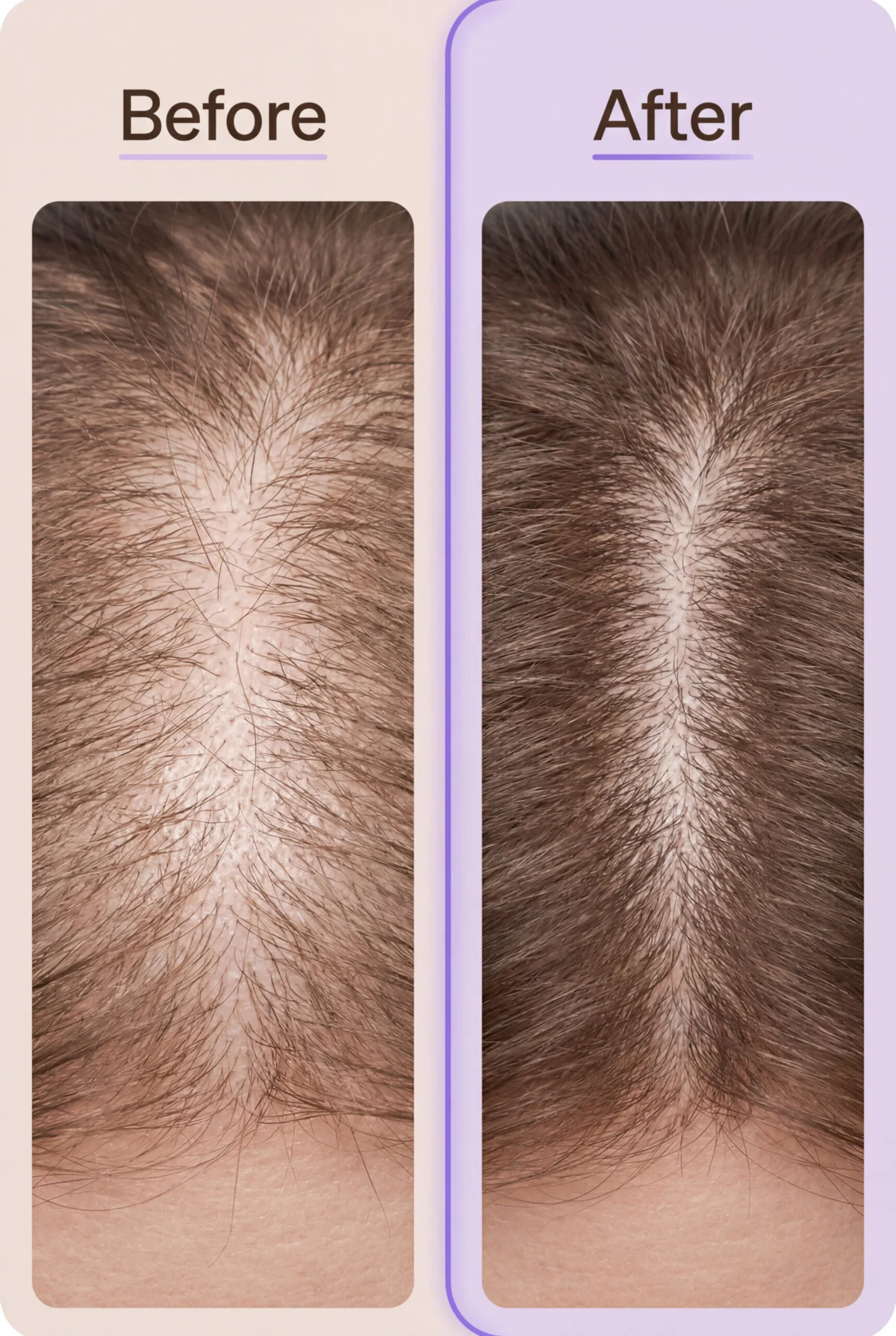
LED hair growth caps have rapidly ascended in popularity, flooding social media feeds with promises of fuller, thicker hair. While the marketing often emphasizes the convenience and futuristic appeal, the underlying science and clinical evidence offer a more nuanced perspective on their efficacy. These devices, utilizing red and near-red light therapy, are gaining traction as a non-invasive treatment for certain types of hair loss, but understanding their mechanism, the strength of the research, and realistic expectations is crucial before investing in devices that can range from $200 to $700.
The Mechanism: Photobiomodulation and Follicle Stimulation
At its core, an LED hair growth cap is designed to leverage a process known as photobiomodulation. These caps, typically dome-shaped and lined with numerous small LED bulbs, emit light in the red and near-red spectrum, generally between 630 and 670 nanometers. When worn for approximately 10 to 20 minutes daily on dry, product-free hair, this light penetrates the scalp to reach the hair follicles.
The scientific hypothesis is that this specific wavelength of red light is absorbed by the mitochondria within the stem cells of hair follicles. This absorption is believed to energize these cells, potentially shifting more follicles from the resting (telogen) phase of the hair growth cycle into the active growth (anagen) phase. Furthermore, researchers suggest that the light may help to reduce low-grade inflammation around the follicle. Chronic inflammation is a known contributing factor to the miniaturization of hair follicles observed in androgenetic alopecia, the most common form of hair loss. A comprehensive review of low-level light therapy (LLLT) mechanisms published in Photobiomodulation, Photomedicine, and Laser Surgery supports these proposed pathways, highlighting the potential of light energy to influence cellular activity and tissue regeneration.
Distinguishing LED from Laser Caps: A Matter of Light Delivery
Online discussions often use the terms "LED cap" and "laser cap" interchangeably, but there are distinct differences in their technological underpinnings. Laser devices employ coherent, single-wavelength light emitted from laser diodes. This focused light tends to penetrate the scalp more directly. In contrast, LED caps utilize non-coherent light, which scatters more as it travels through the air and the hair shaft.

The American Hair Loss Association notes that this difference in light delivery can affect penetration depth. While laser light may offer more direct targeting, LED caps compensate with a wider coverage area due to the scattering effect. Some manufacturers of LED caps argue that this broader application offsets the potentially lower per-diode power. However, much of this comparative analysis stems from manufacturer claims rather than independent, head-to-head clinical trials. Therefore, consumers should approach such comparisons with a critical eye, recognizing them as marketing points rather than definitively proven scientific advantages.
Clinical Evidence: What the Studies Reveal
The research supporting light-based therapies for hair regrowth extends back several years, encompassing a range of devices, including combs, helmets, and caps. One of the foundational studies in this field is a 2014 multicenter, randomized, sham-controlled trial involving 269 men and women. This study, published in Lasers in Surgery and Medicine, demonstrated a statistically significant increase in terminal hair density after 26 weeks of daily treatment with a laser comb compared to a placebo device.
More recent systematic reviews have synthesized data from multiple trials. A meta-analysis of seven double-blind, randomized trials focused on FDA-cleared, home-use light therapy devices found a significant improvement in hair density across both comb and helmet styles when compared to sham treatments. These reviews suggest a consistent benefit from LLLT for hair loss.
Specific to LED caps, the REVIAN RED system, an all-LED device, was evaluated in a randomized, double-blind, placebo-controlled trial registered on ClinicalTrials.gov (NCT04019795). In this study, compliant participants who used the cap for 10 minutes daily over 16 weeks showed an average increase of 26.3 hairs per square centimeter compared to the placebo group. A notable observation from this trial was the high rate of exclusion (91 out of 160 participants) primarily due to insufficient compliance (below 80%). This highlights the significant challenge of maintaining daily consistency, a factor that directly impacts real-world efficacy.
Further corroboration comes from a review published in Photobiomodulation, Photomedicine, and Laser Surgery, which compared light therapy with established treatments like minoxidil and finasteride. The review indicated that LLLT, minoxidil, and finasteride were all more effective than placebo. Importantly, it also suggested that combining light therapy with minoxidil yielded superior results compared to using either treatment in isolation, pointing towards potential synergistic effects.
The Daily Experience: Beyond the Science

Beyond the clinical data, the practical experience of using an LED hair growth cap is a key consideration for potential users. Integrating a 10-20 minute daily session into a routine can be surprisingly seamless, especially with modern device design. Many caps are now accompanied by smartphone applications that track usage, log streaks, and provide session timers. This gamified approach can transform a clinical treatment into a habit-building exercise, making adherence more manageable.
The caps themselves are typically lightweight and designed for comfort. The warmth generated during operation is generally mild, not causing discomfort. Battery life is often sufficient to last a week of daily sessions on a single charge, further enhancing convenience. To maximize the benefits, users are advised to conduct their sessions on clean, dry hair, free from styling products. This often means incorporating the cap into a morning routine before applying any hair products or styling. Activities such as reading, checking emails, or even planning hairstyles can be done while the cap is in place, minimizing disruption to daily life.
It is crucial to note that the observed benefits in clinical trials typically require sustained use over periods of 16 to 26 weeks. Therefore, short-term usage, such as the eight weeks mentioned in some personal accounts, is unlikely to yield discernible results and should not be the basis for evaluating a device’s effectiveness.
Identifying Ideal Candidates for LED Cap Therapy
LED hair growth caps are primarily targeted at individuals experiencing androgenetic alopecia, commonly known as male or female pattern baldness. This condition is characterized by the progressive miniaturization of hair follicles, leading to a receding hairline, thinning crown in men, or overall thinning and a widening part in women. The caps are most effective when there are still active, albeit shrinking, hair follicles present.
These devices are not designed to stimulate hair growth in areas that have been completely bald for an extended period, as the follicles in such areas may have ceased producing hair altogether. Consequently, LED caps are not a suitable treatment for conditions such as alopecia areata (an autoimmune disorder), scarring alopecia, scalp psoriasis, or hair loss directly linked to recent illnesses or medication changes. These conditions necessitate different diagnostic approaches and treatment strategies, often requiring consultation with a dermatologist.
For individuals in the early to moderate stages of hair thinning, styling techniques can play a significant role in managing the visual impact. Haircuts that minimize the appearance of thin spots, such as bobs with strategic layering for fine hair or medium-length styles that create an illusion of volume, can be effective interim solutions while pursuing other treatments. It is often recommended to consult with a hairstylist, bringing a recent photo of the scalp’s thinning areas, to achieve a cut that complements current hair density and makes it easier to assess the effectiveness of new treatments over time.

Optimizing Usage: Best Practices and Common Pitfalls
To achieve the best possible outcomes from an LED hair growth cap, correct usage is paramount. The process begins with ensuring the scalp is clean and dry. Styling products, oils, and moisture can all impede the penetration of LED light. Therefore, washing hair the night before or the morning of a session and avoiding topical treatments on treatment days is essential.
For individuals with dense or long hair, sectioning the hair before placing the cap on the head is a critical step. This ensures that more LED bulbs have direct contact with the scalp, rather than resting on top of the hair shaft. Even hairstyles that create an illusion of thickness can benefit from this meticulous sectioning at the roots just prior to each session.
Consistency is the cornerstone of success with LED therapy. Clinical trials demonstrating significant results have consistently required daily or near-daily use for at least 16 to 26 weeks. This translates to a commitment of at least four months before one can reliably judge the device’s effectiveness. Regular photographic documentation of the same scalp area, under identical lighting conditions, every two to four weeks is highly recommended. Relying solely on memory to track gradual changes in hair density can be unreliable.
Several common mistakes can undermine the efficacy of LED cap therapy. The most significant is inconsistency, as evidenced by the high exclusion rates in clinical trials due to poor compliance. Missing even a few sessions per month can skew results. Another pitfall is discontinuing use prematurely, particularly around weeks 6 to 8, when temporary shedding can occur. This shedding is often a sign that follicles are entering a new growth cycle and is not an indication to stop treatment.
Another error to avoid is applying the LED cap immediately after using topical treatments like minoxidil without allowing the latter to fully dry. This can reduce light penetration. Furthermore, consumers should be wary of purchasing devices that merely resemble tested products without their own published clinical data. The effectiveness of a device is tied to its specific design, wavelength output, and power, which vary significantly between brands.
Safety, Limitations, and Realistic Expectations

Generally, LED hair growth caps are considered safe for at-home use. The most commonly reported side effects in clinical trials include mild scalp warmth and temporary redness. Serious adverse events are rare. However, dermatologists express caution regarding the proliferation of at-home devices.
Dr. Zakia Rahman, a dermatology professor at Stanford, and Dr. David Ozog, chair of dermatology at Henry Ford Health, emphasize that FDA clearance signifies a device is safe and substantially equivalent to an existing cleared device, not that every efficacy claim made by the manufacturer has been independently verified. The market for these devices has expanded rapidly, often outpacing independent testing and validation of individual models. Their advice is to prioritize devices that have their own published, peer-reviewed clinical trial data and independent, third-party testing of their specific wavelength and output specifications, rather than those that simply mimic the appearance of proven products.
Comparative Analysis: LED Caps vs. Other Hair Loss Treatments
LED hair growth caps offer a distinct approach to hair loss management when compared to other common treatments:
| Treatment | Mechanism | Daily Commitment | Typical Cost (Initial/Ongoing) |
|---|---|---|---|
| LED Hair Growth Cap | Red/near-red light stimulates follicles, extending the growth phase. | 10-20 minutes, daily | $200 – $700, one-time |
| Laser Hair Growth Cap | Coherent laser diodes deliver focused, single-wavelength light. | 15-30 minutes, daily/every other day | $300 – $1,000, one-time |
| Topical Minoxidil | Widens blood vessels, prolongs anagen phase. | Applied twice daily, every day | $15 – $50 per month, ongoing |
| Oral Finasteride | Blocks DHT hormone, preventing follicle shrinkage (prescription required). | One pill daily | $20 – $80 per month, ongoing |
The research suggests that combining light-based devices with topical treatments, such as minoxidil, can yield enhanced results compared to using either modality alone. While awaiting the weeks or months required to observe visible changes from an LED cap, strategic hairstyling can help manage current hair density and create a more aesthetically pleasing appearance.
Frequently Asked Questions
-
How long does it take to see results from an LED hair growth cap?
Most clinical trials have reported significant results at 16 to 26 weeks of consistent, daily use. It is advisable to commit to at least four months of treatment before assessing efficacy, and to track progress visually with photographs.
-
Can I use an LED cap with minoxidil or finasteride?
Yes, combining light therapy with minoxidil is often recommended and has shown promise in clinical studies. It is crucial, however, to allow topical products to dry completely before using the cap to ensure optimal light penetration. -
Do LED caps work on a completely bald scalp?
No, these devices are designed to stimulate follicles that are still active but miniaturizing. Areas that have been completely bald for years typically lack responsive follicles. -
Are LED caps safe for chemically treated or color-treated hair?
Generally, yes. The light therapy targets the scalp and follicle, not the hair shaft itself. Therefore, chemical treatments like coloring or perms do not interfere with the treatment. It is advisable to wait until the scalp has fully recovered from any chemical service before commencing daily cap sessions. -
What is the difference between an LED cap and a laser cap?
Laser caps use focused, coherent light from laser diodes for potentially deeper scalp penetration. LED caps use non-coherent light that scatters over a wider area. Both technologies have scientific backing for their use in treating pattern hair loss. -
Is FDA clearance equivalent to FDA approval?
No. FDA clearance indicates a device is safe and substantially similar to an already cleared product. It does not guarantee that specific efficacy claims have been independently verified. It is important to seek out brands that provide their own robust clinical trial data.
In conclusion, LED hair growth caps represent a legitimate, evidence-based option for individuals experiencing early to moderate stages of pattern hair loss. While not a "miracle cure," the clinical research consistently demonstrates modest but tangible improvements in hair density with consistent, long-term use. The success of these devices hinges on user adherence, realistic expectations, and careful selection of products backed by scientific validation.
