
 By Layla Zulfa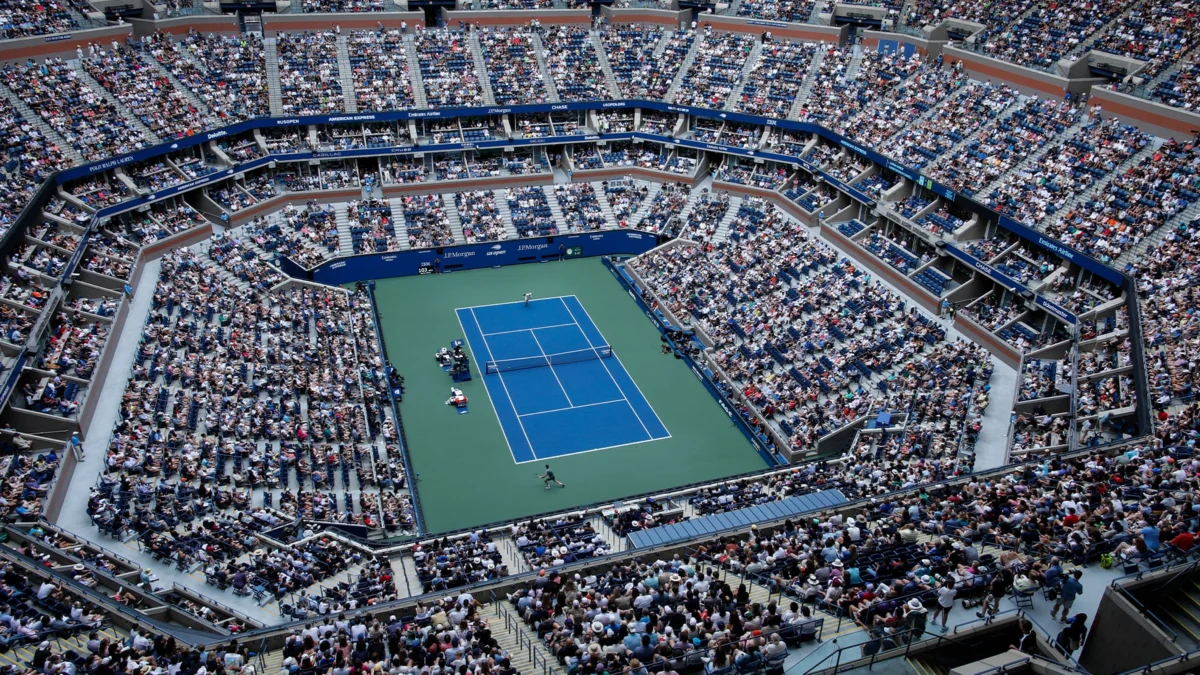
The conclusion of a major global spectacle like the FIFA World Cup merely marks a transition, not an end, to the rich opportunities sporting events present for fashion brands worldwide. Far from a seasonal phenomenon, the nexus between elite athletics and high fashion is a perpetual, evolving dynamic, offering an array of stages for brands to amplify their presence, influence consumer trends, and tap into diverse global audiences. As the sports calendar unfolds, a continuous stream of events — from Grand Slam tennis tournaments and Formula 1 races to the Olympic Games and NBA Finals — provides unparalleled visibility and engagement platforms for a fashion industry increasingly keen on leveraging the emotional resonance and cultural impact of sport.
The Enduring Allure of Sports as a Fashion Runway
The integration of fashion into the sporting arena has evolved significantly from mere functional athletic wear. Today, it encompasses everything from bespoke athlete endorsements and official team kit collaborations to luxury brand activations in VIP lounges and the highly publicized sartorial choices of celebrity spectators. This profound synergy is rooted in shared values of performance, aspiration, and identity. For fashion brands, sports events offer a unique confluence of global media attention, diverse demographic reach, and an authentic backdrop for showcasing innovation, style, and brand ethos. The energy, passion, and spectacle inherent in major sporting contests create an immersive environment where fashion can transcend traditional advertising, becoming an integral part of the cultural conversation.
Historically, the connection began with sportswear brands creating specialized gear for athletes, prioritizing performance and utility. Brands like Adidas and Nike built empires on this foundation, embedding themselves within athletic culture. However, over the past few decades, the landscape has broadened dramatically. High fashion houses, luxury labels, and even streetwear brands have recognized the immense potential of associating with the dynamism and aspirational narratives of sports. This shift signals a fundamental change in how fashion perceives its audience and its role in broader cultural phenomena, moving beyond static runways to dynamic, globally televised events that capture collective attention.
A Calendar of Unrivalled Opportunities: Key Sporting Events
While the World Cup garners immense attention, its conclusion merely clears the field for other major events that offer equally compelling, albeit distinct, opportunities for fashion engagement throughout the year.
-
The Olympic Games: Held every two years (alternating Summer and Winter), the Olympics represent the pinnacle of global athletic competition and a powerful symbol of national pride and unity. For fashion brands, this means opportunities to design official national team uniforms, a highly visible and prestigious role. Brands like Ralph Lauren for Team USA, Giorgio Armani for Italy, and Lacoste for France have consistently showcased sophisticated, often patriotic, collections for opening and closing ceremonies, reaching billions of viewers worldwide. Beyond official attire, individual athletes become global style icons, leading to lucrative endorsement deals for luxury and lifestyle brands. The sheer scale and emotional intensity of the Olympics make it an unparalleled platform for brand storytelling and global recognition.
-
Grand Slam Tennis Tournaments: Events such as the Australian Open, French Open (Roland Garros), Wimbledon, and the US Open, with Arthur Ashe Stadium serving as an iconic venue for the latter, present a unique blend of athleticism, heritage, and refined elegance. Each Grand Slam possesses a distinct character and aesthetic, influencing fashion trends. Wimbledon, with its strict all-white dress code, inspires classic, sophisticated collections, while the US Open often sees more vibrant and contemporary interpretations of tennis wear. Player sponsorships are paramount, with brands like Lacoste, Nike, Adidas, and Uniqlo dressing top athletes, influencing not only on-court fashion but also broader athleisure trends. Furthermore, the spectator fashion at these tournaments, particularly in the VIP boxes, is a significant draw for luxury brands, with attendees often sporting designer ensembles, creating a ripple effect in mainstream fashion.
-
Formula 1 Racing: The high-octane world of Formula 1 has become a major fashion frontier, particularly attracting luxury and streetwear brands. The sport’s global circuit, from Monaco to Abu Dhabi, draws an elite, celebrity-studded crowd, making race weekends a prime networking and display opportunity. Team sponsorships, driver endorsements (e.g., Lewis Hamilton’s significant impact on fashion), and collaborations for merchandise lines are common. Brands often create capsule collections inspired by the speed, precision, and lifestyle associated with F1, blending performance aesthetics with luxury design. The palpable excitement and glamorous atmosphere of F1 races offer a dynamic backdrop for fashion brands seeking to convey sophistication, innovation, and a fast-paced, cutting-edge image.
-
NBA and Basketball Culture: Basketball, especially the NBA, has a profound and undeniable influence on global streetwear and sneaker culture. Player fashion, both on and off the court, sets trends that resonate far beyond sports enthusiasts. Brands like Nike, Adidas, Puma, and New Balance heavily invest in player endorsements, signature shoe lines, and apparel collaborations. The "tunnel walk" pre-game has become a veritable fashion show, with players showcasing their personal style, often featuring high-end designer pieces alongside exclusive sneakers. The league’s global appeal, particularly in markets like China, makes it a critical platform for brands looking to connect with a youth-centric, fashion-forward demographic.
-
Golf Majors: Tournaments like The Masters, The Open Championship, and the PGA Championship, while perhaps perceived as more traditional, offer significant opportunities for brands targeting a classic luxury demographic. The rise of "golfcore" as a fashion trend has seen brands reinterpret traditional golf attire for a broader lifestyle audience. High-end sportswear and heritage brands find a natural fit here, sponsoring players and creating collections that blend performance with understated elegance. The exclusivity and prestige of these events attract a discerning audience, making them ideal for brands focusing on quality, craftsmanship, and timeless style.
Mechanisms of Engagement: How Fashion Brands Capitalize
Fashion brands employ a multifaceted approach to leverage these sporting stages effectively:
- Athlete Endorsements and Collaborations: Beyond simply wearing a brand’s products, athletes like LeBron James, Serena Williams, and Lewis Hamilton are often involved in the design process, creating signature lines that carry significant cultural weight and commercial appeal. These collaborations lend authenticity and aspirational value to the products.
- Official Sponsorships and Uniform Design: Becoming the official outfitter for a national team, league, or specific event confers immense prestige and visibility. This allows brands to showcase their technical prowess in performance wear and their design capabilities in ceremonial attire.
- Limited Edition Collections and Capsule Drops: Timed to coincide with major events, these exclusive releases generate hype, drive immediate sales, and attract media attention. They often blend sporting motifs with high-fashion aesthetics.
- Experiential Marketing and Brand Activations: Creating immersive brand experiences at event venues, such as pop-up shops, VIP lounges, or interactive displays, allows brands to engage directly with consumers and enhance brand perception.
- Digital and Social Media Campaigns: Leveraging the massive online discourse surrounding major sports events, brands launch targeted digital campaigns, utilizing athlete influencers, fan-generated content, and real-time marketing to amplify their presence.
- Luxury Spectator Wear: Brands often cater to the attendees themselves, recognizing that the sidelines and stands are also powerful runways. Curated collections for event-goers, from resort wear for tennis tournaments to sophisticated ensembles for F1 races, tap into a lucrative market segment.
Economic Implications and Market Data
The economic rationale behind this deep integration is compelling. The global sportswear market, valued at approximately $200 billion in 2022, is projected to grow significantly, driven by trends like athleisure and a broader focus on wellness. Within this, the luxury sportswear segment is experiencing particularly robust growth. Brands collaborating with sports events and athletes often see measurable increases in brand awareness, sales, and market share. For instance, a major athlete endorsement can lead to double-digit percentage increases in product sales within specific categories.
Industry analysts, such as those at McKinsey & Company and Business of Fashion, frequently underscore the return on investment (ROI) for brands that strategically engage with sports. The global viewership of events like the Olympics (billions), the Super Bowl (over 100 million in the US alone), and Grand Slam finals (tens of millions globally) translates into unparalleled media exposure. This exposure, combined with the emotional connection sports foster, helps build strong brand loyalty and attracts new consumer segments who might not typically engage with high fashion. The halo effect of associating with peak performance, triumph, and global unity is invaluable for brand equity. Moreover, the fashion choices made by athletes and celebrities at these events often dictate broader consumer trends, leading to increased demand for specific styles, colors, and product categories.
Challenges and the Path Forward
Despite the immense opportunities, brands face challenges. Authenticity is paramount; collaborations must feel genuine rather than opportunistic. Sustainability concerns are also growing, pushing brands to consider the environmental impact of their production processes for large-scale merchandise and event activations. Furthermore, navigating the complex landscape of intellectual property rights and sponsorship agreements requires careful planning.
Looking ahead, the integration of digital technologies will further deepen the fashion-sport nexus. The metaverse, NFTs, and virtual fashion experiences linked to sporting events offer new avenues for engagement and monetization. Personalization, driven by data analytics, will allow brands to offer highly tailored products and experiences. The blurring lines between performance wear and everyday fashion, accelerated by the athleisure trend, suggests a future where sports-inspired aesthetics continue to permeate mainstream style. Industry executives anticipate an increased focus on cross-industry collaborations, bringing together technology, entertainment, and fashion alongside sports, creating even more dynamic and immersive brand narratives.
In conclusion, while the roar of the World Cup stadium may fade, the global sports calendar continues to turn, presenting an ongoing, dynamic series of platforms for fashion brands. These events are far more than just competitions; they are powerful cultural moments that offer unparalleled opportunities for brands to connect with audiences, drive trends, and reinforce their identity on a truly global stage. The strategic embrace of these diverse sporting spectacles remains an indispensable component of any forward-thinking fashion brand’s global strategy, ensuring that the symbiotic relationship between sport and style continues to evolve and flourish.
