
 By Nila Kartika Wati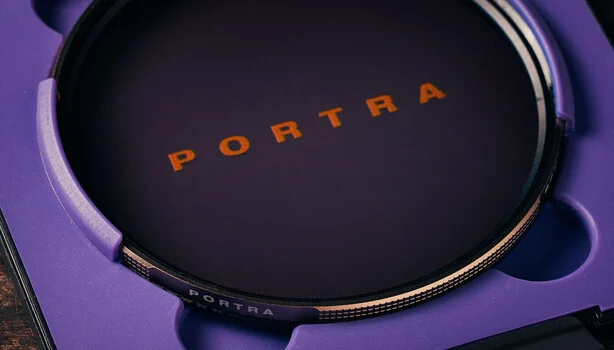
Six months ago, PolarPro introduced its new Portra filter to the photography market, claiming it was "Inspired by the look and feel of Portra 400 film… blending color tone, diffusion, and glare reduction into one optical filter for a finished look." This assertion immediately sparked widespread debate within the photography community, with many observers, including early reviewers, noting a significant discrepancy between the filter’s output and the authentic aesthetic of Kodak Portra 400 film. The initial marketing, which at times suggested a more direct emulation, has since been subtly rephrased on PolarPro’s website to emphasize "inspiration," reflecting the nuanced discussions that have unfolded since its release. This article delves into the filter’s technical specifications, its practical application, and its place within the broader trend of digital photographers seeking to replicate analog film aesthetics.
The Enduring Allure of Portra 400 and the "Film Look" Phenomenon
Kodak Portra 400, a medium-speed color negative film, has long been revered by professional photographers for its fine grain, wide exposure latitude, and particularly its ability to render natural and pleasing skin tones. Originally designed for portraiture, weddings, and fashion photography, its characteristic soft contrast, muted color palette, and subtle warmth, especially when slightly overexposed, have solidified its status as a benchmark for a certain "romanticized" aesthetic.
In recent years, the digital photography landscape has witnessed a resurgence of interest in film aesthetics. This "film look" phenomenon is driven by a desire to introduce organic imperfections, nuanced color shifts, and a perceived "soul" often absent from the clinically sharp, color-accurate output of modern digital cameras. Social media platforms, particularly Instagram, have played a pivotal role in popularizing this trend, with influencers frequently showcasing images captured on film cameras or processed with film-like presets. Portra 400, with its forgiving nature and aesthetically pleasing results, has become a cornerstone of this digital nostalgia, leading to a proliferation of presets, LUTs, and now, physical filters designed to mimic its unique characteristics.
PolarPro’s Entry: Promises and Initial Public Scrutiny
PolarPro, a well-established manufacturer of camera filters and accessories, positioned its Portra filter as a comprehensive solution for achieving this coveted film look directly in-camera. The company’s marketing highlighted three core components: a custom color tone, white mist diffusion, and a chroma polarizer, promising "warm highlights, natural skin tones, and controlled unwanted glare."
However, upon the filter’s initial announcement and the release of promotional materials, including sample images and marketing videos, a wave of skepticism swept through online photography forums and review platforms. Many seasoned photographers, intimately familiar with Portra 400 film, contended that the filter’s output, particularly its color rendition and overall mood, did not align with their experience of the actual film. The divergence of opinion centered largely on the filter’s interpretation of "Portra style," leading to a critical examination of its constituent technologies.
Deconstructing the PolarPro Portra Filter’s Core Components
To understand the debate surrounding the filter, it is essential to analyze its three main design elements:
White Mist Diffusion
Modern digital lenses are engineered for maximum sharpness, clarity, and contrast, often producing images that possess an almost clinical, hyper-realistic quality. While technically impressive, this can sometimes result in a "digital edge" that lacks the subtle imperfections and softer transitions often associated with older, vintage lenses or film photography. Diffusion filters, such as mist or black mist filters, are widely employed to mitigate this digital sharpness, creating a more ethereal, dreamlike quality by subtly scattering light.
The PolarPro Portra filter incorporates a "white mist" diffusion. Unlike traditional "black mist" filters, which typically use black particles to soften highlights while largely preserving deeper shadow areas, white mist filters utilize white particles. These white particles scatter light more broadly across the entire image, softening highlights but also tending to lift and lighten darker shadow areas. The theoretical advantage of white mist is its potential to create a lighter, airier, and more "dreamy" aesthetic due to its pervasive light-scattering properties.
In practical application, the distinction between white and black mist filters can be subtle in many daytime scenarios, particularly under uniform lighting. The unique characteristics of each type of diffusion become more pronounced when shooting directly into bright light sources, where the haloing and softening effects on highlights, and the treatment of shadows, are most evident. The reviewer, having used various mist filters for years, affirmed the general utility of diffusion for softening the digital edge but pointed out that the specific "white mist" effect might not always be dramatically different from other diffusion types in typical daytime conditions, reserving its distinctiveness for challenging high-contrast situations.
Chroma Polarizer
The inclusion of a "chroma polarizer" within the Portra filter has been a point of particular contention. Polarizing filters traditionally function by blocking specific wavelengths of light, primarily those reflecting off non-metallic surfaces like water, glass, or foliage. This action reduces glare, enhances color saturation, and deepens blue skies, thereby increasing overall contrast.
However, Portra 400 film is celebrated precisely for its low contrast, light pastel colors (especially when overexposed), and often softer, desaturated rendition of blue skies, which frequently appear closer to an aqua hue. The fundamental nature of a polarizer — to add contrast and punch to colors — appears to contradict the very aesthetic tenets of Portra film. Critics have questioned the rationale behind integrating a feature that inherently works against the film stock it purports to emulate. The reviewer expressed similar confusion, noting that Portra film itself does not eliminate glare and its aesthetic is characterized by a lack of the saturated, high-contrast look that a polarizer typically delivers. This component, while undoubtedly useful for glare control in general photography, deviates significantly from a faithful Portra simulation.
Warm Tint
The third major component is a pronounced warm tint. The filter imparts a distinct warm cast across the entire image. This feature has also drawn criticism, with some photographers expressing concern about the difficulty of correcting such a strong color shift in post-production.
The reviewer, however, found this concern largely unfounded, particularly when shooting in raw format. Through controlled tests using both auto white balance and a custom 5,500 K Kelvin setting, it was demonstrated that the strong warm tones introduced by the filter could be easily neutralized or adjusted in raw editing software.
While Portra film can exhibit a subtle warmth, particularly in warmer color tones like yellows, oranges, and reds, this warmth is typically localized and less pervasive than the overall cast produced by the PolarPro filter. The film’s warmth is often a nuanced characteristic rather than a dominant, image-wide shift. Despite this difference, the reviewer acknowledged a personal preference for warmer travel photos, suggesting that the filter’s strong warm tint, while not perfectly mimicking Portra, could be desirable for certain photographic styles and easily managed in post-processing.
Empirical Testing: Film vs. Filtered Digital vs. Edited Digital
To provide a concrete comparison, the reviewer conducted a rigorous experiment on England’s southeast coast. This involved shooting identical scenes with a Nikon Z6III digital camera equipped with the PolarPro Portra filter, a Nikon EL2 film camera loaded with Portra 400 film, and the digital camera without any filter. A vintage manual focus Nikon AI-S 50mm f/1.8 lens was used on both cameras to minimize lens-induced variations. Additionally, a fourth set of images was created by editing the unfiltered digital files to achieve a "film-like" appearance in post-production.
The comparative results clearly illustrated the discrepancies:
- Portra Film: Exhibited its characteristic fine grain, nuanced color, and specific handling of highlights and shadows, heavily influenced by exposure and scanning. The reviewer noted that their Portra film shots did not align with the often-romanticized, heavily overexposed pastel look prevalent on social media, suggesting a more natural, less manipulated output.
- Digital, No Filter: Demonstrated the typical sharpness, clarity, and neutral color rendition of a modern digital sensor and lens combination.
- Digital, PolarPro Portra Filter: Showcased a clear warm cast, softened highlights, and a noticeable diffusion effect. The colors, while warm, did not perfectly match the Portra film, and the polarizer’s influence on blue skies was distinct from the film’s softer rendering.
- Digital, No Filter, Edited "Film-Like": This category highlighted the significant control and versatility offered by post-processing, demonstrating that a skilled editor could manipulate digital files to achieve a broad range of film-like aesthetics, often surpassing the in-camera results of a single filter.
The Elusive "Definitive Portra Look" in the Digital Age
The reviewer’s experiment underscored a crucial point: the concept of a "definitive Portra look" is, in itself, subjective and highly variable, especially in the digital era. The final appearance of an image shot on Portra 400 film is not solely determined by the film stock itself. It is profoundly influenced by:
- Exposure: Underexposed Portra yields richer, deeper colors, while overexposed Portra (a common technique among influencers) produces the softer, pastel tones often associated with the "Portra look" on social media.
- Development Process: Chemical variations can subtly alter results.
- Scanning Equipment and Settings: The choice of scanner (e.g., Noritsu, Frontier, drum scanner) and the operator’s settings for color correction, contrast, and sharpening significantly shape the digital file derived from the film negative.
- Post-Processing: Many film photographers further refine their scanned files in digital editing software.
Given these variables, any single filter attempting to replicate "the" Portra look faces an inherent challenge of universality. The "romanticized Portra look" prevalent on social media, often characterized by overexposure and subsequent digital enhancement, differs considerably from a more standard, correctly exposed and scanned Portra negative.
The "Portra Trend": Influencers, Accessibility, and Market Response
The current fascination with Portra film, particularly for travel and lifestyle photography, is intrinsically linked to the influence of social media. While Portra 400 was originally optimized for natural skin tones in portraiture, its adoption by lifestyle influencers has broadened its application. The film’s remarkable exposure latitude – its ability to yield pleasing results even when significantly overexposed – makes it incredibly forgiving for less experienced photographers. This ease of use, coupled with the aesthetically pleasing, often pastel-toned results from overexposure, has cemented its status as a "cool" choice for those wanting to dabble in film photography without mastering intricate exposure techniques.
This trend has created a fertile market for products that promise to deliver the "Portra look" digitally. The proliferation of Portra-inspired presets by YouTube photographers and the emergence of physical filters like PolarPro’s are direct responses to this consumer demand. The market is saturated with tools catering to a specific aesthetic that, ironically, often involves a deliberate manipulation of the film’s intended characteristics.
Community Feedback: Pros and Cons of the Filter
Discussions across various photography platforms reveal a mixed reception to the PolarPro Portra filter, highlighting both perceived advantages and disadvantages:
The Pros: Efficiency and Aesthetic Foundation
- Time-Saving: Advocates praise the filter for its ability to reduce post-processing time. For photographers who appreciate the specific warm, diffused look it produces, the filter delivers a strong aesthetic foundation directly in-camera, minimizing the need for extensive color grading or diffusion application in editing.
- Harsh Light Management: Many users report that the filter effectively tames harsh midday lighting, softening bright areas and contributing to a pleasing highlight roll-off. The warm cast is often seen as an advantage in these scenarios, enhancing the overall mood.
The Cons: Authenticity and Digital Alternatives
- Lack of Authenticity: The most significant criticism remains that the filter does not genuinely replicate the complex chemical and optical characteristics of Portra film. Detractors argue that a piece of glass interacting with a digital sensor cannot fully mimic the nuanced effects of film emulsion.
- Redundancy with Post-Processing: A common argument is that any "film look" achievable digitally can be accomplished through post-processing software without the need for an additional physical filter. This perspective emphasizes the flexibility and control offered by editing raw files.
Reviewer’s Long-Term Assessment and Conclusion
After over six months of consistent use, the reviewer offered a nuanced and largely positive assessment of the PolarPro Portra filter, albeit with a clear distinction between its marketing claims and its actual utility. The reviewer emphasized a personal preference for creating a "film look" digitally, often achieved through vintage lenses. When vintage lenses are impractical, a mist filter on a modern, clinically sharp lens becomes "essential."
The filter’s individual components were evaluated:
- White Mist: Deemed "essential" for mitigating the harshness of modern lenses, aligning with the reviewer’s long-standing practice of using diffusion filters.
- Chroma Polarizer: While acknowledged as not contributing to a genuine Portra look due to its contrast-enhancing properties, it was recognized as "incredibly useful" for general glare control, offering a practical benefit irrespective of the film emulation goal.
- Warm Tint: The reviewer expressed a personal liking for the warm aesthetic, particularly for travel photography, and reiterated that shooting in raw provides ample flexibility to adjust the warmth in post-processing.
Crucially, the reviewer confirmed that the filter does not recreate the Portra film look, directly challenging earlier marketing assertions (such as "emulating the Portra 400 film look" from PolarPro’s YouTube videos). The shift in PolarPro’s website language to "inspired by" is seen as an acknowledgment of this reality.
Despite failing to deliver on the promise of true Portra film emulation, the reviewer concluded that the combination of its three elements results in a "really nice filter" for travel and lifestyle photography. It offers a distinct aesthetic that many photographers will appreciate, even if it’s not a direct film replica.
Market Alternatives and Broader Implications
PolarPro itself offers alternatives for photographers seeking specific creative effects. Their CineGold filter provides a mist effect with gold particles, warming only the brightest areas for a pleasing look. The recently released Goldstache filter combines CineGold’s characteristics with a polarizer, offering a close alternative to the Portra filter but allowing photographers to apply warm tinting in post-production rather than in-camera.
The PolarPro Portra filter’s journey from initial marketing to long-term review highlights a broader trend in the photography industry: the ongoing quest to bridge the gap between analog and digital aesthetics. While replicating the complex chemical processes of film with a piece of glass and a digital sensor remains a formidable challenge, products like the Portra filter offer valuable creative tools. They may not deliver perfect emulation, but they provide distinct in-camera effects that can inspire new photographic styles and streamline workflows.
Ultimately, the PolarPro Portra filter, rated 8.5/10 by the reviewer, demonstrates that a product can be highly effective and well-received based on its functional benefits, even if it falls short of its ambitious marketing claims for aesthetic replication. It serves as a testament to the diverse and evolving needs of digital photographers seeking to infuse their work with character and mood.
