
 By admin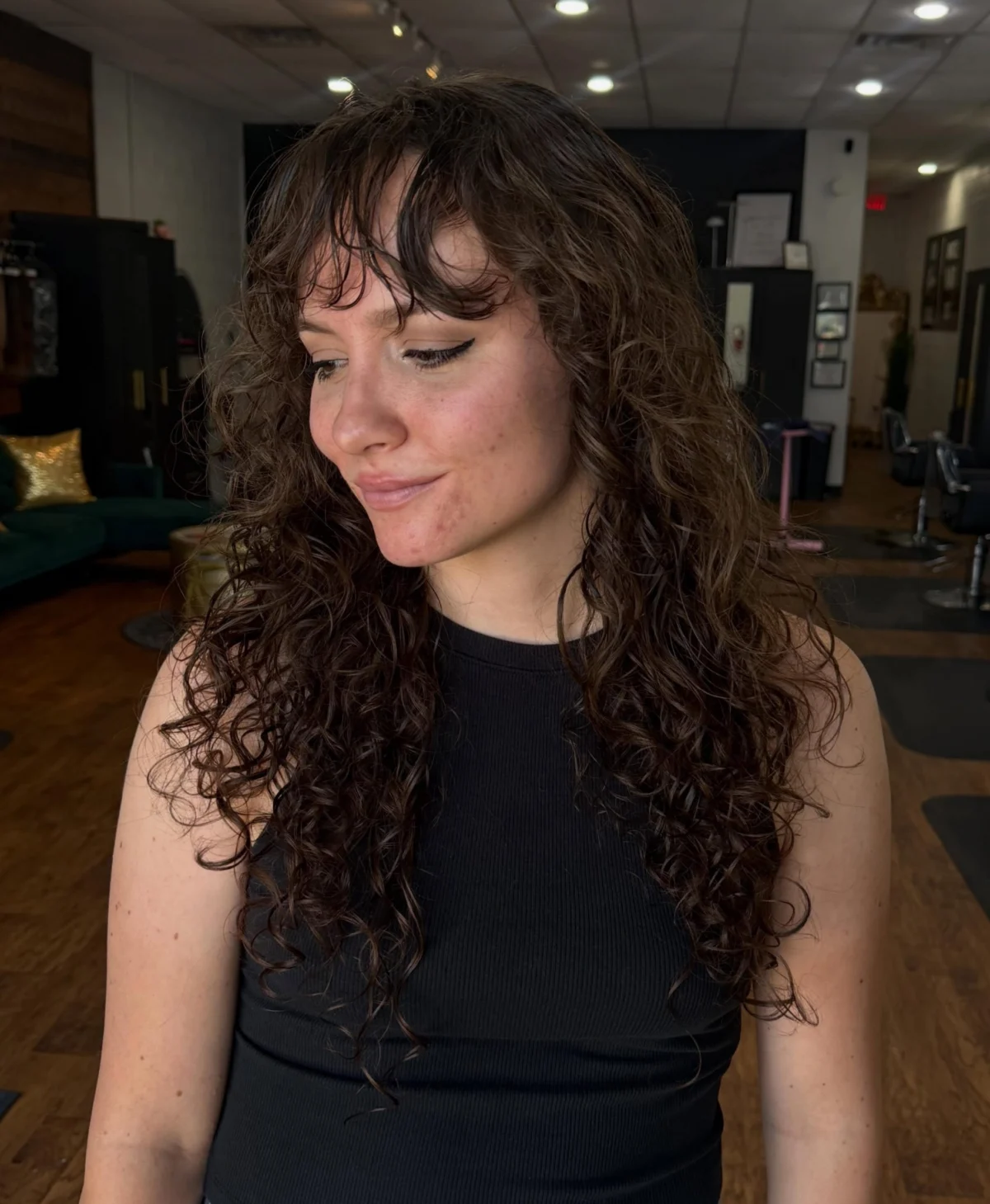
The cultural influence of television on fashion and beauty trends is a well-documented phenomenon, with iconic hairstyles often transitioning from the silver screen to real-world salon requests. From the revolutionary "Rachel" cut that defined an era in the 1990s to more recent trends inspired by characters like Topanga Lawrence and Carolyn Bessette-Kennedy, popular culture continues to shape our aesthetic choices. The latest sartorial sensation to capture public attention is the "Off Campus" haircut, specifically sported by the character Allie Hayes. This particular style has rapidly become a focal point of discussion within the beauty industry and among consumers, prompting a closer examination of its defining characteristics, appeal, and suitability for various hair types.
The Resurgence of Textured, Effortless Style
The current popularity of the Off Campus haircut can be understood as a significant departure from the prevailing polished aesthetic that has dominated social media and celebrity styling for the past several years. For an extended period, the beauty landscape was characterized by sleek buns, meticulously laminated edges, glossy blowouts, and the assertive use of strong-hold styling gels. These looks emphasized control, uniformity, and an almost hyper-real smoothness. In stark contrast, the Off Campus haircut represents a deliberate pivot towards a more organic, free-spirited approach to hair.
This style is distinguished by its inherent volume, dynamic movement, and a cascade of fluffy, texturized bangs that eschew an overly processed or artificial appearance. The emphasis is on embracing natural texture rather than attempting to suppress or alter it. The strategic layering within the Off Campus cut is designed to enhance and encourage the natural tendencies of waves and curls, allowing them to spring forth and create a shape that is both lively and defined. This approach offers a refreshing counterpoint to the years many have spent diligently trying to tame their natural hair texture, and it has been met with a palpable sense of liberation and permission to celebrate one’s innate hair characteristics.

Social media commentary reflects this sentiment. For instance, user @citygirlcr8ive shared on Instagram, "Truly have never asked for my natural hair texture to be styled before – thank you Allie Hayes and the Off Campus hair and makeup team for giving me the confidence to wear my natural wavy hair more often!!" This quote encapsulates the broader feeling of empowerment associated with the trend, suggesting it resonates with individuals seeking a more authentic and less labor-intensive beauty routine.
Furthermore, the Off Campus haircut achieves a compelling balance between a soft, romantic finish and a structured silhouette. While the tousled appearance might evoke a sense of carefree charm, the haircut’s underlying architecture is robust. This structural integrity is achieved through the deliberate inclusion of dense bangs that frame the face, shorter layers concentrated around the crown to provide lift and volume, and a strong, well-defined perimeter. This combination ensures that the style maintains its shape and impact, even with its inherent softness.
Deconstructing the "Off Campus" Cut: Key Features
At its core, the Off Campus haircut is an elevated and intensified version of the classic shag. The technique involves creating substantial layers, with a particular focus on the upper sections of the head. These concentrated layers are meticulously blended into longer lengths, ensuring the overall impression of fullness and body without appearing weighed down. A hallmark of this style is its dense fringe, designed to artfully frame the eyes, while the front sections are cut to a length that gracefully grazes the cheeks, contributing to a flattering facial contour.
Crucially, the Off Campus cut differentiates itself from other layered styles, such as the wolf cut, by maintaining a strong outline rather than tapering into wispy or fragmented ends. This robust perimeter is instrumental in defining the haircut’s signature, impactful shape. The visual result is a style that possesses both volume and a cohesive structure.

The ideal candidates for this haircut often possess medium to thick hair, particularly those with natural waves, curls, or coils. These textures are naturally inclined to complement the layering, allowing the cut to come to life with inherent bounce and definition. However, individuals with straight hair can also achieve this look, though it typically requires a greater degree of styling effort to replicate the airy, textured finish. This might involve the use of specific styling products or thermal tools to introduce the desired movement and volume.
An often-overlooked benefit of the Off Campus haircut is its versatility when styled up. Ponytails, messy buns, and half-up styles retain the flattering impact of the fringe and face-framing layers, proving that the cut offers practical styling options beyond its unstyled appearance. This adaptability adds to its appeal for individuals with active lifestyles or those who require their hairstyle to transition seamlessly between different settings.
Navigating Potential Challenges and Considerations
While the Off Campus haircut offers significant aesthetic advantages, certain hair types and individual preferences may present challenges. The pronounced layering, while beneficial for creating volume, can be overwhelming for individuals with very fine hair. In such cases, the significant removal of weight associated with the cut could lead to a loss of fullness at the ends, potentially resulting in a stringy or diminished appearance. For those with naturally low-density hair, careful consultation with a stylist is recommended to ensure the layering is adapted to maintain optimal volume and avoid thinning.
For individuals with straight hair, achieving the signature textured, voluminous look of the Off Campus haircut often necessitates additional styling. Products such as volumizing mousse, texture sprays, or the strategic use of curling irons may be required to introduce the characteristic bends and airy finish. Without this styling intervention, straight hair might not fully exhibit the dynamic movement that defines the cut.

The bangs, a prominent feature of Allie Hayes’s Off Campus style, are often styled meticulously for on-screen appearances. This implies that replicating the polished look of the fringe may require a daily commitment to styling, potentially involving a blow dryer and a round brush. For those who prefer a lower-maintenance approach to their fringe, this aspect of the cut warrants consideration. It is important for clients to understand that the on-screen portrayal of the hairstyle often reflects professional styling that may not be easily replicated in a daily routine.
Recognizing this, stylists are increasingly adapting the Off Campus haircut to accommodate a wider range of preferences. For individuals who are drawn to the overall silhouette but not the fringe, variations featuring longer, face-framing layers are being developed. These modifications allow for a similar stylistic effect while bypassing the styling demands of a shorter, denser bang. This adaptability underscores the trend’s flexibility and its capacity to be personalized.
Styling and Maintenance for Optimal Results
Achieving and maintaining the Off Campus haircut’s desired aesthetic relies on appropriate styling techniques tailored to different hair textures. For individuals with natural texture, the styling process can begin with a leave-in conditioner to ensure hydration and manageability, followed by a curl cream or mousse. These products should be scrunched into damp hair to encourage the formation of curls and waves. A diffuser attachment on a hairdryer can be used to expedite the drying process, aiming for hair that is almost dry before allowing it to air dry completely. A final application of texture spray can further enhance volume, particularly around the crown, to achieve a fuller, more dynamic look.
For those with straight hair, the approach involves a slightly different set of steps. A volumizing mousse applied before blow-drying can provide a foundation for lift. To create the characteristic movement, loose bends can be incorporated using a curling iron, with alternating directions to avoid a uniform, artificial appearance. Once cooled, these bends should be gently separated with the fingers, followed by a light mist of texture spray. The objective is not to create perfectly defined curls but rather to introduce softness and movement that imbues the haircut with its signature liveliness.

Broader Implications and Industry Reactions
The emergence of the Off Campus haircut signifies a broader shift in beauty ideals, moving away from the previously dominant ultra-sleek and meticulously controlled aesthetics. This trend reflects a growing appreciation for individuality, natural texture, and styles that convey a sense of ease and authenticity. The beauty industry, always attuned to evolving consumer desires and cultural influences, has responded positively to this shift.
Reports from salon booking platforms and social media analytics indicate a significant increase in searches and inquiries related to layered haircuts, shags, and textured styles since the popularization of the Off Campus look. Stylists are reporting a surge in clients requesting inspiration photos of Allie Hayes’s hairstyle, demonstrating its direct impact on salon bookings and service requests. This trend is not merely a fleeting fad but suggests a more enduring recalibration of what is considered desirable in hair styling.
The implications of this trend extend beyond individual style choices. It encourages a more inclusive approach to hair care, celebrating the diversity of natural textures and offering styling solutions that work with, rather than against, inherent hair characteristics. Furthermore, it prompts a re-evaluation of beauty standards, emphasizing personal expression and confidence derived from embracing one’s natural attributes.
For those contemplating a significant hair transformation, the availability of virtual hairstyle try-on tools, such as those offered on platforms like The Right Hairstyles, provides a valuable resource. These digital tools allow individuals to visualize how the Off Campus haircut might appear on them before committing to a salon appointment. This technological integration enhances the decision-making process, bridging the gap between inspiration and execution, and ensuring clients can make informed choices about their desired look. The widespread adoption and adaptation of the Off Campus haircut suggest it is poised to remain a prominent and influential style for the foreseeable future, shaping hair trends and inspiring a generation to embrace their natural beauty.
