
 By admin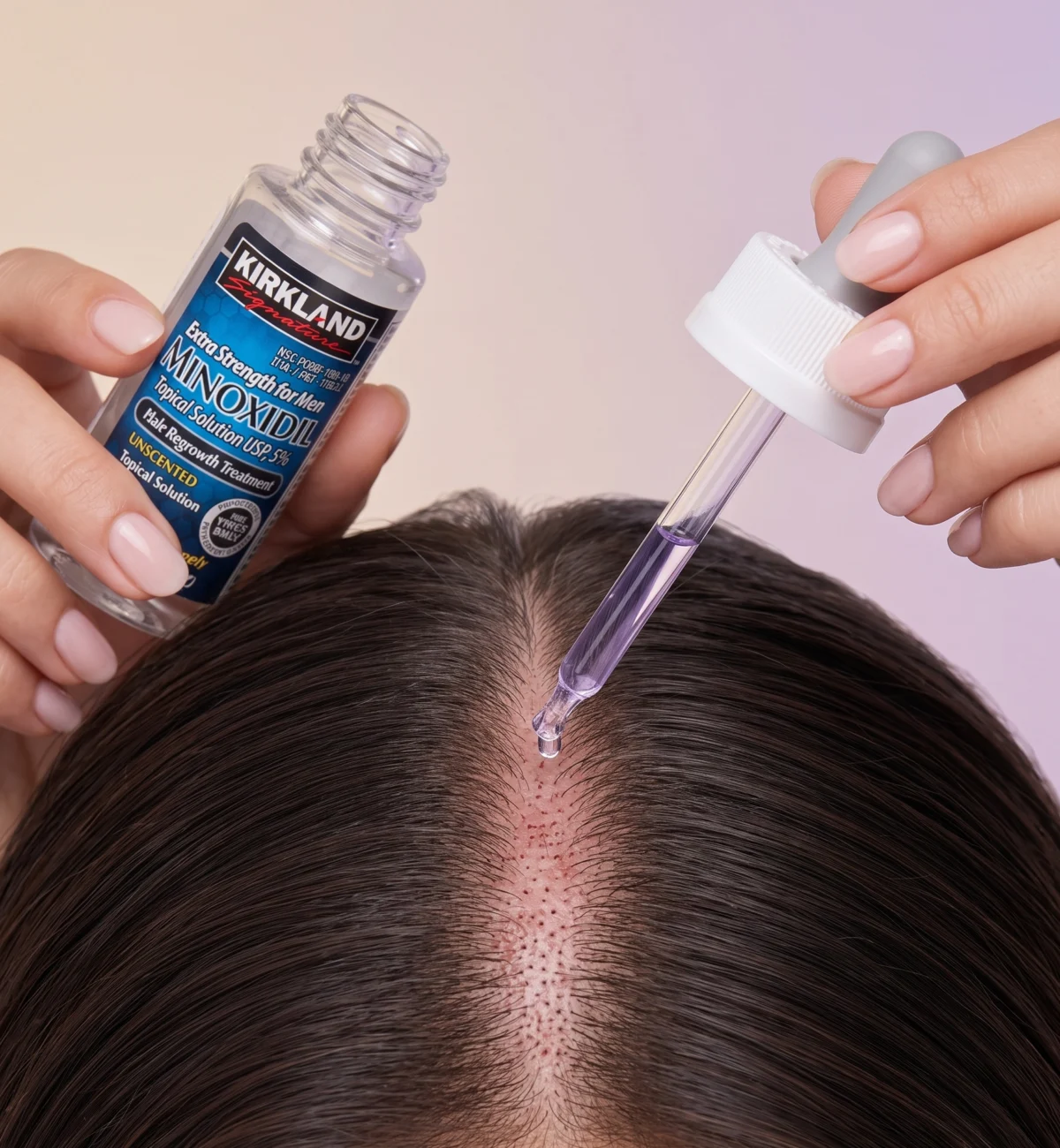
Microneedling, a dermatological technique involving the controlled creation of micro-injuries to the scalp, is emerging as a scientifically-backed intervention for hair regrowth, particularly when used in conjunction with established treatments like minoxidil. Unlike many anecdotal remedies, microneedling possesses a growing body of clinical evidence demonstrating its efficacy in stimulating hair follicle activity and enhancing hair density and thickness. This article delves into the scientific underpinnings of microneedling for hair growth, explores its practical application, compares it with alternative scalp treatments, and outlines safety considerations for at-home use.
The Biological Mechanism: Triggering the Scalp’s Healing Cascade
The principle behind microneedling for hair growth lies in harnessing the body’s innate wound-healing response. When fine needles, typically ranging from 0.25mm to 1.5mm in length, traverse the scalp, they create thousands of microscopic punctures. These micro-injuries are perceived by the skin as trauma, initiating a cascade of biological processes aimed at repair and regeneration.
Central to this process is the release of various growth factors and signaling molecules. Platelet-derived growth factors (PDGF) and vascular endothelial growth factor (VEGF) are among the key players. These factors are crucial in promoting cell proliferation, differentiation, and the formation of new blood vessels (angiogenesis). In the context of the scalp, these growth factors can invigorate dormant hair follicles, pushing them from a resting (telogen) phase into an active growth (anagen) phase. Furthermore, improved blood flow to the dermal papilla, the critical structure at the base of the hair follicle responsible for hair production, is facilitated, thereby enhancing the follicle’s capacity for generating new hair.
Beyond growth factor release, the micro-channels created by needling serve a secondary, yet vital, function. They significantly enhance the percutaneous absorption of topical treatments applied immediately after the procedure. This is particularly relevant for minoxidil, a well-established topical medication for hair loss. Studies indicate that minoxidil applied to skin that has undergone microneedling is absorbed more efficiently, allowing the active ingredient to penetrate deeper into the scalp and reach the hair follicles more effectively. This synergistic effect is a cornerstone of microneedling’s success in hair regrowth protocols.
Clinical Evidence: A Growing Body of Research
The scientific validation for microneedling in hair growth is not merely theoretical; it is supported by a series of clinical trials, many of which highlight its superiority when combined with minoxidil.
A pivotal pilot study, published in the Indian Journal of Dermatology (2013), investigated the efficacy of weekly microneedling sessions combined with twice-daily minoxidil application in 100 men suffering from androgenetic alopecia. After a 12-week treatment period, the group receiving the combined therapy demonstrated a statistically significant greater increase in hair count compared to the control group that used minoxidil alone. This improvement was observed across multiple assessment metrics, including both patient and investigator evaluations, underscoring the tangible benefits of the combined approach.
Further corroboration came from a randomized, single-observer, blinded trial published in the Journal of Cosmetic Dermatology (2019). This study also concluded that the combination of weekly microneedling and minoxidil yielded superior results in terms of hair count and patient satisfaction when contrasted with minoxidil monotherapy. While the researchers noted that the improvement, though significant, might not be considered dramatically cosmetic on its own, it represented a meaningful step forward for individuals experiencing hair thinning.

A more recent randomized controlled trial, appearing in the Journal of Cutaneous and Aesthetic Surgery (2023), provided even more compelling data. This study found that four weekly microneedling sessions, when added to a minoxidil regimen, resulted in nearly double the hair density observed with minoxidil alone. Crucially, the trial also reported a measurable increase in hair shaft diameter, suggesting that microneedling not only promotes the growth of more hair but also contributes to thicker, more robust strands.
Extending this evidence base, a network meta-analysis comparing various minoxidil combination therapies, published in Dermatologic Surgery (2021), specifically identified microneedling as the most effective adjunct therapy for women experiencing hair loss. This finding is particularly noteworthy, as it highlights the broad applicability and potent synergy of microneedling across different demographics.
The consistent pattern emerging from these studies is unequivocal: while microneedling may offer some benefit when used in isolation, its true potential for hair regrowth is unleashed when integrated with minoxidil. This synergistic relationship is a critical takeaway for individuals considering this treatment modality.
Differentiating the Tools: Rollers, Pens, and Professional Devices
The application of microneedling can vary in intensity and precision, largely dependent on the device used. Understanding these differences is key to selecting the appropriate tool for at-home or professional use.
-
Manual Derma Rollers: These are handheld devices covered with a multitude of fine needles. They are generally the most affordable and accessible option for home use, suitable for beginners. Needle depths typically range from 0.25mm to 1.5mm. However, achieving consistent pressure and uniform coverage across the scalp can be challenging with manual rollers due to the variability in hand application.
-
Electric Microneedling Pens: These devices offer a more consistent application of needle depth, typically adjustable between 0.25mm and 1.0mm. The vibrating motion of the pen helps ensure even penetration. While they represent a higher upfront investment, electric pens can facilitate more uniform and predictable treatment sessions for home users.
-
In-Office Electrodynamic Devices: Performed by dermatologists or trained aestheticians, these professional-grade devices can utilize deeper needle lengths, sometimes up to 2.5mm. They are often employed for more persistent or advanced cases of thinning. These treatments are frequently combined with specific topical solutions administered during the session, further enhancing their efficacy.
For at-home use, the consensus from clinical research leans towards manual derma rollers or electric pens with needle lengths between 0.5mm and 1.0mm, used on a weekly basis. Deeper needles or more frequent usage without professional guidance can increase the risk of adverse effects.

A Safe and Effective At-Home Microneedling Routine
Implementing a safe and effective at-home microneedling routine is paramount to maximizing benefits while minimizing risks. The following step-by-step guide, informed by clinical protocols, outlines the process:
Step 1: Preparation is Key
Before beginning, ensure your scalp is clean and dry. Critically, the derma roller or pen must be thoroughly disinfected. This typically involves soaking the needle head in 70% isopropyl alcohol for at least 10 minutes prior to each use. Following this, section the hair to expose the scalp area targeted for treatment, usually the crown and frontal hairline where thinning is most noticeable. This meticulous hygiene protocol is essential to prevent the introduction of bacteria into the micro-punctures, thereby mitigating the risk of infection.
Step 2: Strategic Rolling Technique
Utilize light to moderate pressure when rolling. The objective is to achieve mild, even redness across the treated area, indicative of stimulated blood flow, not to cause significant bleeding. For each section of the scalp, roll the device in four distinct directions: vertically, horizontally, and along both diagonals. Perform four to six passes in each direction. Overly aggressive pressure is a common mistake, as it can lead to increased bleeding, prolonged downtime, and potential scarring without yielding superior hair growth results.
Step 3: Immediate Minoxidil Application
This is arguably the most critical step for enhancing efficacy. Immediately after completing the rolling process, apply your topical minoxidil solution or foam directly to the scalp. The micro-channels created by the needling are at their most receptive, allowing for significantly improved absorption of the active ingredient. Allow the minoxidil to dry completely before styling your hair or lying down to prevent product transfer and maximize its contact time with the scalp.
Step 4: Post-Treatment Care and Consistency
After application and drying, clean the microneedling device thoroughly with soap and water, followed by another disinfection with isopropyl alcohol, and store it dry. The entire microneedling process, including minoxidil application, should be repeated once weekly. More frequent sessions do not appear to accelerate follicle response and can compromise the skin’s barrier function and healing capacity. Consistency is key; adhere to the weekly schedule for optimal outcomes.
Managing Expectations: The Timeline for Results
It is vital to understand that hair growth is a slow biological process, governed by distinct growth cycles. Consequently, immediate results from microneedling should not be expected. Clinical trials typically measure significant improvements at intervals of 12 to 24 weeks, not days or weeks.
Individuals embarking on this treatment should commit to at least three months of consistent, weekly sessions before evaluating its effectiveness. To objectively track progress, it is advisable to take standardized photographs of the same scalp area under consistent lighting conditions every few weeks. Gradual changes in hair density can be subtle and difficult to discern through daily observation.
Normal post-treatment sensations include mild scalp tenderness and a faint redness that typically subsides within a few hours. Persistent pain, pus discharge, or redness lasting beyond two days are atypical and warrant discontinuing the treatment and consulting a dermatologist.

Furthermore, addressing potential underlying nutritional deficiencies can complement microneedling. Reviewing vitamin deficiencies linked to hair loss and rectifying any identified imbalances can lead to more robust outcomes when combined with microneedling.
Microneedling in the Landscape of Hair Growth Treatments
Microneedling occupies a strong evidentiary position within the realm of at-home hair growth interventions. Compared to other trending methods, its scientific backing is more substantial.
-
Scalp Massagers: Devices designed to stimulate blood flow through massage have shown some promise, with small studies indicating potential increases in hair thickness from consistent daily use. However, their mechanism relies on improved circulation rather than the controlled micro-injury approach of microneedling.
-
The Inversion Method: This technique, which involves tilting the head downwards to increase blood flow to the scalp, operates on a similar principle of enhanced circulation. However, it currently lacks the rigorous, controlled trial data that supports both scalp massage and microneedling.
When comparing in-clinic procedures, scalp mesotherapy injections offer an alternative. This method involves injecting a cocktail of vitamins, minerals, and medications directly into the scalp. While it bypasses the need for topical absorption channels, the evidence base supporting mesotherapy for hair growth is generally considered thinner and less robust than that for microneedling when combined with minoxidil.
For a comprehensive overview of medically recognized hair regrowth treatments, including minoxidil, finasteride, and platelet-rich plasma (PRP) therapy, further detailed analyses are available, offering in-depth comparisons of their mechanisms, efficacy, and potential side effects.
Contraindications and Precautions for Microneedling
While generally safe when performed correctly, microneedling is not suitable for everyone. Individuals with active scalp infections, flare-ups of psoriasis or eczema in the treatment area, a history of keloid scarring, or those taking anticoagulant medications should avoid microneedling or consult a dermatologist prior to proceeding.
Microneedling is also not the primary intervention for hair loss patterns that suggest hormonal or autoimmune causes, such as a rapidly widening part line or sudden patchy shedding. In such cases, accurate diagnosis by a medical professional is essential before initiating any topical or mechanical treatment. Pregnant individuals should consult their obstetrician before using minoxidil, as it is generally advised against during pregnancy.

Frequently Asked Questions About Microneedling for Hair Growth
How often should I use a derma roller for hair growth?
Clinical trials consistently demonstrate efficacy with once-weekly application. More frequent use can overwhelm the scalp’s healing capacity and increase the risk of irritation or compromised skin barrier function.
What needle length is optimal for hair growth?
Needle lengths between 0.5mm and 1.0mm are most commonly used in studies showing positive results for hair growth. Longer needles (beyond 1.5mm) are generally reserved for professional settings due to increased risks of bleeding, scarring, and infection.
Can microneedling be used without minoxidil?
While some studies suggest modest benefits from microneedling alone, the vast majority of research indicates that the combination with minoxidil yields significantly superior results. Omitting minoxidil means potentially forfeiting a substantial portion of the treatment’s efficacy.
Is microneedling safe for colored or chemically treated hair?
Yes, microneedling targets the scalp’s dermal layer and does not directly interact with the hair shaft. Therefore, it is safe for individuals with color-treated or chemically processed hair. However, it is advisable to avoid microneedling immediately after chemical treatments like perms or relaxers until any scalp irritation has fully resolved.
Will microneedling address receding hairlines as well as thinning crowns?
Microneedling can be applied to both areas. However, the response tends to be more pronounced where there is still some residual follicle activity. Completely bald areas or hairlines that have been devoid of hair for extended periods may show a less predictable response compared to areas with miniaturized or dormant hairs.
How long does it typically take to see results from microneedling?
Meaningful improvements are generally observed between 12 and 24 weeks of consistent, weekly treatment. A minimum trial period of three months is recommended to adequately assess the treatment’s effectiveness.
In conclusion, microneedling stands out as a hair growth tool with a strong foundation in clinical research. Its effectiveness is significantly amplified when integrated with minoxidil, creating a synergistic approach that stimulates follicle activity and enhances hair density and thickness. By adhering to a clean, careful, and consistent at-home routine, individuals can harness the therapeutic potential of microneedling, managing expectations regarding the gradual nature of hair regrowth and prioritizing safety to achieve optimal outcomes.
Disclaimer: This article is intended for informational purposes only and does not constitute medical advice. Always consult with a qualified dermatologist or trichologist before beginning any new hair loss treatment, especially if you have pre-existing scalp conditions or are taking medications that may affect bleeding or healing.
