
 By admin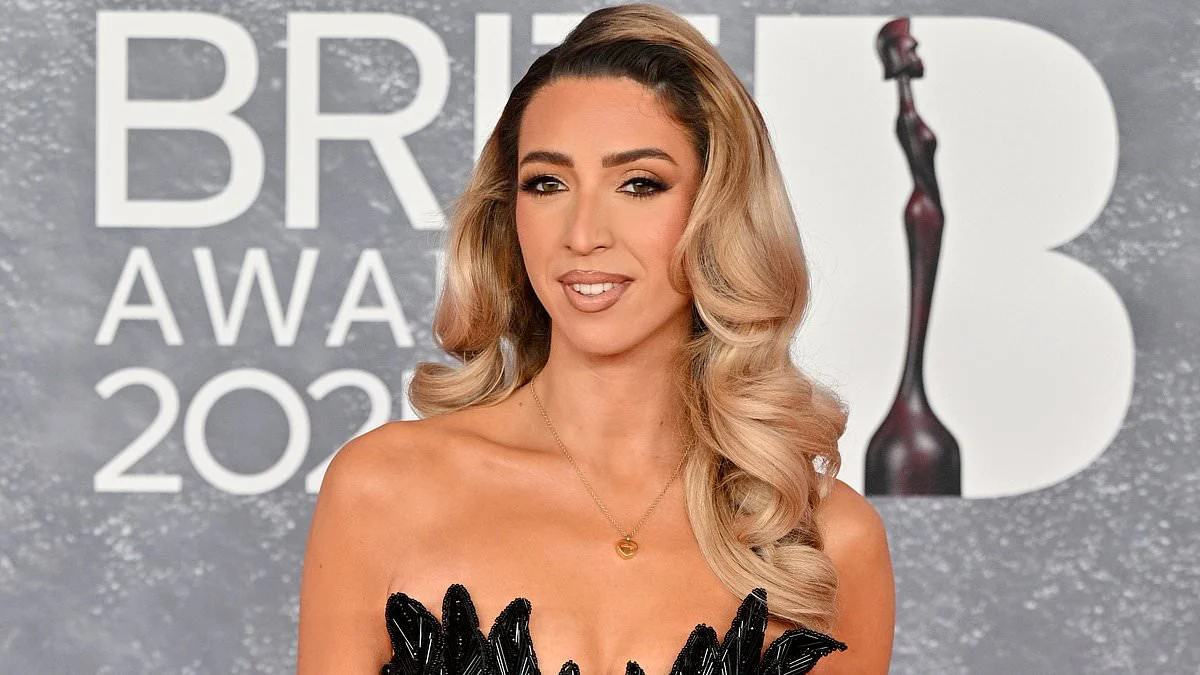
BBC Radio 1 has confirmed a significant restructuring of its presenter lineup, marking one of the most substantial talent shifts in the station’s recent history. The broadcaster announced that six established hosts—Melvin Odoom, Dean McCullough, Rickie Haywood-Williams, Nat O’Leary, James Cusack, and Swarzy—will depart the station by the end of August. This transition comes as the BBC continues its strategic pivot toward digital-first content and influencer-led programming in an attempt to capture a younger demographic that increasingly favors social media platforms over traditional linear broadcasting.
The departing presenters, several of whom have been staples of the Radio 1 schedule for years, are set to be replaced by a new cohort of digital creators and social media personalities. Among the high-profile appointments are YouTuber and podcaster GK Barry (Grace Keeling) and influencer Charley Marlowe, both aged 26. They will be joined by Danny Mylo and Rosie Madison, known for their work on the live Gladiators shows, Newcastle-based local radio host Emil Franchi, and social media personality and dance DJ Jeremiah Asiamah.
The Strategic Pivot to Influencer-Led Broadcasting
The decision to integrate "TikTokkers" and influencers into the national airwaves reflects a broader trend within the British Broadcasting Corporation to remain relevant in a fragmented media landscape. For BBC Radio 1, the stakes are particularly high. Recent data from the Radio Joint Audience Research (RAJAR) indicates a challenging period for the station. While Radio 1 once commanded a weekly audience of over 20 million during the 1970s and 1980s, its current reach has stabilized at approximately 7.6 million listeners.
Analysis of the last five years shows a 20 percent decline in weekly reach, with a 6 percent drop recorded in the past year alone. Industry analysts suggest that the rise of streaming services like Spotify and the dominance of short-form video content on TikTok and Instagram have fundamentally altered the consumption habits of the 15-to-24-year-old target demographic. By hiring GK Barry, who boasts millions of followers across social media, the BBC is banking on "audience migration"—the hope that a creator’s existing digital fanbase will follow them to traditional radio.
However, this strategy is not without its critics. Traditionalists argue that radio broadcasting requires a specific skill set—timing, technical proficiency, and the ability to sustain a narrative without visual aids—that may not naturally translate from 60-second viral clips. The BBC has faced similar challenges with Radio 2, where the departure of veteran broadcasters like Ken Bruce and the late Steve Wright led to significant fluctuations in audience figures. When Ken Bruce moved to the commercial rival Greatest Hits Radio, he took a substantial portion of his loyal listenership with him, highlighting the risk of alienating "legacy" audiences in pursuit of younger cohorts.
Record-Breaking Sales in the Global Auction Market
While the media landscape undergoes a domestic shift, the international auction market is witnessing historic milestones in the sale of natural history artifacts. This week, Sotheby’s in New York oversaw the sale of "Apex," a Tyrannosaurus Rex skeleton (referred to in some circles as "Gus"), for a record-breaking £37.4 million ($44.6 million). The fossil, estimated to be approximately 67 million years old, features the iconic "dagger-like" teeth and massive proportions associated with the apex predator of the Late Cretaceous period.
The sale of Apex represents a growing trend in the "blue-chip" fossil market, where prehistoric remains are increasingly viewed as high-value alternative assets by private collectors. This sale surpassed the previous record held by "Stan," another T-Rex skeleton that sold for $31.8 million in 2020.
The chronology of high-profile dinosaur auctions has sparked debate within the scientific community. While these sales generate immense public interest and significant revenue for auction houses, paleontologists often express concern that such specimens are being moved into private collections where they remain inaccessible for academic research. Sotheby’s officials noted that Apex was "captured for eternity in a predatory pose," emphasizing the artistic and sculptural value of the specimen alongside its biological significance.
Erling Haaland and the Professionalization of the Athlete Brand
In the realm of global sports and commercial branding, Manchester City striker Erling Haaland continues to redefine the modern "superstar" archetype. Despite recent competitive shifts in European football, Haaland’s commercial value has surged, driven by a combination of elite on-field performance and a carefully curated social media presence.
Haaland, 24, has become a phenomenon not just for his scoring record—which saw him break the Premier League single-season scoring record in his debut year—but for his "goofy" and accessible public persona. His recent appearances, including a high-profile attendance at a Dolce & Gabbana fashion show in Sicily alongside his girlfriend Isabel Haugseng Johansen, demonstrate the blurring lines between professional athletics and luxury brand ambassadorship.
Marketing experts point to Haaland’s authenticity as his primary asset. Whether posting self-deprecating memes comparing himself to the character Shrek or engaging with fans through Dallas-themed social media posts, Haaland has cultivated a "Barbie-bouffant" brand that appeals to Gen Z and Alpha demographics. His father, Alf-Inge Haaland, a former professional footballer, has reportedly played a key role in managing his son’s career, emphasizing a philosophy of resilience and "staying on one’s feet." Financial analysts predict that through a combination of his Manchester City contract, which is among the highest in the world, and blue-chip endorsements, Haaland is on a trajectory to become one of the few billionaire athletes in sporting history.
The Duchess of Sussex and the Evolution of Lifestyle Media
The media industry’s fascination with high-profile transitions continues with the Duchess of Sussex, Meghan Markle, who has recently secured a Daytime Emmy Award nomination. Her Netflix series, With Love, Meghan, has been nominated in the category of Outstanding Lifestyle Show.
This nomination marks a pivotal moment for the Sussexes’ media venture, Archewell Productions. Since stepping back from senior royal duties in 2020, the Duke and Duchess have signed multi-million dollar deals with streaming giants Netflix and Spotify. While some of these ventures, such as the Archetypes podcast, have concluded, the Emmy nomination for her lifestyle content suggests a strategic pivot toward the "lifestyle and wellness" sector—a market currently dominated by figures like Martha Stewart and Gwyneth Paltrow.
The With Love, Meghan series focuses on domestic arts, including gardening, cooking, and floral arrangement. The nomination places the Duchess in competition with programs focused on animal rescue and maternal health. Industry observers note that while the Sussexes have faced the cancellation of some media deals, a win in the Outstanding Lifestyle category would provide significant "proof of concept" for their future production endeavors, validating their move into the unscripted, instructional television space.
Market Trends in the UK Spirits Industry
Finally, the UK’s beverage sector is reporting a unique intersection of community engagement and industry recognition. The Berkley Care Group, a collective of care home residents, was recently honored at the Gin Masters awards for their "Golden Hour" gin. The product, distilled by the residents themselves, received praise from judges for its "creamy texture and concentrated notes of lemon oil, coriander, and juniper."
This achievement highlights the ongoing "Ginaissance" in the United Kingdom. According to the Wine and Spirit Trade Association (WSTA), there are now more than 1,000 craft gin brands operating in the UK, a massive increase from the early 2010s. The market has seen a surge in "small-batch" and "artisan" labels, often leaning on local backstories or unique botanical blends to differentiate themselves in a saturated market.
However, the proliferation of craft brands has also led to a resurgence of interest in "legacy" brands such as Tanqueray and Gordon’s. Market data suggests that while consumers enjoy the novelty of craft gins, there is a consistent "flight to quality" and brand reliability during economic downturns. The success of the Golden Hour gin, produced by an unconventional demographic, underscores the accessibility of modern distillation technology and the continuing consumer appetite for spirits with a strong narrative element.
Implications for the Future of Public Service Broadcasting
The convergence of these events—from the BBC’s talent overhaul to the record-breaking T-Rex sale—illustrates a world in a state of rapid cultural and economic transition. For the BBC, the move to replace "seasoned" broadcasters with "influencers" is a calculated risk. The corporation is attempting to balance its mandate as a public service broadcaster with the commercial reality of a digital-first world.
As Radio 1 prepares for its August relaunch, the industry will be watching closely to see if the "TikTokker" cohort can stabilize the station’s falling numbers. The challenge remains whether the "intimate and socially personal" medium of radio can survive the transition from voice-led expertise to personality-led digital influence. In an era where a fossil can sell for £37 million and a YouTuber can lead a national radio show, the traditional definitions of value, expertise, and celebrity are being permanently rewritten.
