
 By admin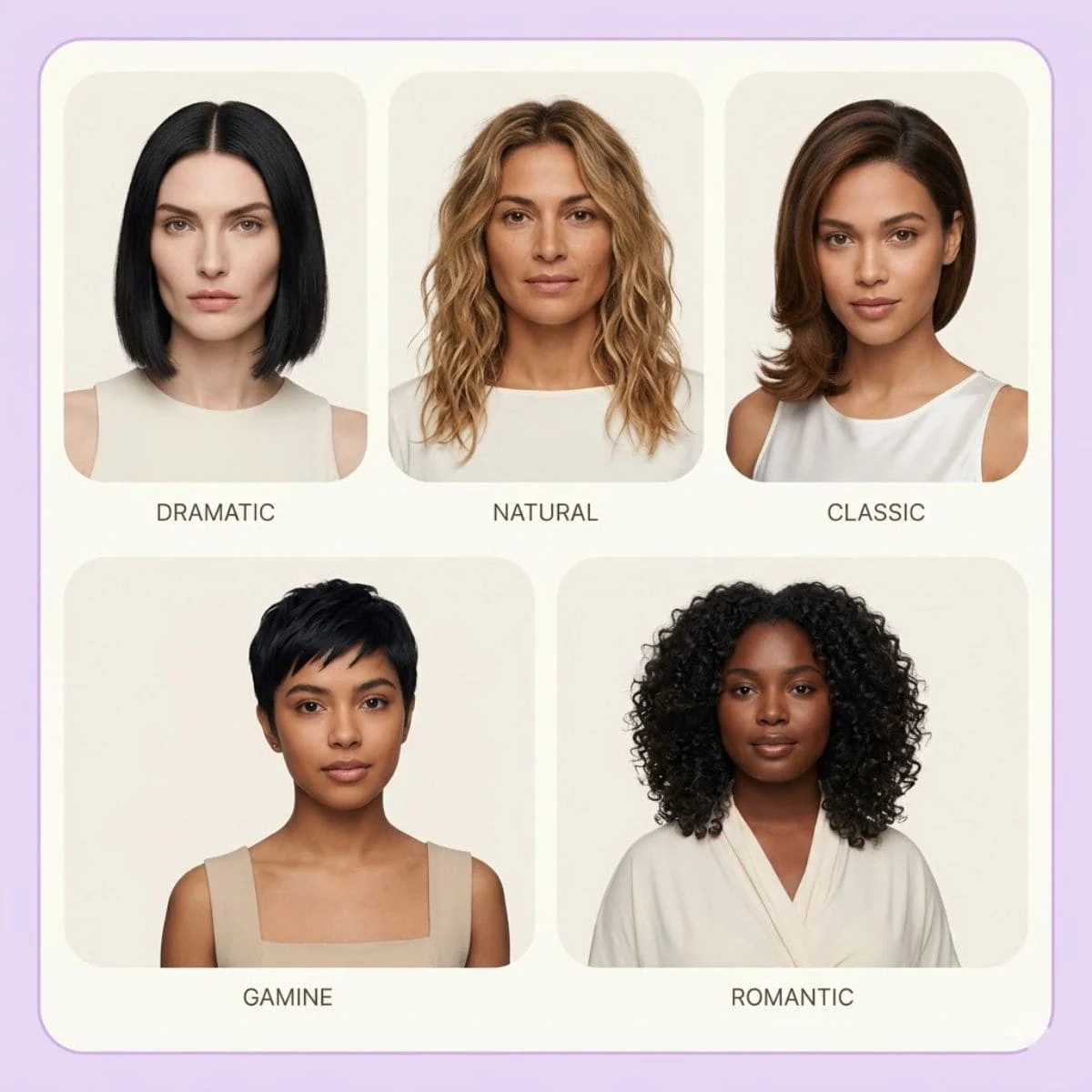
The Kibbe body typing system offers a nuanced approach to understanding personal style by integrating bone structure, flesh distribution, and facial features to create a holistic impression of an individual’s silhouette. This comprehensive framework, developed by stylist David Kibbe in 1987, diverges from traditional body shape assessments by emphasizing the interplay of angularity and softness, or "yang" and "yin" energies, within one’s natural presentation. The system categorizes individuals into 13 distinct types, grouped under five primary families, each possessing a unique visual logic that extends to recommendations for hairstyles. This guide delves into the principles of the Kibbe test, outlines the process for self-assessment, and provides specific hairstyle guidance for each of the five Kibbe families: Dramatic, Natural, Classic, Gamine, and Romantic, detailing recommended styles and those to avoid.
Understanding the Kibbe Body Types Framework
At its core, the Kibbe system is built upon the interplay of "yin" (feminine, soft, rounded) and "yang" (masculine, sharp, angular) energies. David Kibbe’s seminal 1987 book, Metamorphosis, introduced this system as a means to achieve harmonious styling by aligning one’s attire and appearance with their innate physical characteristics. Unlike conventional methods that often rely solely on measurements like hip-to-waist ratios or shoulder width, the Kibbe system seeks a deeper understanding of an individual’s overall visual impression. It evaluates three critical elements:

- Bone Structure: This pertains to the underlying skeletal framework, assessing whether the bones present as sharp and angular, wide and straight, symmetrical, or delicate and narrow. The questions related to bone structure carry the most significant weight in determining one’s Kibbe type.
- Body Flesh: This category examines how weight is distributed and the texture of the body. It considers muscle definition (sharp, straight, or soft), waist definition, hip curvature, and overall bodily texture. It acknowledges that flesh distribution can differ from bone structure, and the system accounts for these variations.
- Facial Features: The characteristics of the face, including the nose, jawline, and cheekbones, contribute to the overall impression. Sharp, angular facial bones lean towards yang types, while small, rounded features suggest yin. When facial and body structures present conflicting indications, the bone structure is generally considered the primary determinant.
The culmination of these assessments results in 13 distinct types, which are further organized into five overarching families, each characterized by a predominant visual quality and a blend of yin and yang elements.
The Five Kibbe Families and Their Defining Characteristics
The Kibbe system’s 13 types are grouped into five families, each with its own distinct aesthetic and styling logic:
- Dramatic Family: Defined by strong yang, sharpness, angularity, and elongation. This family includes the Dramatic and Soft Dramatic types. Individuals in this family often possess a commanding presence characterized by striking lines and a sense of grandeur.
- Natural Family: Characterized by blended yang, a relaxed demeanor, width, and an earthy quality. This family encompasses the Flamboyant Natural, Natural, and Soft Natural types. Their appearance is often described as effortlessly chic and grounded, with a natural sense of ease.
- Classic Family: Represents a balance of yin and yang, symmetry, and refinement. This family comprises the Dramatic Classic, Classic, and Soft Classic types. Their look is typically characterized by polished proportions, timeless elegance, and a sophisticated poise.
- Gamine Family: Marked by mixed contrast, a compact frame, crispness, and a playful spirit. This family includes the Flamboyant Gamine, Gamine, and Soft Gamine types. They often possess a youthful vivacity and a distinctively sharp yet charming appearance.
- Romantic Family: Dominated by strong yin, softness, roundedness, and lushness. This family includes the Romantic and Theatrical Romantic types. Their aesthetic is inherently feminine, alluring, and sensuous, emphasizing graceful curves and delicate features.
Each family possesses a unique visual language that informs all aspects of styling, including hairstyle choices.

Navigating the Kibbe Test: A Self-Assessment Guide
The Kibbe test is designed as a self-assessment tool, guiding individuals through a series of questions across five categories. The answers are structured to lean towards yin (E options), blended yin (D options), balanced (C options), blended yang (B options), or pure yang (A options). The dominant pattern of answers provides an initial indication of one’s Kibbe family, with further distinctions refining the result to a specific type.
The three most impactful categories in this self-assessment are:
- Bone Structure: This foundational element assesses the overall impression of one’s skeleton. Questions might explore whether shoulders appear sharp and angular, wide and straight, symmetrical, or narrow and delicate. The answers here carry the most weight in determining the primary Kibbe type.
- Body Flesh: This section scrutinizes how weight is carried and distributed. It examines muscle definition—whether it appears sharp and geometric, straight and somewhat undefined, or soft and rounded. It also considers waist definition, hip curvature, and overall body texture. It’s common for flesh distribution and bone structure to suggest slightly different leanings, a nuance the Kibbe system is designed to accommodate.
- Facial Features: The contours of the face, including the nose, jawline, and cheekbones, contribute to the complete Kibbe impression. Sharp, angular facial bones tend to push an individual towards yang-dominant types, while small, rounded features suggest yin. When facial and body structures present conflicting signals, bone structure is typically prioritized as the anchoring element of the typing.
Kibbe Hairstyle Guide: Aligning Your Tresses with Your Type
Hairstyles that harmonize with an individual’s Kibbe family resonate with their natural visual rhythm, appearing proportionate and effortless. Conversely, styles that clash with this innate harmony can feel slightly out of place, even if technically well-executed.

Dramatic and Soft Dramatic: Elongated, Sleek, and High-Impact
Dramatic types are characterized by sharp, elongated bone structure and a strong yang essence. Their ideal hairstyles echo this decisiveness with strong lines, clean silhouettes, and styles that emphasize height and length, rather than peripheral softness or volume.
- Dramatic Dos: Styles that exude sharp angles and clean lines are paramount. Think sleek, one-length cuts that fall past the shoulders, sharp geometric bobs, or dramatic, swept-back styles that create a strong, elongated silhouette. Updos should be structured and sharp, avoiding softness or excessive volume. Precision is key.
- Dramatic Don’ts: Avoid styles that are overly soft, rounded, or voluminous at the sides. Wispy layers, gentle waves that lack structure, or styles that create a "shaggy" or overly casual impression can detract from the Dramatic’s inherent sharpness. Styles that are too short and rounded can also overwhelm their elongated frame.
Soft Dramatic types share many of these guidelines but can incorporate more wave and a touch of softness. A loose, polished blowout at long lengths can be highly effective, offering a more approachable elegance than the strictness required for a pure Dramatic.
Natural, Flamboyant Natural, and Soft Natural: Textured, Effortless, Undone
Natural types possess a relaxed, wide-shouldered yang quality that pairs best with organic, lived-in hair. Forcing overly polished or rigidly structured styles can create a visual tension between the body’s inherent ease and the hair’s strictness.

- Natural Dos: Embrace texture, movement, and an effortless feel. Shags, wolf cuts, and styles with abundant, natural-looking layers are excellent choices. Medium to long lengths that allow for a relaxed drape are often flattering. The emphasis is on a "wash-and-go" aesthetic that appears intentionally undone. Point cutting and dry texturizing techniques are preferred over blunt lines to build movement into the shape.
- Natural Don’ts: Highly structured, precisely cut bobs or severe, slicked-back styles can feel unnatural. Overly symmetrical or perfectly coiffed looks tend to clash with the Natural’s relaxed essence. Styles that require extensive daily heat styling to maintain their shape can also feel forced.
Stylist Tip: For Natural types, encourage your stylist to focus on creating movement and shape through layering and texturizing rather than relying on blunt, geometric cuts. The goal is hair that looks good with minimal intervention.
Classic Types: Polished, Balanced, and Refined
Classic types are defined by symmetrical, balanced features, lacking a strong yin or yang dominance. Hairstyles that suit this family are proportionate, neat, and refined, possessing enough structure to appear intentional without being severe.
- Classic Dos: Opt for polished, balanced styles that exude timeless elegance. A well-executed bob or lob (long bob) that falls precisely at the collarbone or jawline is often ideal. Gentle, structured waves or subtle, symmetrical layers that frame the face gracefully are also highly effective. The overall impression should be one of neatness and refined symmetry.
- Classic Don’ts: Avoid extreme styles, whether overly angular or excessively soft and voluminous. Hairstyles that are overly shaggy, intentionally messy, or rigidly geometric can disrupt the Classic’s inherent balance. Excessive asymmetry or styles that create disproportionate volume at the sides should also be avoided.
Soft Classics can introduce more softness with lighter waves and delicate face-framing pieces. Dramatic Classics can accommodate cleaner lines and slightly more structure, but both variations remain within a refined, proportionate range.

Gamine Types: Short, Playful, and Crisp
Gamine types are characterized by a compact frame with a blend of yin softness and yang sharpness. Very long hair often overwhelms their small, contrast-forward frame. This family is most associated with short, cropped hairstyles that allow the face to be clearly visible and support their inherent playful energy.
- Gamine Dos: Short, crisp, and playful cuts are ideal. Think choppy pixie cuts with textured fringes, sharp and asymmetrical bobs, or styles that incorporate deliberate, edgy texture. The key is to maintain a sense of crispness and visual interest that complements their compact and vibrant presence.
- Gamine Don’ts: Extremely long hair can easily overwhelm a Gamine frame. Styles that are overly soft, rounded, or voluminous without a crisp edge can also dilute their signature contrast. Avoid styles that appear too "effortless" or "beachy" without a strong structural component.
Soft Gamines can explore slightly longer bobs and incorporate more wave, while Flamboyant Gamines require crispness and deliberate texture in their shorter cuts to feel intentional and impactful.
Romantic and Theatrical Romantic: Soft, Flowing, and Feminine
Romantic types represent the most yin-dominant aspect of the Kibbe system, characterized by soft bone structure, rounded flesh distribution, and delicate features. Hair that complements this family shares these qualities: gentle curves, flowing length, and feminine detailing, rather than strong angles or deliberate contrast.

- Romantic Dos: Embrace softness, flow, and femininity. Styles with gentle waves, soft curls, and flowing lengths are ideal. Medium to long hair that drapes gracefully is highly flattering. Face-framing layers that enhance softness, and styles that emphasize a gentle, rounded silhouette are key.
- Romantic Don’ts: Avoid harsh angles, severe geometric cuts, or styles that are overly stiff or structured. Extremely short, choppy cuts or styles that emphasize sharp lines can detract from the Romantic’s inherent softness and roundedness. Overly minimalist or stark styles are also generally not recommended.
Theatrical Romantics can incorporate slightly more drama and defined curl than pure Romantics, along with a touch more contrast in color placement, while still adhering to the family’s soft, feminine aesthetic.
Leveraging Technology for Hairstyle Decisions
Understanding one’s Kibbe body type significantly narrows down stylistic choices, but visualizing a specific cut on one’s own features remains crucial. Tools like the HairHunt app offer a solution by enabling users to upload a selfie and virtually try on a wide array of hairstyles and colors. This AI-powered technology generates realistic try-on results, allowing individuals to compare various cuts and styles before committing to a salon visit.
The virtual try-on feature is particularly beneficial for Kibbe-guided decisions, shifting the focus from fleeting trends to what silhouette genuinely suits one’s frame. For instance, a Gamine type can compare different pixie cut variations—a choppy, textured pixie versus a sleeker, close-cropped version—to see which aligns best with their type. Similarly, a Natural type can test a collarbone-length wolf cut against a longer shag to assess their impact.

Color options within these apps also prove useful, allowing users to explore high-contrast placements suited for Dramatic types or softer, blended highlights that align with Natural and Classic styling. The downloadable, watermark-free results can then serve as a tangible visual reference to bring to a stylist, facilitating a more informed and confident hair transformation.
Frequently Asked Questions About Kibbe Types
How many Kibbe body types are there?
There are 13 distinct Kibbe types, organized into five families: Dramatic (2 types), Natural (3 types), Classic (3 types), Gamine (3 types), and Romantic (2 types). For practical styling, identifying the family is often the primary step, with individual types offering further refinement.
Can my Kibbe type change with weight fluctuations?
No, an individual’s Kibbe type is anchored in their unchangeable bone structure. While flesh distribution and how clothing drapes can alter with weight changes, the underlying skeletal impression remains constant and does not reassign a person to a different Kibbe family.

Is long hair suitable for a Gamine Kibbe type?
While short hair is generally most harmonious for Gamines due to their compact frames, long hair can be worn. If choosing length, stylists recommend incorporating strong texture, visible layering, and color dimension to prevent the hair from overwhelming the face and frame. Shorter styles often provide a more comfortable and flattering daily wear option.
What if I don’t identify with my Kibbe test result?
Inconsistencies can arise when facial and body features suggest different types. If a result feels inaccurate, consider focusing primarily on your bone structure answers. Alternatively, visually comparing yourself to real-life examples of each Kibbe family can be a more intuitive method of identification, as a strong visual resonance often proves more reliable than quiz scores alone.
Does the Kibbe typing system apply to men?
David Kibbe’s original system was developed for women. However, the underlying yin/yang framework has been adapted by independent consultants for menswear styling, applying similar principles of matching an individual’s inherent structure and energy to appropriate clothing and grooming choices.

Kibbe body types offer a holistic perspective on personal styling, recognizing that an individual’s bone structure, flesh distribution, and facial features work in concert to create a unique visual narrative. By understanding one’s Kibbe family, individuals can make more informed decisions about hairstyles that not only flatter but also enhance their natural presence. Utilizing virtual try-on tools can further streamline this process, allowing for confident exploration before a salon visit. The ultimate goal is to achieve a harmonious balance, where one’s chosen style tells the same compelling story as their natural form.
Disclaimer: Individual hair results may vary based on natural hair type, texture, density, and condition. Consultation with a licensed hairstylist is recommended before making significant changes, particularly involving chemical treatments or dramatic alterations in length. Styled results in imagery may require professional tools and products to replicate.
