
 By admin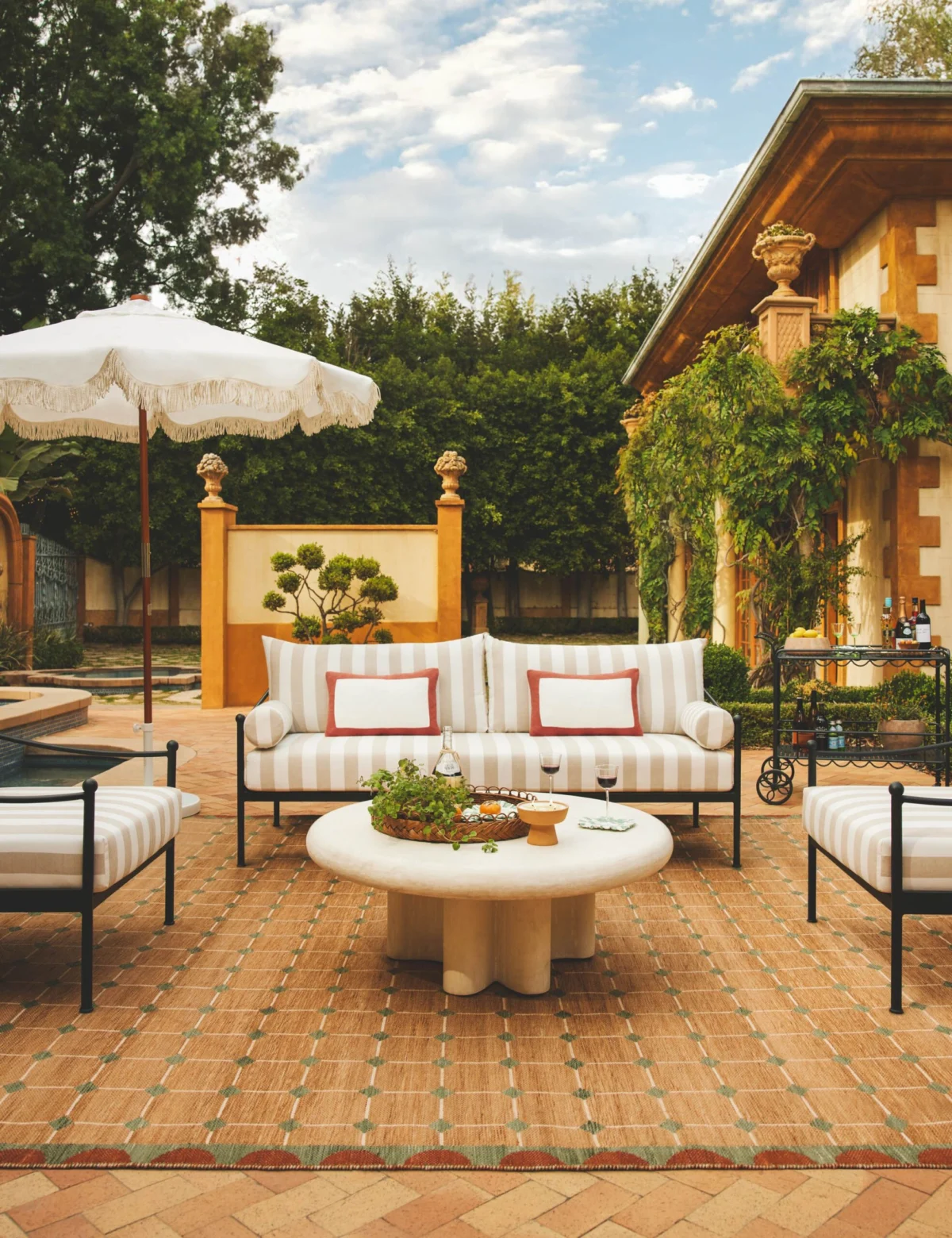
The desire to transform outdoor spaces into integrated, stylish extensions of the home has gained significant momentum, moving far beyond mere utility to embrace an idealized vision of al fresco living. From the tranquil rustle of leaves and leisurely breakfasts under dappled sunlight to the inviting comfort of a well-placed reading chair, the aspiration for a thoughtfully curated exterior environment is universal, whether the canvas is a sprawling garden or a compact urban balcony. Crucial to realizing this burgeoning daydream is the strategic selection of outdoor furniture, a category that has undergone a remarkable transformation, shedding its once-staid reputation for pieces that are anything but boring. The latest class of outdoor furnishings is characterized by bold aesthetics, enhanced functionality, and a pronounced emphasis on durability and sustainability, signaling a profound shift in how consumers perceive and utilize their external living areas.
The Genesis of the Outdoor Living Movement
Historically, outdoor furniture primarily served functional purposes, often characterized by robust but uninspired designs built to withstand the elements without much aesthetic consideration. Early forms ranged from simple wooden benches to cast-iron pieces, prioritizing resilience over comfort or style. The mid-20th century saw a gradual evolution, with the rise of suburban living and leisure culture introducing more recreational designs like plastic lawn chairs and basic patio sets. However, these were largely segregated from indoor decor, often relegated to storage during off-seasons and lacking the sophistication associated with interior design.
The true paradigm shift began in the late 20th and early 21st centuries, driven by several converging factors. Increasing urbanization led to smaller living footprints, prompting homeowners and apartment dwellers to maximize every available inch, including balconies and patios. Concurrently, a growing appreciation for wellness and connection with nature fueled a desire for more comfortable and inviting outdoor retreats. The recent global emphasis on home-centric lifestyles further accelerated this trend, with outdoor spaces becoming crucial sanctuaries for relaxation, work, and social interaction. This collective evolution has pushed manufacturers and designers to innovate, creating a market brimming with diverse, high-quality, and aesthetically compelling outdoor furniture.
Market Dynamics and Growth Projections
The global outdoor furniture market, valued at an estimated $18.5 billion in 2023, is projected to reach approximately $29.7 billion by 2030, exhibiting a Compound Annual Growth Rate (CAGR) of around 7.0%. This robust growth is underpinned by rising disposable incomes, increasing urbanization, and a persistent consumer demand for luxurious and comfortable outdoor living solutions. North America and Europe currently dominate the market, driven by a strong home improvement culture and a preference for premium, durable products. However, the Asia-Pacific region is emerging as a significant growth driver, fueled by rapid urbanization and an expanding middle class adopting Western lifestyle trends.
Retail analysts point to several key factors contributing to this upward trajectory. "Consumers are no longer viewing outdoor furniture as an afterthought but as an integral part of their home’s overall design narrative," states Dr. Eleanor Vance, a market research lead at Home & Garden Insights. "This shift is compelling brands to invest heavily in R&D, focusing on materials that offer both superior performance against weather and sophisticated aesthetics that mirror indoor decor trends." The increasing popularity of outdoor kitchens, entertainment areas, and even dedicated "work-from-home" zones further underscores the multifaceted role of these spaces in contemporary living.
Current Trends in Outdoor Furniture Design
The present landscape of outdoor furniture is a vibrant tapestry of innovative design and material science. Designers are experimenting with form, color, and texture, resulting in collections that defy conventional outdoor aesthetics.
- Bold Silhouettes and Playful Forms: Gone are the days of strictly utilitarian shapes. Today’s outdoor pieces feature chunky, oversized armchairs with deep cushions, inviting plushness. Sofas with playfully curved frames in unexpected hues like pink or vibrant blue act as striking focal points, transforming patios into vibrant outdoor salons. This movement embraces a sense of whimsy and personality, challenging the long-held notion that outdoor furniture must be muted to blend with nature.
- Rich Textures and Patterns: The tactile experience is paramount. Upholstery now features sophisticated cabana stripes, intricate weaves, and performance fabrics that mimic the softness of indoor textiles while offering unparalleled weather resistance. Boldly patterned rugs, from geometric designs to abstract motifs, anchor outdoor seating arrangements, defining zones and adding visual interest. This textural richness contributes to the "indoor-out" aesthetic, making outdoor spaces feel more luxurious and integrated.
- The Power of Color: Color palettes have become more adventurous. While natural wood tones and neutrals remain popular, there’s a strong trend toward injecting vibrant color. Scarlet red, deep greens, sun-kissed yellows, and oceanic blues are appearing not just in cushions but in the frames of furniture, powder-coated metals, and accessories. This allows for the creation of cohesive, tonal schemes that resonate with personal style and complement natural surroundings. "Color in outdoor spaces can dramatically alter mood and perception," notes renowned landscape architect, Julian Thorne. "A vibrant chaise lounge or a boldly colored dining set transforms a backyard into an energetic retreat, while softer tones create a serene oasis."
- Material Innovation and Durability: The backbone of modern outdoor furniture lies in its materials. Teak and acacia wood, prized for their natural weather resistance and elegant aging, continue to be staples. However, advancements in synthetic wicker, recycled plastics, and powder-coated aluminum and steel offer incredible durability, lightweight construction, and a vast spectrum of design possibilities. Performance fabrics, often infused with UV protection and mold resistance, ensure that cushions and upholstery maintain their vibrancy and integrity through various weather conditions, significantly extending the lifespan of the furniture. Travertine and other natural stones are also making a comeback for coffee and side tables, lending a touch of refined utilitarianism.
Curating Your Outdoor Oasis: Key Design Principles
Transforming an outdoor space, regardless of its size, into a coherent and inviting extension of the home requires thoughtful planning.
- Defining Zones: Even a small balcony can be segmented into distinct functional areas. A compact bistro set might serve as a morning coffee nook or an impromptu workspace, while a comfortable armchair with a portable lamp creates a cozy reading corner. Larger patios can accommodate multiple zones: a dining area, a lounge space with a sofa and coffee table, and a dedicated sunbathing spot with chaise lounges. Area rugs are particularly effective in visually delineating these zones, providing a soft landing underfoot and introducing an additional layer of style.
- Harmonizing Color and Texture: When selecting furniture, consider a tonal palette if a specific color brightens your day. For instance, an all-red scheme incorporating furniture, cushions, and accessories can create a dramatic "pool of color" amidst green foliage. Alternatively, focus on a few preferred textures—perhaps the smooth coolness of metal, the organic warmth of wood, and the softness of woven textiles—to build depth without overwhelming the space. The aim is to create a cohesive visual narrative that feels intentional rather than haphazard.
- Strategic Accessorizing: Accessories are the finishing touches that infuse personality and practicality into an outdoor area. Portable lamps, for example, offer flexible lighting solutions, allowing the party to move from the patio to the fire pit with ease. Hanging pendants can define an outdoor dining nook, mimicking indoor chandeliers. For entertainment, a fire pit becomes a seasonal MVP, fostering gathering and conversation. For those with a penchant for ornithology, a well-placed bird bath not only attracts feathered guests but also adds a charming, contemplative element. New collaborations, such as Emma Chamberlain’s collection for West Elm or Jasper Morrison’s designs for Hay, offer playful textile options like cabana stripes and scalloped trims, while a burgundy marble end table can provide an elegant resting spot for a Campari soda.
Product Spotlight: Elevating Every Outdoor Nook
- The Outdoor Chair: Modern outdoor chairs prioritize both aesthetics and ergonomic comfort. From updated Adirondack chairs by brands like Crate & Barrel, which offer a contemporary take on a classic camping staple, to plush, slipcovered swivel chairs from Serena & Lily or chunky green armchairs by Lulu & Georgia, the options are designed for lingering. Deep cushions and playful shapes ensure functionality without sacrificing style, encouraging hours of relaxation with a book and a chilled drink.
- The Outdoor Sofa: The evolution of outdoor sofas has been particularly striking. Weatherproof fabrics and robust internal structures now allow for pieces with the same style, softness, and permanence as their indoor counterparts. Brands are offering architectural silhouettes, stripes of all sizes, and minimalist frames, moving beyond boring neutrals to embrace sophisticated designs that truly extend the living room outdoors. Serena & Lily’s Sundial sofa and Article’s Avila sofa exemplify this trend, combining luxury with outdoor resilience.
- The Outdoor Coffee Table: A coffee table is essential for an outdoor lounge, serving as a perch for morning coffee or evening cocktails. The latest designs are statement pieces, featuring bolder colors, more playful shapes, and utilitarian materials like travertine or powder-coated metal. Article’s Skane coffee table offers a sleek, modern option, while Sarah Sherman Samuel’s scalloped table introduces whimsy. For a classic touch, Olive Ateliers provides iron options inspired by European café culture, and Four Hands offers the elegant Leblanc coffee table.
- The Dining Set: For those who love to host al fresco, a durable and stylish dining set is indispensable. West Elm’s Telluride dining set offers an expandable contemporary option to accommodate larger groups, while Joss & Main’s Mambo set provides a chic, compact choice. Practical considerations like table size and seating capacity are balanced with aesthetic choices, allowing for bold hues and monochromatic pairings with area rugs.
- The Chaise Lounge: No longer confined to poolside, modern chaise lounges are designed for standalone admiration and ultimate relaxation. Features include extra-large cushions for unparalleled comfort and innovative bases, such as the squiggly iron design found in some collections. West Elm x Emma Chamberlain, Serena & Lily, Sarah Sherman Samuel, Design Within Reach, Arhaus, and Business & Pleasure Co. all offer unique takes, transforming the chaise into a statement piece perfect for napping or sunbathing.
- The Outdoor Rug: Outdoor rugs have come a long way in pattern and texture. They serve as rich anchors of color, defining large seating areas or creating intimate sub-zones with smaller, coordinating pieces. McGee & Co.’s Goldie handwoven rug and Lulu and Georgia’s Crawford rug demonstrate the diversity of designs available, adding a layer of warmth and sophistication to any outdoor floor.
- The Bistro Set: Evoking the charm of Parisian street-side cafés, bistro sets are perfect for intimate dining, impromptu work sessions, or enjoying a morning coffee in the fresh air. Options range from classic metal sets to those with mixed textures from West Elm, Serena & Lily, Crate & Barrel, and Terrain. For smaller spaces, foldable designs are a practical choice, minimizing visual clutter when not in use.
- Outdoor Lighting: Beyond traditional string lights, portable lamps from brands like Louis Poulsen and Audo Copenhagen offer versatile illumination, easily moving to different areas of the outdoor space. Arhaus also provides stylish rechargeable table lamps. For a more permanent fixture, a hanging pendant over a dining table, such as those made from all-weather wicker by Lulu and Georgia, creates an inviting, entertainment-specific nook.
Sustainability and Ethical Considerations
As consumer awareness of environmental impact grows, the demand for sustainable outdoor furniture is on the rise. Industry leaders are responding by incorporating eco-friendly practices throughout the supply chain. This includes using recycled and reclaimed materials, such as plastics diverted from landfills and oceans, and sustainably sourced woods certified by organizations like the Forest Stewardship Council (FSC). Manufacturers are also exploring innovative composites that mimic natural materials but offer enhanced longevity, reducing the need for frequent replacements.
Furthermore, ethical production practices, fair labor standards, and reduced carbon footprints in manufacturing are becoming critical considerations for brands aiming to meet consumer expectations. The focus is on creating durable, timeless pieces that will last for many seasons, thereby reducing waste and promoting a more conscious consumption model. "The longevity of outdoor furniture is a key aspect of its sustainability," says environmental design consultant, Dr. Anya Sharma. "Investing in high-quality, repairable pieces made from responsible materials not only benefits the planet but also offers long-term value to the consumer."
Challenges and Future Outlook
Despite the significant advancements, challenges persist. Extreme weather conditions—from harsh UV rays and heavy rains to snow and strong winds—demand continuous innovation in material science to ensure furniture remains resilient and aesthetically pleasing. Storage solutions for off-season protection also remain a practical concern for many homeowners, especially those with limited space. The cost of high-quality, sustainable outdoor furniture can also be a barrier for some consumers, though the market is seeing an increasing range of price points.
Looking ahead, the outdoor furniture sector is poised for further innovation. We can anticipate the integration of smart technology, such as solar-powered charging stations within tables, app-controlled lighting, and even climate-controlled seating. Hyper-customization, allowing consumers to design pieces that perfectly fit their space and aesthetic preferences, will likely become more prevalent. The blurring of indoor and outdoor design lines is expected to continue, with outdoor living rooms becoming virtually indistinguishable from their interior counterparts in terms of comfort and style. Ultimately, the future of outdoor furniture points towards even greater sophistication, personalization, and a deeper integration into the holistic vision of the modern home.
