
 By Nila Kartika Wati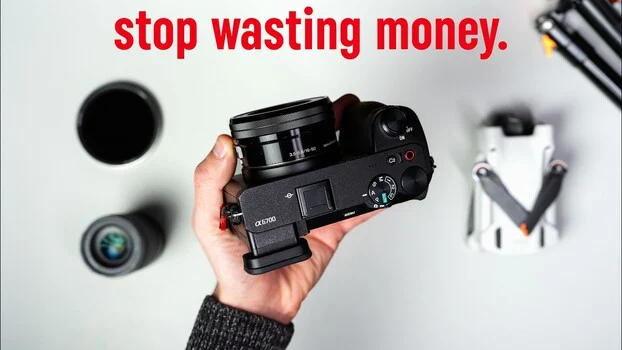
The journey into photography often begins with enthusiasm and a significant investment, yet many aspiring photographers inadvertently waste substantial sums on equipment that offers little value or even hinders their development. Industry analysis, supported by insights from experienced practitioners like photographer Curtis Padley, reveals that five specific categories of gear purchases frequently trip up beginners, diverting funds from more impactful acquisitions. These common missteps often stem from a lack of experience and an inability to discern marketing hype from genuine utility, leading to frustration and, in some cases, the premature abandonment of the hobby.
The Allure and Deception of Camera Bundles
One of the most pervasive traps for new photographers lies in the ubiquitous "camera bundles" marketed extensively across e-commerce platforms. These packages, designed to appear as comprehensive starter kits, typically pair a new camera body with an array of seemingly valuable accessories at a slightly elevated price point. The marketing premise is compelling: receive everything you need to begin shooting immediately. However, a closer examination, as highlighted by Padley, reveals a stark disparity between perceived and actual value.
The typical components of such bundles—a flimsy camera bag, a questionable third-party battery, and a slow, unreliable SD card—are often of critically low quality. The camera bag, while superficially functional, rarely offers adequate protection for valuable equipment and often lacks ergonomic design or durability. More critically, the inclusion of unbranded or low-tier third-party batteries poses both performance and safety risks. These batteries frequently offer diminished capacity, shorter lifespans, and can, in rare cases, even damage camera electronics due to inconsistent power delivery or faulty manufacturing.
Perhaps the most significant hidden cost within these bundles is the memory card. While a memory card is essential, the ones included in beginner bundles are almost universally slow-speed, uncertified models. In an era where modern cameras generate increasingly large image files (especially in RAW format) and high-resolution video, a slow SD card can severely impede camera performance, leading to buffer limitations, missed shots during burst sequences, and extended transfer times. The premium paid for these bundles, often ranging from $30 to $50, could be far more effectively allocated towards a single, reputable, high-speed memory card from a trusted brand, which offers superior reliability, faster performance, and peace of mind regarding data integrity. According to market data from photographic accessory retailers, the average cost of a quality 64GB U3/V30 SD card, suitable for most modern entry-level to mid-range cameras, ranges from $15 to $30, offering significantly better value than the bundled alternatives.
Filters: Discerning Utility from Gimmickry
The world of photographic filters presents another common pitfall, where the line between essential tools and optical curiosities can be blurred for beginners. Padley’s analysis sharply distinguishes between filters that genuinely enhance photographic capabilities and those that merely add unnecessary optical degradation or limited creative scope.
UV filters, historically championed for protecting the front element of lenses, are singled out as a prime example of an often-misguided purchase. In the film photography era, UV filters served a purpose in reducing atmospheric haze and protecting delicate film from ultraviolet light. However, with modern digital sensors, which are inherently less sensitive to UV radiation and often incorporate sophisticated coatings, the protective benefits of a UV filter are largely diminished. Furthermore, placing a cheap piece of glass in front of a meticulously engineered, expensive lens actively works against the investment made in that lens. Inferior filter glass can introduce lens flare, reduce contrast, and subtly degrade sharpness, effectively compromising the optical performance of the lens it purports to protect. Seasoned photographers and optical experts consistently advise against using low-quality UV filters, suggesting that a lens hood offers superior physical protection against accidental bumps and stray light, without introducing additional optical elements into the light path.
Similarly, novelty filters such as kaleidoscope and prism filters, while offering unique visual effects, are generally ill-suited for beginners. These filters produce highly stylized, often abstract, images that can be fun for experimental purposes but offer limited practical application in developing foundational photographic skills like composition, lighting, and subject interaction. Investing in such specialized filters early on can distract from mastering core techniques and represents a premature expenditure for someone still learning the basics of visual storytelling.
In contrast, Padley strongly advocates for two categories of filters that are genuinely indispensable for specific photographic disciplines: circular polarizers (CPL) and variable neutral density (VND) filters. Circular polarizers are crucial for managing reflections, enhancing color saturation (particularly in skies and foliage), and increasing contrast. They achieve this by filtering out polarized light, making them invaluable for landscape, architectural, and even some portrait photography. Variable ND filters, conversely, allow photographers to control the amount of light entering the lens, enabling the use of wider apertures in bright conditions or longer shutter speeds for motion blur effects (e.g., smoothing water or clouds) without overexposing the image. These filters are particularly vital for videographers and landscape photographers who require precise control over exposure and motion rendition. The judicious investment in high-quality CPL and VND filters, often ranging from $50 to $200 each depending on size and brand, directly translates into expanded creative possibilities and improved image quality, representing a far more impactful expenditure than novelty or unnecessary protective filters.
The Body vs. Lens Debate: Prioritizing Optical Excellence
One of the most significant financial decisions a beginner photographer faces is how to allocate their budget between a camera body and lenses. Padley’s insights delve into this critical area, using a $1,700 budget as a practical example. He illustrates the common mistake of allocating the bulk of this sum to a high-end camera body, such as the Sony a6700, and pairing it with only a basic kit lens. This approach, while providing access to advanced camera features, fundamentally misjudges the primary drivers of image quality.
The core argument, widely supported by photographic professionals and optical engineers, is that lenses exert a far greater influence on the final image quality—including sharpness, contrast, color rendition, and bokeh—than the camera body itself. While camera bodies rapidly evolve with new sensor technologies, faster processors, and enhanced video capabilities, the fundamental optical properties of a well-designed lens remain consistent and often retain their value and utility over many years, sometimes decades. A high-quality lens mounted on a more modest camera body will almost invariably produce superior results compared to a state-of-the-art body paired with an optically inferior lens.
Padley’s preferred strategy involves pairing a more affordable, yet capable, body—like the Sony a6400—with one or two higher-quality lenses. This approach allows for a more balanced allocation of the budget, ensuring that the optical pathway is optimized from the outset. Furthermore, he emphasizes the significant benefits of exploring the used market for both camera bodies and lenses. The secondary market, particularly for well-maintained lenses, offers substantial savings without compromising performance. A lens that costs $800 new might be acquired for $500-$600 used, freeing up funds for another essential piece of gear or allowing for an even higher quality lens purchase within the same budget.
This strategic budget allocation aligns with industry trends where, despite overall stagnation or decline in the interchangeable lens camera (ILC) market, the demand for high-quality lenses often remains more robust than for camera bodies. Manufacturers frequently release new camera bodies every 18-36 months, rendering previous models "outdated" in terms of features, even if their image quality remains excellent. Lenses, however, have a much longer effective lifespan. Investing proportionally more in lenses ensures that a photographer’s optical arsenal remains relevant and high-performing even as camera body technology continues its rapid evolution. This balanced approach not only leads to better image quality but also represents a more financially sound long-term strategy for building a versatile and effective photography kit.
Tripods: Assessing Genuine Need Over Aspirational Purchase
The acquisition of a tripod is often seen as a fundamental step for serious photographers, yet Padley offers a nuanced perspective that challenges this assumption for beginners. His position is not a flat rejection of tripods but rather a specific methodology for determining genuine need before expenditure. Many beginners purchase a tripod out of a perceived necessity, only to find it cumbersome, underutilized, or a poor fit for their actual shooting style.
A tripod is an indispensable tool in specific photographic scenarios: long exposure photography (e.g., silky water, light trails), low-light conditions where slower shutter speeds are required to avoid high ISO noise, precise compositional work (e.g., architectural, still life, macro photography), and for stable video recording. For these applications, a quality tripod provides the stability and precision that handheld shooting cannot. However, for a beginner primarily focused on learning basic composition, understanding light, and capturing candid moments in well-lit environments, a tripod can often be an unnecessary encumbrance.
Padley implicitly suggests a process of self-assessment: What kind of photography do I primarily intend to do? Do my current photographic challenges necessitate absolute stability? If a beginner is mainly shooting street photography, portraits in natural light, or casual travel snaps, the added weight and setup time of a tripod can hinder spontaneity and make the photographic process less enjoyable. Furthermore, quality tripods, particularly those that offer adequate stability without excessive weight, represent a significant investment, often ranging from $150 to $500 for a decent carbon fiber model with a capable head. Spending this money prematurely on a piece of equipment that will rarely be used or will be quickly outgrown by a cheap, unstable model, is another common financial misstep. Instead, beginners should focus on mastering handheld techniques and evaluating their needs as their skills and interests evolve. This methodical approach ensures that when a tripod is eventually purchased, it is a deliberate and valuable addition to their kit, rather than an aspirational dust collector.
Drones: The Advanced Tool Misplaced in Early Learning
Rounding out the list of common beginner traps are drones, a category that Padley addresses with refreshing candor. While he acknowledges owning a drone and admits it produces "impressive results" when flown, he firmly argues that it is the "wrong purchase for someone early in their learning." This reasoning extends far beyond the immediate costs and regulatory hurdles associated with drone ownership, delving into a more fundamental aspect of photographic development.
The drone market has seen explosive growth in recent years, with consumer models becoming increasingly sophisticated and accessible. The allure of capturing stunning aerial perspectives is undeniable. However, the purchase and operation of a drone introduce multiple layers of complexity that can overwhelm a novice photographer. Beyond the significant initial financial outlay—quality camera-equipped drones typically start from $500 and can easily exceed $2,000—there are ongoing costs for accessories, batteries, and potential repairs. More critically, drone operation is governed by a complex web of regulations that vary significantly by country and even local jurisdiction. Navigating airspace restrictions, obtaining necessary permits, and understanding privacy laws require considerable time and effort, diverting focus from core photographic principles.
Padley’s most profound argument against early drone adoption centers on its impact on a beginner’s "development of their eye." Learning photography is fundamentally about understanding light, composition, perspective, and storytelling from the ground up. Mastering these elements with a traditional camera forces a photographer to actively engage with their environment, observe subtle details, and develop a keen sense of spatial awareness. Introducing a drone too early adds a completely separate and demanding skill set: piloting, flight planning, managing battery life, and composing from an entirely different perspective. This can fragment a beginner’s learning, preventing them from solidifying foundational photographic concepts before tackling the complexities of aerial imaging.
The implication is that drones, while powerful creative tools, are best reserved for photographers who have already developed a strong understanding of visual aesthetics and technical camera operation. They represent an advanced extension of a photographer’s toolkit, not an entry point. Investing in a drone prematurely risks not only significant financial expenditure but also hindering the organic development of a photographer’s creative vision and technical proficiency in more traditional, yet foundational, forms of photography.
Broader Implications and Strategic Advice for Beginners
The common thread running through Padley’s analysis is the critical importance of strategic resource allocation and a focused approach to learning in the early stages of photography. The implications of these common gear mistakes extend beyond mere financial loss; they can lead to frustration, stalled creative development, and ultimately, the abandonment of what could have been a rewarding hobby.
For aspiring photographers, the overarching advice from industry experts and seasoned professionals consistently points towards prioritizing foundational knowledge and quality core equipment. This means:
- Invest in Lenses First: Allocate a larger proportion of the budget to high-quality lenses that will provide superior image quality and creative flexibility, retaining their value over time.
- Understand Your Needs: Before purchasing any accessory, critically assess whether it genuinely supports your current learning goals and photographic interests. Avoid impulse buys driven by marketing.
- Prioritize Core Skills: Focus on mastering fundamental photographic principles—composition, lighting, exposure, and post-processing—before delving into specialized or advanced equipment.
- Leverage the Used Market: For budget-conscious photographers, the used market offers an excellent opportunity to acquire high-quality gear at significantly reduced prices, extending purchasing power.
- Seek Unbiased Advice: Consult reputable reviews, educational resources, and experienced photographers for guidance, rather than relying solely on manufacturer claims or bundle deals.
In conclusion, the initial steps into photography are fraught with potential financial missteps, often masked by attractive packaging and persuasive marketing. By heeding the counsel of experienced photographers like Curtis Padley, and by adopting a disciplined approach to gear acquisition that prioritizes optical quality, genuine utility, and the sequential development of skills, beginners can avoid costly errors. This strategic approach not only safeguards financial resources but also fosters a more effective and rewarding learning experience, laying a solid foundation for long-term photographic growth and creative fulfillment.
