
 By Jia Lissa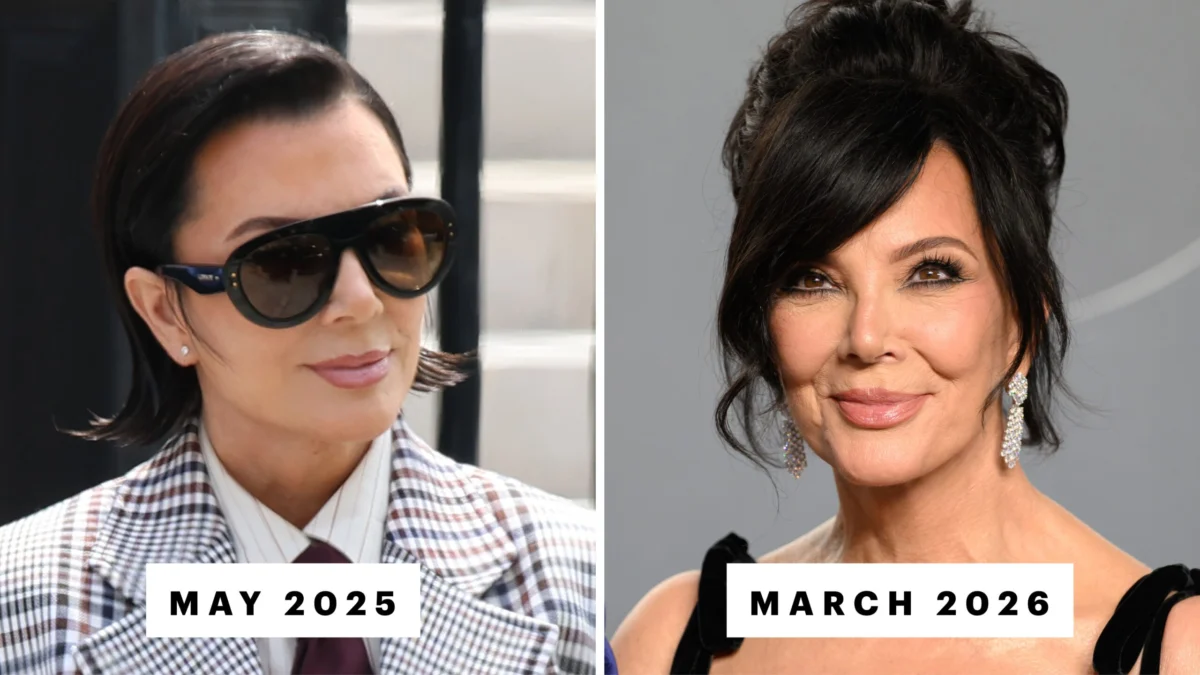
The recent discourse surrounding Kris Jenner’s facial appearance, specifically her alleged facelift, has ignited a fervent debate within both celebrity circles and the broader plastic surgery community. While the very nature of discussing a public figure’s cosmetic procedures can elicit skepticism, the persistent media attention and the online commentary surrounding Jenner’s evolving look necessitate a closer, more informed examination. This article delves into the reported events, the surgical techniques involved, and the wider implications for transparency and patient trust in the field of aesthetic medicine.
The Genesis of a Media Frenzy
The current wave of public discussion appears to have been amplified by a report from Radar Online, which quoted an anonymous source close to Jenner. This source claimed that Jenner was dissatisfied with the results of her facelift, stating, "Kris Jenner’s facelift is already slipping. She is not happy with the results and is desperate to get a revision—she feels it has not held the way she expected." This assertion, while unverified, quickly permeated social media, prompting a cascade of reactions from plastic surgeons and enthusiasts alike.
The immediate aftermath saw numerous surgeons offering their unsolicited opinions on social media platforms, analyzing Jenner’s appearance and speculating about the specific type of facelift she may have undergone. This public commentary ranged from critiques of the purported SMAS (Superficial Musculoaponeurotic System) facelift technique to broader discussions about the efficacy and longevity of different surgical approaches.
However, this public dissection of a patient’s potential surgical outcomes has also drawn criticism. Dr. Charles Galanis, a Beverly Hills plastic surgeon, voiced his concerns in his Instagram stories, refuting the validity of the Jenner rumor based on his own "very reliable source." He articulated a broader sentiment within the medical community, stating, "The number of people I’ve seen gleefully hopping on social media platforms to knock down the surgeon or knock down the cost or knock down the technique, it doesn’t sit right with me. I just think as a collective, we can do more to prop each other up or educate the masses in a positive way, without having to step on someone else to do it." This sentiment highlights a growing unease with the public nature of these discussions, which can potentially erode patient trust and professional integrity.
A Chronology of Reported Procedures and Public Statements
To understand the current situation, it is crucial to establish a timeline of publicly available information regarding Kris Jenner’s cosmetic procedures.
- May 2025: Page Six reported that a representative for Kris Jenner confirmed that New York City plastic surgeon Dr. Steven Levine was responsible for Jenner’s "recent work." This confirmation was brief and provided no further details regarding the nature or extent of the procedures.
- Following the May 2025 Confirmation: Jenner herself addressed the topic in an interview with Vogue Arabia. She confirmed undergoing a facelift, describing it as a "refresh" of a procedure she had received approximately 15 years prior. She also discussed her surgery and expressed satisfaction with her surgeon during an appearance on the "Not Skinny But Not Fat" podcast. Dr. Levine was subsequently seen attending Jenner’s 70th birthday party, further cementing their professional association.
- Lack of Transparency: Notably, Jenner did not disclose specific details about her surgery or its timing. Furthermore, unlike other public figures such as Denise Richards, who has openly shared detailed accounts of her facelift, including standardized before-and-after photographic documentation, Jenner opted against such comprehensive disclosure. The images that circulated online during the period of hype surrounding Jenner and Dr. Levine were often taken in public settings like Paris, professionally styled, and frequently obscured by sunglasses, making definitive assessments of surgical outcomes challenging. As Allure contributor Val Monroe astutely observed, "there’s really no way of knowing what Kris Jenner actually looks like."
This absence of clear, unfiltered visual evidence, combined with the limited official statements, has created a fertile ground for speculation and conjecture.
Surgical Techniques Under Scrutiny: SMAS vs. Deep Plane Facelifts
A significant aspect of the ongoing discussion revolves around the specific surgical techniques employed. While online speculation has often leaned towards a "deep plane" facelift, it is widely understood within the plastic surgery community that Dr. Steven Levine specializes in a particular type of SMAS facelift.

Understanding SMAS Facelifts
The SMAS refers to the superficial musculoaponeurotic system, a fibrous tissue layer located beneath the skin and above the deeper facial muscles. Surgeons manipulate this layer during facelifts to achieve a more youthful appearance. Dr. Levine is known for his approach involving a lateral SMASectomy, a technique that involves removing a strip of the SMAS tissue in the lower face and then re-suturing its edges. This procedure is often performed in conjunction with a deep structural neck lift, which aims to sculpt the tissues beneath the platysma muscle.
The Deep Plane Facelift Alternative
In contrast, deep plane facelifts involve accessing and manipulating tissues beneath the SMAS layer, specifically releasing certain ligaments that contribute to facial aging. Proponents of this technique argue that it allows for a more comprehensive repositioning of facial tissues, leading to longer-lasting and more natural-looking results. They assert that by addressing the underlying anatomical structures, the deep plane approach achieves a "tension-free" reset, which contributes to its purported longevity.
The debate over which technique is superior or more durable is ongoing. While some surgeons believe traditional SMAS lifts may show signs of aging within three to five years, newer research offers a more nuanced perspective.
Longevity of Facelift Procedures: Emerging Data
Recent scientific inquiry is beginning to shed light on the comparative longevity of different facelift techniques. A study published in Facial Plastic Surgery & Aesthetic Medicine investigated the duration of results for both deep plane and SMAS facelifts.
Key Findings from the Study:
- Deep Plane Facelifts: The study reported that deep plane facelifts last, on average, 10.9 years. This duration was slightly longer for patients undergoing their first lift at or before age 53 (averaging 12.4 years) and shorter for those who waited until age 54 or older (averaging 9.3 years).
- SMAS Facelifts: The research also analyzed longevity data for SMAS facelifts, estimating an approximate lifespan of 8 to 12 years.
- Revision Surgeries: Importantly, the study also noted that patients who had undergone three or four previous deep-plane facelifts tended to return for revisions sooner than those returning after their primary or initial deep-plane lift. This suggests that while deep plane facelifts offer significant longevity, subsequent procedures may have different timelines for optimal results.
These findings are significant because they provide a data-driven context for understanding facelift outcomes. The study underscores two critical factors influencing facelift longevity: patient age at the time of surgery and the number of previous facelift procedures.
Age and Multiple Procedures: Factors in Facelift Durability
Kris Jenner, at the time of her reported facelift, was 69 years old. The study’s findings suggest that facelifts on older patients may inherently have a shorter duration compared to those performed on younger individuals. This is a physiological reality, as the skin’s elasticity and the body’s healing capacity naturally change with age.
Furthermore, the fact that Jenner had undergone a previous facelift 15 years prior also plays a role. The study’s observation regarding revision surgeries indicates that subsequent facelifts, even of the same type, might have different longevity profiles. This is likely due to the cumulative effects of surgery, scar tissue formation, and ongoing natural aging processes.
The "Honeymoon Period" and Realistic Expectations
Beyond the technical aspects of surgical techniques and their longevity, it is crucial to consider the natural progression of healing and the typical post-operative experience. Surgeons often refer to the initial post-operative phase as the "honeymoon period." During this time, the face is typically swollen, appearing taut and smooth. This can create an exceptionally youthful and revitalized look before the swelling fully subsides and the tissues settle into their final position.
.jpg)
This phenomenon is a normal and expected part of any facelift recovery. It is why experienced surgeons strongly advise against judging the final outcome of a facelift until at least the one-year mark. The initial "wow" factor can gradually give way to a more realistic representation of the surgical results as the face settles.
In Kris Jenner’s case, the images that circulated online during the period of heightened interest may have captured her during this early, potentially swollen phase. Without clear, unfiltered "before" and "after" images taken under standardized conditions, it remains challenging for the public and even for medical professionals to make definitive judgments about the long-term success or any alleged decline in the results.
Implications for Transparency and Professional Conduct
The public scrutiny of Kris Jenner’s facelift, while fueled by celebrity culture, brings to the forefront important discussions about transparency and ethical conduct within the plastic surgery field.
The Ethics of Public Commentary
The tendency for surgeons to publicly critique or comment on the work of their peers, often based on limited information and visual evidence, raises ethical concerns. As Dr. Galanis highlighted, such actions can be detrimental to the profession’s reputation and can discourage open and honest communication between patients and surgeons. A collective effort towards positive education and mutual support, rather than public criticism, is advocated by many within the medical community.
The Importance of Patient Privacy and Informed Consent
While public figures often live under a microscope, their medical procedures are still private matters. The unverified claims and subsequent public dissection of Jenner’s alleged dissatisfaction underscore the importance of patient privacy. Furthermore, the discussion highlights the need for comprehensive informed consent, ensuring that patients fully understand the potential outcomes, risks, and recovery timelines associated with any surgical procedure.
The Role of Media in Shaping Perceptions
The media plays a significant role in shaping public perception of cosmetic surgery. The sensationalized reporting of unverified claims, combined with the visual ambiguity of celebrity appearances, can create unrealistic expectations or foster unwarranted anxieties about surgical procedures. A more responsible approach would involve prioritizing factual reporting, expert analysis grounded in evidence, and a commitment to patient privacy.
Conclusion: Navigating the Uncharted Territory of Celebrity Aesthetics
The narrative surrounding Kris Jenner’s facelift is a complex tapestry woven from media reports, anonymous sources, public speculation, and the inherent complexities of plastic surgery. While the allure of celebrity gossip is undeniable, it is essential to approach such discussions with a critical eye, seeking factual information and expert analysis.
The enduring questions about Kris Jenner’s surgical results remain largely unanswered, shrouded in the veil of privacy and the subjective nature of aesthetic perception. However, the conversation has illuminated vital aspects of modern cosmetic surgery, including the nuances of different surgical techniques, the science of facelift longevity, and the critical importance of ethical conduct and transparency within the medical and media landscapes. As the public continues to engage with these topics, a commitment to informed dialogue, grounded in evidence and respect for individual privacy, will be paramount.
