
 By Eva Lovia
As the vernal equinox ushers in a season of renewal, the agricultural landscape transforms, offering a vibrant palette of fresh produce that promises to invigorate culinary practices. Local farmers’ markets, long a cornerstone of community and sustainable sourcing, are now brimming with the season’s freshest offerings. The characteristic sweetness of newly harvested carrots, the satisfying crispness of asparagus—whether enjoyed raw or perfectly roasted—and the delightful pop of fresh peas collectively contribute to meals that exude brightness and vitality. This seasonal shift presents an opportune moment for consumers and culinary professionals alike to explore innovative ways to integrate these nutrient-dense ingredients into their diets.
Registered Dietitian Nutritionist Molly Knudsen, M.S., RDN, highlights this culinary transition, emphasizing the unique appeal of spring vegetables. "There’s an inherent freshness and sweetness to produce harvested in the spring," Knudsen explains. "It’s a natural invitation to lighten up our meals and incorporate ingredients that are not only delicious but also packed with essential vitamins, minerals, and fiber." Knudsen points to carrots, asparagus, and peas as perennial favorites that offer versatility and significant nutritional benefits, making them ideal candidates for repeated inclusion in weekly meal planning.
The Nutritional Powerhouse of Spring Vegetables
The resurgence of these specific vegetables in the spring is not merely a matter of seasonal availability; it is rooted in their distinct nutritional profiles and their ability to support overall health and well-being.
Carrots: A Visionary Staple
Carrots, particularly the young, tender varieties available in spring, are celebrated for their rich concentration of beta-carotene. This potent plant compound is converted by the body into vitamin A, a critical nutrient for maintaining optimal vision, bolstering immune function, and ensuring the integrity of skin health. Beyond their vitamin A content, carrots are a valuable source of dietary fiber. This essential component plays a crucial role in promoting digestive regularity and contributing to stable blood sugar levels, mitigating sharp fluctuations that can impact energy and mood. The natural sweetness of spring carrots makes them particularly amenable to a variety of culinary applications, from savory dishes to baked goods.
Asparagus: A Gut Health Ally
Asparagus stands out for its significant contribution of prebiotic fiber. This type of fiber acts as nourishment for beneficial gut bacteria, fostering a healthier and more balanced gut microbiome. A robust gut microbiome is increasingly recognized for its influence on not only digestive health but also on immune function and even mental well-being. Furthermore, asparagus is a notable source of antioxidant compounds, including glutathione. Glutathione is a powerful molecule that assists the body in combating oxidative stress, a process linked to cellular damage and aging. While present in asparagus, maintaining optimal glutathione levels can also be supported through dietary supplements, as indicated by research exploring its role in detoxification and cellular repair.
Peas: A Sweet and Nutrient-Dense Addition
Fresh peas, with their characteristic sweetness and satisfying texture, offer a burst of flavor and a range of nutrients. While often overlooked in favor of other vegetables, peas provide a good source of plant-based protein and fiber, contributing to satiety and sustained energy release. They also contain important vitamins and minerals, including vitamin K, vitamin C, and folate, which are vital for various bodily functions, from bone health to cell growth.
Culinary Innovations Featuring Spring Produce
Knudsen advocates for creative approaches to incorporating these seasonal stars into daily meals, highlighting three specific dishes that exemplify taste, simplicity, and nutritional value.
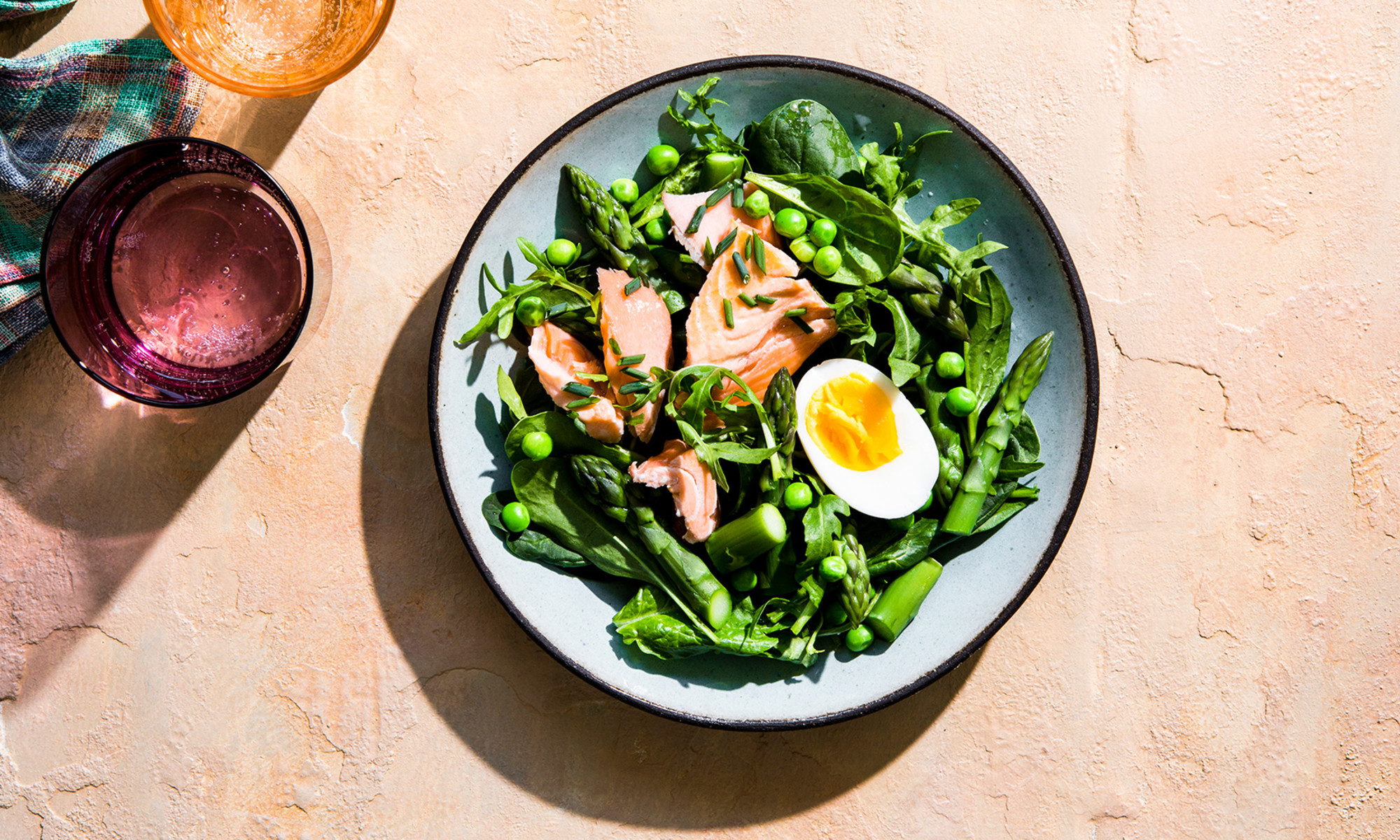
One-Bowl Carrot Cake Bars: A Healthier Indulgence
Carrot cake, with its comforting warmth and subtle spice, often evokes feelings of celebration and indulgence. This particular recipe for one-bowl carrot cake bars offers a streamlined approach to enjoying this classic flavor profile, minimizing cleanup while maximizing taste and nutritional benefits. The recipe prioritizes fresh carrots, allowing their inherent sweetness and vibrant color to shine through.
"The beauty of this recipe is its simplicity," Knudsen notes. "It uses minimal ingredients and a single bowl, making it accessible for busy individuals. By relying on natural sweeteners and whole ingredients, it transforms a traditionally decadent dessert into a wholesome treat." The bars can be adapted to be gluten-free by utilizing certified gluten-free oat flour, further enhancing their appeal to a broader audience. They serve as an ideal afternoon snack or a guilt-free dessert option, providing sustained energy thanks to the complex carbohydrates and fiber from the carrots and oats.
Nutritional Analysis: A typical serving of these carrot cake bars, when prepared with whole wheat flour or oat flour and a moderate amount of natural sweetener, can provide approximately 150-200 calories. The fiber content can range from 3-5 grams, contributing significantly to daily intake recommendations. The beta-carotene from the carrots also contributes to meeting the recommended daily allowance for Vitamin A, which for adults typically falls between 700-900 mcg RAE (Retinol Activity Equivalents).
Grilled Asparagus with Ramps & Spring Onions: A Celebration of Alliums
This dish, described by recipe creator Ned Baldwin as "a party for spring vegetables," truly embodies the essence of seasonal dining. The combination of grilled asparagus with the pungent, slightly garlicky notes of ramps and spring onions creates a flavor profile that is both bold and clean. This vibrant side dish is designed to complement a wide range of proteins, adding a fresh, seasonal dimension to any meal.
The inclusion of ramps and spring onions, members of the allium family, introduces not only a distinct savory flavor but also beneficial sulfur compounds known for their potential health-promoting properties, including support for immune function and cardiovascular health. The grilling method for asparagus not only enhances its natural sweetness but also imparts a desirable smoky char, adding complexity to the dish.
Background Context: Ramps, also known as wild leeks, are native to eastern North America and are highly prized for their unique, intense garlic-onion flavor. Their seasonality is brief, typically appearing in early spring, which contributes to their status as a delicacy. Spring onions, while more widely available, share a similar mild onion flavor that complements the asparagus beautifully.
Cauliflower Salad with Sweet Peas: A Cruciferous Delight
This cauliflower salad presents an often-underutilized cruciferous vegetable in a new light. Roasting cauliflower brings out its natural sweetness and creates appealing caramelized edges, adding depth and texture to the salad. The vibrant pop of sweet peas, which can be substituted with frozen peas during off-seaisons, provides a burst of freshness and a touch of sweetness that contrasts delightfully with the roasted cauliflower.
The salad is elevated by a creamy mint-pea yogurt dressing. This herbaceous and cooling dressing, made with fresh mint leaves and Greek yogurt, provides a refreshing counterpoint to the roasted vegetables. Greek yogurt, a good source of protein and probiotics, adds a creamy texture without the heaviness of traditional dressings. The addition of delicate microgreens as a garnish introduces subtle sweetness and a visually appealing finish, further enhancing the overall sensory experience of the dish.

Analysis of Implications: The increased consumption of cruciferous vegetables like cauliflower has been linked in numerous studies to a reduced risk of certain cancers, particularly colorectal cancer, due to their rich content of glucosinolates and other phytochemicals. This salad offers a palatable and nutrient-dense way to increase intake of these beneficial compounds. The inclusion of fresh herbs like mint also offers additional antioxidant and anti-inflammatory properties.
The Broader Impact: Seasonal Eating and Sustainable Practices
The emphasis on spring produce extends beyond individual health benefits to encompass broader implications for food systems and consumer behavior. Embracing seasonal eating patterns fosters a deeper connection to the agricultural calendar and supports local economies.
Timeline and Chronology:
- Early Spring (March-April): Emergence of early greens, radishes, spring onions, and the first tender asparagus.
- Mid-Spring (April-May): Peak availability of carrots, peas, strawberries, and continued abundance of asparagus and greens.
- Late Spring (May-June): Transition towards early summer produce, with continued availability of many spring favorites before the full swing of summer harvests.
Supporting Data: According to the USDA, consumption of fresh vegetables varies throughout the year, with a noticeable increase in purchasing and consumption of seasonal items during their peak availability. This trend is often driven by lower prices, improved quality, and increased consumer awareness of the benefits of fresh, locally sourced produce. Data from the National Farmers Market Directory indicates a consistent growth in the number of farmers’ markets across the United States, reflecting a growing consumer demand for direct access to seasonal produce.
Official Responses and Industry Trends: Agricultural organizations and public health bodies consistently promote dietary guidelines that encourage the consumption of a wide variety of fruits and vegetables, with an emphasis on fresh, seasonal options. Initiatives aimed at promoting farm-to-table dining and supporting local agriculture are gaining momentum, driven by consumer interest in transparency, sustainability, and the nutritional advantages of freshly harvested foods. The culinary industry, from fine dining restaurants to home kitchens, is increasingly aligning with these trends, seeking out and highlighting seasonal ingredients.
Broader Impact and Implications: The widespread adoption of seasonal eating practices can have a significant positive impact on environmental sustainability. By sourcing produce that is in season and grown locally, consumers can reduce their carbon footprint associated with long-distance transportation and energy-intensive greenhouse cultivation. Furthermore, supporting local farmers contributes to the economic viability of agricultural communities and preserves valuable farmland. The shift towards incorporating more plant-based meals, often naturally aligned with seasonal availability, also aligns with global efforts to promote more sustainable dietary patterns.
The Takeaway: A Season of Nourishment and Renewal
Spring produce offers a compelling opportunity to reset dietary habits and embrace ingredients that are both inherently flavorful and profoundly nutrient-dense. Whether one chooses to engage in the simple pleasure of baking, the robust technique of grilling, or the ease of assembling a vibrant salad, prioritizing seasonal vegetables is a straightforward yet impactful strategy for enhancing the nutritional quality and sensory appeal of meals. This approach not only enriches individual well-being but also contributes to a more sustainable and connected food system, celebrating the natural bounty that each season provides.
