
 By Nana Wu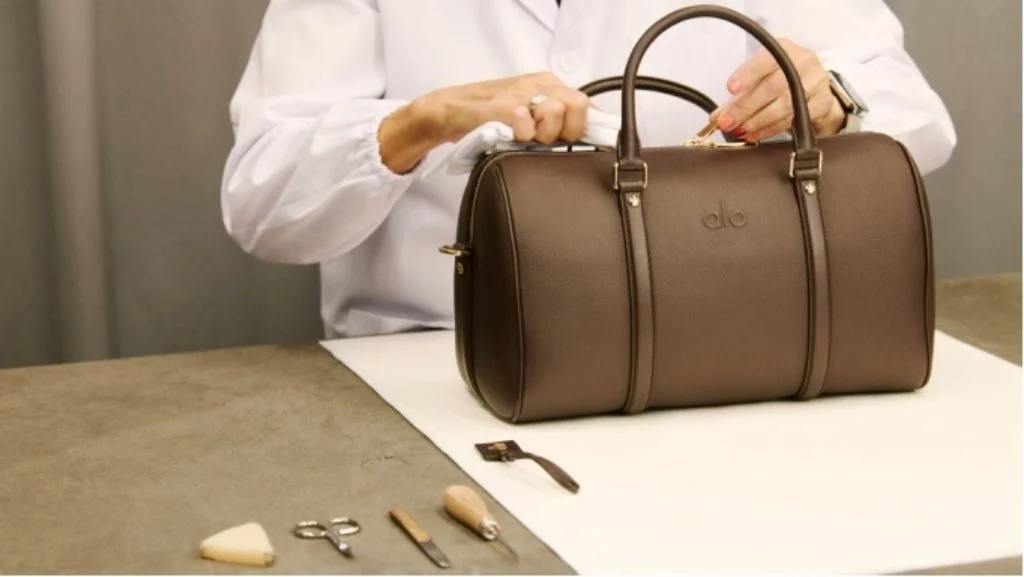
The California-based lifestyle and activewear giant Alo Yoga has officially announced its foray into the high-end luxury accessory sector, signaling a significant strategic pivot for the brand. Known primarily for its premium performance wear and "studio-to-street" aesthetic, Alo is now venturing into the competitive world of luxury leather goods with a new collection of handbags crafted entirely in Italy. This move places the brand in direct competition with established European fashion houses, with price points for the new collection ranging from $1,200 to $3,600. The launch features three distinct silhouettes, marking the brand’s most ambitious effort to date to transition from an athletic apparel provider to a comprehensive global luxury lifestyle house.
The Evolution of Wellness into High-End Luxury
The introduction of the Italian-made handbag line represents a calculated step in Alo Yoga’s long-term growth strategy. Since its inception in 2007 by co-founders Danny Harris and Marco DeGeorge, the Los Angeles-headquartered company has focused on the intersection of mindfulness, movement, and fashion. However, this latest announcement underscores a broader trend within the retail industry: the "luxurization" of wellness.
Commenting on the strategic motivation behind the launch, Alo co-founder and CEO Danny Harris emphasized that the move into high-end accessories is a natural progression for a brand that views health as the ultimate status symbol. In an interview with Vogue, Harris articulated a vision where traditional markers of wealth are being replaced by indicators of physical and mental well-being. "It’s the perfect progression for Alo to be able to move into this category," Harris stated. "Health is wealth. Health is luxury wellness, mindfulness, mental wellness. This is the future."
Harris’s comments highlight a shift in consumer behavior, particularly among the affluent demographic that Alo serves. The brand is betting on the idea that its core community—one that prioritizes Pilates sessions, yoga intentions, and holistic health—is looking for high-end products that complement a wellness-focused lifestyle rather than a nightlife-focused one. "Our community, our culture, is not necessarily going out to clubs and drinking," Harris noted. "We’re not hanging out at the café sipping a martini and carrying a handbag. We’re at a Pilates studio, or we’re setting an intention in our yoga class and focusing on our health and wellness—and carrying a handbag."
Product Specifications and Craftsmanship
The decision to manufacture the handbags in Italy is a critical component of Alo’s entry into the luxury market. By utilizing Italian artisanal techniques and materials, the brand aims to justify its premium pricing, which exceeds that of traditional "bridge" luxury brands and enters the territory of heritage houses like Prada, Gucci, and Celine.
The collection consists of three primary silhouettes, designed to cater to various aspects of the modern consumer’s life—from professional settings to travel and daily errands. While the brand has built its reputation on synthetic performance fabrics like its signature "Airlift" and "Airbrush" materials, this collection focuses on high-quality leather, structured frames, and minimalist branding. This "quiet luxury" approach aligns with current fashion trends that favor understated elegance and craftsmanship over overt logos.
The pricing structure, which tops out at $3,600, serves as a clear indicator of the brand’s target audience. By positioning itself in the multi-thousand-dollar bracket, Alo is moving beyond the "athleisure" category and into the "ultra-luxury" space. This move is supported by a bespoke retail strategy designed to provide an elevated purchasing experience.
Launch Timeline and Distribution Strategy
Alo Yoga has outlined a phased rollout for the collection to build anticipation and maintain exclusivity. The launch sequence is scheduled as follows:
- September 9: The official campaign launch will take place, accompanied by the opening of pre-orders. This digital-first approach allows the brand’s global following to secure pieces before they hit physical shelves.
- September 22: The collection will become available for in-store pickup and direct purchase at 23 select retail locations.
- Concierge Service: To mirror the experience of high-end boutiques, online orders will be facilitated through a "concierge-style" experience, offering personalized customer service and white-glove delivery options.
The physical retail rollout is highly selective, focusing on high-traffic luxury hubs. Key locations confirmed for the launch include Alo’s flagship stores in Beverly Hills, SoHo in New York City, the mountain resort town of Aspen, and the prestigious Regent Street location in London. These locations were chosen specifically for their proximity to high-net-worth individuals and their status as global fashion destinations.
Market Context: The Rise of Active-Luxury
The move by Alo Yoga occurs at a time when the global luxury goods market is undergoing a transformation. According to market research data from firms like Bain & Company, the luxury sector has seen a sustained interest in "lifestyle" products that integrate into the daily routines of consumers. The global luxury handbag market, valued at approximately $72 billion in 2023, is projected to continue growing as consumers seek out durable, high-quality investments.
Alo’s expansion is reflective of a broader industry phenomenon where the boundaries between athletic brands and luxury brands are blurring. Historically, activewear brands like Lululemon have dominated the premium athletic space, but few have successfully bridged the gap into true high-fashion accessories. Conversely, luxury houses like Dior and Louis Vuitton have increasingly introduced "sport" lines. Alo Yoga’s entry into leather goods represents an attempt to claim the middle ground: a brand born in the yoga studio that possesses the cultural capital to compete on the shelves of Bond Street or Rodeo Drive.
The "halo effect" of a luxury handbag line is also expected to benefit Alo’s core apparel business. By establishing itself as a high-fashion player, the brand can elevate the perceived value of its entire product catalog, reinforcing its position as a premium choice in a crowded market.
Broader Implications for the Fashion Industry
Industry analysts suggest that Alo Yoga’s pivot could serve as a blueprint for other lifestyle brands looking to scale. The success of this venture will depend heavily on the brand’s ability to convince traditional luxury buyers that a label associated with leggings can also produce investment-grade leather goods.
Several factors work in Alo’s favor:
- Celebrity Endorsement: Alo has a well-documented history of organic and paid partnerships with high-profile figures such as Kendall Jenner, Rosie Huntington-Whiteley, and Jimmy Butler. These associations provide the "social proof" necessary to compete in the luxury tier.
- Vertical Integration: By controlling its retail environment and offering an "experience" (many Alo stores include yoga studios and organic cafes), the brand creates a 360-degree ecosystem that traditional department stores struggle to replicate.
- Cultural Alignment: The shift toward "mindful consumption" favors brands that promote health and longevity. As CEO Danny Harris noted, the modern consumer is more likely to invest in a bag that accompanies them to a wellness retreat than one designed solely for a gala.
However, the move is not without risks. The luxury handbag market is notoriously difficult to penetrate, with consumers often remaining loyal to heritage brands with decades—or centuries—of history. Alo will need to prove that its "Made in Italy" credentials translate to the durability and timelessness that justify a $3,600 price tag.
Official Responses and Industry Outlook
While competitors in the activewear space have yet to issue formal responses, the fashion community has noted the boldness of Alo’s pricing strategy. Traditional luxury retailers have observed that Alo’s move into Regent Street and Aspen puts them in the same physical and psychological space as brands like Moncler and Hermès.
The launch of the handbag line is also expected to influence Alo’s future product roadmap. If successful, it is likely that the brand will continue to expand into other high-margin categories, such as footwear, fine jewelry, or expanded skincare and beauty lines. This diversification is essential for the brand as it prepares for potential future moves, such as an initial public offering (IPO) or further international expansion.
In conclusion, Alo Yoga’s introduction of Italian-made leather bags is more than just a product launch; it is a statement of intent. By redefining luxury through the lens of wellness, the brand is attempting to capture a new generation of affluent consumers who value mindfulness as much as craftsmanship. As the September 22 retail date approaches, the fashion industry will be watching closely to see if the "wellness is wealth" philosophy can successfully disrupt the established order of the luxury accessory market.
