
 By Nana Wu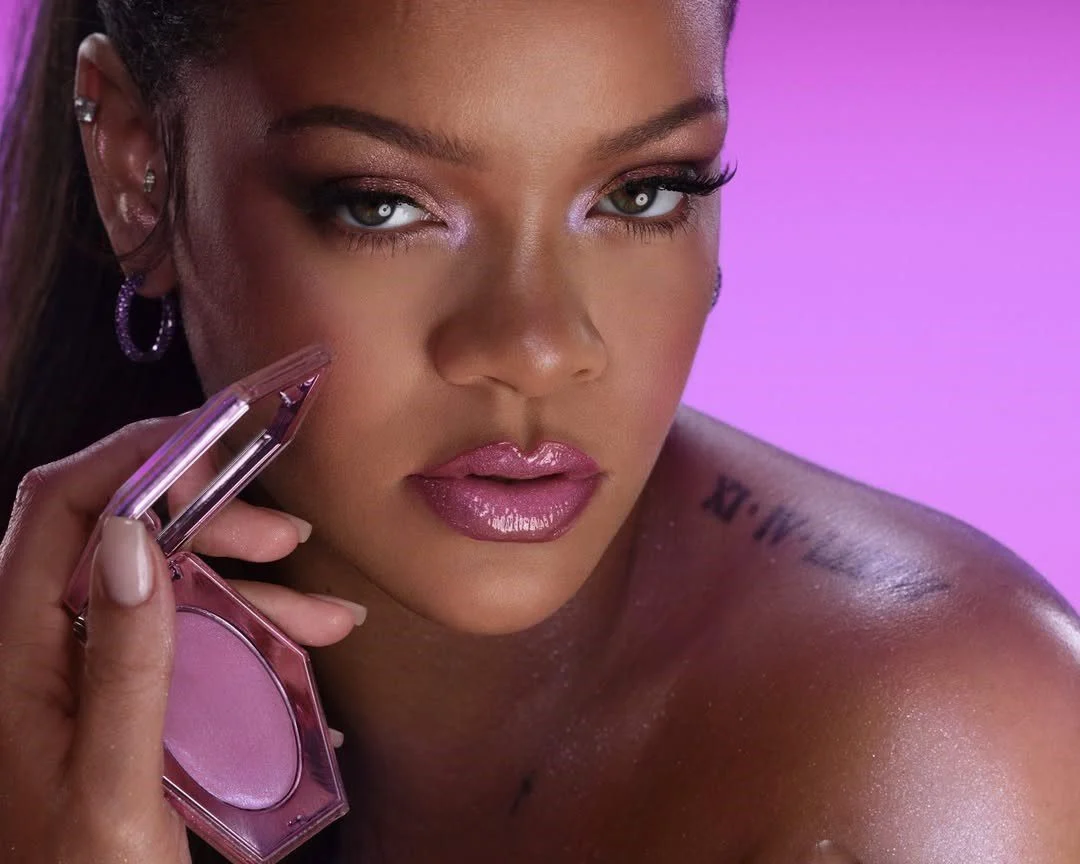
Louis Vuitton Moët Hennessy (LVMH), the world’s leading luxury goods conglomerate, is reportedly exploring the sale of its 50% stake in Fenty Beauty, the cosmetics powerhouse co-owned by global superstar Rihanna. According to reports from Reuters and industry insiders, the French luxury group has engaged the services of investment bank Evercore to advise on the potential transaction. This move follows a series of high-profile divestments and strategic pivots by LVMH as it navigates a cooling luxury market and shifts its focus back toward its wholly-owned heritage brands.
Fenty Beauty, which was launched in 2017 under the umbrella of LVMH’s Kendo Brands incubator, is widely credited with revolutionizing the beauty industry through its commitment to inclusivity and rapid, digitally-native marketing. While the brand remains a formidable player in the global prestige beauty sector, generating an estimated $450 million in sales in 2024, the potential sale signals a significant shift in LVMH’s long-term strategy regarding shared-ownership ventures and celebrity-led partnerships.
The Genesis and Evolution of Fenty Beauty
The partnership between Robyn "Rihanna" Fenty and LVMH began as a landmark deal in the mid-2010s, marking one of the first times a luxury conglomerate of LVMH’s stature had built a brand from the ground up around a contemporary celebrity. Launched in September 2017, Fenty Beauty debuted simultaneously in 1,600 stores across 17 countries, a logistical feat managed through LVMH’s retail arm, Sephora.
The brand’s immediate success was driven by its "Pro Filt’r" foundation, which launched with an unprecedented 40 shades (later expanded to 50), specifically addressing a long-standing gap in the market for deeper skin tones. This strategy, dubbed "The Fenty Effect," forced competitors across the industry to expand their own shade ranges to remain relevant. Within its first few weeks of operation, Fenty Beauty recorded $100 million in sales, and by the end of its first full year, it had generated more than $550 million in revenue.
Over the subsequent years, the Fenty ecosystem expanded to include Fenty Skin (2020) and Fenty Hair (2024). However, the original cosmetics line remains the crown jewel of the partnership. Industry analysts currently estimate that a full valuation of Fenty Beauty could sit between $1 billion and $2 billion, depending on the structure of the deal and the level of future involvement guaranteed by Rihanna herself.
A Strategic Cleanup: The LVMH Divestment Trend
The news of a potential Fenty Beauty sale does not exist in a vacuum. It follows a series of recent moves by LVMH Chairman and CEO Bernard Arnault to streamline the group’s sprawling portfolio. For much of the last decade, LVMH aggressively pursued acquisitions and partnerships to dominate every facet of the luxury lifestyle, from high fashion and leather goods to spirits and hospitality. However, a shifting macroeconomic environment has prompted a "portfolio cleanup."
In recent months, LVMH has offloaded several brands that no longer align with its core growth objectives. In late 2024, the group sold Off-White, the streetwear label founded by the late Virgil Abloh, to Bluestar Alliance. This followed the 2019 decision to allow Stella McCartney to buy back LVMH’s stake in her eponymous label, returning it to independent ownership. Furthermore, persistent rumors suggest that Marc Jacobs, another brand in which LVMH holds a significant stake, may be prepared for a sale or initial public offering (IPO).
Market analysts suggest that LVMH is moving away from "synergy-light" brands—those that require heavy investment but do not necessarily feed into the group’s broader luxury ecosystem—to focus on its "powerhouse" maisons. By shedding lower-growth or shared-equity assets, LVMH can concentrate its capital and management expertise on its most profitable pillars: Louis Vuitton, Christian Dior, and Sephora.
The Shift Toward In-House Craftsmanship and Heritage
A key driver behind the potential divestment of Fenty Beauty is LVMH’s renewed focus on in-house innovation and the "maison" model. While Fenty Beauty was a massive commercial success, it operated under Kendo, an incubator that functions somewhat independently of the traditional luxury houses.
In contrast, LVMH recently signaled a major push back into high-end, in-house cosmetics with the debut of "La Beauté Louis Vuitton." Led by renowned makeup artist Pat McGrath, this new line is positioned as a pinnacle of craftsmanship, innovation, and sustainability. Unlike the mass-prestige positioning of Fenty Beauty, the Louis Vuitton makeup line is designed to mirror the exclusivity and artisanal heritage of the brand’s leather goods.
Internal reports suggest that the initial reception to La Beauté Louis Vuitton has been exceptionally strong. This success has reinforced a belief within LVMH’s executive ranks that the group’s future in beauty lies in leveraging the prestige of its namesake brands rather than relying on celebrity-driven partnerships that, while lucrative, offer less control over long-term brand equity and intellectual property.
Financial Performance and Market Realities
Despite its cultural impact, Fenty Beauty faces a more challenging market than it did at its inception. The global beauty industry is currently experiencing a period of "normalization" after the post-pandemic boom. In 2024, the brand’s estimated $450 million in sales represents a solid performance, but it also reflects a deceleration compared to the explosive growth of its early years.
The luxury sector as a whole is grappling with a slowdown in consumer spending, particularly in key markets like China and the United States. High interest rates, geopolitical instability, and a shift in consumer preference toward "quiet luxury" have forced conglomerates to be more disciplined with their investments. For LVMH, which reported a slight organic revenue decline in its most recent quarterly earnings for the fashion and leather goods division, the priority is now margin preservation and the protection of its most valuable assets.
Implications for Rihanna and the Fenty Brand
For Rihanna, a potential sale of LVMH’s stake in Fenty Beauty could represent a pivotal moment in her career as a business mogul. As of 2024, Rihanna’s net worth is heavily tied to her business ventures, with Fenty Beauty being her most valuable asset. If LVMH exits, Rihanna could seek a new partner—perhaps a private equity firm or another beauty conglomerate like Estée Lauder or L’Oréal—or she could attempt to take the brand independent.
Rihanna also maintains a highly successful lingerie line, Savage X Fenty, which has raised hundreds of millions in venture capital and has frequently been the subject of IPO rumors. The decoupling of Fenty Beauty from LVMH might allow for a consolidation of her various business interests under a single holding company, providing more autonomy over the creative and strategic direction of the "Fenty" name.
However, the loss of LVMH’s infrastructure—specifically the manufacturing capabilities of Kendo and the guaranteed shelf space at Sephora—would be a significant hurdle. Any new owner would need to ensure that the brand maintains its tight integration with Sephora, which remains the primary driver of Fenty Beauty’s retail sales.
Industry Reaction and Future Outlook
While neither LVMH nor Evercore has officially commented on the reports, the news has sent ripples through the beauty and luxury industries. Competitors are closely watching to see how the valuation of Fenty Beauty holds up in a high-interest-rate environment. A successful sale at the $2 billion mark would validate the enduring power of celebrity-led brands, while a lower-than-expected price might signal that the "celebrity beauty" trend has reached a saturation point.
Industry consultants suggest that the potential sale of Fenty Beauty is a bellwether for the next phase of the luxury cycle. "We are moving out of an era of unfettered expansion and into an era of strategic refinement," says one luxury retail analyst. "LVMH is the industry leader, and when they start cleaning up their portfolio, others usually follow. They are betting that the future of luxury is found in deeper roots, not wider reach."
The timeline for a potential deal remains unclear. Given the complexity of the brand’s ownership structure and its deep integration with Sephora, any transaction would likely take months to finalize. For now, Fenty Beauty continues its operations as usual, recently launching new product lines and expanding its presence in emerging markets.
Conclusion
The potential divestment of Fenty Beauty marks the end of an era for LVMH. The partnership was a daring experiment that proved luxury conglomerates could successfully incubate and scale a modern, inclusive, and celebrity-led brand. However, as LVMH enters a more cautious economic chapter, its priorities are shifting back to the "maisons" that have defined its legacy for decades.
Whether Fenty Beauty finds a new home with another conglomerate or moves toward independence, its impact on the industry is undeniable. It transformed how beauty products are marketed and developed, making inclusivity a requirement rather than an afterthought. As LVMH refocuses on Louis Vuitton and Dior, the sale of Fenty Beauty would represent not a failure of the brand, but a strategic evolution of a conglomerate that is perpetually refining its definition of luxury.
