
 By admin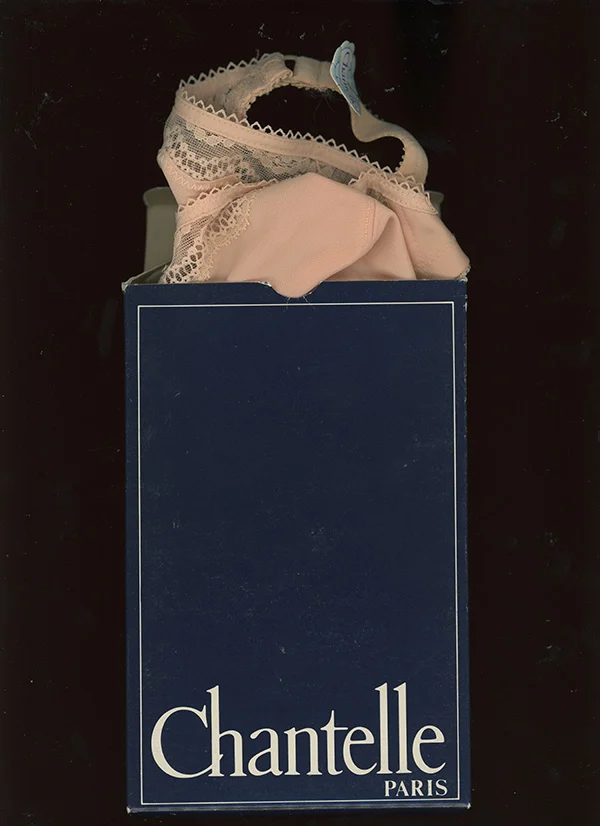
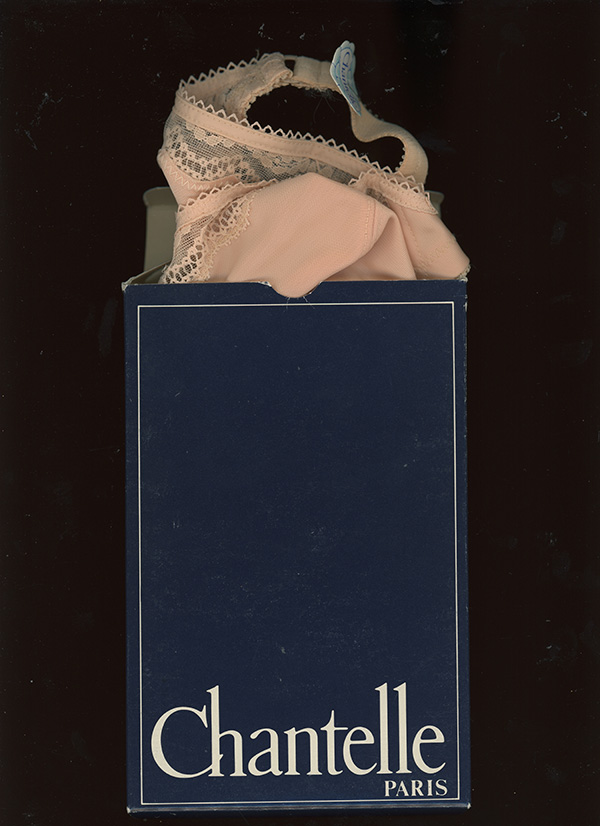
The French lingerie house Chantelle has officially marked its 150th anniversary, a milestone that distinguishes it as one of the oldest and most influential family-owned intimate apparel brands in the world. To commemorate this sesquicentennial, the company has unveiled a comprehensive retrospective titled Something More™, developed in collaboration with renowned fashion historian Salomé Dudemain. This initiative seeks to move beyond traditional nostalgia, presenting a rigorous academic and visual study of the brand’s evolution from 19th-century corsetry to the high-tech, seamless innovations of the modern era. By examining decades of internal archives, factory records, and vintage marketing campaigns, Dudemain has cataloged a history defined by a continuous dialogue between textile engineering and the shifting socio-political status of women.
The Archival Mission: Documenting a Century and a Half of Design
The collaboration with Salomé Dudemain represents a significant investment in the preservation of industrial heritage. Dudemain’s research involved a deep dive into the Chantelle archives, which include thousands of artifacts ranging from hand-drawn patterns and antique lace samples to historical manufacturing machinery. The goal was to identify the specific "intentions" behind each design era. According to the findings, the brand’s longevity is attributed to its ability to anticipate cultural shifts rather than merely reacting to them.
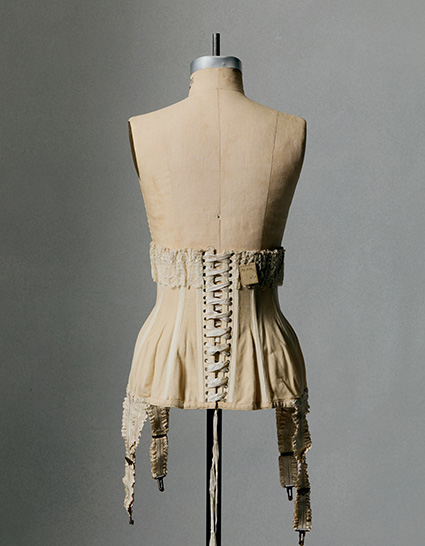
The archival project highlights how Chantelle transitioned from a manufacturer of elastic fabrics in the late 1800s to a global leader in finished luxury goods. This transition was underpinned by a commitment to "savoir-faire"—a French term for expert craftsmanship—that has been passed down through five generations of the Kretz family. The research underscores that Chantelle’s history is not just a timeline of products, but a reflection of the evolving female silhouette and the technological advancements that made those silhouettes possible.
Chronology of Innovation: From Restriction to Invisible Support
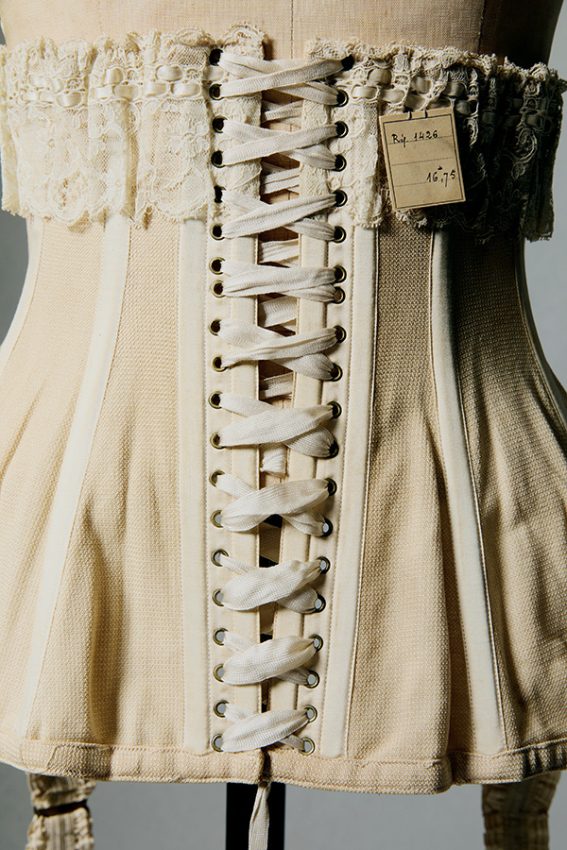
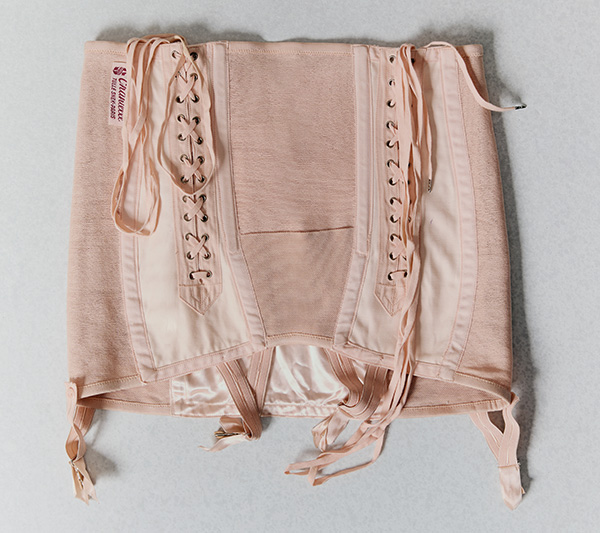
The history of Chantelle is intrinsically linked to the history of material science. In the early 20th century, the company’s focus was on the corset, a garment designed to mold the body into a rigid, idealized shape. However, as the 1950s approached, the brand began to pioneer the concept of "comfortable control." This period saw the introduction of elastic tulle and the integration of zip fastenings, which significantly reduced the time and effort required to don undergarments.
By 1950, Chantelle had established a design philosophy that would define the industry for decades: the belief that a superior undergarment should be "forgotten" by the wearer. This led to the development of seamless knitting techniques and the use of lighter, more breathable materials. The 1950s marked the birth of the modern girdle, which offered support without the bone-stiffening of previous eras, allowing women a greater range of motion as they entered a more active phase of social life.
The 1960s Pivot and the Épernay Industrial Expansion
The 1960s represented a critical juncture for the brand. As second-wave feminism began to take hold and more women entered the professional workforce, the traditional girdle began to be viewed as a symbol of restriction. While many contemporary brands struggled to adapt to this cultural shift, Chantelle executed a decisive pivot toward the brassiere.
This era saw the expansion of the company’s manufacturing capabilities, most notably with the establishment of a major production facility in Épernay, France. This facility became a cornerstone of the regional economy, creating hundreds of specialized jobs, primarily for women. The move was not only an industrial expansion but a social one, reinforcing the brand’s identity as a company for women, powered by women. During this time, iconic designs such as the Fête and Défi were launched. These products were marketed with a sense of "daring" and "celebration," signaling a move away from the utilitarian nature of early 20th-century foundation wear toward a hybrid of fashion and function.
The 1970s and 1980s: The Rise of Elastane and Microfiber
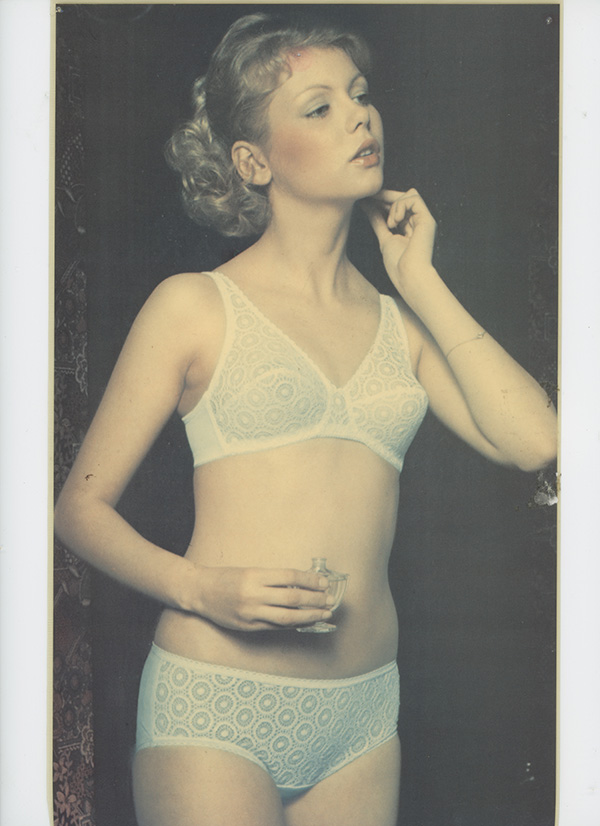
In the 1970s, the introduction of elastane (often known by the brand name Lycra) revolutionized the lingerie industry. Chantelle was among the first to utilize these high-stretch fibers to create lace that could move with the body. Marketing campaigns from this decade reflected this new-found freedom, featuring images of women dancing, working, and engaging in physical activity. The tagline "Dance. They won’t. Move. They won’t," referred to the stability of the garments during movement, a technical feat that was highly sought after as fashion became more form-fitting and casual.
The 1980s and 1990s saw further refinement through the use of microfiber. This technology allowed for a "second-skin" feel, enabling Chantelle to produce garments that were virtually invisible under the increasingly popular knitwear and silk fabrics of the era. This period also saw a shift in visual language. Lingerie was no longer strictly a hidden necessity; it became a subtle fashion statement. Details such as rhinestone motifs and intricate strap designs were introduced, reflecting a more expressive and personalized approach to intimate apparel.
Technical Data and Market Position
Chantelle’s 150-year trajectory is supported by significant industrial data. Today, the brand remains a dominant force in the global premium lingerie market, which is projected to grow steadily over the next decade. Industry analysts point to Chantelle’s diversified portfolio—which includes brands like Passionata and Chantal Thomass under the Groupe Chantelle umbrella—as a key factor in its resilience.
Data from the brand’s historical production logs indicates a consistent investment in Research and Development (R&D). On average, the development of a single new Chantelle bra model involves over 50 individual components and can take up to 18 months from initial concept to retail launch. This rigorous testing process ensures that the "forgotten" feel of the garment is maintained across a wide range of sizes, a technical challenge that remains a primary focus of the company’s engineering teams.
The "Something More™" Philosophy and Industry Impact
The anniversary theme, Something More™, serves as a mission statement for the brand’s future. According to industry observers, this philosophy addresses the modern consumer’s demand for brands that offer more than just a physical product. In an era of "fast fashion," Chantelle’s emphasis on longevity, ethical manufacturing, and historical continuity provides a point of differentiation.
The "Something More" campaign highlights several core pillars:
- Consistency of Purpose: Maintaining a family-owned structure that prioritizes long-term brand health over short-term quarterly gains.
- Attunement to Needs: Using consumer data and historical trends to anticipate the needs of diverse body types.
- The Power of Detail: The 1998 slogan, "it may be a detail, but it’s a Chantelle," continues to resonate, emphasizing that small engineering choices—such as the placement of a seam or the tension of a strap—are what define the user experience.
Broader Implications for the Global Fashion Heritage
The work of Salomé Dudemain in the Chantelle archives has broader implications for the fashion industry at large. It underscores the importance of corporate archiving as a tool for both brand identity and academic study. By documenting the technical evolution of lingerie, Chantelle provides a window into the history of women’s liberation and the industrialization of the textile sector in France.
Historians argue that the evolution of the undergarment is perhaps the most accurate barometer of social change. As Chantelle moves into its next 50 years, the brand is increasingly focusing on sustainability, incorporating recycled fibers and reducing its carbon footprint in the Épernay facility and beyond. This commitment to "Something More" now includes environmental stewardship, ensuring that the brand’s legacy remains relevant in a changing global climate.
Conclusion: A Legacy of Evolution
As Chantelle celebrates a century and a half of operation, the retrospective led by Salomé Dudemain confirms that the brand’s success is rooted in its refusal to remain static. From the restrictive corsets of 1876 to the invisible, high-performance fabrics of 2024, the company has maintained a consistent focus on the intersection of comfort and confidence.
The 150th-anniversary celebration is not merely a look back at what has been achieved; it is a strategic positioning for the future. By honoring its "savoir-faire" while embracing modern technology, Chantelle continues to shape the global dialogue on how women live, move, and feel in their own skin. The "Something More™" initiative serves as a reminder that in the world of fashion, the most enduring brands are those that listen as much as they design.
