
 By Nana Wu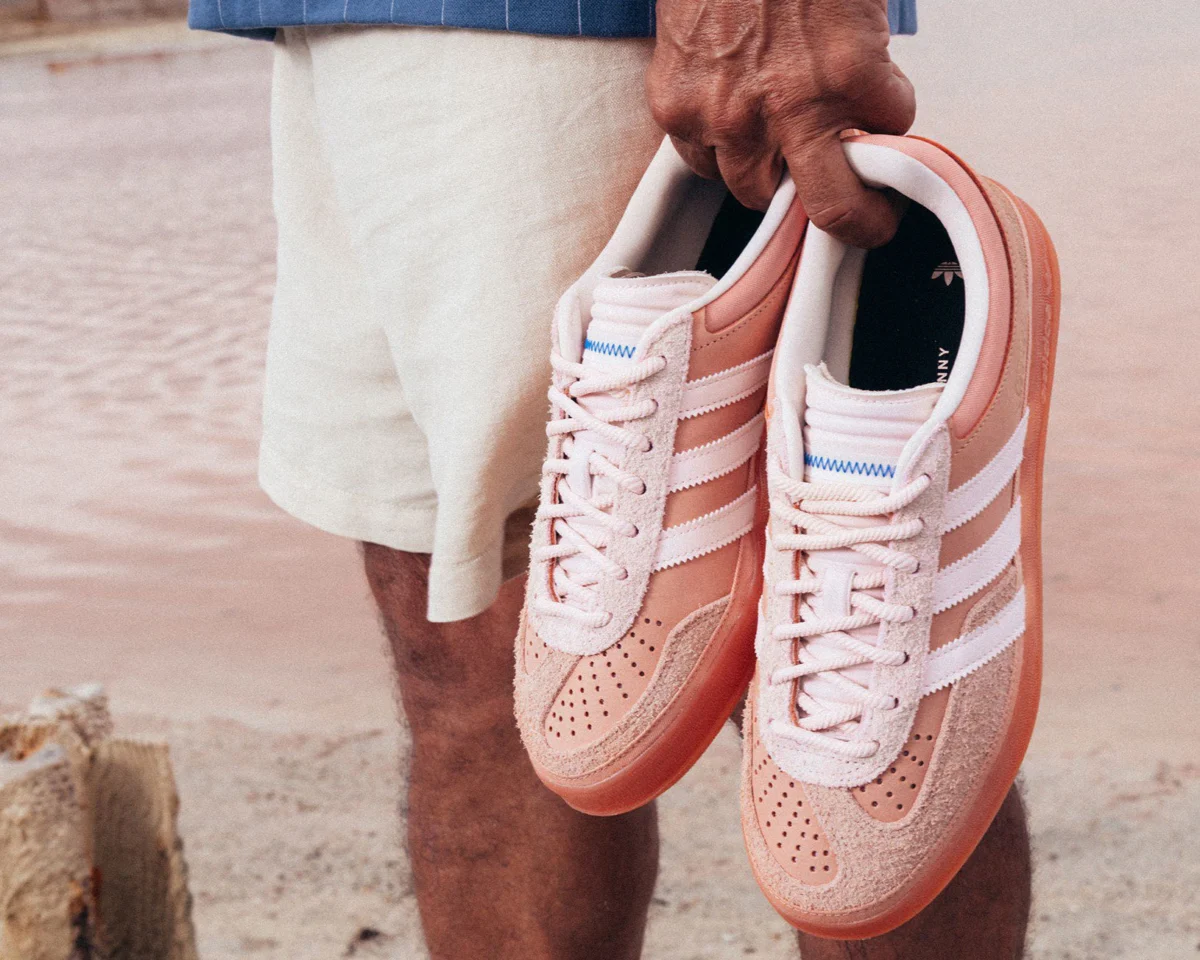
The 2025 sneaker landscape has been defined by a decisive shift away from the hyper-inflated resale market of previous years toward a more nuanced appreciation for design integrity, performance-to-lifestyle crossovers, and the long-overdue elevation of women’s signature silhouettes. The Snobette Sneaker Awards, an annual benchmark in the footwear industry, has released its final ranking of the ten shoes that most accurately captured the cultural zeitgeist over the past twelve months. Unlike traditional rankings that often prioritize sales volume or algorithm-driven hype, this year’s selection emphasizes "impact"—the ability of a silhouette to reflect the current social moment and establish a design language that will likely influence the industry well into 2026.
The selection process for the 2025 awards involved a multi-stage evaluation. The Snobette editorial team first curated a shortlist of candidates based on aesthetic innovation, cultural relevance, and market presence. This list was then analyzed and refined by a panel of six women whose professional lives are deeply rooted in the industry: Kari Cruz, Ticara Devone, Lee Glandorf, Key Lee, JerLisa, and Smoove. These panelists represent a cross-section of the footwear world, including design experts, journalists, community organizers, and content creators. Their collective input ensured that the final ranking accounted for both mainstream successes and "under the radar" gems that may have missed the broader commercial spotlight.
Methodology and Market Context
The sneaker market in 2025 faced significant headwinds, characterized by a cooling of the "hype" cycle and a renewed focus on brand heritage. Industry data suggests that consumers have become increasingly discerning, moving away from repetitive colorways of legacy models in favor of silhouettes that offer a distinct point of view. This shift is reflected in the No. 1 pick, which signals a potential turning point for the world’s largest sportswear brand.
A central theme of this year’s awards is the "low-profile" trend—a move toward slimmer, more minimalist designs that contrast with the "chunky" aesthetic of the late 2010s. Additionally, the rise of women’s sports, particularly the WNBA, has created a new category of "must-have" footwear, moving female athletes from the periphery of sneaker culture to the absolute center.
Analysis of the Top Three: Design, Friction, and Heritage
At the top of the list, the Nike x Jacquemus Moon Shoe in University Red represents a strategic pivot for Nike. For much of the early 2020s, critics argued that Nike was chasing trends rather than setting them. The Moon Shoe, designed by a team led by Juliana Sagat (who has since transitioned to Pharrell Williams’ creative studio), offers a fresh silhouette that incorporates the current demand for low-profile footwear without appearing derivative. Market analysts suggest this release was a "litmus test" for Nike’s ability to lead culture again. The shoe’s success lies in its ability to feel contemporary while maintaining the aggressive "teeth" of a new design.
Securing the No. 2 position is the Vans Old Skool 36 LX in Souvenir Warm Brown. Designed by Greg Betty, who recently moved to a senior role at Jordan Brand, this iteration of the Old Skool departs from the brand’s traditionally punk and skate-focused minimalism. By incorporating quilted leather and gold eyelets—elements reminiscent of luxury fashion houses like Chanel—the shoe bridges the gap between high-fashion sophistication and street-level wearability. This "humanizing" of a classic silhouette highlights a broader industry trend where brands are using premium materials to justify higher price points in a cautious economy.
The No. 3 spot, the Air Jordan 5 x Awake NY in Arctic Pink, serves as a reminder that friction is an essential component of sneaker culture. This release was arguably the most divisive of the year, marred by a chaotic drop and allegations of "backdooring" (the practice of retailers selling stock to preferred customers before the official release). However, panelist JerLisa noted that this chaos actually revitalized interest. In an era where many releases feel overly sanitized and managed by corporate PR, the Awake NY drop brought back the "good, the bad, and the ugly" of sneaker collecting, proving that controversy can be a powerful engine for cultural relevance.
The Cultural Impact of Collaborations and Regional Storytelling
The middle of the ranking highlights the power of authentic storytelling and the influence of regional identities on global trends. The Adidas Originals Gazelle x Bad Bunny "Cabo Rojo" (No. 4) is a prime example. Created to celebrate Bad Bunny’s 30-show residency in Puerto Rico, the shoe’s colorway is inspired by the pink salt flats of Cabo Rojo. This localized approach to design has been a cornerstone of Adidas’s recent success, allowing the brand to maintain momentum through partners who possess genuine cultural capital.
In contrast to the new designs, the Air Jordan 5 Reimagined "Black Metallic" (No. 5) represents the "intergenerational handoff" of sneaker culture. In major urban centers like Chicago and New York, this shoe is viewed not as a passing trend but as a staple. The 2025 version stays faithful to the 1990 original, featuring black nubuck and reflective silver tongues. Its inclusion on the list by panelists Ticara Devone and Key Lee underscores the importance of continuity and heritage in an industry often obsessed with the "new."
The Expansion of Performance and Feminine Aesthetics
The 2025 awards also mark the formal entry of performance running into the lifestyle conversation. The Brooks Hyperion Max x PYNRS (No. 7) highlights the collaboration between a legacy running brand and a Black-owned performance streetwear label based in Boston. This partnership brought visibility to local running crews and signaled that technical performance shoes are now viable fashion choices for a broader audience.
Simultaneously, the industry has seen a surge in designs that lean into feminine aesthetics without sacrificing function. The Adidas Taekwondo Mei (No. 6) and the Saucony ProGrid x METAGIRL "Daughter of the Moon" (No. 10) represent this shift. The METAGIRL collaboration, designed by Caterina Mongillo, features hand-sculpted shell details and 3D-printed elements, blending the technical architecture of a 2007 runner with a soft, "pretty" finish. These shoes cater to a growing demographic of female consumers who seek footwear that reflects their identity rather than simply being a "shrunk and pink" version of a men’s shoe.
The A’ja Wilson Milestone and the WNBA’s Influence
One of the most significant entries on the list is the Nike A’One in Pink Aura (No. 8). As the signature shoe for WNBA superstar A’ja Wilson, this release was years in the making. It represents the first signature shoe for a Black WNBA player since 2011, a statistic that highlights long-standing inequities in athlete endorsements. The design is deeply personal, featuring pearl finishes inspired by Wilson’s grandmother and motivational text stamped into the sole. The shoe’s immediate adoption by players in both the WNBA and the NBA confirms that the market for women’s signature footwear is no longer a niche segment but a primary driver of brand growth.
Broader Industry Implications and 2026 Outlook
The Snobette Sneaker Awards for 2025 provide a roadmap for where the industry is heading. Several key takeaways emerge from this year’s ranking:
- The Talent Drain: The movement of designers like Juliana Sagat and Greg Betty between major brands (Nike, Adidas, Jordan, and independent studios) suggests that individual design talent is becoming as influential as the brand logos themselves.
- The Rise of the "Insiders": Brands like Salomon (No. 9) and Saucony continue to gain ground by appealing to "insider" communities in major cities. The Salomon XT-Whisper Void, selected for its "cool girl" appeal, suggests that the brand is poised for mainstream expansion in 2026.
- Narrative over Hype: The success of the Bad Bunny and A’ja Wilson releases demonstrates that consumers are looking for shoes with a soul—designs that tell a specific, authentic story rather than those that simply exist to fill a release calendar.
In conclusion, the 2025 sneaker year was defined by a return to substance. Whether through the revival of archival runners, the celebration of women athletes, or the risky introduction of entirely new silhouettes, the industry has shown a willingness to evolve. As we move into 2026, the brands that succeed will likely be those that continue to empower diverse design teams and prioritize cultural resonance over short-term sales spikes. The Snobette Sneaker Awards serve as a testament to the fact that sneaker culture is at its best when it is inclusive, slightly chaotic, and deeply rooted in the lived experiences of those who wear the shoes.
