
 By Nila Kartika Wati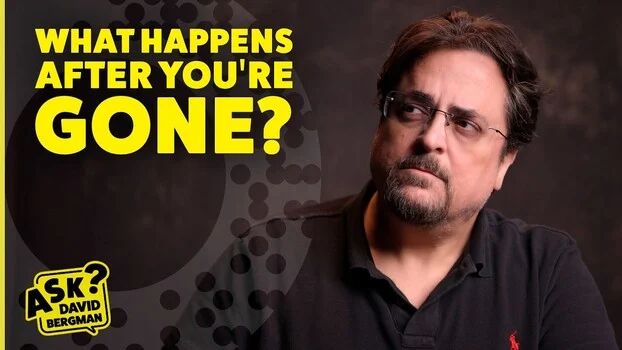
Photographers, artists, and creators dedicate their lives to capturing moments, crafting narratives, and building visual legacies that often span decades. Yet, a critical oversight persists within the creative community: the absence of a comprehensive plan for the disposition and protection of these invaluable archives after their creators’ passing. From intricate copyright ownership and the vulnerabilities of physical media to the transient nature of cloud accounts and the complexities of stock licensing agreements, these crucial elements do not inherently self-organize. Without a meticulously structured post-mortem plan, decades of artistic and historical work face the significant risk of vanishing into obscurity or becoming entangled in protracted legal and logistical disputes, diminishing their potential cultural and financial value.
This pressing issue has garnered increasing attention, particularly as the volume of digital assets generated by individuals continues to expand exponentially. The digital age, while democratizing photography, has also introduced unprecedented challenges in terms of long-term preservation, accessibility, and legal stewardship. It is no longer sufficient for photographers merely to create; they must also plan for the enduring life of their creations beyond their own. This proactive approach ensures that the artistic, historical, and financial value embedded within an archive is maintained and can continue to benefit future generations, rather than becoming a source of confusion or conflict.
David Bergman, a seasoned photographer and educator, recently addressed this vital topic in a detailed video for Adorama, providing a robust framework that navigates both the legal intricacies and the practical necessities of protecting a photographic archive posthumously. His insights underscore the transformation of a personal collection of images into a tangible asset, one that carries significant intellectual property rights and potential for future income generation, emphasizing the urgent need for a comprehensive legacy strategy.
The Legal Bedrock: Copyright as an Enduring Asset
Under United States copyright law, specifically Title 17 of the U.S. Code, a photographer automatically obtains copyright ownership the instant an image is captured. This fundamental protection is not fleeting; it is designed to extend for the entirety of the creator’s life, plus an additional 70 years following their death. This extended term ensures that the creative work remains under copyright for a substantial period, often encompassing two full generations of the creator’s family. Consequently, a meticulously maintained photographic archive transcends mere sentimental value; it constitutes a genuine, inheritable asset capable of generating substantial income through licensing, sales, and exhibition for decades after the original photographer has passed.
The implications of this legal framework are profound. When photographers understand that their body of work represents a long-term asset, their approach to intellectual property management during their lifetime can fundamentally shift. However, a critical caveat exists: the moment a photographer signs away their copyright to a client – a common practice in certain commercial assignments – this inherent long-term value dissipates entirely. This relinquishment of rights not only forecloses future income opportunities for the creator but also strips the estate and designated heirs of any potential financial benefit or control over the images. This loss can be substantial, especially for photographers whose work holds historical, artistic, or commercial significance that appreciates over time. The terms "work-for-hire" contracts, for instance, explicitly transfer copyright to the commissioning party, meaning the photographer never even holds the initial copyright. This is a critical distinction that photographers must understand when negotiating contracts.
Legal experts, such as intellectual property attorneys specializing in art law, consistently advise creators to retain their copyrights whenever feasible. They emphasize that while certain licensing agreements are necessary for business, photographers should carefully scrutinize contracts to avoid outright copyright transfers, opting instead for exclusive or non-exclusive licenses that permit specific uses while preserving the underlying ownership. This strategic approach ensures that the "life plus 70 years" provision remains intact, allowing the archive to serve as a sustained legacy and a source of potential financial support for future generations. The value of a single iconic image, licensed repeatedly over decades, can far outweigh initial assignment fees.
The Cautionary Tale of Vivian Maier: A Legacy in Limbo
The precariousness of an unprotected photographic archive is starkly illustrated by the compelling and often contentious case of Vivian Maier. A reclusive nanny who spent her life chronicling the streets of Chicago and New York through her camera lens, Maier amassed an extraordinary body of work – over 100,000 negatives – that remained largely undiscovered during her lifetime. Her story serves as a potent, real-world example of the profound legal and ethical quagmires that can arise in the absence of a clear estate plan.
Chronology of Discovery and Dispute:
- 2007: John Maloof, a real estate agent and amateur historian, purchases three boxes of Maier’s negatives at a local storage auction in Chicago for a mere $380. He was initially interested in old photographs of Chicago but soon recognized the unique artistic merit of the images. This initial purchase sparked a journey that would redefine Maier’s posthumous legacy.
- 2008-2009: Maloof begins to scan and digitize the negatives, sharing them online. The images quickly gain viral traction, sparking widespread public and critical acclaim for Maier’s previously unknown talent. Interest in her work explodes internationally, leading to features in major publications and art blogs. Vivian Maier passes away in April 2009, unaware of the posthumous recognition her work would receive, having died in poverty at age 83.
- 2010 onwards: Other collectors, notably Jeffrey Goldstein and Ron Slattery, also come forward, having acquired other portions of Maier’s vast archive from different auction lots. This fragmentation of the archive complicates matters significantly, as multiple parties held physical negatives without clear copyright ownership.
- 2014: A major lawsuit is filed by the Cook County Public Administrator, acting on behalf of Maier’s potential heirs. The lawsuit, initiated by attorney David Deal, asserts that Maloof did not have the right to reproduce or sell Maier’s images because he only owned the physical negatives, not the copyright. The legal premise was that copyright, as intellectual property, would have passed to her legal heirs.
- 2014-2016: The legal battle intensifies, spanning years and involving extensive genealogical research to locate Maier’s distant relatives. The search for heirs, particularly those who would legally inherit her intellectual property, proved arduous and costly. Eventually, a French cousin, Sylvain Jaussaud, is identified as a legitimate heir, significantly advancing the legal proceedings.
- 2016: A confidential settlement is ultimately reached between Maloof, other collectors, and the estate of Vivian Maier, represented by her newly identified heirs. This agreement finally granted Maloof and others the legal right to continue publishing and exhibiting Maier’s work, but only after years of costly litigation and uncertainty, which undoubtedly impacted the initial public perception and commercial exploitation of her art.
Analysis of Implications:
The Maier case serves as a stark, instructive lesson: owning the physical negatives, prints, or digital files of a creator’s work is fundamentally distinct from owning the intellectual property rights – the copyright – associated with those images. Maloof legally acquired the physical objects, but the right to reproduce, distribute, or sell the images remained with Maier’s estate. This distinction, often overlooked, is central to intellectual property law. The initial excitement surrounding Maier’s discovery was quickly overshadowed by the legal quagmire, highlighting the fragile nature of a legacy without proper legal scaffolding.
The prolonged legal battles not only imposed significant financial burdens on all parties involved – including legal fees, genealogical research costs, and the opportunity cost of delayed exhibition and publication – but also cast a shadow of uncertainty over the future of Maier’s legacy for years. Had Maier executed a basic will with clear instructions regarding the disposition of her archive, specifying who would inherit her copyrights and how her work should be managed, this entire costly and complex saga could have been averted. The case underscores that a clear, legally sound plan is not merely a formality for the wealthy but an absolute necessity for anyone whose creative output holds artistic, historical, or commercial value. The eventual settlement, while resolving the immediate dispute, highlights the reactive and often inefficient nature of legal intervention when proactive planning is absent, and serves as a powerful testament to the necessity of estate planning for artists.
Establishing a Secure Future: Legal Instruments for Photographers
For photographers intent on preserving their legacy, the establishment of robust legal instruments is paramount. David Bergman is unequivocal on this point: a will or a living trust is not an exclusive domain for the affluent; it is an essential tool for anyone who has produced work they care deeply about and wishes to protect.
Wills vs. Living Trusts:
- Last Will and Testament: A will is a legal document that outlines how an individual’s assets should be distributed after their death. It designates beneficiaries for physical property, financial assets, and intellectual property. For photographers, a will would specify who inherits the copyright to their images, who takes possession of physical negatives or prints, and any instructions regarding their use or preservation. The primary drawback of a will is that it typically goes through probate, a public and often lengthy legal process that can delay the distribution of assets and incur legal fees, potentially exposing the details of the estate to public scrutiny.
- Living Trust (Inter Vivos Trust): A living trust is a legal arrangement where an individual (the grantor) transfers ownership of their assets into a trust, which is then managed by a trustee for the benefit of designated beneficiaries. Unlike a will, assets held in a living trust typically bypass probate, allowing for a quicker, more private, and often less expensive transfer of assets upon the grantor’s death. For photographers, a living trust can be particularly advantageous as it allows for more detailed and nuanced instructions regarding the ongoing management of a complex archive, including provisions for funding its maintenance, specific licensing directives, and even criteria for exhibition or donation. It offers greater flexibility and control over the long-term management of intellectual property.
The Role of a Photographic Executor:
Beyond designating financial heirs, Bergman emphasizes the critical concept of naming a "photographic executor" or "legacy manager." This individual is distinct from the general executor of the estate and holds a specialized role: managing the photographic archive on behalf of the estate. This role acknowledges the unique nature of photographic assets, which require specific expertise beyond general financial management.
- Expertise Required: This person should possess a profound understanding of photography, including its technical aspects (e.g., film types, digital formats, editing software), market value (e.g., licensing rates, print sales), ethical considerations (e.g., rights of subjects, sensitive content), and the artistic vision of the deceased photographer. They would ideally have knowledge of image editing, digital asset management (DAM) systems, and licensing practices, and potentially a network within the photography or art world.
- Responsibilities: The photographic executor’s duties could include:
- Curation: Identifying and preserving the most significant works, culling lesser-quality or redundant images, and establishing a narrative for the archive.
- Digitization: Overseeing the professional scanning of negatives/slides or the organization and metadata tagging of existing digital files.
- Preservation: Ensuring proper archival storage conditions for physical media (temperature, humidity control) and implementing secure, redundant backup strategies for digital files.
- Licensing and Sales: Managing requests for image usage, negotiating licenses (e.g., editorial, commercial, fine art), and facilitating sales or exhibitions, always adhering to the photographer’s wishes as outlined in the trust or will.
- Attribution: Ensuring proper credit is given to the photographer across all platforms and uses.
- Financial Management: Working closely with the estate’s financial executor to manage any income generated by the archive and allocate funds for its ongoing maintenance, marketing, and preservation.
- Separation of Roles: It is crucial to understand that the photographic executor does not necessarily have to be the same person receiving the financial proceeds from the archive. This allows for the selection of an individual based purely on their expertise and dedication to the photographic legacy, while the financial benefits accrue to the intended heirs. This separation prevents potential conflicts of interest and ensures the archive is managed professionally, often by someone who shares the photographer’s passion.
Navigating the Digital Quagmire: Practical Steps for Archival Survival
In an era dominated by digital capture, the practical challenges of ensuring a photographic archive’s survivability and usability by others are as complex as the legal ones. Hard drives are prone to failure, cloud subscriptions can
