
 By admin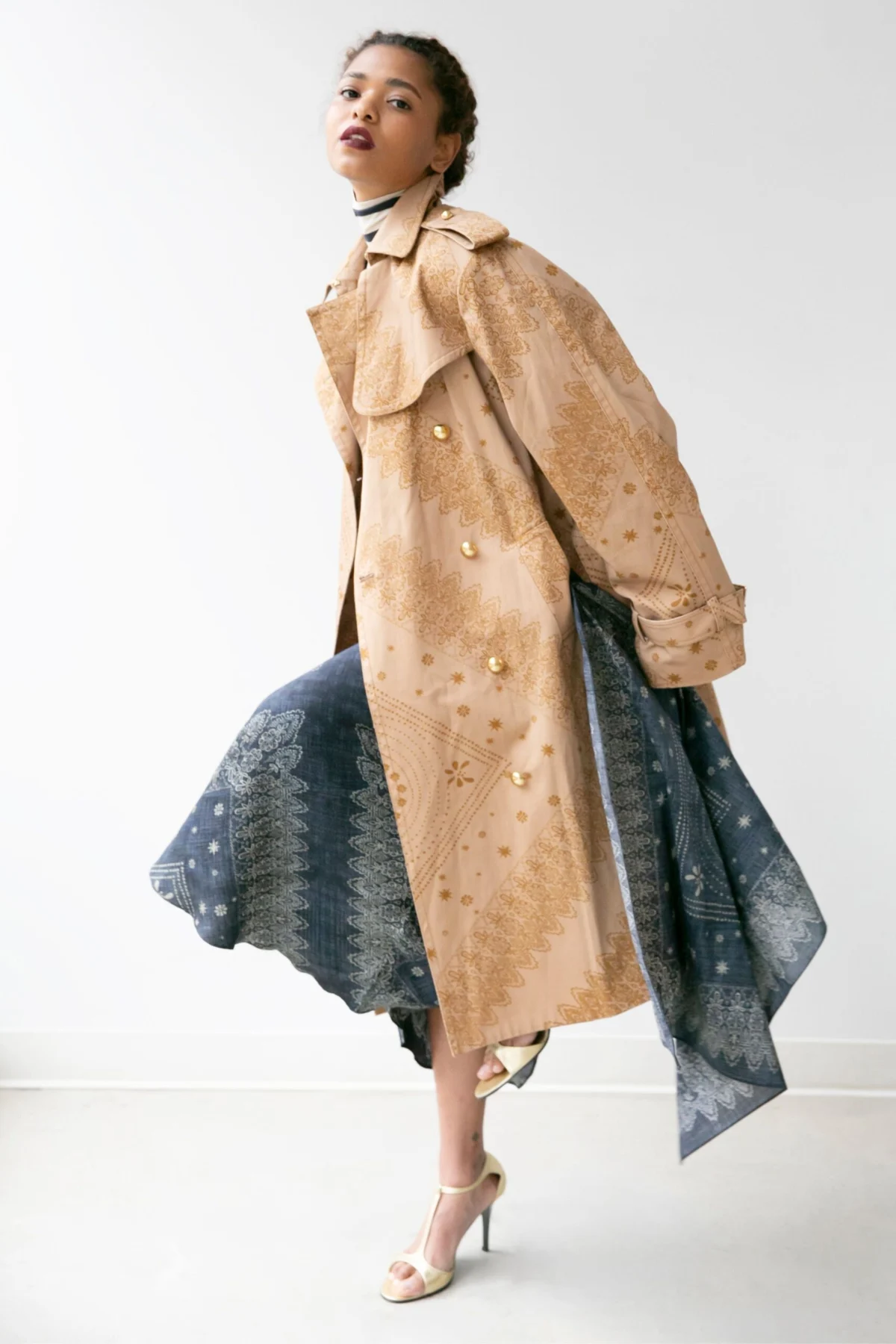
The fashion landscape for Fall 2026 is witnessing a compelling narrative unfold, with designers navigating the delicate balance between innovation and the enduring appeal of classic styles. Amidst this dynamic environment, Tracy Reese, through her acclaimed brand Hope for Flowers, has unveiled a collection that not only embraces current trends but also champions a profound philosophy of longevity, hope, and ethical production. Her latest offering, presented as part of the Ready-to-Wear season, serves as a testament to her steadfast vision, masterfully weaving together intricate scarf prints, romantic vintage aesthetics, and an unwavering commitment to sustainability.
The Enduring Legacy of Tracy Reese and Hope for Flowers
Tracy Reese has long been a revered figure in American fashion, celebrated for her vibrant use of color, pattern, and texture, along with her ability to craft clothing that is both accessible and sophisticated. Her eponymous label, launched in 1998, garnered widespread recognition for its feminine silhouettes and playful prints, dressing everyone from everyday women to First Lady Michelle Obama. In 2019, Reese pivoted her focus, establishing Hope for Flowers as a brand deeply rooted in sustainable and ethical practices. This evolution marked a conscious decision to slow down the fashion cycle, prioritize artisanal craftsmanship, and utilize environmentally responsible materials, all while maintaining her signature aesthetic of joy and elegance.
Hope for Flowers operates on a principle of mindful creation, emphasizing transparency in its supply chain and fostering equitable partnerships with artisans. The brand’s philosophy extends beyond mere aesthetics, aiming to create pieces that are cherished, worn repeatedly, and ultimately contribute to a more sustainable wardrobe. This commitment positions Hope for Flowers not just as a fashion label, but as a proponent for conscious consumption in an industry often criticized for its environmental footprint and fast-paced trends.
Fall 2026 Ready-to-Wear Context: A Season of Reflection and Renewal
The Fall 2026 Ready-to-Wear season has broadly reflected a nuanced response to global shifts, including economic uncertainties and a heightened collective consciousness regarding environmental and social issues. Designers are increasingly exploring themes of comfort, versatility, and investment dressing, moving away from fleeting micro-trends towards more enduring styles. There’s a noticeable resurgence of sartorial classics, often reinterpreted with modern sensibilities or a focus on sustainable materials. Furthermore, a pervasive sense of hope and optimism, a desire for uplifting narratives, has permeated many collections, signaling a broader cultural longing for positivity amidst challenges.
In this context, Reese’s collection for Hope for Flowers resonates deeply. Her decision to continue embracing "scarf dressing," a trend that has seen intermittent popularity over decades, speaks to a desire for continuity and the re-evaluation of existing wardrobe elements. This approach aligns with broader industry movements towards circular fashion and maximizing the lifespan of garments, a concept that is gaining significant traction among increasingly discerning consumers.
Detailed Exploration of the Fall 2026 Collection’s Main Themes
The Hope for Flowers Fall 2026 collection is a rich tapestry of meticulously considered elements, each contributing to a cohesive and resonant narrative.
-
The Persistence of Scarf Prints: Reese’s collection firmly establishes that the allure of scarf dressing is far from fading. Instead, she elevates it, transforming it from a transient trend into a foundational design motif. Her development of foulard-style prints is particularly noteworthy. Foulard, traditionally a lightweight twilled silk fabric, often features small, repetitive patterns, typically geometric or floral. Reese reimagines these classics with an eclectic mix of motifs: delicate flowers, intricate paisleys, and bold geometrics. This diverse range ensures versatility, allowing for different moods and applications within the collection.
- The "Look for the Silver Lining" Curio: A standout print is a hand-drawn collectible curio design emblazoned with the legend "Look for the silver lining." This message is not merely decorative; it serves as a powerful statement, reflecting a prevalent sentiment for resilience and optimism in contemporary society. In an era marked by global challenges, designers like Reese often embed their collections with messages that transcend fashion, offering a beacon of hope. This particular motif is anticipated to resonate strongly with consumers seeking garments that offer both aesthetic pleasure and emotional uplift.
- Bandana Prints Reimagined: Further illustrating her mastery of print, Reese introduces an indigo and white bandana print that exudes a casual sophistication. The bandana, with its utilitarian origins and cultural significance, is elevated through its application. Most alluringly, this print is also applied in tonal hues on a smart trench coat, transforming a classic outerwear piece into a statement of understated artistry. This tonal application showcases Reese’s keen eye for detail, allowing the intricate pattern to emerge subtly, adding depth and texture to the garment.
- Subtle Print Integration: The collection also demonstrates a nuanced approach to print integration. Scarf prints are not confined to primary garment surfaces; they thoughtfully appear on the inner plackets of button-down shirts. This subtle detail offers a delightful surprise, revealing a flash of pattern upon movement or when worn open, showcasing the brand’s attention to hidden craftsmanship. Some of these shirts feature an elegant "Hope for Flowers" monogram, subtly reinforcing brand identity and adding a touch of bespoke luxury.
-
The Art of Print Mixing and Nautical Influences: Reese’s self-professed identity as "a big print mixer" is vividly evident throughout the collection. This artistic approach involves the thoughtful combination of disparate patterns, creating visual harmony rather than chaos. The collection features a number of two-in-one dresses, ingeniously designed with classic marinière (Breton stripe) tops connected to intricately patterned bodies. This pairing effortlessly merges the timeless appeal of nautical wear with the brand’s signature print artistry. The uniform/nautical section, where these print-mixed pieces and monogrammed shirts reside, speaks to an enduring aesthetic that combines discipline with playful sophistication, appealing to a sense of adventure and classic style. The nautical theme, with its connotations of exploration and clean lines, provides a grounding contrast to the exuberance of the prints.
-
Romantic Vintage: A Nod to History and Longevity: Romance, a perennial fall theme, finds a unique and thoughtful expression in the Hope for Flowers collection. Floral prints, a hallmark of Reese’s design lexicon, are, as expected, abundant, ensuring the brand’s signature aesthetic is maintained. However, the romantic narrative is enriched by a distinct vintage sensibility.
- Eco-Conscious Lace: The inclusion of lace, a fabric synonymous with romance and delicacy, is particularly significant given the brand’s eco-conscious ethos. Reese’s dedication to sustainable sourcing meant finding a quality of lace that met her stringent environmental standards, a challenge in an industry where ethical lace production can be complex. This successful sourcing underscores the brand’s commitment to making beautiful fashion responsibly.
- Historical Inspiration and Silhouettes: The vintage feeling is further amplified by specific design details: ruffled collars, smocked sleeves, delicate bows, and form-fitting vest-like tops. These elements are not random; they are the direct result of Reese’s meticulous research into "images of Black women from the late 1800s." This historical dive influenced both the silhouettes and the prints, lending an authentic depth to the collection. By drawing inspiration from historical Black women, Reese not only celebrates a rich, often underrepresented, heritage but also imbues her designs with a sense of cultural significance and dignity. This thoughtful historical reference aligns with a growing movement in fashion to acknowledge and celebrate diverse cultural narratives.
-
The Philosophy of Enduring Style: Central to Reese’s design philosophy, and eloquently articulated through this collection, is the concept of garment longevity. "I think I’m of a certain age that loves vintage and classics," she stated, reflecting a mature appreciation for enduring style. Her ambition for these pieces is clear: "I want these pieces to live in people’s wardrobes for as long as they want to wear them and as long as they last." This statement is a powerful endorsement of slow fashion, advocating for investment pieces that transcend seasonal trends and become cherished components of a personal wardrobe. It speaks directly to consumers who prioritize quality, durability, and a reduced environmental impact over fast fashion’s fleeting allure.
Broader Implications and Industry Resonance
The Hope for Flowers Fall 2026 collection carries significant implications for the fashion industry, particularly in its intersection of design, sustainability, and cultural representation.
-
Leadership in Sustainable Design: Tracy Reese’s consistent commitment to ethical and sustainable practices through Hope for Flowers positions her as a quiet but powerful leader in the movement towards a more responsible fashion industry. Her ability to source eco-conscious lace and other sustainable materials, without compromising on aesthetic quality, serves as a blueprint for other designers. The brand’s focus on longevity and creating "investment pieces" actively challenges the throwaway culture prevalent in much of fashion, advocating for a more circular economy where garments are valued and maintained. This approach resonates strongly with an increasingly environmentally aware consumer base, particularly Millennials and Gen Z, who are willing to invest in brands aligned with their values. Market research consistently shows a growing consumer preference for sustainable products, and Reese’s collection directly caters to this demand.
-
Influence on Trends and Market Dynamics: While Hope for Flowers operates outside the hyper-commercialized sphere of fast fashion, Reese’s influence on broader trends is undeniable. Her sophisticated integration of scarf prints, her masterful print mixing, and her elegant reinterpretation of vintage styles could inspire other designers to explore similar themes with a focus on quality and longevity. The emphasis on "hope" and "silver linings" in a collection speaks to a broader cultural zeitgeist, suggesting that fashion can serve as a vehicle for positive messaging and emotional resonance, moving beyond mere ornamentation. In a competitive market, a clear, values-driven narrative like Reese’s can differentiate a brand and foster deep consumer loyalty.
-
Cultural Representation and Historical Acknowledgment: Reese’s deliberate research into "images of Black women from the late 1800s" for design inspiration is a powerful act of cultural affirmation and historical acknowledgment. In an industry that has historically marginalized diverse narratives, Reese consistently champions inclusivity through her design process. By drawing from and celebrating the aesthetic heritage of Black women, she enriches the global fashion tapestry and offers representations that resonate with a broader audience seeking authenticity and cultural depth. This approach contributes to a more equitable and representative fashion landscape, a critical goal for the industry’s future.
-
Economic Viability of Slow Fashion: In an economic climate often characterized by volatility, Reese’s focus on timeless, durable pieces offers a compelling model for economic viability. By designing for longevity, Hope for Flowers encourages consumers to make fewer, more considered purchases, which can be a sustainable business model in itself. This approach cultivates a loyal customer base that values quality over quantity, fostering a stable and ethical market segment. The brand’s artisanal approach also supports local economies and skilled craftsmanship, further contributing to a resilient and responsible ecosystem.
The Hope for Flowers Fall 2026 collection by Tracy Reese is more than just a seasonal offering; it is a profound statement on the future of fashion. By expertly blending a rich tapestry of enduring scarf motifs, romantic vintage aesthetics inspired by underrepresented histories, and an unwavering commitment to sustainable craftsmanship, Reese not only presents beautiful garments but also a hopeful vision for a more conscious and enduring style. Her work continues to inspire, proving that fashion can indeed be both exquisite and responsible, timeless and forward-thinking.
