
 By Nila Kartika Wati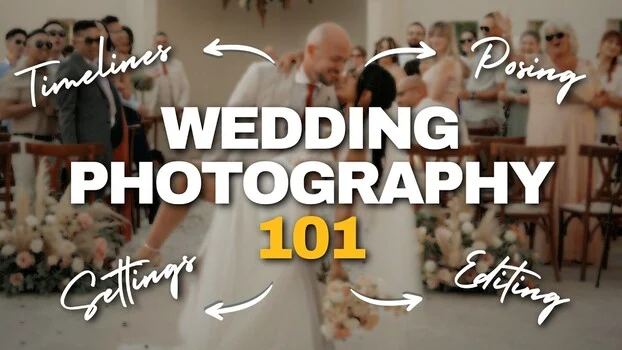
Shooting your first wedding is undeniably one of the highest-stakes situations any photographer will encounter, a crucible where technical skill, creative vision, and client management converge under immense pressure. There is no opportunity for a second take on the spontaneous first kiss, no chance to reshoot the solemnity of the vows, and no recovering a pivotal moment that was missed due to a lapse in anticipation or preparation. The ephemeral nature of these once-in-a-lifetime events underscores the critical importance of a robust strategy and meticulous execution, demanding not just proficiency with a camera but a deep understanding of the entire client journey and the intricate choreography of a wedding day.
The challenging landscape of wedding photography has recently been demystified through an exhaustive video presentation from Signature Edits, featuring Ryan Breitkreutz, a seasoned photographer who has documented well over 100 weddings across a decade-long career. Breitkreutz’s insights extend far beyond mere camera settings, offering a holistic framework that begins long before the wedding day itself and covers every facet through to final image delivery. His methodology, honed through extensive experience, provides an invaluable roadmap for both aspiring and established professionals seeking to elevate their craft and client satisfaction.
The Unyielding Pressure of Wedding Photography: A High-Stakes Art Form
The role of a wedding photographer transcends that of a mere vendor; they are entrusted with preserving one of life’s most significant milestones. This unique responsibility places immense pressure on the individual behind the lens. Unlike commercial shoots where retakes are commonplace, or portrait sessions offering controlled environments, a wedding unfolds in real-time, often amidst unpredictable lighting, fast-moving subjects, and tight schedules. The emotional weight attached to these images by couples and their families further amplifies the need for unwavering focus and technical mastery.
Industry data consistently highlights the significance couples place on wedding photography. A recent survey by The Knot indicated that photography typically accounts for 10-12% of the overall wedding budget, making it one of the largest single expenditures after venue and catering. This financial commitment underscores the high expectations clients hold for their photographers, expecting not just technically proficient images but also a seamless, professional experience from initial contact to final delivery. A photographer’s ability to navigate this complex environment, anticipating moments and capturing authentic emotions, directly impacts their reputation and long-term success in a competitive market. Breitkreutz’s approach systematically addresses these challenges, providing a structured pathway to consistently meet and exceed client expectations.
Mastering the Client Journey: Breitkreutz’s Pre-Wedding Blueprint
Breitkreutz emphasizes that a successful wedding photography experience begins long before the camera even leaves the bag. His pre-wedding workflow is designed for efficiency, clarity, and deep client understanding, setting the stage for a smooth collaboration.
Initial Engagement and Streamlined Booking
The first point of contact is often where a photographer either captures or loses a potential client. Breitkreutz has modernized this initial interaction through a Calendly-powered booking system. This automation eliminates the traditionally arduous back-and-forth email exchanges common in client acquisition. By providing a clear, self-service scheduling option, clients can easily book consultation calls at their convenience, signalling professionalism and respect for their time. This streamlined approach not only reduces administrative overhead for the photographer but also creates a positive first impression, positioning the business as organized and client-focused from the outset. In a fast-paced digital world, such systems are becoming an industry standard for managing inquiries and converting leads effectively.
The Transformative Client Call: Beyond Logistics
Perhaps one of the most distinctive elements of Breitkreutz’s pre-wedding strategy is his approach to the initial client call. Instead of immediately diving into timelines, shot lists, or logistical details, he prioritizes understanding the couple’s core values and what truly matters to them about their wedding day. This subtle but profound shift in focus allows him to connect on an emotional level, uncovering their vision, their personalities, and the intangible elements that will make their day unique. For instance, instead of asking "What time is the ceremony?", he might inquire, "What feeling do you want to evoke when you look back at your wedding photos in twenty years?" or "What moments are you most excited to relive?" This empathetic inquiry helps him identify if he is the right photographer to tell their specific story, leading to a remarkable 90% booking rate from these initial calls—a testament to the power of understanding client psychology over mere transactional discussions. This approach is widely endorsed by business development experts, who highlight that emotional connection and perceived value often outweigh price in high-stakes service industries.
Formalizing the Agreement: Contracts and Deposits
Once a connection is established, formalizing the agreement is crucial for both parties. Breitkreutz adheres to industry best practices by employing clear contracts and requiring deposits. A comprehensive contract outlines the scope of services, deliverables, payment schedules, cancellation policies, and intellectual property rights, safeguarding both the photographer and the couple. This legal document prevents misunderstandings and provides a framework for accountability. Industry standards typically dictate a non-refundable deposit, often ranging from 25% to 50% of the total fee, to secure the date and cover initial administrative costs. This financial commitment from the client demonstrates their seriousness and allows the photographer to confidently allocate their resources and turn down other inquiries for that specific date. Breitkreutz’s emphasis on these foundational business practices reinforces his professionalism and commitment to transparent client relationships.
Anticipating Every Detail: The Six-Weeks-Out Questionnaire
As the wedding day approaches, Breitkreutz implements a highly detailed questionnaire approximately six weeks prior to the event. This system goes far beyond standard inquiries about venue addresses and contact numbers. It’s designed to unearth specific, often overlooked, details that can profoundly impact the photographic narrative. Questions might delve into family dynamics, cultural traditions, specific sentimental items that will be present, or unique moments planned by the couple. The original article cites a compelling example: "whether the groom plans to sing the bride down the aisle." This seemingly minor detail, if known in advance, allows the photographer to be perfectly positioned and prepared to capture a truly unique and emotionally resonant moment, rather than being caught off guard. This proactive data gathering ensures that Breitkreutz arrives on the wedding day with an intimate understanding of the schedule, key players, and most importantly, the nuanced story he is there to tell. This level of preparation is a hallmark of top-tier wedding photography, enabling the creation of genuinely personalized and comprehensive galleries.
Essential Arsenal: Gear Strategies for Wedding Day Success
The tools of the trade are critical in wedding photography, but Breitkreutz’s philosophy emphasizes strategic gear selection and understanding its capabilities over simply accumulating expensive equipment. His recommendations balance performance, versatility, and budget considerations.
Primary Setup: Reliability and Versatility
For his primary setup, Breitkreutz relies on the Sony a7 III mirrorless camera. This camera is renowned for its robust autofocus system, excellent low-light performance, and impressive dynamic range, making it a workhorse for diverse wedding environments. Its mirrorless design offers advantages like electronic viewfinders that show exposure in real-time and silent shooting modes, invaluable during quiet ceremony moments. Paired with the Sony a7 III, Breitkreutz heavily favors the Sigma 35-150mm f/2-2.8 DC DN Contemporary lens. This lens is a game-changer for wedding photographers, offering an incredibly versatile focal range that spans wide-angle to telephoto, all with a fast maximum aperture. Its ability to cover the equivalent of several prime lenses (e.g., 35mm, 50mm, 85mm, 135mm) with excellent optical quality minimizes lens changes, allowing the photographer to stay in the moment and react swiftly to unfolding events. This versatility significantly reduces the amount of gear needed on hand, streamlining movement and improving responsiveness throughout a demanding day.
Budget-Conscious Excellence: Prime Lenses for Beginners
Recognizing that not every photographer starts with a professional budget, Breitkreutz offers a pragmatic alternative. He suggests pairing a 35mm f/1.8 prime lens with a 50mm f/1.8 prime lens. These "nifty fifties" and their wider counterparts are celebrated for their affordability, sharpness, and ability to perform exceptionally well in low-light conditions thanks to their wide apertures. A 35mm lens is versatile for environmental portraits, wider shots of the ceremony, and capturing the general atmosphere, while a 50mm lens is ideal for classic portraits, details, and isolating subjects with beautiful background blur (bokeh). This combination provides excellent image quality and light-gathering capabilities at a fraction of the cost of high-end zooms, proving that exceptional results are achievable without breaking the bank, provided the photographer understands how to leverage these tools effectively.
The Aperture Advantage: Prioritizing Fast Lenses Over Flash
Breitkreutz makes a compelling case for prioritizing fast lenses (those with wide maximum apertures like f/1.8 or f/2.8) over elaborate flash setups, especially for beginners. His reasoning is straightforward: a wide aperture inherently gathers more light, allowing for lower ISO settings and faster shutter speeds in challenging lighting conditions, while also creating aesthetically pleasing shallow depth of field. Crucially, a wide aperture "just works" without complex adjustments. In contrast, flash photography, while powerful, requires significant skill to master. Incorrect flash use can easily ruin a photograph by creating harsh shadows, unnatural skin tones, or an artificial look. For novices, relying on the natural light-gathering abilities of a fast lens minimizes the risk of technical errors, allowing them to focus on composition and capturing the moment, rather than struggling with external lighting parameters.
Unsung Hero: The Circular Polarizing Filter
An often-overlooked accessory, the circular polarizing (CPL) filter, is championed by Breitkreutz, who candidly admits discovering its full potential eight years into his career. A CPL filter works by reducing reflections and glare from non-metallic surfaces like water, glass, and foliage, while also enhancing color saturation and deepening blue skies. For outdoor wedding photography, this translates to richer greens in grass and trees, more vibrant blue skies, and the elimination of distracting reflections from windows or shiny surfaces. It provides a subtle but significant improvement in image quality that cannot be easily replicated in post-production. Its continuous use whenever shooting outdoors, as Breitkreutz suggests, ensures consistently cleaner and more impactful environmental shots.
Illumination Tools: Flash Options
While advocating for fast lenses as a primary strategy, Breitkreutz also acknowledges the indispensable role of flash in specific scenarios, particularly during receptions or in challenging indoor environments. For a solid mid-range option, he recommends the Godox V1. This speedlight is highly regarded for its round flash head, which produces a softer, more natural-looking light spread compared to traditional rectangular heads. It also offers through-the-lens (TTL) metering for automatic exposure control, making it user-friendly. For photographers on a tighter budget, the Yongnuo YN560-IV serves as an excellent manual alternative. While requiring manual power adjustments, it is a robust and reliable workhorse that offers significant power and versatility at a fraction of the cost, making it a popular choice for those willing to invest time in learning manual flash control.
Support Systems: Bags and Drones
Beyond cameras and lenses, practical accessories contribute to a photographer’s efficiency and capabilities. Breitkreutz’s camera bag of choice is the Shimoda Action X25, known for its rugged construction, comfortable carry, and customizable internal organization, crucial for protecting expensive gear and providing quick access during a busy wedding day. Furthermore, he incorporates a DJI Mini 3 drone into his kit for capturing stunning aerial shots of venues and landscapes when the situation permits and regulations allow. Drone photography adds a unique cinematic perspective, providing grand establishing shots that contextualize the wedding location and elevate the overall gallery, offering a premium service that distinguishes his offerings.
The Art of Direction: Posing and Storytelling Beyond Instagram
Breitkreutz’s philosophy on posing and directing couples is where his approach truly diverges from conventional wisdom. He challenges the common practice of photographers merely scrolling through Instagram for inspiration, arguing that this passive consumption provides superficial knowledge that fails to prepare one for the dynamic reality of a wedding day. "Watching cooking videos doesn’t make you a chef," he states, drawing a clear parallel to the need for active, analytical preparation in photography.
Beyond Surface Inspiration: A Methodical Approach
Instead of mimicking poses, Breitkreutz advocates for a methodical, deconstructive approach. He suggests identifying three or four "key shots" for each distinct part of the wedding day – perhaps a grand portrait during the golden hour, an intimate moment during the first dance, or a dynamic shot of the bridal party. The critical step then is to meticulously break down each of these key shots into its fundamental components. This isn’t about rote memorization but about understanding the principles that make a pose effective and how to adapt them on the fly. This analytical method fosters true understanding and adaptability, allowing photographers to direct with confidence and precision, rather than fumbling with vague ideas gleaned from social media.
Deconstructing the Shot: Precision in Posing
Breitkreutz’s breakdown of a shot is incredibly detailed, focusing on every nuance of body language and composition. He considers:
- Where the hands are: Are they relaxed? Are they interacting with each other, or with a prop? Are they held gracefully or awkwardly?
- Which way the feet point: Does the stance convey confidence, intimacy, or movement? Are they creating leading lines or awkward angles?
- Whether both eyes are visible: Is the head turned too much? Is the gaze engaging or distant?
- Whether the knees are bent: Does the posture look natural and dynamic, or stiff and posed?
- Weight distribution: Is the subject leaning into each other, creating a sense of connection, or standing rigidly apart?
- Facial expressions: Are they genuine, or forced? How to elicit authentic emotion?
This granular level of analysis enables photographers to guide couples into natural, flattering, and emotionally resonant poses, even if the couple has no prior modeling experience. It’s about building a pose from the ground up, ensuring every element contributes to the overall aesthetic and narrative.
Key Moments: First Looks, Ceremony, and Family Portraits
Breitkreutz applies this same rigorous analysis to all critical moments of the wedding day:
- First Looks: He employs a "three-part sequencing method" for first looks, capturing the anticipation leading up to the reveal, the raw emotional reaction of the couple, and finally, the intimate moments of connection and embrace that follow. This ensures a comprehensive narrative of this pivotal event.
- Ceremony Positioning: His step-by-step ceremony positioning strategy ensures that all key angles—the bride walking down the aisle, the groom’s reaction, the exchange of vows, the ring exchange, and the first kiss—are captured without being intrusive or obstructing guests’ views. This requires anticipating movement and understanding optimal camera positions within the venue’s layout.
- Family Photo Logistics: Often a source of stress, family photos are handled with military precision. Breitkreutz emphasizes pre-planning specific group configurations, clear communication with the bridal party or a designated family member, and efficient direction to minimize time spent and keep everyone comfortable.
Navigating the Reception: Lighting and Candid Moments
The reception often presents the most challenging lighting conditions, from dimly lit dance floors to dramatic uplighting. Breitkreutz’s strategy involves understanding how to work with existing ambient light, when and how to subtly augment it with flash, and how to position oneself to capture candid interactions without being noticed. He focuses on capturing the energy of the party, the joy of the dances, and the unscripted moments that truly define the celebration, rather than just static shots. This adaptable approach allows him to capture the full spectrum of emotions and events as they unfold naturally.
Post-Production Prowess: From Capture to Delivery
The photographer’s work doesn’t end when the last guest leaves. The post-wedding workflow is equally critical for delivering a polished, cohesive gallery that clients will cherish. Breitkreutz integrates modern tools and efficient practices into this phase.
Efficient Culling with Photo Mechanic
The sheer volume of images captured at a wedding necessitates an incredibly efficient culling process. Breitkreutz utilizes Photo Mechanic, a powerful and industry-standard software known for its lightning-fast image ingestion, previewing, and tagging capabilities. Unlike traditional image editing software, Photo Mechanic is optimized for speed, allowing photographers to quickly sift through thousands of images, flag keepers, reject discards, and apply metadata without lag. This rapid initial selection process is crucial for saving valuable time in the subsequent editing stages and ensures that only the best, most relevant images move forward. The goal is to reduce the initial bulk of raw files to a manageable selection for detailed editing, maintaining focus on the narrative and quality.
The AI Revolution in Editing: Imagine AI
In a significant embrace of modern technology, Breitkreutz leverages Imagine AI to handle the base edits of his selected images. AI editing tools like Imagine AI are transforming the post-production landscape by offering remarkable consistency and speed in applying initial adjustments such as exposure, white balance, and color correction across an entire gallery. This automation frees up photographers from the repetitive, time-consuming aspects of editing, allowing them to focus on more creative and nuanced adjustments. Breitkreutz is candid about what Imagine AI does well—its ability to establish a consistent look and feel—and where human intervention is still indispensable. He notes that while AI provides an excellent foundation, photographers will still need to manually adjust specific images for intricate details, artistic choices, or challenging lighting situations that require a human eye and creative touch. This hybrid approach maximizes efficiency without sacrificing artistic control.
Seamless Delivery: Pixieset and Client Experience
The final step in the workflow is delivering the finished gallery to the clients. Breitkreutz uses Pixieset, a popular online gallery platform known for its elegant presentation and user-friendly interface. Pixieset allows photographers to create beautiful, branded online galleries where clients can view, share, download, and even order prints of their images. The platform offers features like password protection, favorite selections, and integrated print stores, providing a seamless and professional experience for the couple. A smooth and enjoyable delivery process is the final touchpoint in the client journey, reinforcing the photographer’s professionalism and leaving a lasting positive impression. Furthermore, Breitkreutz ensures robust data integrity through multiple backup solutions and cloud storage, safeguarding these irreplaceable memories for the long term.
Conclusion
Ryan Breitkreutz’s comprehensive guide, as presented by Signature Edits, offers far more than just a collection of tips; it provides a meticulously crafted blueprint for success in wedding photography. His approach underscores that mastery in this field stems from a holistic understanding of the entire process—from strategic client acquisition and empathetic communication to precise technical execution and efficient post-production. By prioritizing deep client understanding, methodical preparation, deliberate gear choices, and a refined directorial style, Breitkreutz demonstrates how photographers can not only navigate the high-stakes environment of a wedding day but consistently deliver exceptional results that genuinely capture the essence and emotion of such pivotal life events. His insights serve as a powerful reminder that continuous learning, adaptation to new technologies, and a commitment to meticulous detail are the enduring pillars of a thriving career in wedding photography.
