
 By admin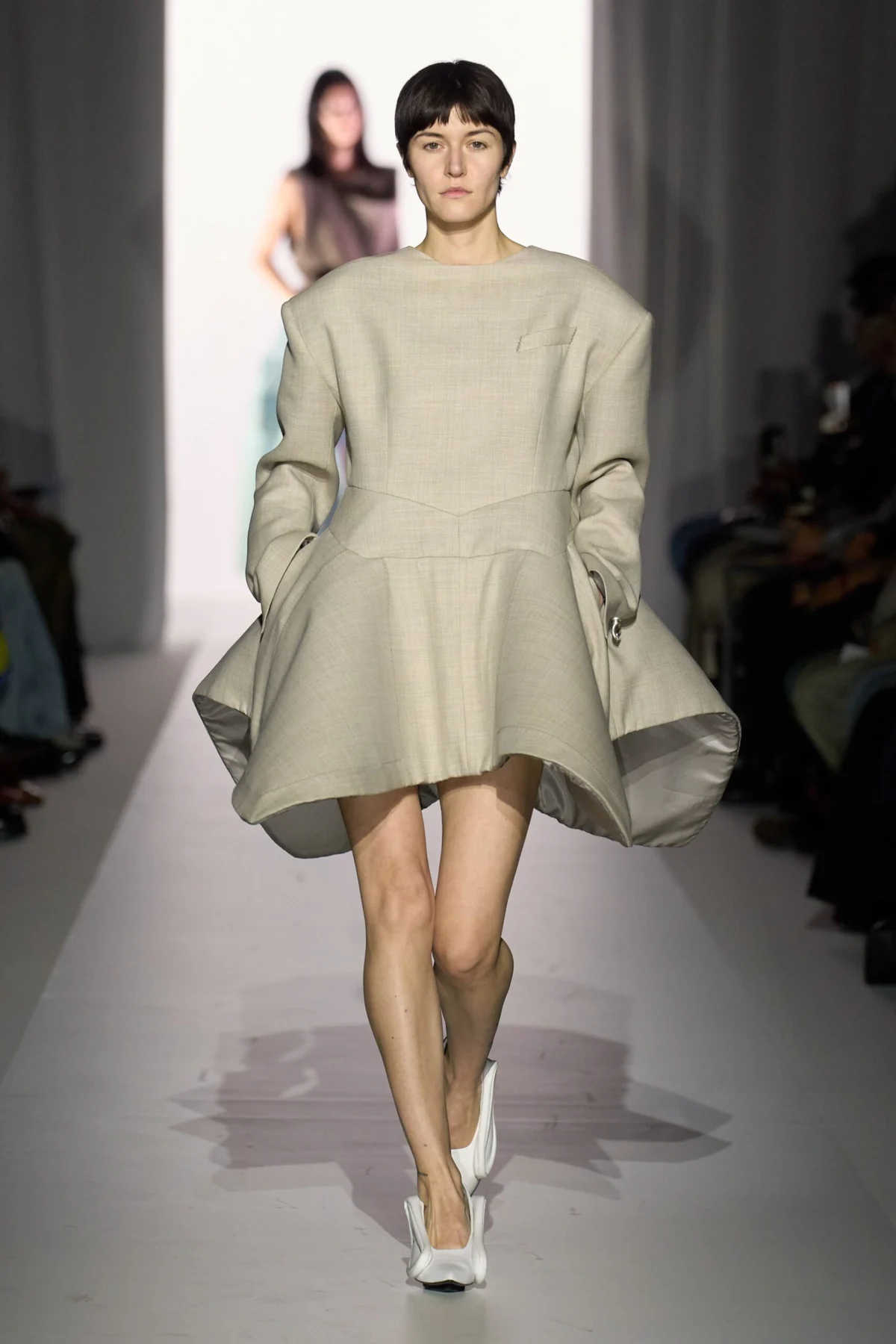
The latest collection from Japanese designer Yohei Ohno has captivated the fashion world, presenting a sartorial narrative deeply rooted in the extraordinary architectural feat of Ferdinand Cheval’s Le Palais Idéal. This season, Ohno’s runway became a conceptual homage to the French postman’s three-decade-long endeavor, translating the spirit of dedicated, unconventional creation into a series of garments that challenge conventional silhouettes while affirming the enduring human impulse to build and manifest grand visions from humble beginnings. The collection, viewed by Ohno as a culmination of his past decade of work, serves as a powerful statement on artistic persistence and the magnetism of idiosyncratic design, drawing a direct parallel between Cheval’s self-taught masonry and Ohno’s meticulous, experimental approach to fashion.
The Genesis of Inspiration: Ferdinand Cheval’s Enduring Legacy
Ferdinand Cheval, born in 1836 in Hauterives, Drôme, France, was an ordinary rural postman whose life took an extraordinary turn in 1879. During his daily 32-kilometer rounds, he stumbled upon a peculiar stone with an unusual shape, which he described as "a stumbling block." This initial discovery sparked a profound epiphany, igniting an imagination that had long been nurtured by his dreams. Cheval began collecting stones, pebbles, and shells, initially carrying them in his pockets, then in a basket, and eventually with a wheelbarrow, envisioning the construction of a palace he had seen in his nocturnal reveries. This was not a passing fancy but the beginning of a relentless, solitary artistic pursuit that would span 33 years, culminating in the creation of Le Palais Idéal (The Ideal Palace).
Situated in Hauterives, the Palais Idéal stands as a monumental testament to one man’s unwavering vision. From 1879 to 1912, Cheval meticulously constructed this fantastical edifice entirely by hand, without formal architectural training or external assistance. He utilized a unique combination of natural materials—stones, pebbles, shells, and fossils—bound together with lime, mortar, and wire. The structure itself is a fascinating amalgam of styles, incorporating elements inspired by biblical stories, Hindu temples, Egyptian tombs, Swiss chalets, and medieval castles, all fused into a singularly coherent, dreamlike whole. Its dimensions are impressive: approximately 26 meters long, 14 meters wide, and up to 10 meters high in certain sections. The palace features intricate grottoes, towering turrets, elaborate facades adorned with sculptures of animals and mythological figures, and numerous inscriptions reflecting Cheval’s philosophical musings and personal journey. Among the most famous is "Let those who think they can do better try," a defiant declaration of his independent spirit and a challenge to his detractors.
Le Palais Idéal, initially dismissed by many as the eccentric folly of a simple postman, gradually garnered attention from artists and intellectuals. André Breton, a key figure in the Surrealist movement, championed Cheval’s work as a prime example of naïve art or outsider art, celebrating its raw authenticity and liberation from academic constraints. Pablo Picasso also admired the palace. In 1969, a significant milestone was reached when André Malraux, then France’s Minister of Cultural Affairs, officially classified Le Palais Idéal as a historical monument, recognizing its unparalleled artistic and cultural value. Today, it remains a popular tourist attraction, drawing hundreds of thousands of visitors annually and serving as an enduring symbol of human perseverance, creativity, and the power of an individual’s dream to materialize into an enduring legacy.
Yohei Ohno’s Decade of Deliberate Design
Yohei Ohno, a prominent figure in contemporary Japanese fashion, has, over the past decade, carved a niche for himself through a design philosophy characterized by innovative silhouettes, experimental fabrications, and a subtle subversion of traditional forms. His work often explores themes of deconstruction and reconstruction, challenging preconceived notions of garment structure and wearability. This latest collection, as Ohno himself articulated, represents a significant synthesis of these recurring motifs, a culmination of his explorations into the fundamental act of creation.
Ohno’s resonance with Ferdinand Cheval’s story is profound and deeply personal. "Children build sandcastles, right? It’s like that, a kind of instinctive human desire, the desire to build something big by steadily stacking small things up," Ohno explained after his show. This statement encapsulates the core tenet of his design process: the meticulous accumulation of smaller, often unconventional, elements to construct a larger, cohesive, and impactful aesthetic. For Ohno, the act of designing a collection mirrors Cheval’s architectural endeavor – a patient, iterative process of selecting, arranging, and assembling components to realize a grander vision. His previous collections have often showcased this granular approach, utilizing intricate pleating, layered textures, and unexpected material combinations to create garments that feel both familiar and distinctly alien, echoing the "peculiar stone" that sparked Cheval’s lifelong project. This season, the inspiration moves beyond mere aesthetic influence, delving into the very spirit of the artisan, the unwavering commitment to a singular vision, regardless of external validation or prevailing trends.
Deconstructing the Runway: A Collection of Architectural Proportions
The runway presentation of Ohno’s collection was a masterclass in conceptual storytelling, with each garment serving as a distinct "showpiece" that collectively articulated the designer’s architectural narrative. The collection splintered into a fascinating array of forms, each pushing the boundaries of conventional garment construction while maintaining a deliberate connection to the overarching theme of cumulative creation and structural artistry.
Among the most striking elements were the futuristic pannier skirts. Reimagining the historical silhouette of the pannier, which expanded the hips to extreme widths, Ohno’s versions were rendered in contemporary, often rigid, materials, creating an exaggerated, sculptural form that bordered on wearable architecture. These pieces were not merely historical reproductions but forward-looking interpretations, suggesting a future where clothing actively reshapes the human form in dynamic, structural ways, much like Cheval’s palace reshaped the landscape.
Another standout was the series featuring cascading layers of cutout maple leaves. This detail, appearing on various garments, evoked a sense of organic growth and natural accumulation, directly referencing Cheval’s use of natural elements. The intricate layering created a rich, textural depth, with each "leaf" contributing to a larger, flowing form, reminiscent of the countless pebbles and shells meticulously arranged by the postman. The precision of the cutouts and their strategic placement highlighted Ohno’s meticulous craftsmanship, akin to Cheval’s deliberate placement of each stone.
The collection also presented an interesting Fair Isle hoodie patched into a flap-skirt dress. This piece exemplifies Ohno’s knack for unexpected juxtapositions and deconstructed aesthetics. The traditional, rustic pattern of Fair Isle knitwear, typically associated with warmth and comfort, was recontextualized within a modern, structural dress silhouette. The "patching" technique further emphasized the idea of assembling disparate elements, while the "flap-skirt" design introduced an architectural dynamism, creating movement and dimension with each step.
Perhaps the most conceptually audacious pieces included a dress in the shape of a cheese grater, rendered in baby pink and covered in hand mirrors. This design was a bold statement on texture, reflection, and the playful subversion of everyday objects. The "cheese grater" silhouette, with its perforated surface, created a unique visual and tactile experience, while the multitude of hand mirrors scattered across it turned the wearer into a kaleidoscopic reflection of their environment, echoing the intricate, reflective surfaces Cheval created within his palace using shards of glass and ceramics. The choice of baby pink added a layer of whimsical "naïveté" to an otherwise avant-garde concept.
Another piece that garnered significant attention was a garment studded with a handful of LEDs that glowed like moonlight on the fuzzy blue fabric. This integrated technology into the textile itself, transforming the dress into a luminous, ethereal entity. The "fuzzy blue fabric" provided a soft, tactile contrast to the sharp, artificial glow of the LEDs, creating a captivating interplay of textures and light, reminiscent of the celestial imagery and dreamlike quality that inspired Cheval’s nocturnal visions.
The show concluded with a T-shirt dress that was a mirror of itself, with raglan sleeves that extended into a cape. This final look underscored Ohno’s ongoing exploration of symmetry, reflection, and the reinterpretation of basic garments. The "mirroring" effect, whether through actual reflection or conceptual duplication, speaks to the idea of an endless loop of creation, while the transformation of simple raglan sleeves into a dramatic cape highlights the potential for humble elements to evolve into something grand and unexpected.
Balancing Vision and Wearability: Ohno’s Signature Approach
Ohno’s collections are often characterized by their blend of the avant-garde and the surprisingly practical. While his "strange silhouettes and experimental fabrications are full of naïveté," as noted by critics, the true genius of this collection, and indeed much of his work, lies in his ability to infuse these idiosyncratic elements with a genuine sense of wearability. This strategic balance ensures that his creations, despite their conceptual depth and visual audacity, remain relevant within the broader fashion landscape, appealing to a discerning clientele that appreciates both artistry and functionality.
The article highlights the "best pieces here were the ones that mixed his idiosyncrasies with real wearability." This is a crucial distinction. The chic blue chemise with extra sleeves that hung at the waist perfectly exemplifies this equilibrium. A chemise, by its nature, is a garment of simplicity and ease. Ohno elevates it through a sophisticated color choice and the addition of "extra sleeves," which rather than being purely decorative, offered an intriguing structural detail, potentially creating a unique drape or a layered effect that felt both artful and effortlessly elegant. This piece demonstrates how Ohno can take a conventional item and subtly twist it into something elevated and distinctive without sacrificing its inherent comfort or sophisticated appeal.
Similarly, the asymmetric red knit that rumpled elegantly at the shoulders showcased Ohno’s mastery of texture and form. Knitwear, often associated with comfort, is transformed through asymmetry and strategic "rumpling" into a garment of understated drama. The red hue added a vibrant punch, while the deliberate irregularity at the shoulders created a dynamic silhouette that draped beautifully, suggesting movement and a relaxed sophistication. These pieces, while embodying Ohno’s unique design language, possess an inherent versatility that allows them to be integrated into a contemporary wardrobe, bridging the gap between high concept and everyday elegance.
Ohno’s embrace of "naïveté" in his designs is not a sign of inexperience but a conscious choice to approach creation with a fresh, unburdened perspective, much like Cheval’s uninhibited artistic process. This allows him to experiment without the constraints of conventional fashion norms, resulting in garments that feel genuinely innovative and authentic. This "naïveté" manifests in playful forms, unexpected material pairings, and a joyful disregard for what is "expected," ultimately contributing to the unique magnetism of his brand.
Implications and Broader Context: Fashion’s Architectural Dialogue
The collection was explicitly described as "not a trendy collection by any stretch," a statement that, rather than being a critique, is a testament to Ohno’s singular vision and independent spirit. In an industry often driven by fleeting trends and seasonal novelties, Ohno’s deliberate departure from the mainstream positions him as a designer operating on his own terms, much like Cheval, whose palace defied the architectural conventions of his time. This self-contained creative universe is precisely what constitutes Ohno’s "magnetism"—the palace he has built, conceptually and literally in his fashion house, "won’t be to everyone’s taste, but still it stands."
This collection carries significant implications for the broader fashion landscape. It underscores the value of artistic integrity and the power of a deeply personal narrative in design. In an era saturated with fast fashion and homogenized aesthetics, Ohno’s work reminds us that true innovation often stems from a profound internal drive rather than external pressures. His approach challenges both consumers and fellow designers to look beyond superficial trends and appreciate the deeper layers of craftsmanship, concept, and historical resonance.
Japanese designers, historically, have played a pivotal role in pushing the boundaries of global fashion, often deconstructing Western sartorial norms and introducing new paradigms of form, texture, and silhouette. Ohno continues this legacy, using his platform to explore not just aesthetic innovation but also the philosophical underpinnings of creation itself. By drawing inspiration from an outsider artist like Ferdinand Cheval, Ohno highlights the universal human desire to create, to build, and to leave a lasting mark, regardless of one’s background or the scale of one’s tools.
In conclusion, Yohei Ohno’s latest collection is more than just a display of garments; it is a profound meditation on the act of creation, a dialogue between two distinct artistic disciplines—fashion and architecture—separated by time and medium, yet united by a shared spirit of unwavering dedication and imaginative vision. It is a powerful affirmation that the most impactful works often emerge from a deeply personal place, built patiently, pebble by pebble, stitch by stitch, against the current of prevailing tastes. As Ferdinand Cheval defiantly declared, "Let those who think they can do better try." In his latest collection, Yohei Ohno not only tries but succeeds in building a fashion narrative that stands tall, unique, and utterly compelling.
