
 By admin
The nineteenth edition of Immagine Italia & Co. recently concluded its three-day exhibition at the Fortezza da Basso in Florence, marking a significant milestone for the European lingerie and intimate apparel industry. Organized by Underbeach, the event served as a definitive platform for the Autumn-Winter 2026/27 season, presenting a curated selection of Italian and French brands that emphasize a shift toward heritage, domestic production, and inclusive design. As the global lingerie market continues to evolve toward a projected valuation of over $100 billion by 2030, this edition of the Florentine show underscored the critical role of specialized trade fairs in maintaining the tactile and cultural integrity of high-end garments.
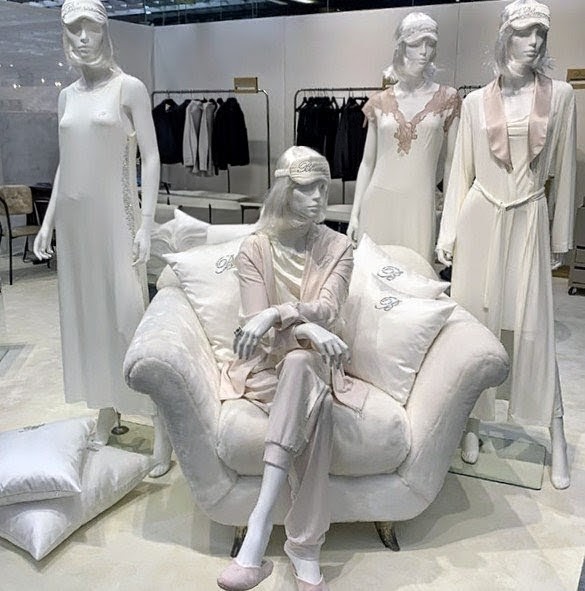
The Strategic Significance of the Fortezza da Basso Venue
The choice of the Fortezza da Basso as the venue for Immagine Italia & Co. is far from incidental. A 14th-century masterpiece of military architecture, the fortress has long been the epicenter of Florence’s fashion landscape, hosting prestigious events such as Pitti Uomo. For the lingerie sector, this setting provides a bridge between the historical craftsmanship of the Renaissance and the contemporary technical demands of modern textile engineering.
By hosting the event within these storied walls, Underbeach has successfully framed lingerie not merely as a retail commodity but as a vital component of European cultural heritage. The February session focused on a tightly edited selection of exhibitors, moving away from the "mass-market" approach of larger international fairs in favor of a boutique experience that prioritizes quality over quantity. This strategy aligns with the broader industry trend of "slow fashion," where buyers seek out brands with transparent supply chains and enduring aesthetic value.
Italian Craftsmanship and the Push for Traceability
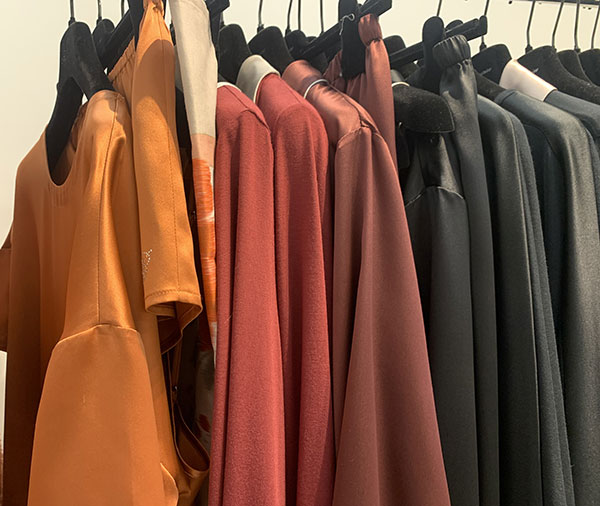
A dominant theme of the 19th edition was the "Certified Italian" movement. For decades, the "Made in Italy" label has been a hallmark of quality, but in the 2026/27 cycle, the industry is moving toward more rigorous standards of traceability. Leading the charge were brands like Oscalito and Caramì, both of which have deepened their ties with the Italian Lingerie & Beachwear Association.
This association has become a pivotal force in the domestic market, advocating for production processes that are entirely contained within Italian borders. Oscalito, a brand known for its use of natural fibers and artisanal knitting techniques, showcased a collection that emphasized the intersection of comfort and luxury. Similarly, Caramì’s presence highlighted the importance of localized manufacturing in reducing the carbon footprint of the textile industry.
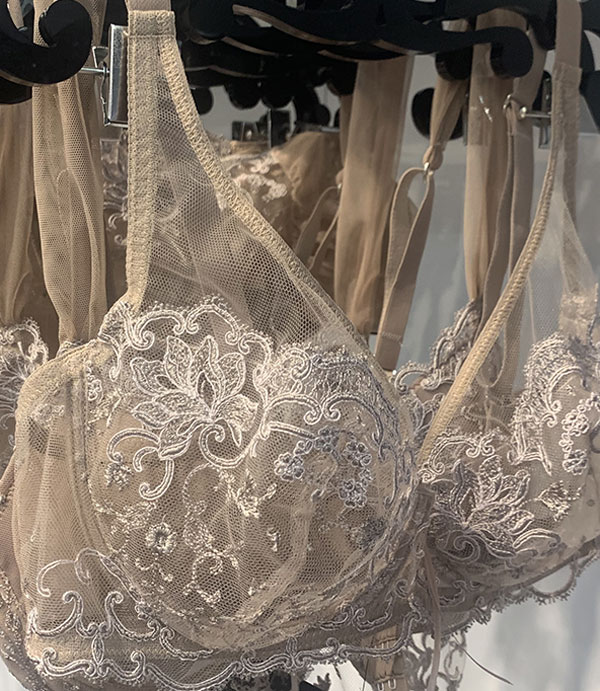
Data from the Italian textile sector indicates that while overall volume has faced challenges from global competition, the "high-end" and "luxury" segments—defined by the use of premium lace, silk, and specialized embroidery—have remained resilient. The emphasis on certified production is a strategic response to consumer demand for ethical sourcing. By providing a clear record of where a garment was spun, woven, and sewn, Italian brands are distinguishing themselves from fast-fashion competitors that often obscure their manufacturing origins.
French Allure and the Dynamics of Cross-Border Collaboration
While Italian brands provided the structural and artisanal backbone of the show, the French contingent brought a distinct sense of "Parisian Chic" to the Florence halls. The dialogue between Italian precision and French romanticism created a balanced market offering for international buyers. French collections this season leaned heavily into the "boudoir-to-street" aesthetic, utilizing delicate Leavers lace and sheer tulle to create garments that are intended to be seen rather than hidden.
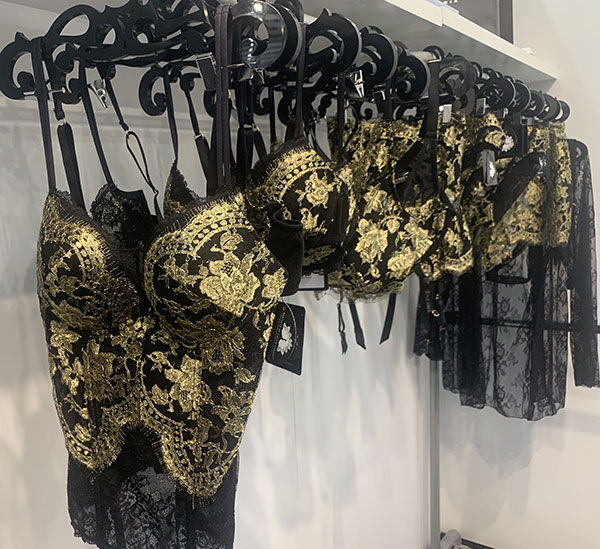
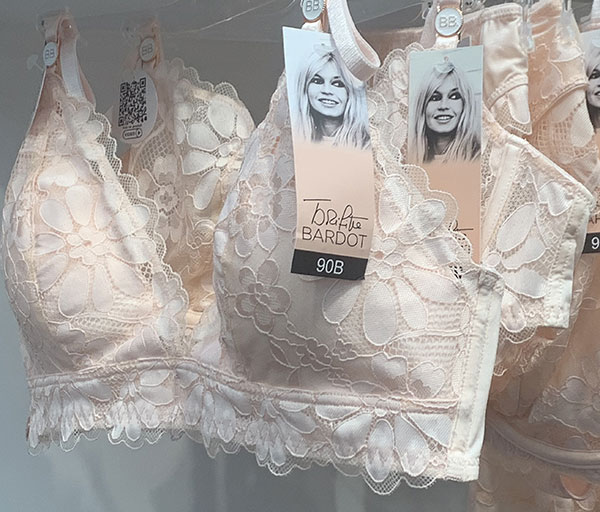
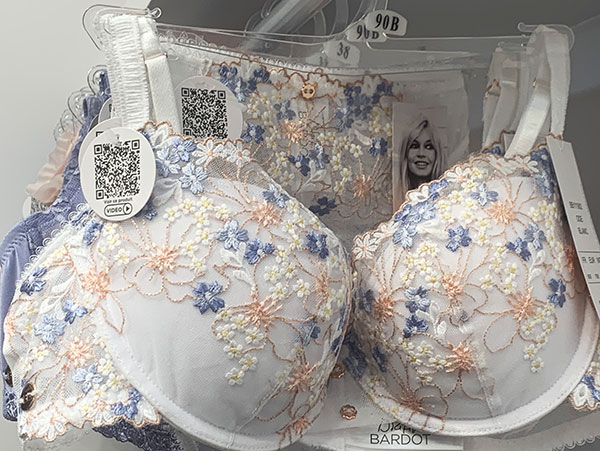
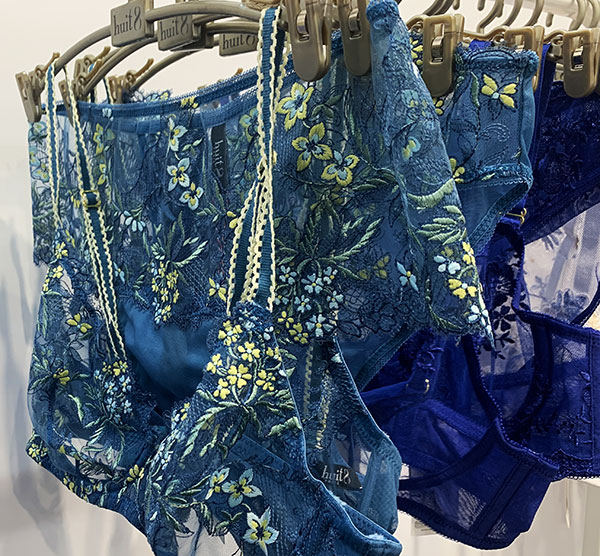
The presence of iconic French influences, such as the Brigitte Bardot collection and the refined silhouettes of Huit, provided a counterpoint to the more structured Italian designs. This cross-pollination of styles is essential for the European market, which remains the global leader in lingerie design innovation. Analysts at the event noted that the synergy between French and Italian aesthetics is a primary driver for the export market, particularly in North America and East Asia, where European heritage is highly valued.
Market Evolution: Inclusion and the Rise of Plus-Size Lingerie
One of the most notable shifts observed during the 19th edition was the expanded focus on the plus-size market. Historically, high-fashion lingerie has been criticized for its limited size ranges, often neglecting the needs of a significant portion of the consumer base. However, the Autumn-Winter 2026/27 collections revealed a concerted effort by both established and emerging brands to integrate inclusive sizing into their core offerings.
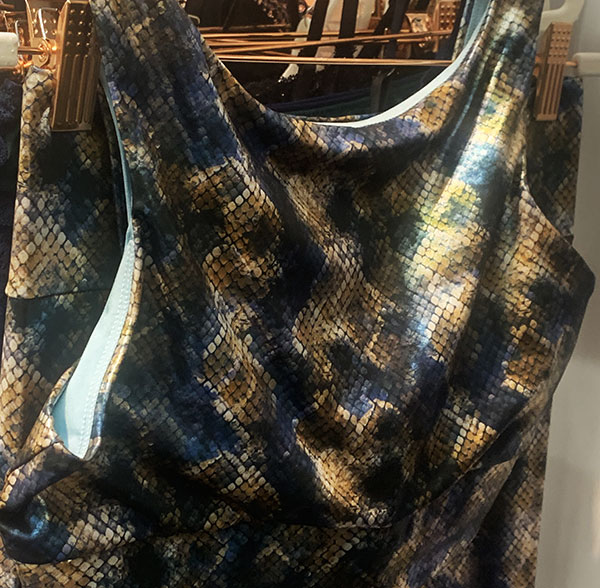
This shift is backed by substantial market data. The global plus-size apparel market is growing at a faster rate than the standard-size segment, and lingerie is at the forefront of this transformation. Brands at Immagine Italia & Co. demonstrated that inclusivity does not require a compromise on style or luxury. By utilizing high-performance fabrics that offer both support and aesthetic appeal, designers are now providing the same level of craftsmanship to a broader range of body types. This move is seen as both an ethical imperative and a savvy commercial strategy to capture an underserved market segment.
Innovation and Heritage: New Voices and Brand Revivals
The Florentine stage was selected for two major European debuts, signaling the show’s growing prestige on the international circuit.

Un Amore Così
The debut of Un Amore Così represented a significant shift for the producer Collezioni, formerly known for its manufacturing partnership with Cosabella. The new label’s "total-look" collection moved beyond traditional intimates to include outerwear pieces. The collection was characterized by the extensive use of microtulle—a fabric that is layered and fluid, allowing for versatile styling. The brand’s transition from a manufacturer for others to a standalone label reflects a broader trend in the Italian industry where producers are leveraging their technical expertise to build their own brand identities.
Scandale x Maison Close
The second major highlight was the reimagining of the heritage brand Scandale under the stewardship of Maison Close. Scandale, a brand with deep historical roots in French lingerie, was acquired and updated to reflect modern sensibilities. The collaboration, titled "Scandale x Maison Close," successfully married the ultra-feminine codes of the past with a provocative, contemporary edge. This revival underscores the enduring value of brand heritage in the luxury sector; consumers are increasingly drawn to labels with a story to tell, provided that story is told through a modern lens.

Economic Impact and Industry Projections
The success of Immagine Italia & Co. has significant implications for the regional economy of Tuscany and the broader Italian fashion industry. The textile and clothing sector remains one of Italy’s most important industrial pillars, contributing billions of euros to the national GDP. Events like this fair are essential for maintaining the flow of trade between manufacturers and international retailers.
According to preliminary reports from the show’s organizers, the 19th edition saw a stable turnout of international buyers, with a notable increase in interest from emerging markets. The focus on Autumn-Winter 2026/27 allows retailers to plan their inventories with a long-term perspective, emphasizing durable products that can withstand fluctuating economic conditions.
Furthermore, the integration of sustainability as a core theme—not just a marketing buzzword—is expected to drive future investment. Brands that can prove their environmental credentials while maintaining high aesthetic standards are likely to see the strongest growth over the next five years.
Future Outlook: Maredamare and the Summer 2027 Cycle
As the winter session concludes, the industry’s attention turns toward the upcoming summer collections. Underbeach, the organizing body behind Immagine Italia & Co., is also responsible for Maredamare, recognized as Europe’s premier beachwear event. The next major gathering in Florence is scheduled for July 18–20, 2026, where the Fortezza da Basso will once again host the unveiling of the Summer 2027 collections.
The continuity between the winter lingerie show and the summer beachwear event provides a holistic view of the "bodywear" industry. By maintaining a consistent presence in Florence, Underbeach has created a reliable rhythm for the global fashion calendar.
Conclusion: The Enduring Value of the Tactile Experience
In an era increasingly dominated by digital showrooms and virtual fashion weeks, the 19th edition of Immagine Italia & Co. served as a potent reminder of the importance of physical interaction in the lingerie sector. Lingerie is an inherently tactile product; the weight of a silk, the stretch of a lace, and the precision of a seam cannot be fully appreciated through a screen.
The Florentine event provided a necessary space for the "edit"—a thoughtful curation that helps buyers navigate an overcrowded market. By focusing on craft, culture, and the evolution of the female silhouette, Immagine Italia & Co. has reaffirmed its status as an indispensable forum for the future of European intimates. As the industry moves toward 2027, the lessons learned in Florence—of the value of domestic production, the necessity of inclusion, and the power of heritage—will undoubtedly shape the next generation of global fashion.
