
 By Nila Kartika Wati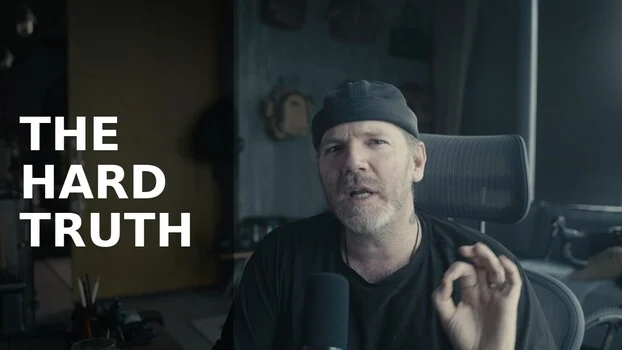
The romanticized image of a professional photography career, often perpetuated by curated online feeds, stands in stark contrast to the gritty, often financially unpredictable reality experienced by those in the field. This significant disparity between public perception and professional practice is a critical point for anyone considering a career behind the lens, capable of derailing expectations if not approached with clear-eyed pragmatism.
Justin Mott: A Veteran’s Candid Perspective
At the forefront of this crucial discussion is Justin Mott, a seasoned photographer with over two decades of experience navigating the intricate landscape of professional image-making. Mott, known for his candid insights shared via his popular YouTube channel, has recently offered an unfiltered look into what a career at the upper echelons of the industry truly entails. His extensive portfolio includes assignments for prestigious publications like The New York Times, global advertising campaigns for iconic brands such as Leica, and the successful establishment of a commercial production company, M Visuals, based in Hanoi, Vietnam. Mott’s unique position as a consistently working photographer with high-caliber clients lends immense credibility to his assessment: even at this level, the day-to-day reality bears little resemblance to the glossy narrative often found on social media platforms.
Mott’s narrative serves as a vital counterpoint to the prevailing myths. He openly discusses the financial investments that rarely see returns, such as self-funded photo books that incur losses, or year-long personal projects that yield no direct income. He highlights the less glamorous aspects, like "hotel trades" – exchanges of three days of shooting and two days of editing in return for complimentary meals and portfolio-building images, rather than monetary compensation. These experiences, while integral to building a portfolio and network, are conspicuously absent from the highlight reels shared online.
The Social Media Mirage vs. Harsh Realities
The proliferation of social media platforms has undoubtedly democratized access to photography and allowed for unprecedented exposure. However, it has simultaneously fostered an environment where success is often measured by viral images, exotic locations, and an endless stream of seemingly effortless high-profile work. This curated view rarely reveals the exhaustive planning, financial outlay, and often unglamorous execution that underpins truly professional work.
Industry reports consistently highlight the increasing competition within the photography sector. According to data from various labor statistics bureaus, the number of individuals identifying as professional photographers has grown significantly over the past two decades. While the global photography market size was estimated to be well over $10 billion in recent years and is projected to continue growing, this expansion is often accompanied by downward pressure on pricing and a greater demand for a diverse skill set beyond mere photographic talent. The barrier to entry, in terms of equipment, has also lowered dramatically, further intensifying competition and making it harder for professionals to differentiate themselves and secure consistent, high-paying work. Many aspiring photographers, influenced by the visible successes online, often underestimate the immense business acumen, marketing savvy, and sheer resilience required to sustain a long-term career.
Behind the Lens: Unpaid Projects and Grueling Expeditions
Mott’s acclaimed wildlife photography, particularly his striking rhino images featured in a global Leica campaign, epitomizes the perception-reality gap. While the public might assume such work signifies lucrative, globe-trotting assignments dedicated to dramatic environmental storytelling, Mott candidly reveals that these projects were entirely self-funded. From securing access to remote locations to covering all travel and operational expenses, the financial burden rested solely on his shoulders. This personal investment, while ultimately yielding a high-profile campaign, underscores the speculative nature of much "passion project" work, even for established photographers.
Similarly, his extensive work for The New York Times, impressive on any resume, was often far removed from the romanticized notion of frontline photojournalism. Mott’s assignments frequently involved business stories, economic coverage for newswire services, or detailed documentation of corporate activities – vital, but not inherently glamorous. He recounts a particularly challenging assignment: a week-long expedition into the central Vietnamese jungle to photograph a bird species thought extinct for 40 years. The outcome was approximately 500 frames predominantly featuring a researcher peering through binoculars, a testament to the often monotonous and unpredictable nature of documentary work. Another anecdote involves a luxury cruise assignment for a gourmet travel magazine that devolved into four stranded days after the staff writer deemed the food substandard and the guests demographically unsuitable for their readership, resulting in a wasted effort. These experiences, though frustrating, are a common facet of a career where success is not guaranteed and external factors can derail even the most meticulously planned shoots.
Commercial Photography: Where the Money Is, and Isn’t
The commercial sector is widely recognized as the primary source of substantial income for professional photographers. Mott confirms this, detailing instances where he commanded day rates between $10,000 to $15,000, inclusive of usage rights. However, he emphasizes a crucial temporal aspect: achieving this tier of consistent, high-paying work only became a regular occurrence in his early 40s, after years of relentless effort, networking, and skill development. This highlights a significant timeline for career progression, where financial stability at the highest levels is often a result of accumulated experience and reputation, not an immediate outcome for emerging talent.
Navigating High-Stakes Assignments and Inconsistent Income
Even for a photographer operating at Mott’s level, financial consistency remains a perpetual challenge. A client providing 20 days of work annually at premium rates can vanish the following year due due to unforeseen circumstances—a new creative director with different aesthetic preferences, a sudden shift in marketing budget allocations, or even broader economic downturns impacting corporate spending. This inherent volatility necessitates a robust business strategy, constant client acquisition efforts, and a diversified portfolio of services. Many industry experts and financial advisors for creative professionals advocate for maintaining an emergency fund, diversifying income streams, and continually investing in skill development to mitigate these inevitable periods of ebb and flow. The "gig economy" nature of photography, while offering flexibility, also demands a high degree of entrepreneurial spirit and financial planning that is often overlooked in popular portrayals.
The Meticulous Reality of Luxury Visuals
Mott’s production company, M Visuals, frequently undertakes assignments for luxury hotels, a segment often associated with opulence and glamour. Yet, Mott paints a far more meticulous, and often solitary, picture of this work. The actual rhythm involves systematically moving through various room categories, meticulously positioning tripods, carefully lighting suites, bathrooms, and conference rooms. It is a painstaking process where achieving a single, flawless room image might require compositing 50 individual shots to eliminate reflections, perfect lighting, and remove distracting elements. This is a far cry from the "yachts and champagne" fantasy, though Mott admits such glamorous perks do occasionally occur. The vast majority of the work, however, is a testament to technical precision, patience, and an unwavering attention to detail that demands hours of dedicated effort.
Mott’s career trajectory is characterized by an extraordinary range of assignments within short periods, illustrating the unpredictable yet diverse nature of a professional photographer’s life. He describes one particular stretch: 10 days immersed in shooting a luxury hotel, followed by a conservation story for CNN from a humble village guesthouse that paid approximately $200 a day. This was succeeded by a corporate portrait session, then a commercial for fabric softener, and finally, his role as a host for a television show about photography. This kind of dramatic swing in assignment type, client, location, and remuneration has been a consistent feature throughout his two-decade career, requiring adaptability, a broad skill set, and a robust mental fortitude.
The Broader Landscape: Challenges and Dynamics of the Photography Industry
Mott’s experiences are not isolated anomalies but rather reflective of broader trends and challenges within the contemporary photography industry. The digital revolution, while enabling unprecedented creative possibilities, has also transformed the economic landscape.
Market Saturation and Economic Pressures
The accessibility of high-quality cameras and editing software has led to market saturation, making it increasingly difficult for professional photographers to stand out. This, coupled with the rising prevalence of stock photography and the internalizing of content creation by many companies, has put downward pressure on pricing. Many photographers find themselves needing to diversify their offerings, from videography and drone work to social media content creation and consulting, simply to remain competitive and financially viable. Average incomes for professional photographers, particularly those starting out, can be modest, often requiring supplemental income sources or significant personal investment before profitability is achieved.
The Pervasive Influence of Digital Platforms
Social media, while a powerful marketing tool, has also fostered a culture of instant gratification and often unrealistic expectations among clients regarding turnaround times and costs. The pressure to maintain a highly curated online presence can consume significant time and resources, detracting from actual photographic work or business development. Furthermore, the concept of "free exposure" often bandied about by potential clients poses a constant challenge to fair compensation and intellectual property rights.
Evolving Skill Sets and the Entrepreneurial Imperative
Beyond technical photographic skills, today’s successful photographer must possess strong entrepreneurial abilities. This includes expertise in marketing, sales, client relations, contract negotiation, financial management, and brand building. The role has evolved from merely capturing images to managing a multifaceted small business in a highly competitive market. The emergence of artificial intelligence (AI) tools for image generation and editing also introduces a new layer of complexity, pushing photographers to constantly adapt, innovate, and emphasize their unique artistic vision and human touch.
Lessons from a Two-Decade Career: Mott’s Enduring Advice
Now 47, Justin Mott continues to run M Visuals with his wife, taking on assignment work and experiencing the familiar rhythm of unpredictable months dictated by the arrival of the "right email." His journey offers invaluable lessons for anyone aspiring to build a meaningful career in this demanding industry.
Building Resilience and Diversification
Mott’s ability to navigate the "quiet stretches" – periods without high-paying assignments – underscores the importance of financial prudence and the development of multiple income streams. This might include teaching workshops, selling prints, engaging in mentorship, or investing in personal projects that, while not immediately profitable, contribute to long-term artistic growth and brand recognition. His advice stresses the necessity of building a "structure around the gaps," ensuring that downtime is productive, whether through self-improvement, business development, or personal creative exploration.
A Call for Realistic Expectations
Perhaps Mott’s most poignant advice is a call for realism. Aspiring photographers must understand that a professional career is built on grit, perseverance, business acumen, and an unwavering passion for the craft, not just stunning images. It involves embracing the mundane alongside the magnificent, managing financial volatility, and continuously adapting to an ever-evolving technological and economic landscape. The journey is often long, arduous, and fraught with challenges, but for those who approach it with open eyes and a prepared mind, it can also be profoundly rewarding. Mott’s comprehensive rundown provides not just a cautionary tale, but a practical roadmap for sustainable success in an industry often misunderstood.
