
 By admin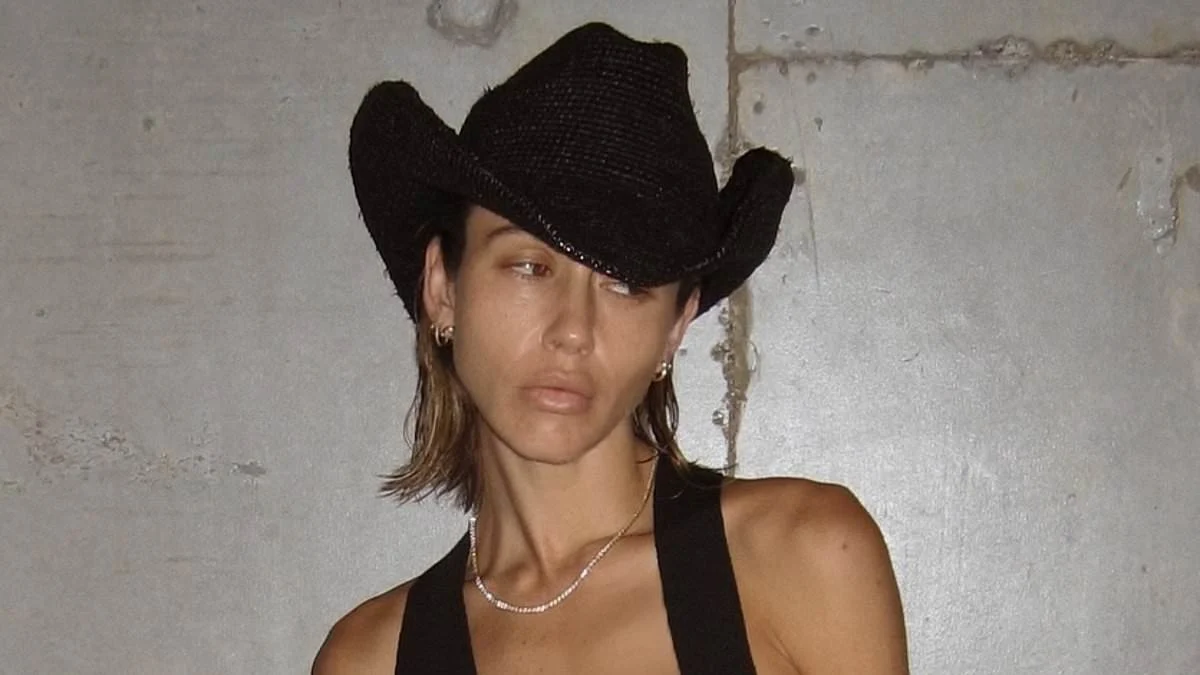
Ruby Tuesday Matthews, a prominent Australian social media personality and influencer with a following exceeding 250,000, has introduced a new digital segment titled "Ruby Tank." The initiative, announced via her Instagram Stories on March 15, 2026, calls upon small business owners to submit their products for potential review and promotion on her platform. While the move is presented as a philanthropic effort to spotlight local brands, it has reignited broader discussions regarding the ethics of "gifting" culture within the influencer marketing industry and follows a period of heightened public scrutiny regarding Matthews’ personal health and body image.
The Mechanics of the Ruby Tank Initiative
The 32-year-old content creator, based in Byron Bay, outlined the parameters of the "Ruby Tank" project—a play on the popular venture capital television show Shark Tank—to her 251,000 followers. According to Matthews, the initiative was born out of the high volume of requests she receives from small enterprises seeking visibility. In her announcement, she specified that she is looking for brands that align with her aesthetic and personal values, particularly those that demonstrate "potential" and strong "branding."
Matthews was transparent regarding the terms of the engagement, emphasizing that the submission of a product does not constitute a contractual agreement for promotion. "I’ll only share items I personally connect with, so I can’t promise anything sent will be featured," she informed her audience. This caveat highlights a common tension in the digital marketing space, where the "gifting" of products is often seen by influencers as a non-binding gesture, whereas small businesses frequently view it as an informal transaction for exposure.
The timeline for the first iteration of the segment is tight. Matthews provided a PO Box address and urged interested parties to dispatch their goods immediately, noting that filming for the inaugural "Ruby Tank" Reel was scheduled for the following Wednesday or Thursday. "I’ll only share things that I genuinely love but also ideas that I think are great and so others can get behind and support small business," she added, framing the project as a community-driven endeavor.
The Evolution of the Influencer Gifting Economy
The launch of "Ruby Tank" occurs against the backdrop of a rapidly maturing influencer marketing sector, which was estimated to be worth over $21 billion globally by the end of 2023. In Australia, the industry is regulated by the Australian Association of National Advertisers (AANA) and the Australian Competition and Consumer Commission (ACCC), both of which have tightened guidelines concerning disclosure.
Traditionally, "gifting" has served as a low-cost entry point for startups to gain access to an influencer’s audience. However, as influencer rates have climbed—with some creators charging thousands of dollars for a single post—the expectation of "free" content in exchange for "free" products has become a contentious issue. Critics of the practice argue that it places an undue financial burden on small businesses, which must absorb the costs of manufacturing and shipping without any guarantee of a return on investment (ROI). Conversely, supporters suggest that a single shout-out from a high-profile figure like Matthews can lead to a "sell-out" event, effectively launching a brand overnight.
Matthews’ disclaimer—that "gifting product to influencers doesn’t guarantee posting"—aligns with the standard industry stance that unless a formal paid partnership is established, the creator retains full editorial control over their content. This approach, while legally sound, remains a point of friction for small-scale entrepreneurs who may lack the marketing budget for paid campaigns.
A Timeline of Recent Public Scrutiny
The announcement of "Ruby Tank" follows a tumultuous start to 2026 for Matthews, who has found herself at the center of a recurring debate over body image and social media responsibility. Earlier this year, a series of images featuring Matthews in a minimalist bikini sparked a wave of concern among her followers. The photos, which highlighted her slender physique, prompted hundreds of comments questioning her health and the message her content sends to younger audiences.
One follower expressed a sentiment shared by many in the comments section, stating, "This is not a healthy body to be promoting. I’m sorry Ruby, I absolutely love you and your content… but this is scary." The user further urged Matthews to consider the impact of her imagery on "so many young females" who look up to her.
This was not the first time Matthews’ weight has been a focal point of public discourse. For several years, the influencer has navigated a cycle of criticism and defense regarding her frame. In previous statements, she has addressed what she terms a "fixation" on her body, explaining that her weight often fluctuates due to factors beyond her immediate control, such as high levels of stress.
"In stressful times, without control due to extreme stress, I lose weight, leading to criticism," Matthews previously disclosed. She has consistently advocated for a "body neutral" perspective, urging her audience to "stop comparing" themselves to others and to "appreciate our unique bodies at every life stage." Despite these explanations, the intersection of her physical appearance and her role as a lifestyle tastemaker remains a polarizing topic.
The Intersection of Health, Brand, and Influence
The controversy surrounding Matthews’ body image adds a layer of complexity to the "Ruby Tank" initiative. In the influencer economy, a creator’s physical appearance is often inextricably linked to their brand identity. For Matthews, who operates largely in the fashion, beauty, and wellness niches, her aesthetic is a primary driver of her commercial appeal.
However, the recent backlash highlights the growing demand for "responsible influence." As the public becomes more literate in the psychological effects of social media, there is increasing pressure on creators to model healthy behaviors. The debate over Matthews’ weight reflects a broader societal tension: the line between "thin-shaming" a naturally petite individual and holding a public figure accountable for the potential promotion of unrealistic beauty standards.
While some fans defended Matthews, noting that "it’s actually okay to have a naturally small frame" and that "some people can eat all the food in the world and stay small," the prevailing narrative in her comment sections suggests a heightened sensitivity toward the visual cues of disordered eating or extreme physical strain. Matthews’ decision to pivot back to business-focused content like "Ruby Tank" may be seen as a strategic move to shift the focus away from her personal life and back toward her professional utility as a brand booster.
Industry Implications and the Future of Small Business Support
The success or failure of "Ruby Tank" will likely be measured by the feedback from the businesses that choose to participate. If the initiative results in a tangible sales lift for the featured brands, Matthews could solidify her position as a vital ally for the Australian small business community. However, if the "call for products" is perceived as a request for free luxury goods without reciprocal value, it could further alienate critics who view influencer culture as increasingly extractive.
From a journalistic perspective, the "Ruby Tank" model represents a hybrid of traditional product PR and modern social media "unboxing" trends. By formalizing the process into a named segment, Matthews is essentially creating her own media channel within Instagram, one where she serves as the gatekeeper, curator, and primary promotional vehicle.
For small businesses, the decision to send products to Matthews involves a calculated risk. Data from marketing analytics firms suggest that while organic "mentions" can be highly effective, the lack of a guaranteed post makes it a speculative marketing spend. Businesses must weigh the cost of the gifted goods against the 0.1% to 1% conversion rate typically seen in influencer-driven traffic.
Conclusion: The Evolving Role of the Digital Creator
Ruby Tuesday Matthews remains one of Australia’s most watched and discussed influencers. Her ability to command attention—whether through controversial swimwear photos or new business ventures—underscores the enduring power of the individual creator in the modern media landscape.
As "Ruby Tank" prepares to launch its first episode, the initiative will serve as a case study in how high-profile influencers balance the need for fresh content with the ethical considerations of supporting a small business ecosystem. Simultaneously, Matthews continues to navigate the challenges of living in the public eye, where every aspect of her lifestyle and physique is subject to the scrutiny of a quarter-million observers.
In the coming weeks, the social media community will be watching to see which brands make the cut in the "Ruby Tank" and whether this new chapter can provide a constructive path forward for a creator whose influence remains as potent as it is debated. Regardless of the outcome, the move marks a significant moment in the ongoing professionalization of the influencer career path, where the line between personal sharing and corporate curation continues to blur.
