
 By admin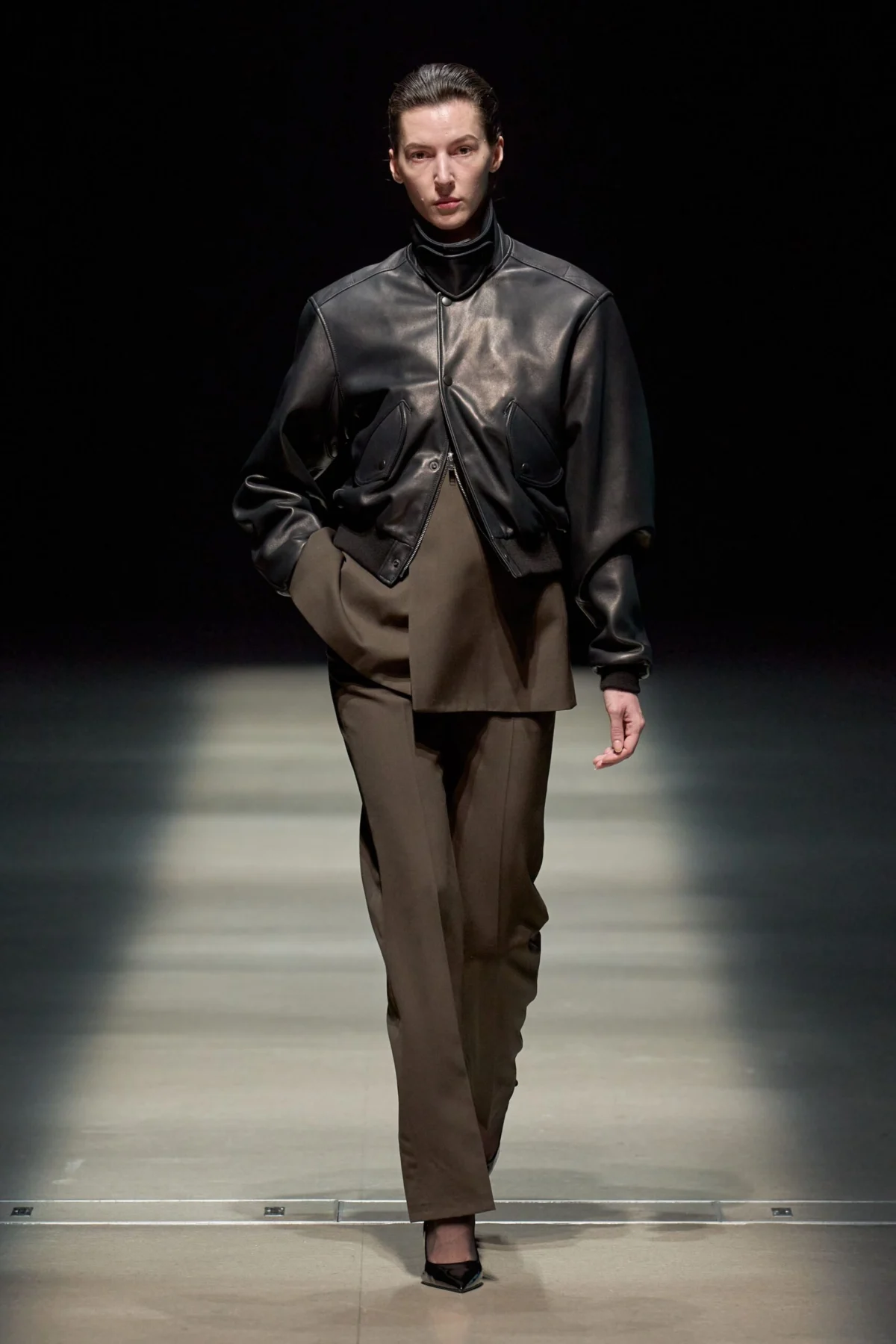
The highly anticipated Paris Fashion Week (PFW) 2026 concluded last week, marking a pivotal moment in the luxury fashion landscape as an unprecedented number of haute couture houses unveiled collections steeped in radical sustainability and ethical innovation. Far from a fleeting trend, the Spring/Summer 2026 haute couture presentations solidified a decisive shift towards environmentally conscious practices, challenging the industry’s traditional paradigms of production, consumption, and aesthetic value. This season saw designers push the boundaries of material science, circular design principles, and artisanal craftsmanship, all while maintaining the exquisite artistry synonymous with haute couture, signaling a profound evolution for one of the world’s most influential creative industries.
A New Era for Haute Couture: Historical Context and Evolution
Haute couture, French for "high sewing" or "high dressmaking," has historically represented the pinnacle of fashion, characterized by custom-fitted garments meticulously handcrafted from the highest quality materials. Established in the mid-19th century by Charles Frederick Worth, haute couture has long been governed by stringent rules set by the Chambre Syndicale de la Haute Couture, requiring houses to maintain ateliers in Paris, employ a minimum number of artisans, and present two collections annually. For decades, its allure lay in its exclusivity, unparalleled craftsmanship, and often extravagant use of rare materials, with little overt consideration for environmental impact.
However, the dawn of the 21st century brought an increasing global awareness of climate change and resource depletion, slowly but inexorably influencing the fashion industry. Initial forays into "eco-fashion" were often relegated to niche brands or capsule collections, perceived by many in the luxury sector as antithetical to the glamour and opulence expected of haute couture. The early 2010s saw sporadic attempts by a few visionary designers to incorporate organic fabrics or upcycled elements, often met with skepticism regarding their ability to meet haute couture’s rigorous standards of luxury and durability.
A significant turning point began around 2020, accelerated by global events that prompted introspection across industries. Reports from organizations like the Ellen MacArthur Foundation highlighted fashion’s substantial environmental footprint, including its contribution to greenhouse gas emissions (estimated at 10% globally) and water pollution. Consumer demand, particularly from younger demographics, for transparency and ethical production began to grow exponentially. Market research from companies like McKinsey & Company in 2022 indicated that over 60% of consumers considered sustainability a key purchasing factor, a sentiment that began to permeate the high-end market.
By 2024, major fashion conglomerates initiated substantial investments in sustainable research and development, driven by both ethical imperatives and the recognition of a burgeoning market segment. Legislation in several European nations, targeting textile waste and promoting circularity, further catalyzed this shift. The 2026 Paris Fashion Week, therefore, was not an isolated event but the culmination of over a decade of evolving consciousness, technological advancements, and shifting consumer expectations, now fully embraced at the highest echelon of fashion.
The Paris Fashion Week 2026 Collections: Trailblazing Houses and Their Vision
This season’s haute couture showcased a breathtaking array of innovations, demonstrating that sustainability need not compromise artistic integrity or luxury. Designers seamlessly integrated cutting-edge material science with ancient artisanal techniques, presenting collections that were both profoundly beautiful and responsibly crafted.
Atelier Lumina: The Alchemy of Bio-Fabrication
One of the most talked-about collections came from the venerable house of Atelier Lumina, known for its ethereal gowns and intricate embellishments. Under the creative direction of Elara Vance, Lumina presented "Whispers of the Earth," a collection almost entirely crafted from bio-fabricated silks and lab-grown diamonds. The silk, cultivated from yeast and bacteria through a patented fermentation process, boasts a tensile strength comparable to traditional silk while requiring significantly less water and land. Vance explained backstage, "Our aim was to create beauty from the unseen, harnessing nature’s micro-engineers to produce textiles that are not just sustainable, but superior in their purity and ethical origin." The collection featured gowns that shimmered with an otherworldly glow, adorned with diamonds grown in controlled environments, eliminating the ethical concerns associated with traditional mining. This blend of scientific prowess and haute couture artistry was met with a standing ovation, lauded for its seamless integration of technology and luxury.
Veridian Collective: The Art of Upcycling and Regeneration
In a bold departure from typical haute couture practices, Veridian Collective, led by the enigmatic designer Kaelen Thorne, presented "Phoenix Rising," a collection built entirely from upcycled vintage haute couture garments and deadstock fabrics sourced from luxury archives. Thorne’s approach was less about creating new materials and more about giving new life to existing ones, transforming forgotten fragments into modern masterpieces. A particularly striking piece was a ball gown constructed from hundreds of meticulously deconstructed and reassembled silk foulards from the 1950s, each panel intricately hand-embroidered with regenerative plant dyes. "True luxury, to me, lies in respecting the past while designing for the future," Thorne remarked in an exclusive interview. "Every stitch in this collection tells a story, a narrative of transformation and rebirth. We’re not just upcycling; we’re resurrecting." The collection showcased intricate patchwork, elaborate deconstruction, and re-contextualization, proving that historical textiles could be reimagined into contemporary high fashion.
ÉcoChic Couture: Zero-Waste and Localized Craft
ÉcoChic Couture, a relatively newer but rapidly rising house under the visionary leadership of Isabella Rossi, presented "Terra Nova," a collection emphasizing zero-waste pattern cutting and localized, artisanal production. Rossi’s designs featured innovative draping techniques that minimized fabric waste to less than 1%, a revolutionary feat in haute couture. Her materials were predominantly organic linen and hemp, sourced from regenerative farms in France, hand-spun and dyed using natural pigments derived from local flora. The intricate embroidery, often a hallmark of haute couture, was executed by a network of rural French artisans, ensuring fair wages and preserving traditional crafts. "Our vision is to create a fully traceable, transparent luxury experience," Rossi stated. "From the soil where our fibers grow to the hands that embroider our garments, every step is an act of conscious creation. We prove that ethical luxury can be exquisitely beautiful and profoundly meaningful." Her collection resonated deeply with critics, who praised its understated elegance and profound commitment to community and environment.
Innovative Techniques and Materials: Beyond the Runway
The PFW 2026 wasn’t just about the final garments; it was a showcase for the advanced research and development underpinning this sustainable revolution. Several brands detailed their investments in:
- AI-driven Design Optimization: Utilizing artificial intelligence to optimize pattern cutting, minimizing fabric waste, and simulating drape with unprecedented accuracy.
- Regenerative Agriculture for Natural Fibers: Investing in farms that restore soil health, biodiversity, and sequester carbon, moving beyond simply "organic" to "regenerative."
- Material Traceability via Blockchain: Implementing blockchain technology to provide transparent, immutable records of a garment’s journey from raw material to finished product, enhancing consumer trust and combating greenwashing.
- Advanced Recycling Technologies: Exploring chemical and mechanical recycling methods for complex textile blends, aiming for true closed-loop systems in the future.
- Waterless Dyeing Techniques: Employing CO2 dyeing or ultrasonic dyeing methods that drastically reduce water consumption and eliminate toxic wastewater.
Industry Reactions and Expert Commentary
The collective embrace of sustainability at PFW 2026 drew widespread acclaim and thoughtful analysis from across the industry.
Pascal Dubois, President of the Fédération de la Haute Couture et de la Mode, commented during the closing press conference, "This season marks a definitive turning point. Our member houses have not just responded to a societal demand; they have proactively shaped the future of luxury. Haute couture, by its very nature of bespoke creation and longevity, is perhaps the most inherently sustainable form of fashion. Now, we are elevating that potential through conscious material sourcing and innovative design."
Fashion critic Anya Sharma, writing for The Global Style Journal, observed, "What we witnessed in Paris was not just pretty clothes; it was a philosophical statement. The industry’s titans have finally understood that true luxury in the 21st century cannot exist in isolation from ethical responsibility. The artistry remains, but the narrative has profoundly shifted."
Dr. Evelyn Reed, an environmental consultant specializing in sustainable supply chains, offered a more cautious but optimistic perspective. "While the strides made in material innovation and design philosophy are commendable, the challenge now lies in scalability and genuine impact. Haute couture’s small production runs inherently have a lower footprint than ready-to-wear. The real test will be how these innovations translate into broader industry practices and influence the entire fashion ecosystem. However, these collections serve as crucial prototypes and aspirational benchmarks."
Challenges, Criticisms, and the Path Forward
Despite the overwhelmingly positive reception, the movement towards sustainable haute couture is not without its challenges and ongoing debates.
One primary concern revolves around "greenwashing," where brands may superficially adopt sustainable rhetoric without implementing genuine, systemic change. Critics emphasize the need for rigorous, third-party verification of sustainability claims. The cost of truly sustainable materials and ethical production processes remains significantly higher, raising questions about whether this new luxury will become even more exclusive, potentially alienating a broader audience that aspires to ethical consumption.
Furthermore, defining "sustainability" in a comprehensive manner within the complex fashion supply chain remains a moving target. Is it purely about materials, or does it encompass labor practices, energy consumption, transportation emissions, and the longevity of the garment? Industry leaders acknowledge that this is an ongoing journey requiring continuous innovation and transparency.
Economic and Environmental Implications
The implications of this shift extend far beyond the runway. Economically, the market for sustainable luxury goods is projected to continue its robust growth. A 2025 report by Bain & Company predicted that the sustainable luxury segment could account for 25% of the total luxury market by 2030, driven by affluent, ethically conscious consumers. This surge is stimulating investment in bio-fabrication startups, regenerative farms, and advanced recycling technologies, creating new jobs and specialized skill sets.
Environmentally, the widespread adoption of these practices, even within the niche haute couture sector, sends a powerful signal. While the direct environmental footprint of haute couture is relatively small compared to fast fashion, its influence on trends and material innovation is immense. These collections serve as laboratories for concepts that can eventually trickle down to ready-to-wear and mass production, fostering a broader industry-wide transition towards more responsible practices, potentially leading to significant reductions in textile waste, water usage, and carbon emissions.
The Future of Haute Couture: Redefining Luxury
Paris Fashion Week 2026 has unequivocally demonstrated that haute couture is not a relic of the past but a dynamic force capable of profound reinvention. The emphasis on sustainability is not merely a trend but a fundamental re-evaluation of what constitutes luxury in an era of environmental urgency. It is about craftsmanship, rarity, and beauty, yes, but also about provenance, impact, and legacy.
This shift signifies a maturation of the fashion industry, moving beyond purely aesthetic considerations to embrace a holistic view of creation. The future of haute couture, as envisioned this season, is one where tradition coexists with innovation, where ancient artisanal skills are augmented by cutting-edge science, and where the pursuit of beauty is inextricably linked to the preservation of our planet. As the global conversation around climate change intensifies, haute couture is positioning itself not just as a creator of dreams, but as a responsible visionary for a more sustainable future. The challenge now lies in nurturing this nascent transformation, ensuring that the exquisite narratives woven on the runways of Paris translate into tangible, lasting change throughout the entire global fashion tapestry.
