
 By admin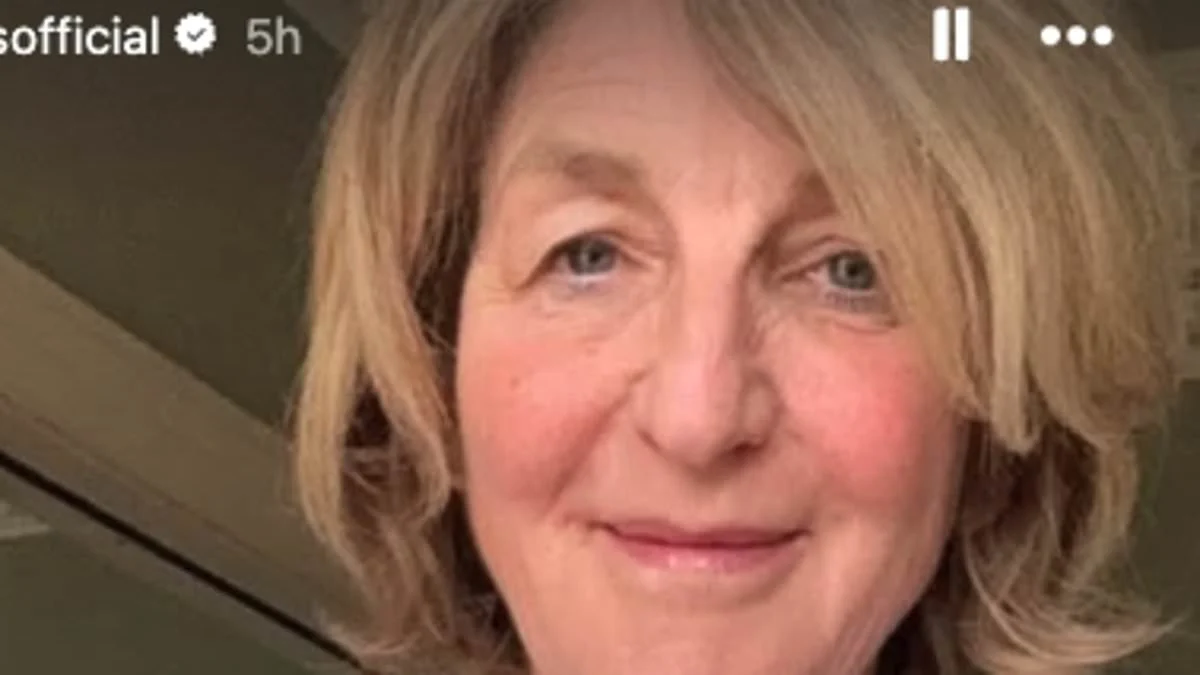
Kaye Adams, the veteran broadcaster and mainstay of ITV’s Loose Women, made a poignant return to social media this Saturday, offering followers a glimpse into her personal recovery following a tumultuous period that saw her removed from her long-standing role at BBC Scotland. The 63-year-old presenter, who had been the voice of a high-profile morning radio show earning an estimated £155,000 per year, took to Instagram to signal she was "getting there" after a disciplinary investigation concluded with her departure from the corporation. Her update, featuring a make-up-free selfie and a walk with her beloved Cockapoo, Bea, comes in the wake of a misconduct probe that has divided opinion among industry colleagues and sparked intense debate regarding the BBC’s internal culture.
The controversy surrounding Adams reached a fever pitch earlier this month when details of a formal disciplinary investigation were made public. The probe, which began with Adams’ suspension in October 2023, investigated several complaints regarding her professional conduct. Ultimately, the investigation found Adams culpable of three counts of misconduct. These allegations included swearing at a colleague, throwing a pen at another staff member, and berating the professional abilities of an intern. However, it is significant to note that two specific complaints of bullying were not upheld by the investigators. Despite the mixed findings, the broadcaster and the BBC parted ways last month, marking the end of a significant chapter in Scottish radio.
The Misconduct Investigation: Findings and Denials
The specifics of the investigation have been a point of significant contention. Adams has moved to "categorically deny" the most severe of the allegations circulated in the media, specifically the claim that she used a highly offensive expletive—the "C-word"—directed at a colleague 14 years ago. In a comprehensive statement issued via Instagram on Thursday, Adams characterized the narratives surrounding her exit as "malicious" and sought to clarify her position. She maintained that the portrayal of her behavior did not align with her decades-long track record in the industry.
The investigation was triggered during a period of heightened sensitivity within the BBC regarding workplace conduct. Sources indicate that the complaints surfaced following a team meeting observed by Victoria Easton-Riley, the newly appointed Content Director for BBC Scotland. Reports suggest that Easton-Riley witnessed behavior that prompted her to engage in further discussions with staff, eventually leading to the formal probe. This sequence of events has led some of Adams’ supporters to allege a "witch-hunt" orchestrated by new management seeking to modernize or reshape the station’s identity.
A Professional Career Under Scrutiny
Kaye Adams has been a fixture of British broadcasting for over three decades, building a reputation as a sharp, inquisitive, and often empathetic presenter. Her work on Loose Women has made her a household name across the UK, while her BBC Scotland show was a cornerstone of regional programming. The sudden collapse of her relationship with the BBC has therefore sent shockwaves through the industry.
In addition to her television and radio work, Adams has been vocal about the personal toll the investigation has taken. On her weekly podcast, How To Be 60, co-hosted with Karen MacKenzie, she previously admitted to the immense stress caused by the ongoing probe. She revealed that the anxiety had led to physical symptoms, including weight loss and a loss of appetite. Speaking to the Mail on Sunday earlier this year, she expressed her heartbreak over her name being "dragged through the mud," asserting that the investigation felt disproportionate to the incidents described.
The "Witch-Hunt" Allegations and Leadership Changes at BBC Scotland
The timing of the investigation coincides with a period of radical transformation at BBC Scotland. Victoria Easton-Riley, who took the helm in May 2024, has overseen a significant overhaul of the station’s schedule. Within six months of her arrival, the long-running Good Morning Scotland was scrapped and replaced with Radio Scotland Breakfast. This was followed by the cancellation of four late-night music shows and the departure of veteran presenters including Iain Anderson, Roddy Hart, Billy Sloan, and Natasha Raskin Sharp.
Insiders and friends of Adams have suggested that the veteran presenter may have become a casualty of this broader "cleansing" of the old guard. They argue that the misconduct findings—swearing and throwing a pen—while perhaps unprofessional in a modern context, were being used as a pretext to remove an expensive and established star. The BBC, however, maintains that its disciplinary processes are independent and based strictly on evidence of conduct that breaches the corporation’s standards.
Celebrity Support and the "Kindest Woman in TV" Narrative
While the BBC investigation painted a picture of a difficult working environment, a groundswell of support from Adams’ celebrity peers has offered a starkly different narrative. On Friday, a phalanx of Loose Women stars and other media personalities went public to defend her character. Nadia Sawalha, an original Loose Women panelist and a friend of Adams for 26 years, was particularly vocal. In an emotional post, Sawalha demanded that Adams be "left alone," vouching 100% for her integrity and professionalism.
Other high-profile figures joined the chorus of support. Stacey Solomon described Adams as "one of the kindest women in telly," while Sunetra Sarker called her a "remarkable, professional, and kind colleague." Carol Vorderman, Katie Piper, and Olivia Attwood also signaled their support. Jane Moore, another long-time colleague, noted that dozens of staff members who had worked with Adams wrote to BBC Scotland to provide positive testimonials, though these appeared to have little impact on the final outcome of the disciplinary process.
This public defense highlights a common divide in high-profile misconduct cases: the tension between corporate HR findings and the lived experiences of long-term colleagues. For Adams’ supporters, the "misconduct" described—such as throwing a pen—is seen as a minor outburst in a high-pressure live broadcast environment, rather than evidence of a toxic personality.
The "Call It Out" Campaign and BBC Workplace Culture
The investigation into Kaye Adams did not occur in a vacuum. It is part of a much larger, institutional shift at the BBC. Following a series of high-profile scandals, the corporation launched the "Call It Out" campaign, an anti-harassment initiative designed to empower employees to report unacceptable behavior by "talent" or management.
This initiative was a direct response to an independent report into the BBC’s workplace culture, which found that a "star culture" had historically allowed powerful individuals to behave with impunity. The report suggested that managers often failed to tackle problematic behavior for fear of upsetting high-profile presenters or damaging ratings. BBC Chairman Samir Shah has been unequivocal in his support for this cultural shift, stating that no star is "too big" to live by the organization’s values. He warned that those who make life "unbearable" for colleagues would be identified and held to account.
Broader Institutional Challenges: From Huw Edwards to Gregg Wallace
The rigor applied to the Adams case reflects the BBC’s desperate need to rehabilitate its image following several devastating blows to its reputation. The corporation is still reeling from the fallout of the Huw Edwards scandal, which saw the former news anchor plead guilty to possessing child abuse images. While the Edwards case involved criminal activity, it raised serious questions about how the BBC manages its most prominent figures and what management knows about their private and professional conduct.
More recently, the BBC took decisive action against MasterChef presenter Gregg Wallace. A report upheld 45 allegations regarding his behavior, including unwelcome physical contact and inappropriate comments. Similarly, BBC Breakfast presenter Naga Munchetty has faced her own misconduct probe following allegations of bullying, though she remains on air while the process continues.
By taking a hard line on Kaye Adams for relatively less severe infractions—such as swearing and berating an intern—the BBC appears to be signaling a "zero-tolerance" approach intended to demonstrate that the era of the untouchable broadcaster is over. Critics, however, argue that this approach risks becoming performative, targeting older, established presenters to satisfy a corporate mandate for change.
Analysis of Implications for the Broadcasting Industry
The axing of Kaye Adams serves as a landmark case for the UK media industry, highlighting the evolving boundaries of workplace etiquette. In the high-stress, fast-paced world of live radio and television, behaviors that were once considered "part of the job"—such as short tempers, blunt critiques, or even minor physical expressions of frustration—are now being reclassified as misconduct or bullying.
For veteran broadcasters who began their careers in the 1980s and 90s, this shift represents a significant cultural hurdle. The "Call It Out" era demands a level of emotional regulation and interpersonal sensitivity that may clash with the traditional "old school" newsroom or studio environment.
Furthermore, the financial implications are significant. With the BBC under constant pressure to justify the license fee, the removal of high-earning stars like Adams allows the corporation to redirect funds toward digital transformation and younger talent. However, the loss of experienced, "brand-name" presenters risks alienating older audiences who value familiarity and established journalistic authority.
Conclusion: The Path Forward for Kaye Adams
As Kaye Adams continues her "getting there" journey, her professional future remains anchored at ITV. The network has confirmed it is standing by the star, and she remains a regular presence on Loose Women. This continued employment suggests that while the BBC found her conduct incompatible with its specific current standards, other major broadcasters do not view the findings as a career-ending breach of ethics.
The saga of Kaye Adams at BBC Scotland is more than just a story of a workplace dispute; it is a reflection of a corporation in transition, struggling to balance its "star power" with a modern mandate for a safe and respectful workplace. Whether Adams’ departure is seen as a necessary correction of workplace culture or a "witch-hunt" against a veteran broadcaster, it remains a defining moment in the ongoing debate over the future of the BBC. For now, Adams appears focused on her personal well-being, supported by a network of peers who refuse to let her decades of service be overshadowed by a single, contentious investigation.
