
 By admin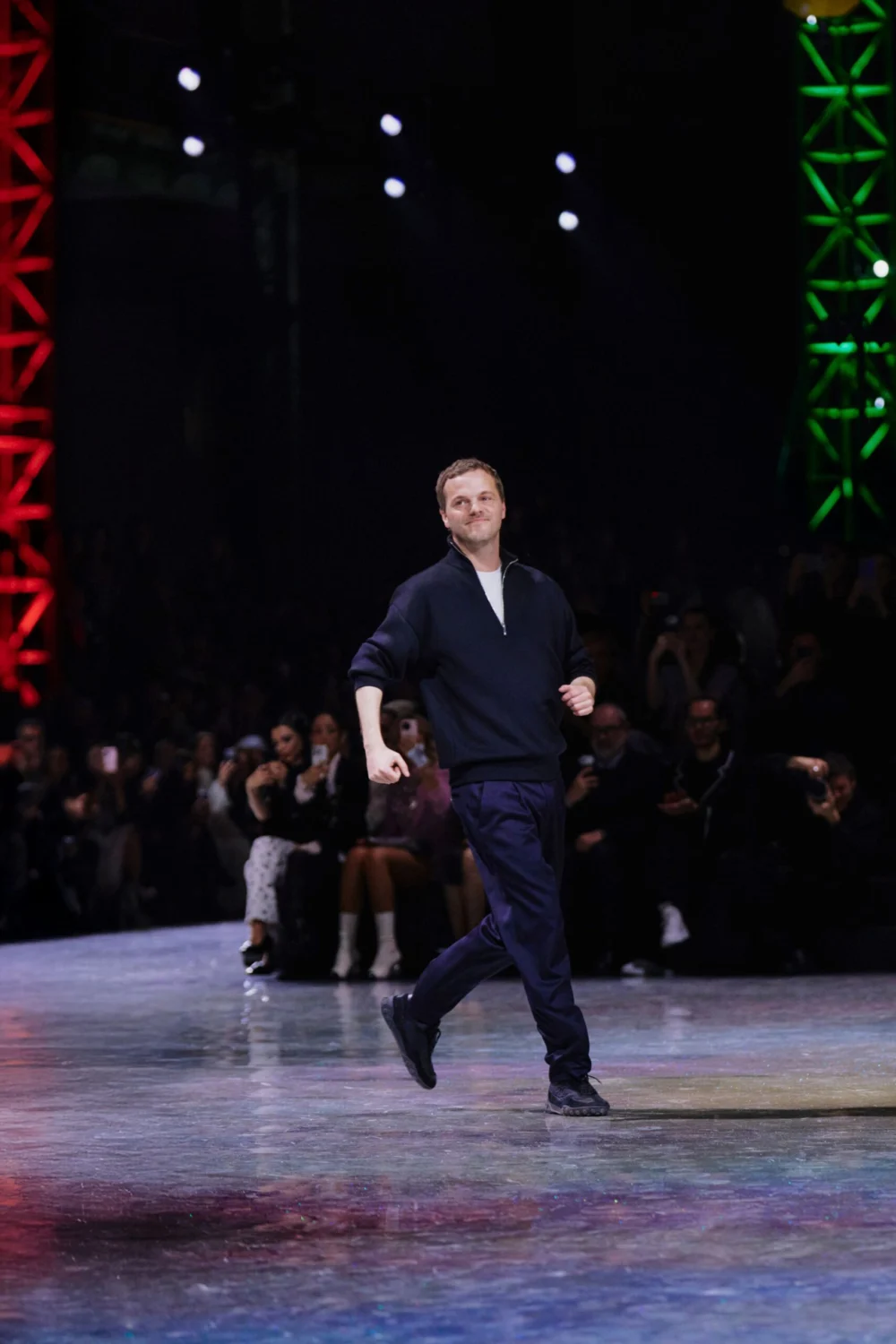
A palpable buzz, rarely witnessed outside of seasonal sample sales, enveloped New York City’s prestigious 57th Street Chanel boutique on Friday the 13th. At precisely 1:23 pm, amidst a brisk "feels like" 28-degree chill, a queue snaked down the block, a testament to the magnetic pull of Matthieu Blazy’s freshly unveiled debut collection for the storied French maison. "I’ve never seen you wait in any line, this is crazy," remarked one friend to another, returning from a quick foray for sustenance, encapsulating the extraordinary nature of the gathering. This scene, mirroring similar frenzies in Paris just days prior, underscores a significant moment in luxury retail: the revitalization of a heritage brand through a new creative vision, generating unprecedented consumer excitement and demanding a re-evaluation of traditional luxury acquisition paradigms.
The Genesis of "Matthieu-Mania": A New Chapter for Chanel
The phenomenon, swiftly dubbed "Matthieu-mania" by industry observers, began its sweep across Chanel’s global retail network with the official in-store launch in Paris on March 5th, coinciding with the tail end of Paris Fashion Week. The immediate response was nothing short of extraordinary, drawing a diverse crowd of fashion editors, VIPs (Very Important Persons), and VICs (Very Important Clients) who converged on the brand’s Parisian locations. The objective was clear: to secure pieces from Blazy’s Spring 2026 ready-to-wear collection before they vanished from shelves. Key items like the distinctive east-west bags and the exquisitely embossed croc pumps quickly emerged as primary targets, signaling the immediate commercial success of Blazy’s aesthetic.
Matthieu Blazy’s appointment as Creative Director at Chanel marked a pivotal transition for the brand. Following the passing of Karl Lagerfeld in 2019 and the subsequent tenure of Virginie Viard, the fashion world keenly awaited the next definitive artistic direction for one of its most iconic houses. Blazy, a designer celebrated for his intellectually rigorous yet deeply wearable approach during his transformative period at Bottega Veneta, arrived with a formidable reputation. His work at Bottega was lauded for its nuanced blend of craftsmanship, modern sensibility, and a quiet luxury that resonated deeply with discerning consumers. The anticipation for his Chanel debut was therefore immense, with many questioning how he would interpret the brand’s entrenched codes – the tweed, the pearls, the camellias – while imprinting his own contemporary vision. His initial runway presentation for Spring 2026 was met with critical acclaim, lauded for its fresh perspective that felt both respectful of Chanel’s heritage and boldly forward-looking. This critical success laid the groundwork for the retail fervor that would soon follow.

The New York Unveiling: A Day of Anticipation and Aspiration
For the vast majority of Chanel enthusiasts in New York who could not partake in the Parisian launch, the collection’s arrival at the uptown flagship on 57th Street was a highly anticipated event. The store’s listed opening time of 1:00 pm served merely as a formal marker; by 1:03 pm, a mere three minutes after doors theoretically opened, the line already stretched visibly down the block. This immediate congestion underscored not just the collection’s desirability, but also the strategic exclusivity employed by Chanel in managing its distribution.
The queue itself became a microcosm of the modern luxury consumer. While some individuals, citing privacy concerns ("my parents would kill her," one woman quipped), politely declined interviews, many were eager to articulate their renewed connection to the house. Barbara, a self-professed non-traditional Chanel customer, articulated a sentiment shared by many: "I’m not a big Chanel person, but [Matthieu] changed the vibe of the brand, and so for the first time there’s a bunch of things where there’s something I would wear." Having followed Blazy’s debut show online, she was informed of the New York drop by a sales associate and arrived with a clear budget, prepared to spend approximately $15,000 on desired shoes and a bag. This willingness to commit significant financial resources highlights the perceived value and immediate appeal of Blazy’s designs.
Jennifer, a 34-year-old accountant, exemplified another segment of the clientele. Her interest in Blazy stemmed from his previous work at Bottega Veneta, making her "very curious to see what he was going to do at Chanel." She was specifically hunting for the mint green and black croc pumps, a piece that had already proven immensely popular in Paris. Jennifer, who enjoys consuming fashion content from editors and bloggers without necessarily being a "runway diehard," represented the informed but not obsessive fashion consumer looking for "great investment pieces" to pass down. Her excitement was amplified by the shared enthusiasm of fellow customers, indicating a collective energy surrounding the collection.
The Hot Ticket Items: Shoes Lead the Charge
Across both Paris and New York, footwear emerged as a dominant category driving sales. Zuzu, a personal shopper navigating the demands of five clients, confirmed her primary mission was to secure the collection’s coveted two-tone ballet flats. This particular item, blending classic Chanel elegance with Blazy’s contemporary touch, resonated strongly with a broad spectrum of buyers. Similarly, Kevin, a 26-year-old finance professional, arrived with a clear objective: a maxi flap bag or, failing that, a pair of shoes. His aspirational choice, a cropped gray suit from the opening look of the collection, underscored the broader appeal of Blazy’s vision, transcending individual pieces to encompass entire runway aesthetics.

Kevin, like Jennifer, had been a follower of Blazy’s work at Bottega Veneta. He articulated a clear preference for Blazy’s "pretty contemporary direction," finding it more aligned with his personal aesthetic than previous Chanel offerings. His engagement with fashion extends beyond mere consumption; he considers himself an enthusiast who taps into insights from digital tastemakers like Luke Meagher (HauteLeMode) and Bryanboy. Working in finance, he light-heartedly noted, afforded him the means to translate his passion into purchases. For Kevin, Blazy’s influence was even broader, sparking a more critical engagement with the entire fashion show experience, from set design to music choices. He also highlighted the strategic importance of brand ambassadorships with stars like Jennie and model Bhavitha Mandava, demonstrating the multi-faceted appeal of Chanel under Blazy’s direction.
Strategic Exclusivity and the Digital Age
The meticulous management of stock and customer access is a hallmark of luxury brands, and Chanel’s approach to Blazy’s debut was no exception. At 1:31 pm, a mere 31 minutes after the store’s opening, a sales associate began moving through the lengthy queue, delivering news that, in any other retail scenario, might have dispersed the crowd: the majority of items had already sold out. This rapid depletion was attributed to private appointments with VICs held throughout the morning, effectively giving the most valued clients first access.
Yet, remarkably, this announcement did not deter the eager customers. Only a small fraction chose to leave. Many, like Kevin, remained steadfast, driven by the desire to simply see the pieces in person, to experience the collection firsthand, even if immediate purchase was no longer an option. The tantalizing sight of a "crushed" bag displayed within the boutique’s glass façade served as a powerful motivator, illustrating the enduring allure of physical interaction with luxury goods. This moment highlighted a key aspect of modern luxury consumption: the experience of aspiration and connection to the brand can be as powerful as the act of purchase itself.
The rapid sell-out and the enduring queue, even in the face of limited availability, speak volumes about Chanel’s carefully calibrated strategy of exclusivity. By creating high demand and limited supply, the brand amplifies the desirability of its products. This approach, while potentially frustrating for some, reinforces the perception of luxury and scarcity, factors that are intrinsically linked to the brand’s premium positioning. The promise of restocks in "the coming weeks" further fuels anticipation, transforming a moment of disappointment into a future opportunity.

Broader Implications for the Luxury Market
Matthieu Blazy’s debut at Chanel, and the subsequent "Matthieu-mania," offers several significant insights into the current state and future trajectory of the luxury market.
Firstly, it underscores the immense power of a visionary creative director to inject new life and commercial dynamism into even the most established heritage brands. Blazy’s ability to reinterpret Chanel’s codes with a fresh, contemporary lens has clearly resonated with both long-standing devotees and a new generation of luxury consumers. This success will undoubtedly influence other luxury houses contemplating similar leadership transitions, reinforcing the idea that bold artistic direction can yield substantial dividends.
Secondly, the phenomenon highlights the evolving nature of luxury consumption. The blend of traditional VIP access, physical queues, and digital engagement (customers watching shows online, consulting social media influencers) demonstrates a multifaceted consumer journey. The luxury shopper is increasingly informed, digitally savvy, and seeks both exclusivity and an authentic connection to the brand’s narrative. Blazy’s collections appear to bridge this gap, offering designs that are both aspirational and relatable to a diverse audience.
Thirdly, the swift sell-out and sustained demand, even in challenging economic climates or on an otherwise inauspicious "Friday the 13th," reflect the resilience and growth of the ultra-luxury segment. Consumers are willing to invest significantly in pieces they perceive as valuable, timeless, and representative of a desired aesthetic. The notion of "investment pieces" for future generations, as articulated by Jennifer, speaks to a deeper cultural value placed on luxury items beyond mere trend cycles.

Finally, the event serves as a powerful reminder of the importance of the physical retail experience. In an increasingly digital world, the queue outside the Chanel boutique was not merely a logistical necessity but part of the allure. It fostered a sense of community, shared excitement, and collective aspiration that online shopping, for all its convenience, cannot fully replicate. The tantalizing glimpse of a sold-out bag through a window reinforces the unique draw of brick-and-mortar spaces in the luxury ecosystem.
Conclusion: A Resounding Debut
At 2:35 pm, over an hour and a half after opening, the line outside Chanel’s 57th Street flagship continued to move, albeit slowly, maintaining its significant length. Regardless of their "fashion insider" status or prior affinity for the brand, Matthieu Blazy’s vision for Chanel has unequivocally captivated and invigorated the masses. This resounding debut, characterized by unprecedented demand and widespread enthusiasm, is a truly impressive feat, cementing Blazy’s position as a transformative force in contemporary luxury fashion and charting a compelling new course for one of the world’s most revered houses. The "Matthieu-mania" is not just a fleeting trend; it is a clear signal of a revitalized Chanel, perfectly attuned to the desires of the modern luxury consumer.
