
 By admin
The global bridal fashion landscape is undergoing a significant paradigm shift, moving away from single-use garments toward a more holistic, "wardrobe-based" approach to the wedding experience. At the forefront of this evolution is Natori, the luxury lifestyle brand founded by Josie Natori, which recently unveiled its Spring 2026 Bridal and Lifestyle Lingerie collection. This latest offering seeks to capture the "quiet pause" of the wedding day—the intimate, ritualistic moments of preparation—while establishing a design language that extends far beyond the ceremony and the honeymoon. By integrating the brand’s signature East-meets-West aesthetic with high-performance luxury fabrics, Natori is positioning bridal intimacy as a long-term investment in a woman’s personal wardrobe rather than a fleeting seasonal purchase.
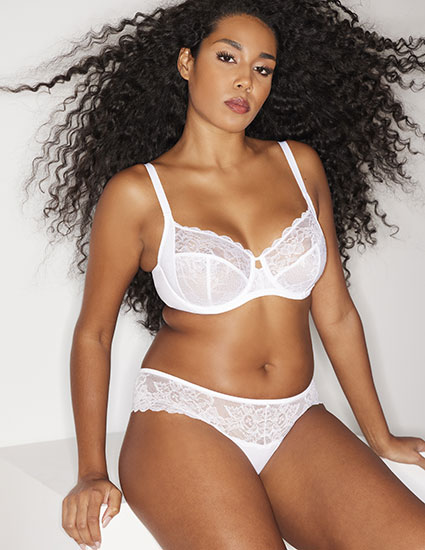
Strategic Vision and the Philosophy of the "Quiet Pause"
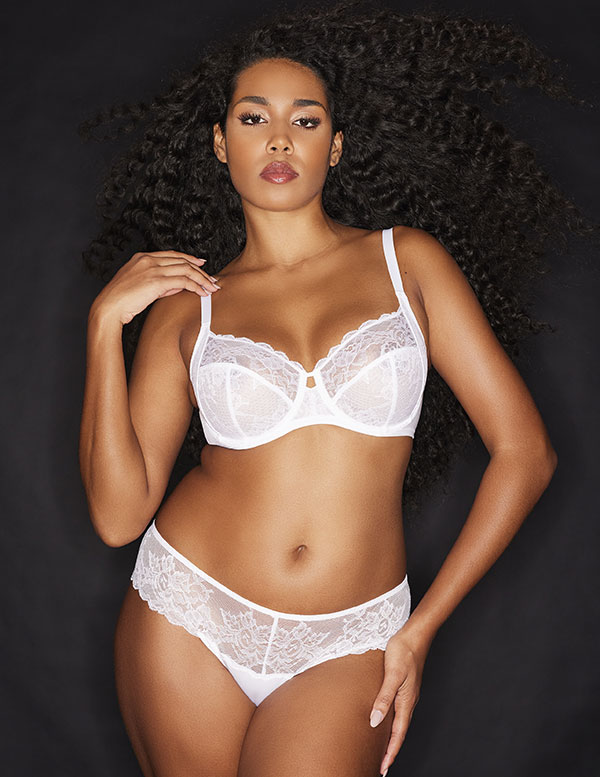
The Spring 2026 collection is built upon a narrative of anticipation. In the luxury bridal sector, much of the marketing focus has historically remained on the gown or the event itself. Natori, however, has identified a growing consumer demand for the "pre-ceremony" aesthetic. This involves the hours spent in the dressing room, surrounded by family and bridesmaids, where the bride transitions into her formal role. The collection utilizes silk, satin, and engineered lace to facilitate this transition, offering pieces that provide both the comfort required for a long day of preparation and the visual sophistication demanded by modern wedding photography.
Josie Natori’s philosophy has long been rooted in the idea that lingerie should be a source of personal empowerment. For the Spring 2026 season, this translates into a "lifestyle narrative." The brand argues that bridal dressing should not be confined to a single night but should instead linger as a part of a morning ritual or an evening of relaxation for years to come. This focus on longevity aligns with broader luxury market trends toward "quiet luxury" and sustainable consumption, where the value of a garment is measured by its craftsmanship and its ability to remain relevant across different life stages.

A Chronology of the Natori Aesthetic: From 1977 to Spring 2026
To understand the significance of the Spring 2026 collection, one must look at the four-decade trajectory of the Natori brand. Founded in 1977 by Josie Natori—a former investment banker who was the first female Vice President of Investment Banking at Merrill Lynch—the company began with a single hand-embroidered tunic from the Philippines. This garment, reimagined as a nightshirt, laid the foundation for what would become a global empire spanning lingerie, ready-to-wear, home goods, and fragrance.
The Spring 2026 collection represents a culmination of this history. Over the years, Natori has consistently bridged the gap between Eastern artistry and Western functionality. In the 1980s and 90s, the brand popularized the use of bold colors and intricate embroidery in an era dominated by utilitarian undergarments. By the early 2000s, Natori had solidified its reputation for "art to wear," incorporating sculptural lines and kimono-inspired silhouettes. The current collection refines these elements for the modern bride, utilizing 21st-century textile engineering to create lace that is both delicate to the touch and durable enough for regular wear.

Design Architecture: Floral Motifs and Sculptural Silhouettes
The aesthetic core of the Spring 2026 collection is "Romance in Bloom." The design team utilized a specific botanical vocabulary—peonies, orchids, and butterfly motifs—to communicate themes of transformation and prosperity, which are deeply rooted in Eastern cultural symbolism. Peonies, often referred to as the "king of flowers" in Asian art, represent honor and wealth, while butterflies symbolize the soul and the lightness of being.
These motifs are not merely printed onto the fabric; they are integrated through sophisticated lace embroidery and fluid silhouettes. The technical execution involves:
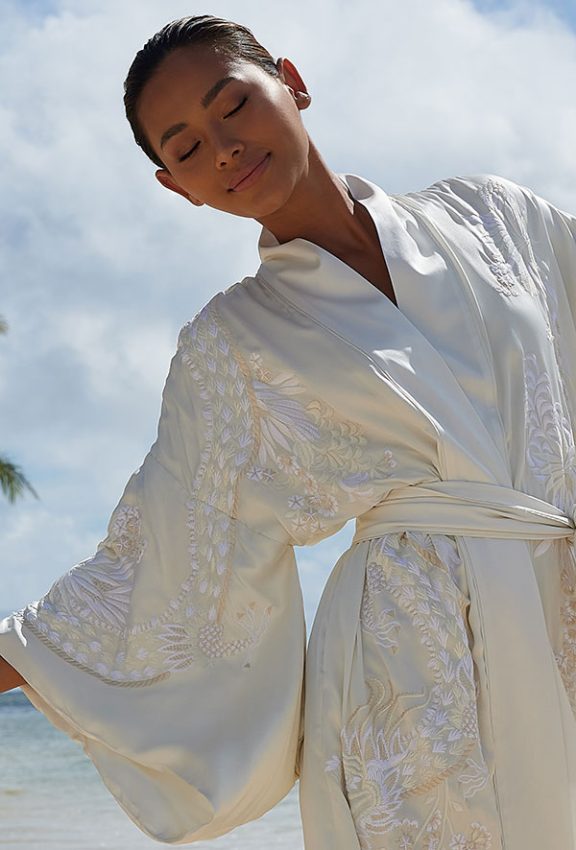
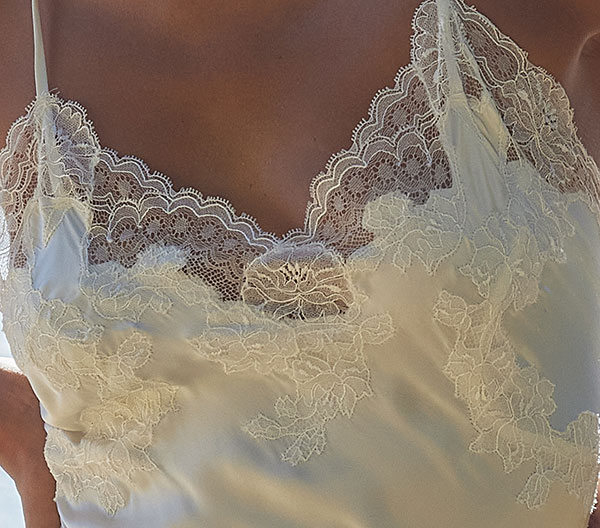
- Engineered Lace: Utilizing precise machinery to ensure that floral patterns align perfectly across seams, maintaining the visual integrity of the garment.
- Kimono-Inspired Draping: Borrowing from traditional Japanese construction to create robes that offer a universal fit while maintaining a high-fashion edge.
- Fluidity of Movement: The use of bias-cut silks that drape naturally over the body, echoing the softness of the spring season without the fragility often associated with bridal wear.
The result is a collection that is romantic without excess. It avoids the heavy "costume" feel of traditional bridal lingerie, opting instead for a polished sophistication that feels appropriate for a luxury hotel suite or a private residence.
Market Data and Economic Context of the Bridal Lingerie Sector
Natori’s strategic move to frame bridal as a "wardrobe" is supported by current economic data within the fashion industry. The global bridal wear market is projected to reach approximately $82.8 billion by 2030, with the lingerie and "innerwear" segment growing at a compound annual growth rate (CAGR) of roughly 5.5%. Analysts note that today’s brides are allocating a larger percentage of their budgets to "multi-event" clothing—outfits for the engagement party, the rehearsal dinner, the "getting ready" phase, and the honeymoon.
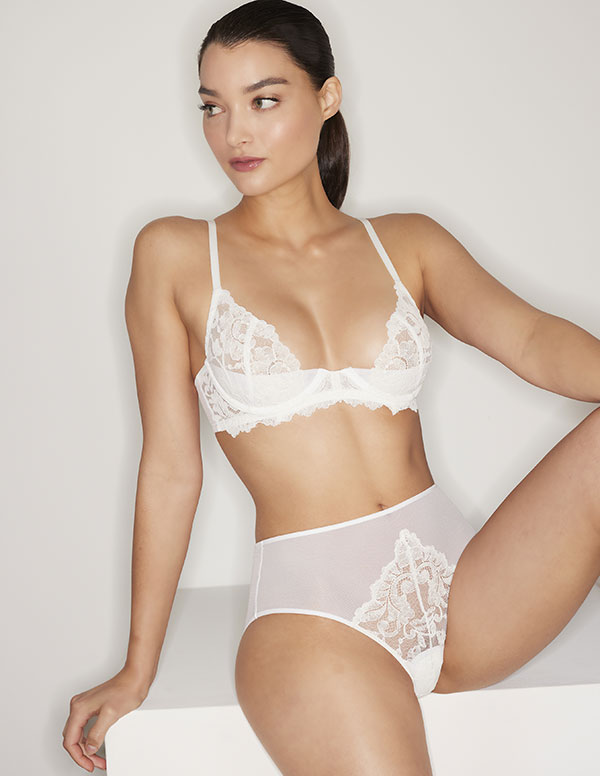
Furthermore, the rise of social media platforms like Instagram and TikTok has created a "visual economy" for weddings. The "getting ready" photos now hold nearly as much weight in a wedding album as the ceremony photos. This has driven a surge in demand for high-end robes and chemises. By offering pieces that function as both intimate apparel and photogenic loungewear, Natori is tapping into a lucrative intersection of the fashion and wedding industries.
The "lifestyle" aspect of the collection also addresses the "post-wedding" market. According to consumer surveys, 65% of luxury bridal consumers express a preference for items they can wear after the wedding festivities have concluded. Natori’s emphasis on silk and satin basics ensures that these pieces do not end up in storage boxes but remain active components of a consumer’s daily life.

Official Responses and Strategic Positioning
While official press statements from the brand emphasize the "poetry" of the collection, industry insiders view the Spring 2026 launch as a calculated move to solidify Natori’s dominance in the "bridge luxury" and "prestige" tiers of the market. Retailers have responded positively to the collection’s versatility. "The modern bride is looking for value that isn’t just about the price tag, but about the utility and the emotional connection to the brand," noted one luxury boutique buyer during the preview.
Josie Natori herself has often stated that "Natori is a total way of life." This collection reinforces that message by blurring the lines between different categories of dress. The Spring 2026 bridal line is designed to sit comfortably alongside the brand’s main lingerie and sleepwear lines, allowing for cross-merchandising in high-end department stores like Neiman Marcus, Saks Fifth Avenue, and Bloomingdale’s.
Broader Impact and Industry Implications
The implications of Natori’s Spring 2026 collection extend into the realms of sustainability and the "slow fashion" movement. By creating high-quality garments designed to last for years, the brand is pushing back against the "disposable" nature of the wedding industry. This approach encourages consumers to view their bridal purchases as the start of a long-term relationship with a brand’s aesthetic.
Additionally, the collection highlights the continued relevance of "East-meets-West" design in a globalized market. As consumers become more culturally literate, the demand for authentic, heritage-inspired design grows. Natori’s ability to weave Filipino craftsmanship and Pan-Asian motifs into Western silhouettes provides a unique competitive advantage that is difficult for fast-fashion imitators to replicate.
In the broader context of fashion history, the Spring 2026 collection may be remembered as the moment when bridal intimacy officially transitioned from a "special occasion" niche into a comprehensive lifestyle category. By focusing on the "quiet pause"—the moments of reflection and preparation—Natori has successfully elevated the mundane into the monumental, ensuring that the beauty of the wedding day lives on in the fabric of everyday life.
As the industry looks toward the 2026 season, Natori’s blend of romance, craftsmanship, and strategic versatility sets a high benchmark. The collection proves that in the world of luxury intimacy, the most enduring pieces are those that understand the woman wearing them—not just on her wedding day, but in all the quiet, intimate moments that follow.
