
 By admin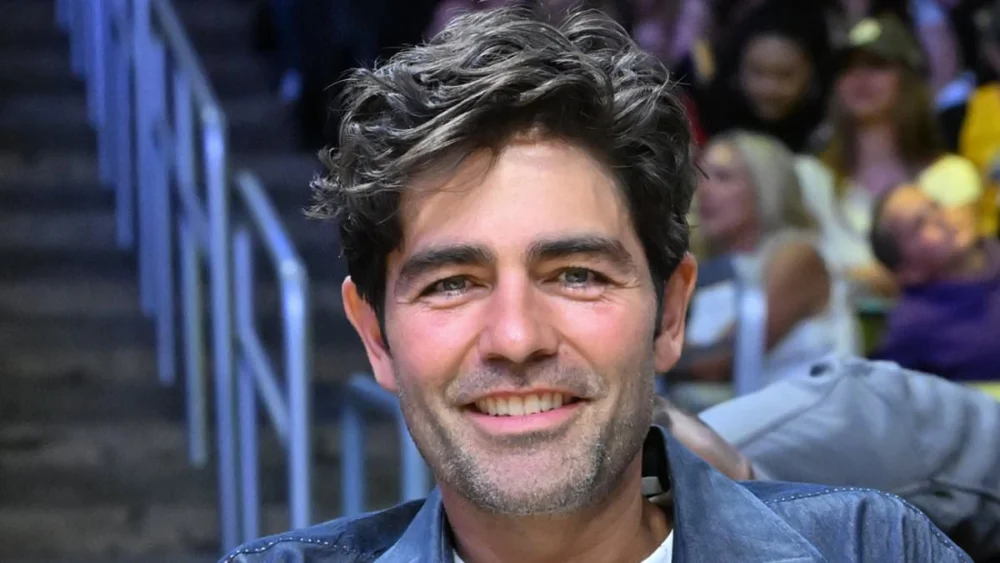
Adrian Grenier, the actor who portrayed Nate Cooper in the 2006 cinematic staple The Devil Wears Prada, has officially addressed his absence from the film’s highly anticipated sequel. In a comprehensive interview with Page Six, the 49-year-old actor expressed a mixture of disappointment and pragmatic understanding regarding the decision by producers to move forward without his character. The revelation follows the release of a promotional trailer for the sequel, which confirms that the protagonist, Andrea "Andy" Sachs, portrayed by Academy Award winner Anne Hathaway, has transitioned into a new chapter of her life featuring a different romantic interest.
The sequel, which reunites core cast members including Meryl Streep, Emily Blunt, and Stanley Tucci, arrives nearly two decades after the original film became a cultural phenomenon. Grenier’s exclusion marks a significant narrative shift, as his character served as the primary emotional anchor—and eventual point of contention—in the original story’s exploration of work-life balance and personal ambition.
The Nate Cooper Controversy: From Romantic Lead to Cultural Villain
The decision to omit Grenier from the upcoming installment appears to align with a massive shift in public perception regarding his character, Nate Cooper. While Nate was originally framed as the "grounded" boyfriend who reminded Andy of her roots, the intervening 18 years have seen a radical re-evaluation of his behavior by audiences and film critics alike.
In the years following the film’s release, social media platforms and film essays have frequently labeled Nate as the "true villain" of The Devil Wears Prada. Critics of the character point to his lack of support for Andy’s career milestones, his resentment of her professional growth, and a specific scene involving a missed birthday party that has become a touchstone for discussions on "toxic" relationships in cinema.
Grenier acknowledged this cultural headwind during his recent interview, suggesting that the negative sentiment surrounding Nate likely influenced the casting and scriptwriting process for the sequel. "I think that just leaves room for a spinoff," Grenier remarked, while admitting that the lack of a "callback" was a disappointment. He noted that the "backlash" toward Nate was something he had eventually come to understand, despite not initially seeing the character’s flaws during the original production.
This sentiment echoes comments Grenier made to Entertainment Weekly in 2021, where he admitted to being "immature" at the time of filming and failing to recognize the subtleties of Nate’s selfishness. "I didn’t see some of the subtleties and the nuance of this character and what it represented in the film until the masses came online and started to push against the character," he stated at the time.
Narrative Evolution in The Devil Wears Prada 2
The upcoming sequel, scheduled for a theatrical release on May 1, 2026, focuses on a vastly different landscape than the 2006 original. While the first film centered on a recent college graduate navigating the entry-level rigors of fashion journalism, the sequel explores the industry’s decline in the digital age and the shifting power dynamics between established titans and rising executives.
According to the official synopsis, the plot follows Miranda Priestly (Meryl Streep) as she faces the twilight of her career. The traditional print model of Runway magazine is struggling against a changing media landscape. In a strategic irony, Priestly is forced to contend with Emily Charlton (Emily Blunt), her former assistant who has ascended to a high-powered executive role at a luxury conglomerate. Miranda reportedly seeks out Andy Sachs to assist her in navigating this existential professional crisis.
The absence of Nate Cooper allows the sequel to focus more heavily on Andy’s professional autonomy and her new romantic life, which is briefly glimpsed in the trailer. By removing the "anchor" of her past relationship, the script appears to prioritize Andy’s evolution as a woman who has successfully integrated her professional ambitions with her personal identity, a stark contrast to the ultimatum-driven conflict of the first film.
Chronology of a Cult Classic: 2006 to 2026
To understand the weight of the sequel, one must look at the timeline of the franchise’s development and its enduring impact on the film industry:
- June 2006: The Devil Wears Prada, based on the novel by Lauren Weisberger, premieres in theaters. It earns $326.7 million worldwide against a $35 million budget.
- 2007: Meryl Streep receives an Academy Award nomination for Best Actress for her portrayal of Miranda Priestly. The film becomes a benchmark for fashion in film, thanks to costume designer Patricia Field.
- 2010–2020: The rise of streaming services and social media leads to a "Nate Cooper" reappraisal. Memes and articles criticizing Nate’s "unsupportive" nature go viral, fundamentally changing the character’s legacy.
- June 2021: The cast reunites for a 15th-anniversary interview, where Grenier first publicly agrees with the "Nate as villain" theory.
- 2024: Disney and 20th Century Studios officially greenlight a sequel, with David Frankel in talks to return as director and Aline Brosh McKenna returning to pen the screenplay.
- March 2026: The first trailer for the sequel is released, confirming the return of Streep, Hathaway, and Blunt, while notably omitting Grenier.
- May 1, 2026: The sequel is set to premiere, marking the 20th anniversary of the original’s release.
Financial and Industry Implications
The decision to produce a sequel to a 20-year-old property reflects a broader trend in Hollywood: the "legacy sequel." For Disney and 20th Century Studios, The Devil Wears Prada represents a valuable intellectual property with a multi-generational fanbase. The original film remains a top performer on streaming platforms, and its dialogue has permeated the cultural lexicon.
From a business perspective, the sequel targets a lucrative demographic—millennials who grew up with the film and Gen Z audiences who have discovered it through social media trends. The inclusion of the original "trinity" (Streep, Hathaway, and Blunt) is considered essential for the film’s commercial viability. Industry analysts suggest that by leaning into the rivalry between Miranda and Emily, the film can explore modern themes of corporate mergers and the obsolescence of print media, making it relevant to 2026 audiences.
The exclusion of Grenier, while disappointing to some fans of the original’s romantic arc, is seen by analysts as a "narrative streamlining" move. By focusing on the female-driven power dynamics that made the original a hit, the sequel avoids the pitfalls of repeating the domestic conflicts that have since been criticized as dated or anti-feminist.
Adrian Grenier’s Post-Prada Career and Personal Transition
While he will not be appearing in the fashion-centric sequel, Adrian Grenier has maintained a diverse career in the years since 2006. He is perhaps best known for his lead role as Vincent Chase in the HBO series Entourage, which ran for eight seasons and spawned a feature film. His filmography also includes the Netflix thriller Clickbait and various independent projects.
Beyond acting, Grenier has undergone a significant lifestyle shift. He currently resides on a ranch in Texas with his wife, Jordan Roemmele, whom he married in 2022. The couple has two sons, Seiko and Evren. Grenier has become a vocal advocate for environmentalism and sustainability, often sharing insights into his life as a farmer and his departure from the traditional Hollywood lifestyle.
Professionally, Grenier is currently involved in the short film Self Custody, a project directed by and starring Garrett Patten. The film deals with themes of financial struggle and cryptocurrency, a far cry from the high-fashion world of Runway magazine. Despite his shift in focus, Grenier remains supportive of the Prada franchise, stating, "We’re all fans of the movie, whether or not we’re in it."
Broader Cultural Impact and the "Spinoff" Potential
Grenier’s suggestion of a spinoff focusing on Nate’s life as a chef in Chicago highlights the modern appetite for expanded cinematic universes. While no such project is currently in development, the actor’s comments underscore the enduring interest in these characters.
The discourse surrounding Nate Cooper serves as a case study in how audience values change over time. In 2006, the trope of the "neglected boyfriend" was a standard narrative device in romantic comedies and dramas. In the current cultural climate, which places a higher premium on professional equality and mutual support in relationships, Nate’s actions are viewed through a much more critical lens.
As The Devil Wears Prada 2 prepares for its global debut, it carries the burden of living up to a film that defined an era. By acknowledging the criticisms of the past and evolving the story to meet contemporary standards, the production team aims to secure the franchise’s legacy for another twenty years. For Adrian Grenier, while the "call" for the sequel never came, his contribution to the original film remains an indelible part of cinema history—even if that history is now viewed through a different pair of Chanel sunglasses.
