
 By admin
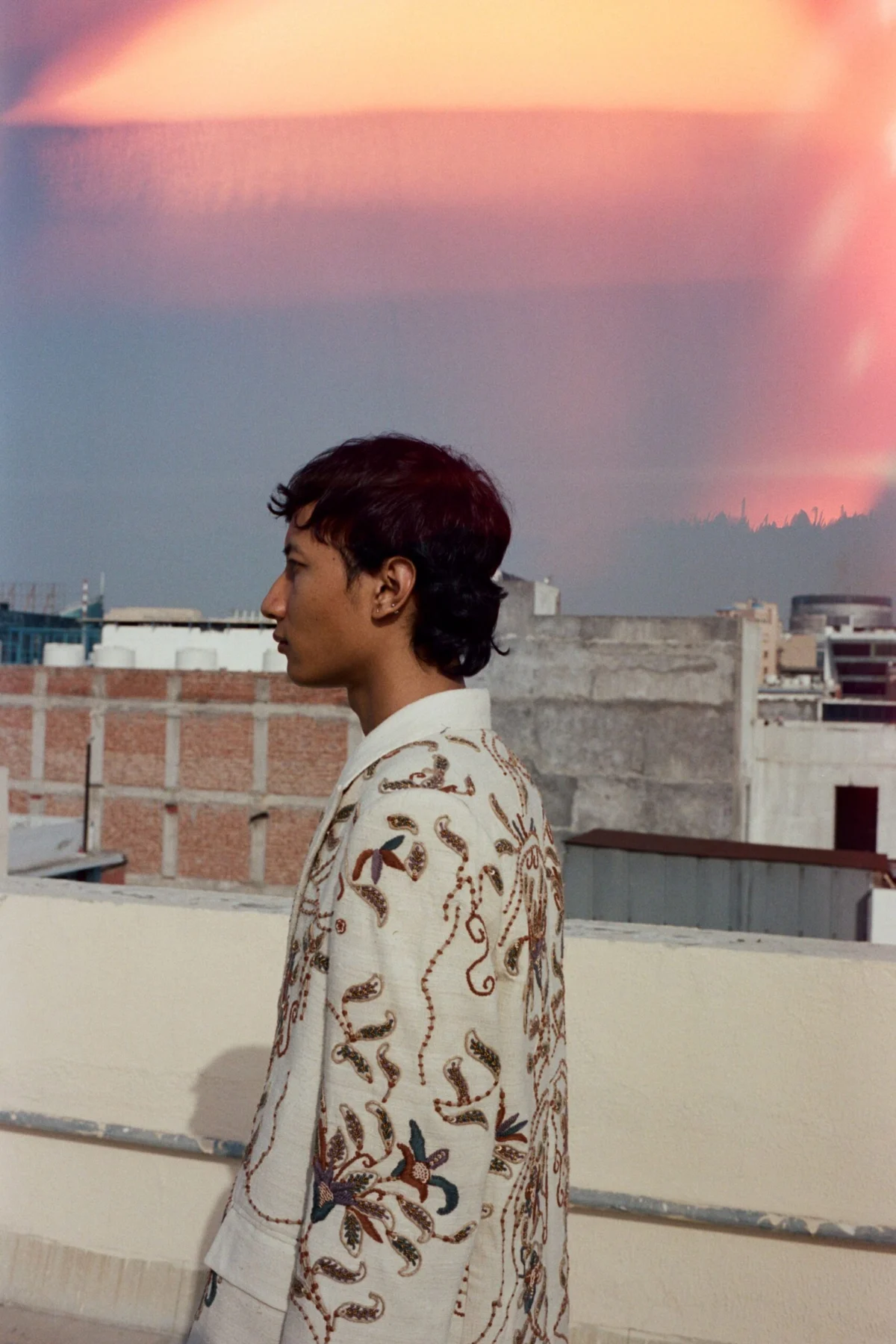
At the young age of 26, Kartik Kumra has swiftly emerged as a formidable, albeit understated, presence within the competitive global menswear landscape. The New Delhi-raised designer, who founded his eponymous brand merely five years ago from his university dorm room at the University of Pennsylvania, is now set to achieve significant milestones that underscore his strategic vision and creative prowess. His journey has been marked by a succession of notable achievements, including the establishment of a distinctive retail outpost in New York’s vibrant Lower East Side, the high-profile adornment of his tie by then mayor-to-be Zohran Mamdani during his official swearing-in ceremony, and, most recently, securing the coveted guest designer position at the upcoming Pitti Uomo trade fair. This prestigious appointment places Kumra squarely in the international spotlight, signaling a new chapter for his brand and for contemporary Indian-inspired design on the global stage.
A Rising Star’s Global Footprint: The Significance of Pitti Uomo
The invitation to be the guest designer at Pitti Uomo, scheduled for next year, is a profound testament to Kumra’s burgeoning influence and innovative approach. Pitti Uomo, held biannually in Florence, Italy, stands as one of the world’s most influential platforms for men’s fashion and lifestyle collections. It is a critical nexus where designers, buyers, journalists, and industry professionals converge to witness the unveiling of upcoming trends and collections. The guest designer slot is particularly prestigious, historically awarded to established luminaries or groundbreaking talents deemed to be shaping the future of menswear. Past guest designers have included revered names such as Jil Sander, Raf Simons, Craig Green, and Telfar, placing Kumra among an elite echelon of creative visionaries. For an independent designer of Kumra’s age, this appointment is not merely a showcase but a powerful endorsement of his unique aesthetic and his brand’s commercial viability. It offers unparalleled global exposure, opening doors to new markets, collaborations, and a broader audience of discerning fashion connoisseurs. This platform will allow Kumra to present his cohesive brand narrative and expansive collection to an audience that values innovation, craftsmanship, and a distinctive point of view, further cementing his brand’s position as a significant player in luxury menswear.
From University Dorm to International Acclaim: A Chronology of Success
Kartik Kumra’s ascent has been characterized by a blend of entrepreneurial spirit and a deep reverence for craft. His journey began in his early twenties, while still pursuing his studies at the University of Pennsylvania. The decision to launch his brand from a college dorm room speaks volumes about his ambition and conviction in his creative vision. This period, roughly five years ago, laid the foundational principles of his brand, which has consistently focused on relaxed silhouettes, natural textiles, and artisanal details.
Following the initial launch, Kumra strategically expanded his presence. The opening of his retail space in New York’s Lower East Side was a calculated move. The Lower East Side is renowned as a dynamic cultural hub, a breeding ground for independent designers and avant-garde fashion. Establishing a physical presence there allowed Kumra to directly engage with his target demographic, cultivate a loyal customer base, and gain invaluable insights into market preferences, all while being immersed in a vibrant creative community. This retail strategy provided a tangible touchpoint for his brand, moving beyond digital storefronts and offering an immersive brand experience.
The incident involving New York State Assembly member Zohran Mamdani further amplified Kumra’s profile. Mamdani, a prominent political figure known for his progressive stance and discerning style, chose to wear one of Kumra’s ties during his swearing-in ceremony. This unsolicited endorsement provided significant organic visibility, linking Kumra’s brand with a figure of public trust and modern sensibility. Such high-profile placements, especially within political and cultural spheres, often confer a subtle yet powerful validation of a brand’s quality and aesthetic appeal, reaching an audience beyond traditional fashion circles.
These incremental successes have culminated in the Pitti Uomo invitation, marking a significant inflection point in Kumra’s relatively young career. Each step, from his academic roots to strategic retail and organic celebrity endorsement, has built a compelling narrative of a designer who is not only creatively gifted but also strategically astute in navigating the complexities of the fashion industry.
The Strategic Imperative: Building an Indian Production Hub
While the public-facing milestones garnered attention, a more profound and strategically significant development has been unfolding behind the scenes: the construction of Kumra’s own factory in his native India. This ambitious undertaking represents a pivotal move towards vertical integration, bringing production, design, and operational oversight under a single roof. This decision is not merely about scaling a burgeoning business, though it will certainly facilitate that; it is a fundamental re-engineering of his brand’s supply chain and a deep commitment to the integrity of his craft.
The motivations behind this vertical integration are multi-faceted. In an industry increasingly plagued by fragmented supply chains, ethical concerns, and quality control challenges, owning the means of production offers unparalleled advantages. First, it grants Kumra direct control over every stage of garment creation, from sourcing raw materials to the final stitch. This level of oversight ensures consistent quality, adherence to ethical labor practices, and the precise execution of his design vision.
Furthermore, the factory is designed to streamline complex artisanal processes. Kumra’s brand heavily relies on traditional Indian handcraft techniques, such as various forms of dyeing, intricate embroidery, and block printing. By integrating these specialized skills directly into his production facility, he can foster a more efficient and collaborative environment. This consolidation reduces lead times, minimizes logistical complexities, and allows for greater experimentation and refinement of techniques. As Kumra articulates, this move brings him "closer to the cloth, closer to the hand, closer to the decisions that define what a garment becomes." This philosophy underscores a desire for profound engagement with the materials and methods, a hallmark of true craftsmanship.
Reimagining Craftsmanship and Supply Chain Resilience
The establishment of a dedicated factory in India taps into a rich legacy of textile production and artisanal skill. India has historically been a global hub for textiles, renowned for its diverse weaving traditions, natural dyeing techniques, and intricate hand embroideries. By situating his factory there, Kumra is not only leveraging existing expertise but also actively contributing to the preservation and evolution of these ancient crafts. The factory is poised to become a nexus for skilled artisans, providing stable employment and fostering the intergenerational transfer of knowledge. This model stands in stark contrast to the often-criticized fast fashion industry, which frequently relies on exploitative labor practices and compromises on quality.
From a sustainability perspective, vertical integration offers significant benefits. Consolidating production in one location reduces the carbon footprint associated with transporting materials and semi-finished goods across multiple facilities and continents. Moreover, Kumra’s commitment to natural textiles and traditional, less energy-intensive craft methods aligns with growing consumer demand for environmentally conscious fashion. The ability to directly manage waste, water usage, and energy consumption within his own facility allows for greater accountability and the implementation of more sustainable practices throughout the production cycle.
Economically, this strategic move positions Kumra’s brand for long-term resilience and growth. By internalizing production costs, he can potentially achieve greater profit margins, allowing for reinvestment into design innovation, research and development, and fair wages for his artisans. In an era where supply chain disruptions have become commonplace, owning the production process provides a significant buffer against external shocks, ensuring greater flexibility and responsiveness to market demands. This also enables faster prototyping and sampling, allowing for quicker adaptation to evolving trends and customer feedback.
Spring Collection 2024: Expanding Horizons and Refining Aesthetics
Kumra’s expansive Spring 2024 collection, unveiled in Paris over the summer, offered a compelling glimpse into the future trajectory of his brand, particularly in light of his new production capabilities. Nominally inspired by the tranquil Golconda Ashram in Pondicherry, India, a modernist architectural masterpiece designed by George Nakashima, the collection revealed two significant evolutions: a substantial expansion of his womenswear offering and a broader, more sophisticated array of tailoring.
The inspiration drawn from George Nakashima’s work is telling. Nakashima, a celebrated woodworker and architect, was known for his profound respect for natural materials, his emphasis on artisanal craftsmanship, and a philosophy that sought to reveal the inherent beauty of wood. His designs often blended traditional Japanese aesthetics with modern functionalism. This philosophy translates seamlessly into Kumra’s approach to fashion, where natural textiles are celebrated, forms are considered, and the hand of the artisan is evident. The Golconda Ashram itself, a serene retreat, likely informed the collection’s overall sense of calm, naturalism, and thoughtful construction.
The decision to broaden his tailoring offering was a direct response to the capabilities of his new Indian factory, which now employs in-house tailors. This integration allows for meticulous attention to detail, precision in construction, and the ability to produce garments that require a high degree of sartorial expertise. The return to well-crafted tailoring, often seen as the bedrock of classic menswear, signals a maturation of the brand and an appeal to a clientele seeking refined, enduring pieces.
Concurrently, the expansion into womenswear was a reaction to growing customer demand. This move is indicative of a broader industry trend where brands, particularly those with a strong aesthetic identity, are increasingly offering gender-fluid or expanded women’s collections to cater to a diverse and evolving consumer base. For Kumra, whose design language of relaxed silhouettes and natural textures inherently possesses a universal appeal, this expansion feels organic and well-timed.
The collection, overall, remained firmly rooted in Kumra’s established visual world. Relaxed silhouettes, many drawing inspiration from traditional Southeast Asian garments, formed the core. These shapes prioritize comfort and ease of movement without sacrificing elegance. The exclusive use of natural textiles further underscored the brand’s commitment to quality and sustainability. These garments were then elevated with folkloric details, such as intricate block-print dyeing and hand embroideries that ranged from subtly subdued accents to richly ornate statements. This fusion creates a unique aesthetic that is both globally aware and deeply rooted in artisanal heritage.
A Fusion of Heritage, Modernity, and Sustainability
Specific pieces from the collection vividly illustrated Kumra’s mastery of detail and texture. A salmon-colored chore coat, a classic workwear silhouette, was transformed with a contrasting collar and a refined vine motif gracefully blooming across its torso, elevating it beyond utilitarian origins. A tobacco suede blouson-style jacket offered a peek of glittering embellishment at the inside of the collar, a discreet touch of luxury that speaks to the wearer. A light, zip-front jacket was rendered in a faded, tapestry-like print, overlaid with delicate embroidery, showcasing a sophisticated layering of patterns and textures.
For women, the collection presented equally compelling narratives. A collarless leather jacket was adorned with a floral motif extending up the torso and down the sleeve, punctuated by a hint of sparkle, blending ruggedness with feminine grace. A sporty funnel-neck jacket, crafted from block-printed velvet, was paired with a lean, floor-grazing skirt, creating a silhouette that is both contemporary and rooted in traditional textile artistry.
What truly distinguishes Kumra’s aesthetic is his ability to infuse almost every piece with some form of decorative flourish, thoughtful adornment, or intricate detail, without ever allowing them to appear precious or overwrought. This balance is achieved by grounding these elaborate details in an earthy, autumnal palette of umber, moss, and terracotta. These natural hues lend a sense of groundedness and timelessness. Furthermore, the relaxed shapes, which skillfully blend elements of workwear and streetwear, ensure that the garments remain approachable, comfortable, and versatile for modern living. It is within this carefully orchestrated tension—between the elaborate and the understated, the youthful and the refined—that Kartik Kumra’s work truly resonates and achieves its distinctive voice.
Industry Implications and the Future of Global Menswear
Kartik Kumra’s journey and strategic developments carry significant implications for the wider fashion industry. His commitment to establishing a vertically integrated production facility in India could serve as a blueprint for other emerging designers seeking greater control, ethical production, and a stronger connection to craft. In an era marked by increasing scrutiny of supply chains and a demand for transparency, Kumra’s model offers a compelling alternative to outsourced, opaque manufacturing. It underscores the viability of combining high-end design with localized, artisanal production, especially in regions rich in textile heritage like India.
Furthermore, his rapid rise, culminating in the Pitti Uomo guest designer spot, highlights the evolving landscape of global menswear. It demonstrates that innovation, authenticity, and a clear brand identity can propel independent designers to international prominence even at a young age. Kumra is not just creating clothes; he is crafting a narrative about cultural exchange, sustainable practices, and the enduring value of human handcraft in a technology-driven world. His success is a testament to the power of blending global aesthetics with local expertise, offering a fresh perspective that challenges conventional notions of luxury and design. As he prepares to showcase his vision on one of the world’s most prestigious stages, Kartik Kumra is poised to influence not only fashion trends but also the very ethos of how contemporary fashion brands are built and sustained.
