
 By admin
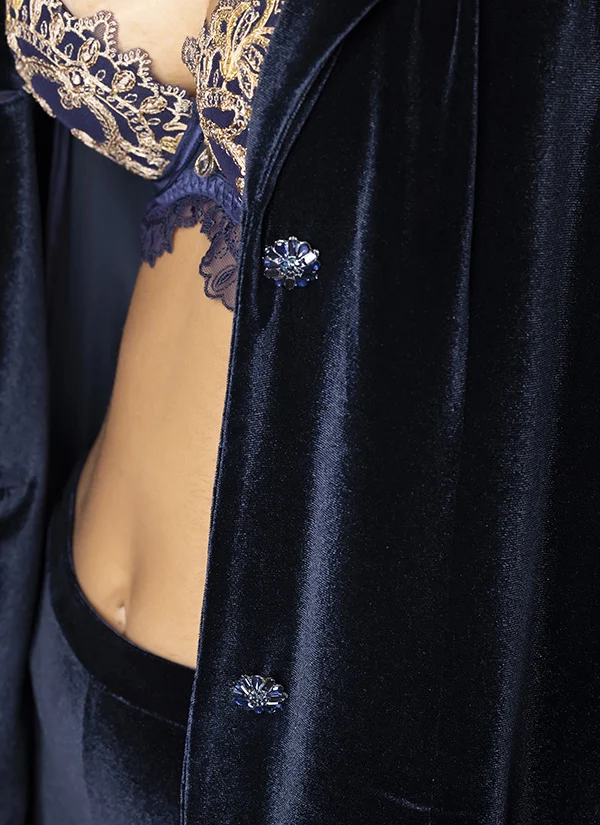
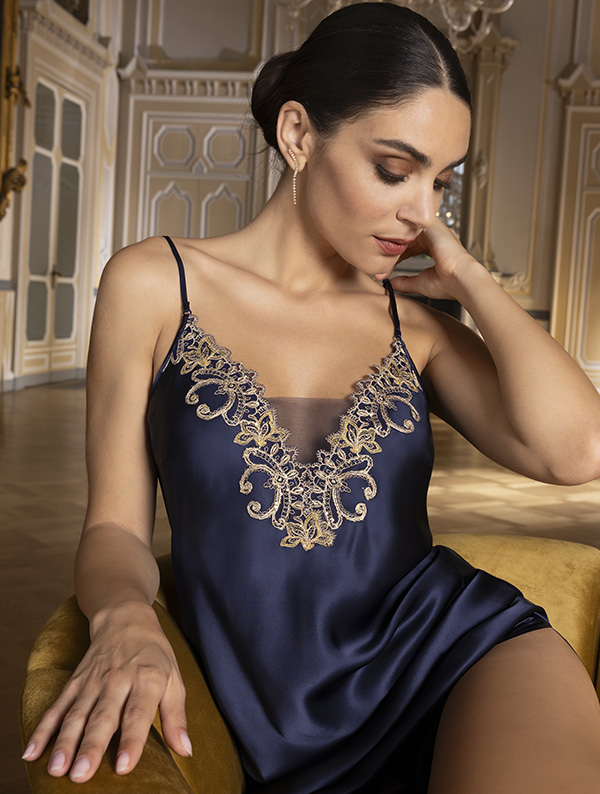
The luxury intimate apparel sector is currently witnessing a significant shift in consumer behavior, highlighted by the rapid commercial success of the Lise Charmel Grand Soir Saphir collection. Initially launched as a high-end seasonal offering, the collection has achieved the rare feat of selling out across multiple retail platforms within weeks of its initial delivery. This surge in demand has moved the French heritage brand to authorize an immediate second production run, a decision seldom seen in the elite "haute lingerie" segment where limited editions and strict seasonal rotations are the industry standard. The Grand Soir Saphir collection, characterized by its deep navy tones and intricate gold embroidery, has transcended its primary function as undergarments, becoming a focal point in the growing "innerwear as outerwear" fashion movement.
Commercial Performance and the Strategic Pivot to Re-Production
In the global luxury market, the sell-out of an entire collection within a one-month window is a metric usually reserved for high-profile collaborations or limited-edition accessories. For a technical lingerie collection like Grand Soir Saphir to achieve this indicates a alignment between current aesthetic trends and consumer desire for versatile, high-craftsmanship pieces. Industry analysts suggest that the "sell-out" phenomenon in this instance is driven by two factors: the return of maximalist evening wear and the increasing willingness of consumers to invest in "investment pieces" that offer multi-use functionality.
Lise Charmel’s decision to initiate a second production run is a strategic response to this vacuum in the market. In the world of French luxury manufacturing, increasing production mid-season is a complex logistical undertaking. It requires the procurement of specialized materials, including the specific metallic gold threads and high-denier tulle used in the Saphir line, and the scheduling of highly skilled seamstresses who specialize in sculptural silhouettes. This move signals the brand’s confidence that the demand is not a temporary spike but a sustained interest in the collection’s specific design language.
Historical Context: Lise Charmel and the Lyon Tradition of Excellence
To understand the success of the Grand Soir Saphir collection, one must look at the heritage of Lise Charmel. Founded in the 1950s in Lyon, France—a city historically recognized as the world capital of silk and lace—the brand has long been a guardian of traditional French craftsmanship. While many lingerie brands have moved toward mass-production and simplified designs to cut costs, Lise Charmel has maintained its focus on "Le Savoir-Faire" (the know-how).
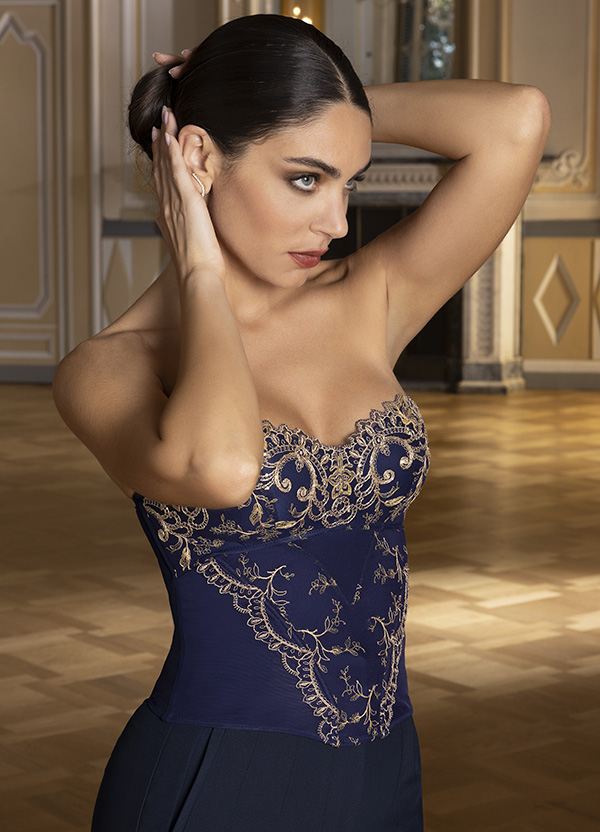
The Grand Soir line represents the pinnacle of this tradition. Historically, the "Grand Soir" (Great Evening) concept in French fashion refers to attire designed for the most formal and prestigious occasions. By applying this philosophy to lingerie, Lise Charmel positioned the Saphir collection as more than just clothing; it is presented as "wearable art." The technical precision required to create a bustier that provides both structural support and the aesthetic of a couture gown is a hallmark of the Lyon school of design, which the brand continues to lead.
The Technical Artistry of the Saphir Collection
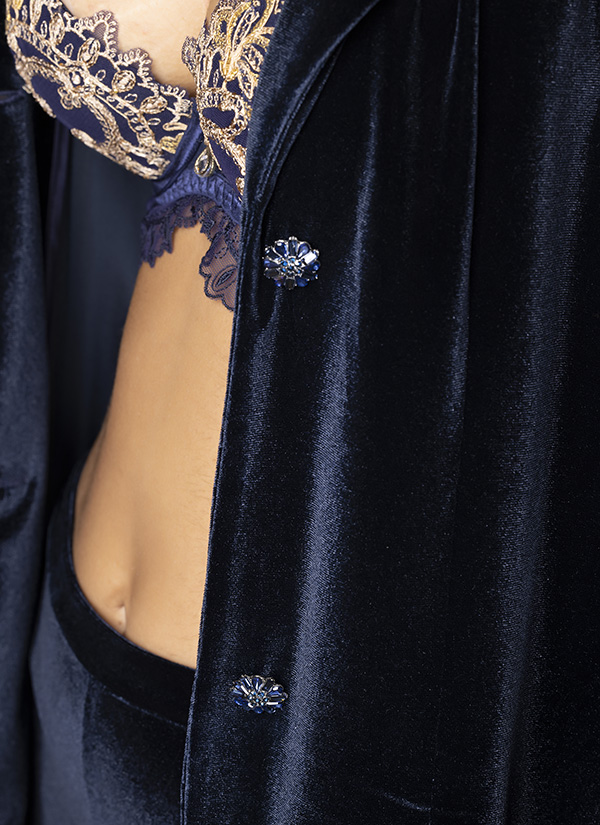
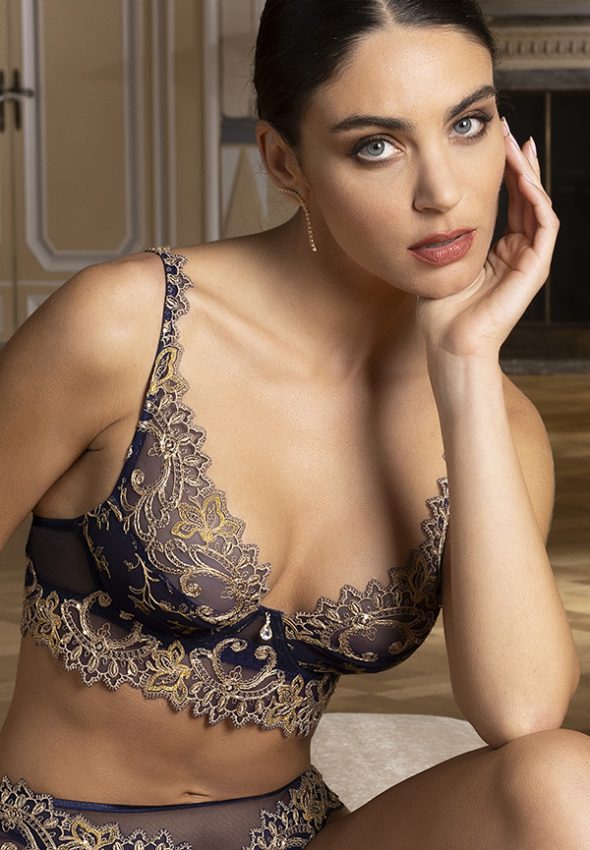
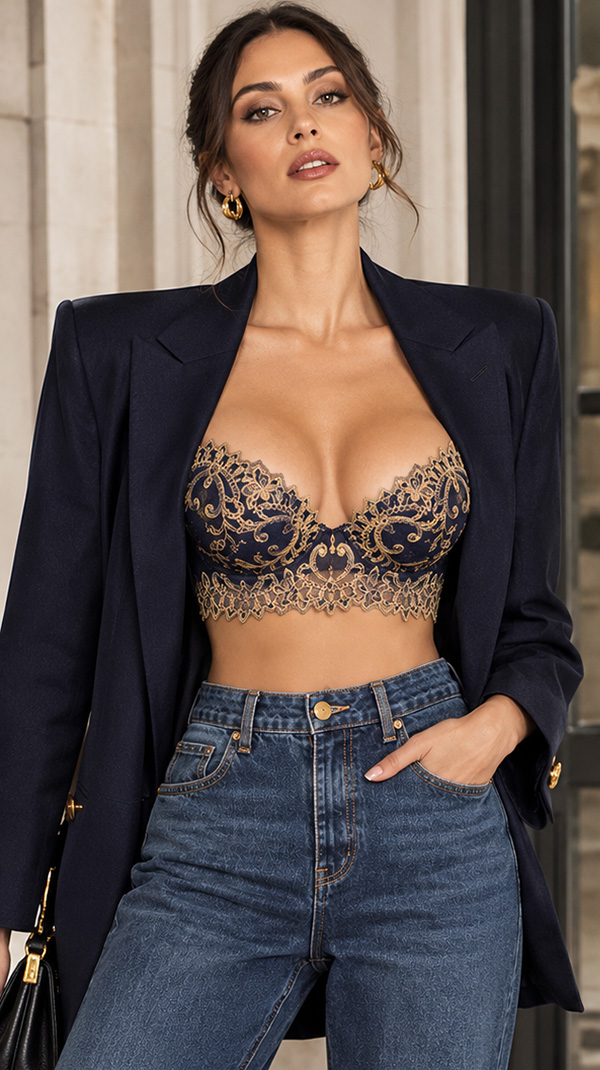
The primary aesthetic draw of the Grand Soir Saphir collection lies in its color palette and embroidery. The choice of sapphire navy—a color associated with royalty and depth—provides a sophisticated alternative to traditional black. This base is accented with gold embroidery that is applied using a multi-layered technique to create a three-dimensional, sculptural effect.
From a technical standpoint, the collection utilizes:
- Calais-Caudry Lace: Often used in the construction to ensure the delicate balance between transparency and durability.
- Architectural Boning: In the bustiers and long-line bras, the boning is integrated to mirror the contours of the female form while providing enough rigidity to be worn without additional support.
- Multi-thread Embroidery: The gold detailing is not merely printed but woven into the fabric, ensuring that the metallic sheen does not fade with wear or cleaning.
These elements contribute to the collection’s high price point but also justify its status as a luxury asset. The sculptural silhouettes mentioned by fashion critics refer to the way the garments shape the torso, a feat of engineering that allows the pieces to transition seamlessly into the realm of high fashion.
Analysis of the Innerwear-as-Outerwear Trend
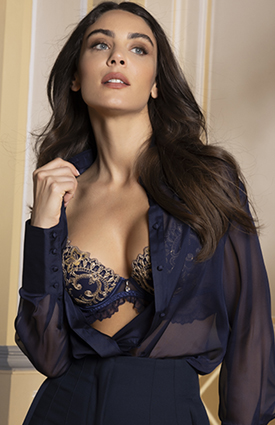
A critical factor in the commercial explosion of the Grand Soir Saphir collection is its adaptability to the "lingerie-to-street" trend. Modern fashion cycles have increasingly blurred the lines between private and public dress. The Saphir bustier, for instance, has been identified by stylists as a versatile wardrobe staple. When paired with high-waisted denim and a tailored blazer, the bustier functions as a sophisticated evening top, providing a contrast between the ruggedness of denim and the delicacy of French embroidery.
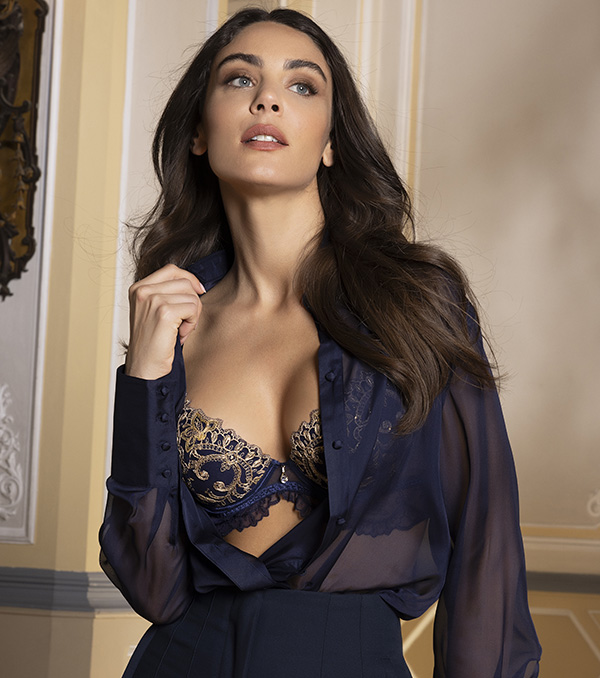
The collection also includes the Variation Désir blouse, a sheer silk-chiffon piece designed to be worn over the Saphir bras. This layering creates an interplay of textures—silk, gold thread, and skin—that aligns with the "Quiet Luxury" aesthetic, where the value of the outfit is found in the richness of the materials rather than overt logos. This versatility doubles the value proposition for the consumer; the garment is no longer restricted to the bedroom but becomes a centerpiece for cocktail parties, holiday celebrations, and formal events.
Market Data and Consumer Demographics
Current market data from the luxury intimate apparel sector indicates a Compound Annual Growth Rate (CAGR) of approximately 7.5% through 2030. Within this growth, the "high-luxury" segment (garments priced above $300) is outperforming the mid-market. Consumers in this demographic are increasingly moving away from "disposable fashion" in favor of items with longevity and artisanal value.
The success of Lise Charmel’s Saphir line reflects a specific demographic shift:
- The Investment Buyer: Women who view a $500 bustier as a better investment than multiple lower-priced tops because of its dual-purpose nature.
- The Aesthetic Collector: Consumers who follow "Lingerie Briefs" and other industry publications, viewing these pieces as collectible art.
- The Post-Pandemic Socialite: A surge in "revenge dressing" has led to higher demand for ornate, celebratory clothing after years of loungewear dominance.
Production Timeline and Future Availability
Following the announcement of the second production run, retail partners have begun opening waitlists for the next delivery. The timeline for French luxury production is notably longer than fast-fashion cycles due to the artisanal nature of the work. It is estimated that the new batch of Grand Soir Saphir pieces will reach boutique shelves within the coming months, just in time for the peak of the winter social season.
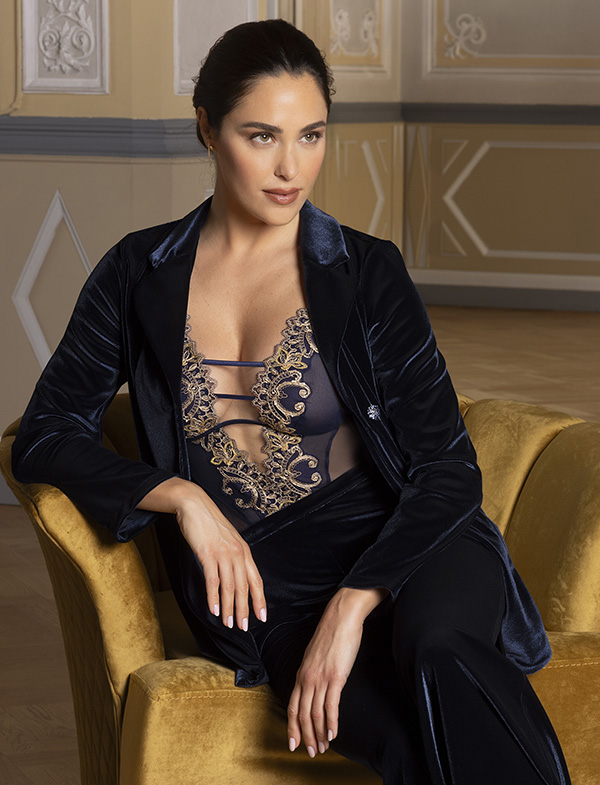
This second run is expected to include the full range of the collection, including:
- The Embroidered Bustier: The flagship piece of the collection.
- The Demi-Cup and Full-Cup Bras: Featuring the signature navy and gold motif.
- The Variation Désir Blouse: The essential layering piece for the outerwear look.
- Coordinating Bottoms: Including Italian briefs and high-waisted knickers.
Implications for the Luxury Fashion Industry
The case of the Grand Soir Saphir collection serves as a blueprint for other luxury brands. It demonstrates that when technical excellence is combined with a design that meets a lifestyle need (in this case, the need for versatile evening wear), commercial success follows, even at a high price point. It also reinforces the importance of "brand storytelling." By framing the collection as a "work of art" that should not remain hidden, Lise Charmel has successfully expanded its market share from the lingerie drawer to the main wardrobe.
Furthermore, the success of this collection highlights the resilience of European manufacturing. In an era of globalized supply chains, the demand for "Made in France" remains a powerful driver of luxury sales. The meticulous craftsmanship that prevents these intricate designs from being easily replicated by lower-market competitors ensures that Lise Charmel maintains its "moat" in the competitive fashion landscape.
As the industry moves forward, the "Grand Soir" effect will likely influence future design directions. Designers are taking note that today’s woman does not want to choose between the comfort of intimate apparel and the glamour of high fashion—she expects her wardrobe to provide both. Lise Charmel has proved that when those boundaries are blurred with enough skill and artistry, the market response is not just positive; it is unprecedented. After all, if a garment is truly a work of art, there is no longer a reason for it to remain hidden.
