
 By admin
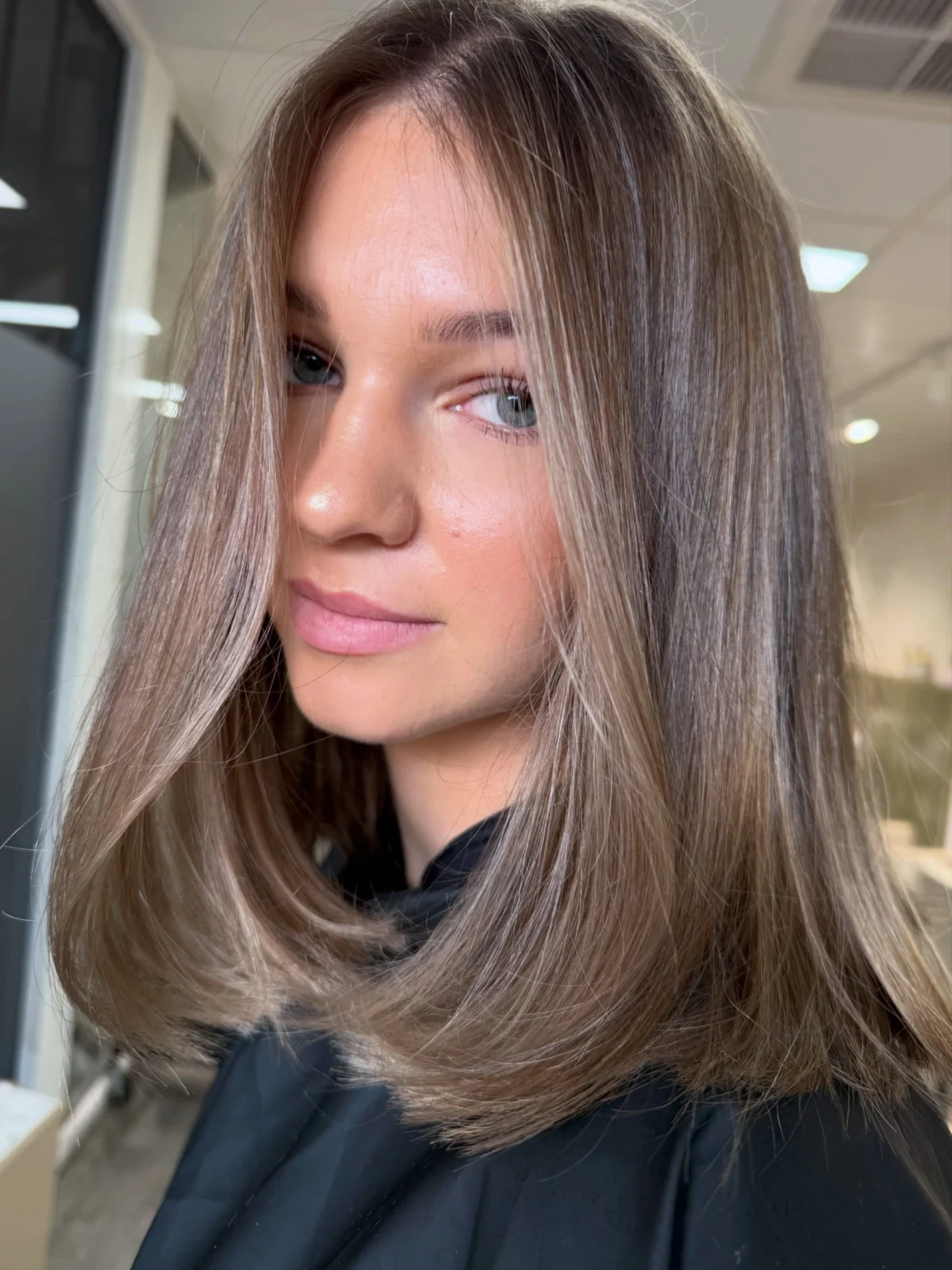
The fashion world, a constant cycle of reinvention and homage, is currently witnessing a resurgence of 1990s-inspired styles, and hair trends are no exception. Amidst the enduring popularity of the classic bob, a nuanced variation is emerging as a favorite for its adaptability and understated elegance: the slip bob. This mid-length cut, characterized by its fluid silhouette and strategic layering, offers a sophisticated alternative for those seeking the bob’s undeniable charm without the commitment to a shorter, more dramatic chop. Unlike its chin-grazing counterparts, the slip bob elegantly grazes the shoulders, providing a sense of ease and movement that translates into an effortlessly chic aesthetic.
The Genesis of the Slip Bob: A Modern Interpretation of a Classic
The slip bob’s name is a direct nod to the luxurious feel and smooth drape of a silk slip dress. This analogy perfectly captures the essence of the hairstyle: a polished yet relaxed finish that moves with a natural fluidity. While traditional bobs can sometimes appear rigid or overly structured, the slip bob introduces a softer, more dynamic quality. This is achieved through subtle internal layering that removes excess weight without compromising the overall clean outline of the cut.
This approach distinguishes the slip bob from other popular bob variations. A blunt bob, for instance, emphasizes a sharp, defined edge, creating a strong statement. A layered lob, on the other hand, incorporates more visible layers throughout its length, resulting in greater separation and texture. The slip bob, conversely, maintains a relatively simple exterior shape, with its clever layering concealed within. This technique is crucial for managing weight and introducing movement, preventing the hair from appearing heavy or flat, particularly as it approaches collarbone length.
The evolution of this hairstyle can be traced back to the broader embrace of 90s fashion and beauty trends. The decade was marked by a move towards more natural textures and less overtly "styled" looks, a sentiment that the slip bob perfectly embodies. As individuals increasingly seek hairstyles that are both fashionable and low-maintenance, the slip bob has risen to prominence as a practical yet stylish option.

Unpacking the Mechanics: What Sets the Slip Bob Apart?
The defining characteristic of the slip bob lies in its internal layering. Stylists employ techniques to subtly remove weight from the interior of the hair. This is not about creating choppy layers that are visible from the outside, but rather about shaping the hair from within to allow it to fall more smoothly and with greater movement. This method is particularly effective at preventing shoulder-length hair from looking bulky or shapeless.
Consider the visual impact. A blunt bob creates a strong horizontal line, which can be striking but also demanding in terms of upkeep and styling to maintain its sharp edges. A lob with more prominent layers offers texture and volume, but can sometimes appear less refined if not styled meticulously. The slip bob, however, strikes a balance. It offers the undeniable chicness of a bob’s silhouette but with a softened edge and an inherent fluidity that makes it appear almost effortless. The internal layers act as a secret weapon, ensuring that the hair skims the shoulders gracefully, avoiding the dreaded "triangle" shape that can plague thicker hair types at this length.
This meticulous internal shaping also contributes to the cut’s inherent versatility. It allows the hair to be styled in various ways, from sleek and straight to softly waved, without losing its foundational structure. The inherent movement within the cut means that even when air-dried, the slip bob retains a pleasing shape, reducing the reliance on heat styling.
Tailoring the Slip Bob: A Fit for Every Hair Type
One of the most compelling aspects of the slip bob is its remarkable adaptability across a spectrum of hair types. This broad appeal contributes significantly to its burgeoning popularity.
-
Fine Hair: For individuals with fine hair, the slip bob presents a compelling solution to perceived limitations. The internal layering technique is instrumental in adding movement and preventing the ends from appearing wispy or "shredded." By strategically removing weight internally, stylists can create the illusion of fuller, more substantial hair. Furthermore, maintaining a relatively full perimeter at the ends of the cut helps to bolster the appearance of density, making fine strands look more robust. Data from hair care industry reports often highlight that cuts designed to create volume and fullness are consistently sought after by consumers with finer hair textures.

-
Thick Hair: Thick hair can often present a challenge when cut to shoulder length, sometimes resulting in an undesirable bulkiness, particularly at the back. The slip bob’s internal layering is a game-changer for this hair type. By carefully thinning out the interior strands, stylists can effectively reduce excess weight without sacrificing the overall shape. This prevents the hair from fanning out in an unmanageable triangle, allowing it to lie more smoothly and comfortably against the neck and shoulders. Anecdotal evidence from salon professionals consistently points to internal de-bulking techniques as essential for managing thick hair at this length.
-
Straight Hair: Straight hair is perhaps the most natural canvas for the classic slip bob aesthetic. The inherent smoothness of straight strands allows the cut’s polished silhouette to shine through with minimal effort. A quick blow-dry using a round brush is often sufficient to achieve that iconic, glossy 90s finish. The clean lines of straight hair complement the understated elegance of the slip bob perfectly, making it a go-to choice for those who appreciate a sleek and sophisticated look.
-
Wavy Hair: For those with natural waves, the slip bob takes on a more relaxed and bohemian character. The inherent texture of wavy hair lends itself beautifully to the cut’s fluid nature. Stylists working with wavy textures may adjust the length and internal layering to accommodate the natural bend of the hair, ensuring that the waves have ample room to form and express themselves. This can result in a softer, more lived-in appearance that requires less styling intervention. Studies on hair texture and styling often show that cuts designed to work with natural texture are perceived as more modern and effortless.
-
Curly Hair: Curly hair presents a unique set of considerations for any haircut, and the slip bob is no exception. The visual length of curly hair can be significantly shorter than its actual length due to shrinkage. Therefore, when cutting a slip bob on curly hair, careful planning is paramount. A stylist experienced in cutting curly hair will account for this shrinkage and strategically place the internal layers to complement the curl pattern, ensuring the cut falls beautifully and maintains its intended shape. This often involves a more detailed consultation to understand the client’s specific curl type and desired outcome.
Beyond Texture: Suitability for Face Shapes and Personal Style
The contemporary approach to haircutting prioritizes personalization over rigid adherence to face-shape charts. The slip bob embodies this philosophy, allowing for significant customization to flatter individual features.

"The beauty of the slip bob is its inherent flexibility," states renowned stylist Sarah Jenkins, whose clientele often seeks adaptable, chic hairstyles. "It’s less about a prescribed shape for a specific face and more about how we can tailor the length and framing pieces to enhance what my clients love about their features. Whether someone wants to soften their jawline or accentuate their cheekbones, we can adjust the front pieces and the overall length to achieve that."
The shoulder-grazing length of the slip bob inherently creates a lengthening visual line, which can be universally flattering. Furthermore, the front sections of the cut can be precisely shaped. They can be cut to gently frame the face, adding softness around the cheekbones, or angled to provide more structure and definition along the jawline. This adaptability means that individuals with round, oval, square, or heart-shaped faces can all find a version of the slip bob that complements their unique bone structure. Communication with one’s stylist is key; discussing specific desires for how the hair should frame the face is crucial before the first snip.
Styling the Slip Bob: The Art of Effortless Maintenance
The slip bob’s appeal is significantly amplified by its relatively low styling demands. While it can be effortlessly polished to a sleek finish, it doesn’t necessitate a daily battle with styling tools.
For a sophisticated, smooth look, a quick blow-dry with a round brush can achieve the signature slip bob polish. This technique smooths the cuticle and adds a subtle bounce, highlighting the haircut’s inherent elegance. However, the cut is equally forgiving when air-dried. Allowing natural texture to emerge can result in a more relaxed, yet still chic, appearance.
For those who enjoy a touch more texture, a curling iron can be used to create loose, flowing waves, enhancing the cut’s dynamic movement. This adds a touch of bohemian flair without requiring extensive styling time. The true magic of the slip bob lies in its ability to look good even when left largely to its own devices.

A practical consideration for shoulder-length styles, including the slip bob, is that the ends can sometimes rub against clothing, leading to minor split ends or a slightly roughed-up appearance. To maintain the cut’s pristine look and health, regular trims every six to eight weeks are generally recommended. This ensures the ends remain sharp and the overall shape is preserved.
Broader Implications and Market Trends
The rise of the slip bob reflects a broader shift in consumer preferences towards adaptable, low-maintenance, yet highly stylish hairstyles. As individuals navigate busy lives, the demand for cuts that offer versatility and require minimal daily effort is increasing. Industry analyses from beauty trend forecasting agencies have consistently indicated a growing market for styles that blend classic aesthetics with modern wearability. The slip bob fits perfectly into this niche, offering the visual impact of a bob with the practical advantages of a longer length.
The haircut’s popularity also taps into a nostalgic yearning for 90s fashion, a decade that continues to influence contemporary style. The slip bob’s clean lines and understated elegance resonate with the era’s minimalist yet impactful fashion sensibilities. This trend is not merely aesthetic; it speaks to a desire for simplicity and a return to core beauty principles that value natural texture and effortless polish.
Furthermore, the slip bob’s appeal extends beyond individual style choices. Its adaptability across different hair types and face shapes makes it a commercially viable option for salons, as it caters to a wide demographic. Stylists can confidently recommend this cut, knowing it offers a high probability of client satisfaction due to its inherent versatility.
For those considering a significant hair transformation, the slip bob emerges as a compelling option. It offers the coveted "bob energy" without the extreme commitment of a very short cut. As consumers continue to explore the evolving landscape of hair trends, styles like the Scandi bob and the Riviera bob offer further variations on the bob theme, each with its own distinct personality. However, the slip bob’s unique blend of classic structure, modern fluidity, and effortless manageability positions it as a standout choice, poised to remain a relevant and beloved hairstyle for the foreseeable future.
