
 By admin
Gandhidham, the largest and most populous city in the Kutch district of Gujarat, has long been characterized by its industrial prowess and its status as a critical logistics hub for Western India. However, beneath its exterior of bustling commerce and maritime activity lies a destination rich in historical significance, architectural brilliance, and cultural depth. Originally conceived in the post-independence era to resettle refugees following the Partition of 1947, Gandhidham has evolved from a planned settlement into a multifaceted urban center that serves as the primary gateway to the diverse landscapes of Kutch.
While many travelers view the city merely as a transit point for the Rann of Kutch or the white salt deserts, a closer examination reveals a region where modern engineering meets ancient tradition. From the monumental operations of the Deendayal Port to the intricate mirror work of the Aina Mahal and the serene shores of Mandvi, the Gandhidham circuit offers a comprehensive look at the evolution of Gujarat’s coastal and royal identity.
The Historical Genesis: A City Built on Resilience
To understand Gandhidham’s current significance, one must look at its origins. The city’s foundation is deeply intertwined with the Partition of India. In 1947, the loss of Karachi Port to Pakistan left a significant void in India’s maritime infrastructure and displaced thousands of families from the Sindh region. Under the leadership of Bhai Pratap Dialdas and with the blessings of Mahatma Gandhi, the Maharaja of Kutch, Maharao Vijayrajji, donated 15,000 acres of land for the creation of a new township.
This planned city was named in honor of Mahatma Gandhi, and its development was overseen by the Sindhu Resettlement Corporation. The timeline of Gandhidham is a testament to rapid industrialization; by the early 1950s, the foundation for what would become one of India’s most vital ports was laid. Today, the city stands as a symbol of successful urban planning and economic recovery, bridging the gap between its refugee history and its future as a global trade nexus.
1. Deendayal Port Authority: The Economic Engine of the West
Formerly known as Kandla Port, the Deendayal Port remains the most significant landmark in the Gandhidham vicinity. Established in the 1950s as the chief outlet for the landlocked northern and western parts of India, it has consistently ranked among the highest-performing ports in the country.
For the technologically and economically inclined visitor, the port offers a glimpse into the sheer scale of global trade. In the 2023-2024 fiscal year, the port handled over 130 million metric tonnes of cargo, maintaining its position as a "Major Port" under the Ministry of Ports, Shipping, and Waterways. The sight of massive oil tankers, bulk carriers, and container ships navigating the Gulf of Kutch provides a visceral understanding of India’s maritime strength. The surrounding ecosystem, characterized by vast salt pans and coastal marshes, highlights the delicate balance between heavy industry and the natural environment.
2. Gandhi Samadhi: A Monument to Peace and Legacy
Located at Adipur, just a short distance from the heart of Gandhidham, the Gandhi Samadhi (also known as the Gandhi Memorial) holds a unique place in the hearts of the local population. This site is particularly significant because it contains a portion of Mahatma Gandhi’s ashes, making it one of the few places in India where followers can pay their respects in such a direct manner.
The memorial serves as a quiet sanctuary away from the city’s industrial noise. Its architecture is minimalist, reflecting the simplicity of the man it honors. For historians, the site is a reminder of the personal interest Gandhi took in the resettlement of the Sindhi community. The memorial’s presence in Kutch underscores the state’s deep-rooted connection to the independence movement and the enduring influence of Gandhian philosophy on the region’s social fabric.
3. Aina Mahal: The 18th-Century Mirror Palace of Bhuj
A journey approximately 75 kilometers from Gandhidham leads to Bhuj, the former capital of the Kutch State, where the Aina Mahal stands as a masterpiece of Indo-European architecture. Built in the 18th century during the reign of Maharao Lakhpatji, the palace is the brainchild of Ramsinh Malam, an architect who spent 17 years in Holland learning European crafts, including clockmaking, glass blowing, and tile work.
The Aina Mahal, or "Hall of Mirrors," features walls covered in mirrors and gilded ornaments. The blend of local Kutchi craftsmanship with European Rococo influences was revolutionary for its time. Despite sustaining significant damage during the devastating earthquake of 2001, meticulous restoration efforts have preserved the palace’s grandeur. Visitors can explore the royal courtroom, the queen’s quarters, and a museum housing an extensive collection of Kutchi jewelry, weaponry, and historical manuscripts.
4. Purneshwar Temple: Architectural Continuity from the 9th Century
For those interested in the religious and archaeological history of Gujarat, the Purneshwar Temple offers a window into the late 9th and early 10th centuries. Located on the outskirts of the region, this ancient Shiva temple is an exemplary model of the Maha-Maru architectural style.
The temple is raised on a high platform and features intricate stone carvings that have survived the ravages of time and seismic activity. The preservation of such a structure in a region prone to earthquakes is a feat of ancient engineering. The site remains an active place of worship, providing a spiritual atmosphere that contrasts sharply with the modern urban sprawl of Gandhidham. It serves as a reminder that the Kutch district was a flourishing center of art and religion long before it became an industrial powerhouse.
5. Mandvi Beach and the Legacy of Shipbuilding
Approximately two hours from Gandhidham lies Mandvi, a historic port town that was once a major stop on the maritime trade routes between South Asia, East Africa, and the Middle East. Mandvi Beach is renowned not only for its clean sands and the Arabian Sea views but also for its unique 400-year-old shipbuilding industry.
The shoreline is dotted with the skeletons of massive wooden "Dhows" (traditional sailing vessels) being handcrafted by local artisans without the use of modern blueprints. This artisanal industry provides a direct link to the region’s maritime heritage. Additionally, the nearby Vijay Vilas Palace, a red sandstone marvel used in several Bollywood films, showcases the architectural transition into the early 20th century, featuring umbrella-shaped domes and expansive balconies that overlook the sea.
6. Banking Circle: The Commercial Heartbeat
Within the city limits of Gandhidham, the Banking Circle serves as the focal point of local life and commerce. Unlike the historic monuments, the Banking Circle is a living museum of the city’s post-independence growth. It is the central hub for the city’s financial institutions, retail markets, and administrative offices.
For a traveler, this area provides an authentic look at the "Modern Kutchi" lifestyle. The markets surrounding the circle are famous for electronics, high-quality textiles, and the region’s celebrated embroidery work. The area is a testament to the economic resilience of the Sindhi and Kutchi communities, who transformed a barren patch of land into one of the most prosperous commercial zones in Gujarat within a few decades.
7. Gandhi Market: A Tapestry of Local Trade
Complementing the Banking Circle is the Gandhi Market, a sprawling bazaar that captures the essence of Gandhidham’s daily rhythm. The market is a sensory experience, offering everything from traditional Kutchi bandhani (tie-dye) fabrics to modern consumer goods.
The market’s importance extends beyond retail; it is a social gathering point. Observation of the trade here reveals the cultural synthesis of the region—where Sindhi traditions have merged with local Kutchi customs. For those looking to understand the regional economy at a grassroots level, the Gandhi Market provides insights into the supply chains that connect the rural artisans of Kutch to the urban consumers of Gandhidham.
Data and Analysis: The Strategic Importance of the Region
The growth of tourism in Gandhidham and its surroundings is not an isolated phenomenon but part of a broader state-led initiative. The "Khushbu Gujarat Ki" campaign, launched over a decade ago, significantly boosted footfall in the Kutch district. According to data from the Gujarat Tourism Department, the Kutch region has seen a steady 10-15% annual increase in tourist arrivals, with Gandhidham serving as the primary logistics base due to its railway connectivity and proximity to the Kandla airport.
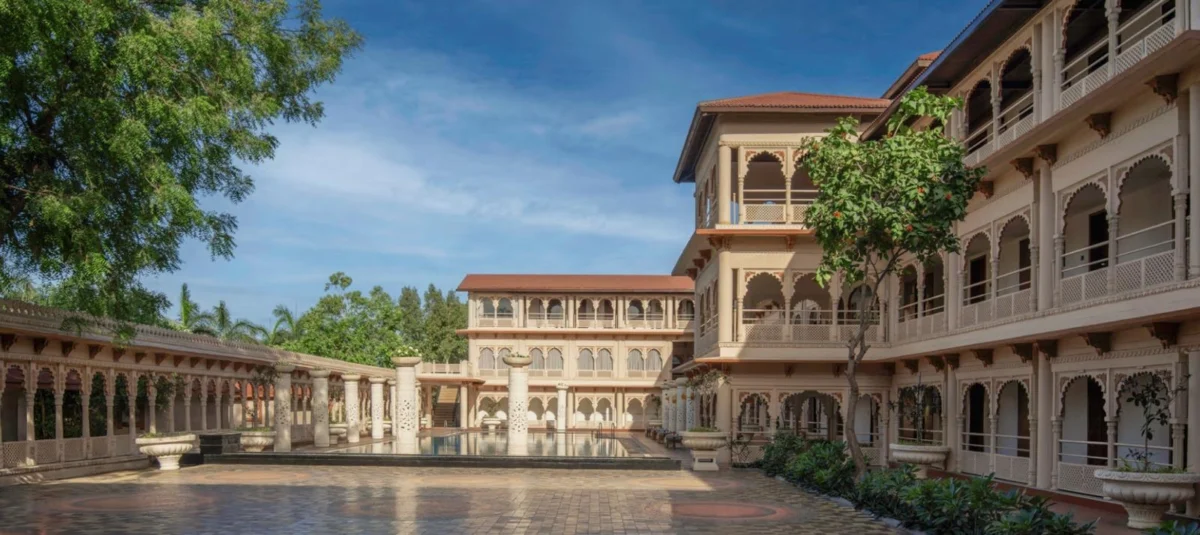
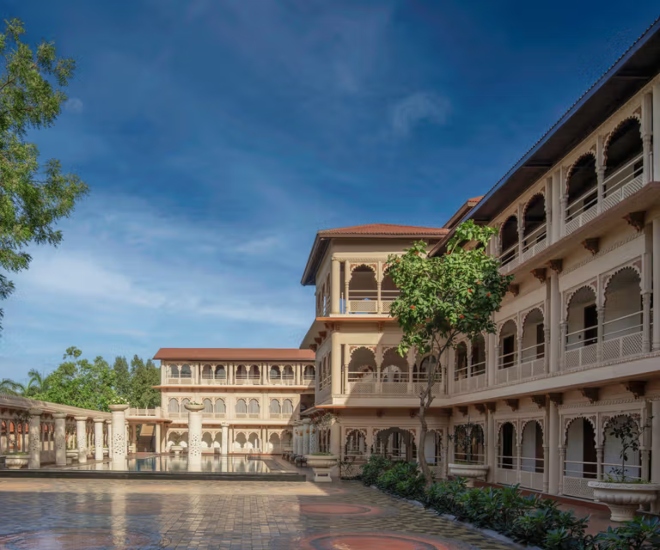
Furthermore, the industrial synergy between the Deendayal Port and the nearby Mundra Port (the largest private port in India) has created a "Maritime Corridor" that attracts business travelers from across the globe. This influx has necessitated a sophisticated hospitality infrastructure, leading to the establishment of premium hotels like Gateway Kandla.
Broader Impact and Implications
The evolution of Gandhidham from a refugee settlement to a multi-dimensional hub has several implications for regional development:
- Economic Diversification: While industry remains the backbone, the promotion of historical and coastal tourism provides a secondary revenue stream for the local population, particularly for artisans and the hospitality sector.
- Infrastructure Resilience: The recovery of sites like Aina Mahal after the 2001 earthquake demonstrates the region’s commitment to heritage conservation despite natural vulnerabilities.
- Cultural Integration: The city stands as a successful model of social integration, where displaced populations have built a new identity that respects and enhances the existing local culture.
Conclusion for the Modern Traveler
Gandhidham is a destination that demands a nuanced perspective. It is a city where the hum of port machinery coexists with the silence of ancient temples and the rhythmic crashing of Arabian Sea waves. For the visitor, it offers a rare opportunity to see India in various stages of its timeline: the ancient (Purneshwar), the royal (Aina Mahal), the colonial/transitional (Mandvi), and the modern industrial (Kandla).
As the Kutch region continues to gain international prominence, Gandhidham remains its most reliable anchor. Whether one is visiting for the strategic importance of its ports or the artistic legacy of its palaces, the city provides a comprehensive narrative of survival, growth, and cultural richness. For those planning an excursion, the winter months between October and March remain the ideal window, offering temperate weather that is conducive to exploring both the industrial landscapes and the coastal escapes of this unique Gujarati gateway.
