
 By admin

The intersection of functional garment engineering and consumer satisfaction was recently highlighted during a high-stakes social environment: the preparatory stages of a high-profile wedding. While the apparel industry often focuses on the aesthetic appeal of formal wear, the underlying "foundation" garments—specifically intimates—play a critical role in the physiological comfort and psychological confidence of participants. During the wedding of Maria, daughter of industry analyst Ellen Lewis, a spontaneous consensus emerged among attendees regarding the efficacy of Evelyn & Bobbie, an Oregon-based intimates brand known for its engineering-led approach to wireless support. This case study examines the performance of three specific bra models—the Defy, the Evelyn, and the Structured Scoop—within the context of the "wedding morning" environment, a period characterized by high activity, physical movement, and significant emotional stress.
Chronology of the Event: The Morning of the Ceremony
The timeline of a wedding morning is a complex logistical operation involving multiple stakeholders, including family members, hair and makeup professionals, and photographers. In this instance, the morning began in a centralized "preparation hub" where the bridal party and immediate family gathered. This environment serves as a rigorous testing ground for apparel; individuals are required to transition between sedentary tasks, such as hair styling, and high-activity tasks, such as coordinating vendor arrivals and managing the "anticipatory vibe" of the household.
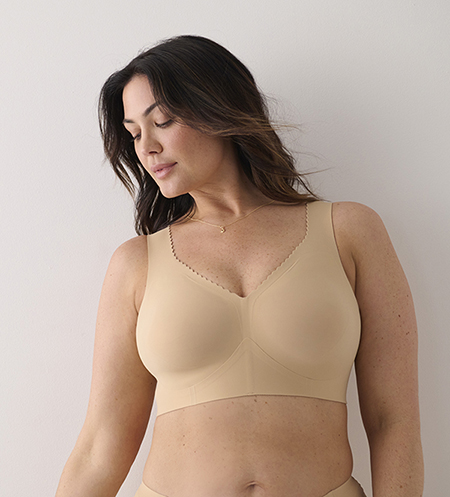
By mid-morning, as the "hair and makeup operation" reached its peak, a spontaneous discussion regarding undergarment performance occurred among the bride’s aunts, Beth and Carla, and Ellen Lewis. This interaction provided a unique data point: despite no prior coordination, all three women had independently selected Evelyn & Bobbie products for the event. This "accidental testimonial" underscores a significant shift in consumer behavior within the $16 billion U.S. lingerie market, where brand loyalty is increasingly driven by utility and physical relief rather than traditional marketing aesthetics.
Technical Analysis of Product Performance
The efficacy of the Evelyn & Bobbie line during the event can be attributed to specific design choices across three distinct models. Each model was selected by the participants to address specific physiological needs and outer-garment requirements.
The Defy Wireless Bra: Daily Utility and Compression
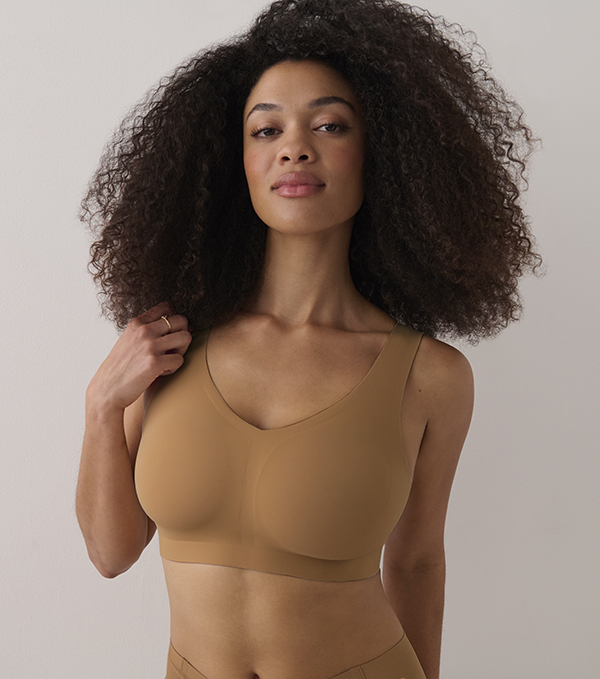
Selected by Beth, the Defy model represents the brand’s flagship approach to "everyday" wear. From a technical standpoint, the Defy utilizes a high-gauge, microfiber blend that provides 360-degree smoothing. The design eliminates the traditional underwire—a frequent source of discomfort during long-duration events—replacing it with the brand’s proprietary "EB Core" technology. This internal sling system provides lift via compression and fabric tension rather than rigid metal structures. For a user engaged in the multi-hour preparation of a wedding, the Defy’s wide straps and seamless construction minimize "dig-in" and skin irritation, allowing the garment to remain, as noted by users, "almost forgettable."

The Evelyn Wireless Bra: Structural Support and Post-Surgical Versatility
The Evelyn model, worn by Carla, introduces a higher degree of "architecture" into the wireless category. It features a deeper V-neckline and more defined cup separation. Beyond its use in formal event preparation, the Evelyn has been identified by medical professionals as a viable post-surgical option. Its front-and-back smoothing capabilities are essential for maintaining a polished silhouette under the lightweight, often unforgiving fabrics of "mother-of-the-bride" or "aunt-of-the-bride" attire. The model balances the need for structural "uplift" with the necessity of lymphatic-friendly, non-constrictive support.
The Structured Scoop: Wardrobe Adaptability
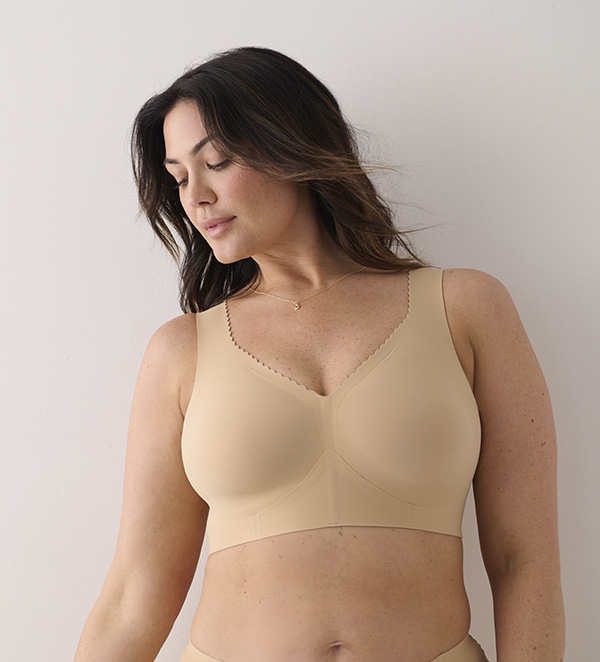
The third model observed, the Structured Scoop, was utilized by Ellen Lewis as a "wardrobe MVP." This model is distinguished by its adjustable straps—a rarity in the seamless, pull-over category—and its specific scoop-neck geometry. This allows the wearer to customize the lift and positioning to match the specific neckline of their formal attire. In the context of a wedding, where an individual may change from a "getting ready" robe into a formal gown, the Structured Scoop offers the necessary versatility to maintain a consistent silhouette across different outfits.
Market Context and the Wireless Revolution
The preference for Evelyn & Bobbie products during this event mirrors broader trends in the global intimates industry. Since 2020, the wireless bra segment has seen a Compound Annual Growth Rate (CAGR) of approximately 8.5%, significantly outpacing the traditional underwire segment. This shift is driven by a demographic that prioritizes "wellness-centric" apparel.
Evelyn & Bobbie, founded by Bree McKeen, was born out of a desire to apply 3D modeling and ergonomic engineering to a category that had remained largely stagnant since the mid-20th century. By utilizing data-driven design to map the way a woman’s body moves, the brand has captured a significant share of the "functional luxury" market. The incident at the wedding serves as a micro-demonstration of this market capture; the fact that three women in the same family reached for these products "without thinking" indicates a high level of brand trust and a successful solution to the "pain points" of traditional lingerie.
Supporting Data: The Impact of Foundation Garments on Consumer Confidence
While often overlooked in fashion reporting, the "foundation" layer of clothing has a documented impact on the wearer’s posture and social presence. In a survey of 1,000 women conducted by retail analytics firms, 74% reported that ill-fitting bras contributed to a lack of focus and increased irritability during social events. Conversely, "seamless" and "wireless" technology, like that found in the Defy and Evelyn models, correlates with higher levels of reported "all-day comfort."
During the wedding preparation, the "hovering groom" and the general "anticipatory vibe" created an environment of high emotional arousal. In such scenarios, the elimination of physical distractions—such as slipping straps or pinching wires—allows the participants to remain present in the moment. The "grit" shown by the bras in this context refers to their ability to maintain support and shape over a 12-to-16-hour period without requiring adjustment.
Implications for the Lingerie Industry
The spontaneous "product placement" observed during Maria’s wedding highlights a critical evolution in how brands are built in the modern era. Traditional marketing relied on "the male gaze" and aspirational imagery. However, the success of Evelyn & Bobbie, as evidenced by this family’s experience, is rooted in "real-life" performance and peer-to-peer recommendation.
- Engineering Over Aesthetics: The success of the "Structured Scoop" and "Defy" models suggests that consumers are willing to trade traditional lace and ornamentation for technical performance and "smoothing" capabilities.
- Inclusivity in Design: By offering products that cater to a wide range of body types and life stages (including post-surgical needs), brands can foster a multi-generational loyalty that traditional brands often miss.
- The "Reliability Factor": In the high-pressure environment of a wedding, reliability becomes the primary luxury. The ability of a garment to "go about its business without demanding your attention" is the ultimate endorsement of its design.
Conclusion: The Final Verdict on Functional Support
As the morning preparation transitioned into the wedding ceremony, the foundation garments provided by Evelyn & Bobbie continued to perform their primary function: invisible, reliable support. The fact that none of the participants wore the bras for the purpose of a review, but rather because they "actually like them," provides a powerful metric for brand health.
In the broader scope of the apparel industry, this incident reinforces the necessity of "grit" in garment construction. Whether it is the "everyday" utility of the Defy, the "uplifting" structure of the Evelyn, or the "wardrobe versatility" of the Structured Scoop, the engineering behind these products addresses a fundamental consumer need for comfort that does not compromise on form. As the wedding industry continues to recover and expand post-pandemic, the demand for such "performance-driven" intimates is expected to remain a dominant force in the market, shaping the way women dress for the most significant milestones of their lives.
