
 By admin
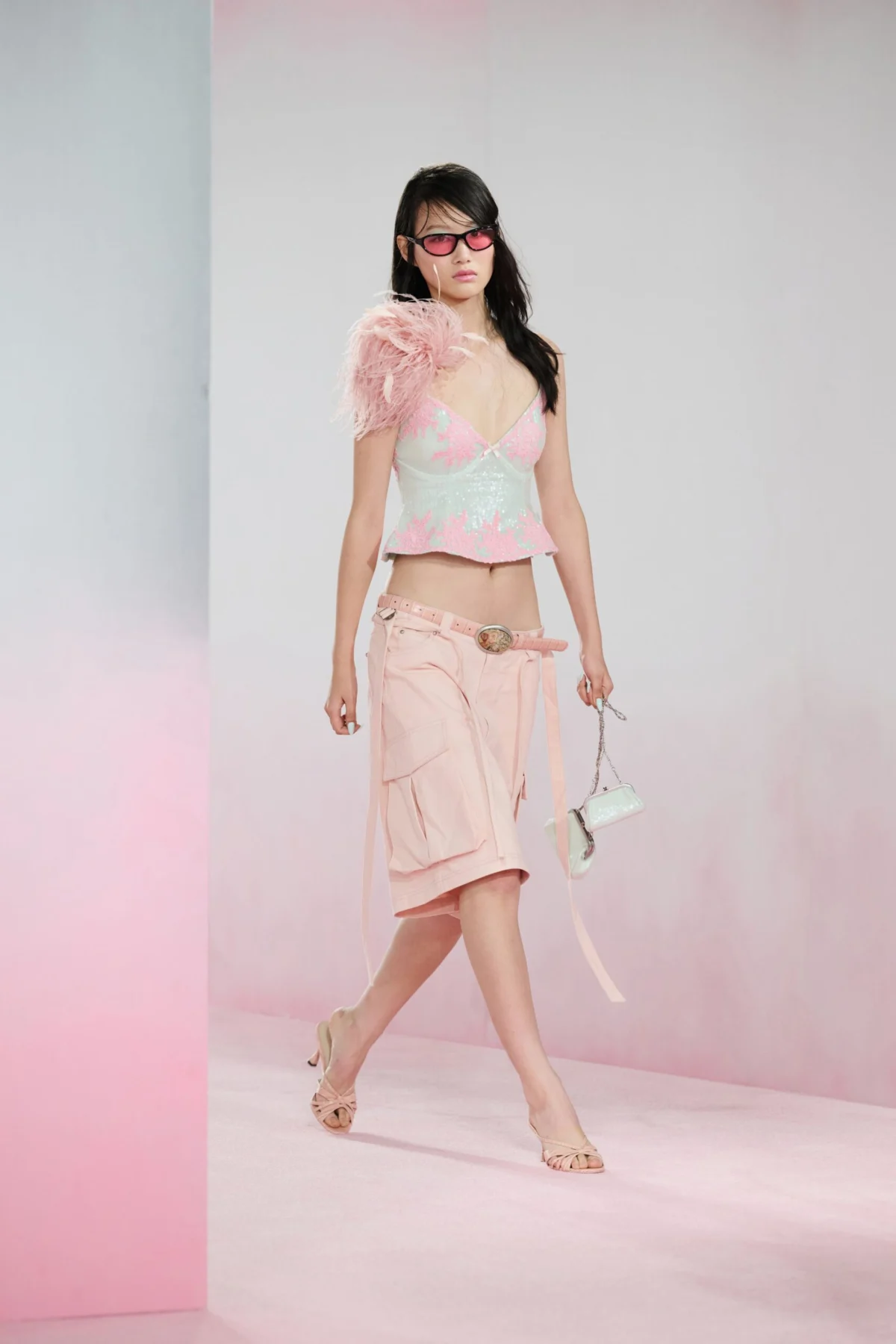
Shanghai Fashion Week witnessed a profound stylistic departure from designer Mark Gong for his latest Spring collection, presenting a narrative woven around the intoxicating yet often misguided journey of infatuation, a theme Gong himself described as "when your brain writes a love story, casts the wrong person, and refuses to cancel the show." This collection dramatically pivoted from his established aesthetic of "leather-and-lace toughness," which had defined his brand for nearly two decades, towards a softer, more whimsical, and distinctly Y2K-inflected "Lolita glamour." The show, held against the vibrant backdrop of Shanghai’s burgeoning fashion scene, not only unveiled a new creative direction but also garnered significant attention due to its conspicuous celebrity attendance and an unusual deviation from Shanghai Fashion Week’s notoriously punctual schedule, signaling a moment of both artistic introspection and strategic recalibration for the brand.
A New Chapter: The Romantic Evolution of Mark Gong
For a designer celebrated for almost 20 seasons of bold, often edgy designs characterized by a robust blend of leather and lace, Mark Gong’s Spring collection represented an audacious reinterpretation of his brand identity. The signature hard-edged silhouettes, previously a staple for his high-profile clientele including numerous K-Pop stars, were conspicuously absent. In their place emerged a symphony of crushed satin, shimmering sequins, and frothy layers, meticulously crafted to evoke a deliberately girlish sensuality. This shift was not merely aesthetic; it was deeply intertwined with the collection’s central narrative: the tumultuous emotional landscape of a burgeoning crush.
Gong’s inspiration, drawn directly from his "own romantic misadventures," translated into 67 distinct looks that chronicled the stages of this intense, often one-sided, infatuation. The collection began with the subtle hints of anticipation, evolving through obsessive phone-checking, and culminating in an elaborate dressing for a person who might remain blissfully unaware of the devotion. Key design elements included low-slung skirts, baring midriffs, an unexpected pairing of delicate lace with utilitarian cargo pants, ethereal see-through peignoirs, provocative lingerie tops, and form-fitting ruffled denim skirts. Sequins, feathers, and dramatic flowing trains added an element of theatricality, reaching a crescendo in hip-swaying mermaid dresses featuring undulating hems, symbolizing the ebb and flow of intense emotion. This abandonment of leather, a material that had become synonymous with the Mark Gong brand, marks a significant turning point, inviting industry analysts to speculate on the long-term implications for the brand’s positioning and target demographic.
Shanghai Fashion Week: A Growing Global Powerhouse
Shanghai Fashion Week (SHFW) has rapidly ascended to prominence on the global fashion calendar, establishing itself as a vital platform for both established and emerging designers from China and across Asia. Unlike its more entrenched counterparts in Paris, Milan, London, and New York, SHFW has carved out a niche by championing innovation, digital integration, and a commendable adherence to schedule, often running with a precision that belies the chaotic nature of fashion weeks elsewhere. The event serves not only as a showcase for creative talent but also as a crucial commercial hub, facilitating collaborations and expanding market access within China’s vast and rapidly growing luxury consumer base.
The Mark Gong show’s late start, therefore, was more than a minor logistical blip; it was a notable deviation from SHFW’s established norm, prompting quiet murmurs among attendees and observers. While delays are common in major fashion capitals, Shanghai’s reputation for punctuality made this particular instance stand out. This rare lapse, however, was quickly contextualized by the extraordinary influx of star power it attracted. The presence of high-profile celebrities such as OuYang NaNa, Somi, and He Chao Lian undoubtedly contributed to the extended pre-show buzz and red-carpet spectacle, underscoring the increasing strategic value of celebrity engagement in the fashion industry. The implicit trade-off—punctuality for star wattage—highlights the evolving dynamics of fashion presentation in an era dominated by social media visibility and influencer marketing.
The Strategic Power of Celebrity Endorsement
The celebrity turnout at Mark Gong’s show was, by all accounts, one of Shanghai Fashion Week’s most conspicuous. OuYang NaNa, a highly influential Chinese actress and cellist, commands a massive following across various social media platforms, making her a powerful ambassador for any brand. Somi, a Korean-Canadian singer and former member of the popular girl group I.O.I., boasts significant international appeal, particularly among younger demographics in Asia and globally. He Chao Lian, a prominent socialite and daughter of Macau casino magnate Stanley Ho, brings an aura of established luxury and high society influence.
The strategic importance of their attendance cannot be overstated. In today’s highly competitive fashion landscape, celebrity endorsements translate directly into heightened brand visibility, increased media impressions, and a strong resonance with target consumer groups. Their presence not only generated immediate social media buzz but also positioned Mark Gong’s collection firmly within the cultural zeitgeist, particularly among Gen Z and millennial consumers who are heavily influenced by celebrity trends and digital content. For a brand undergoing a significant aesthetic transformation, leveraging such influential figures is a potent strategy to introduce the new direction to a broader audience and solidify its contemporary relevance. This aligns with broader industry trends where global luxury brands are increasingly investing in Asian celebrities and influencers to tap into the region’s immense purchasing power, estimated to account for over half of global luxury sales by 2025.
Diving Deeper into the Y2K and Lolita Aesthetics
The collection’s embrace of "Y2K-inflected Lolita glamour" taps into two distinct yet currently popular fashion currents. The Y2K aesthetic, characterized by its nostalgic nod to the late 1990s and early 2000s, has seen a significant resurgence across global fashion runways and street style. This trend is defined by elements such as low-rise bottoms, crop tops, bodycon silhouettes, iridescent fabrics, playful prints, and an overall sense of youthful optimism and bold self-expression. Mark Gong’s incorporation of low-slung skirts, bare midriffs, and ruffled denim skirts directly channels this retro-futuristic vibe, appealing to a generation that views this era through a lens of romanticized nostalgia.
The "Lolita glamour" component, while potentially controversial due to its historical associations, is interpreted within the fashion context as an aesthetic of delicate, hyper-feminine, and often doll-like styling. In Gong’s collection, this translates to the use of lace, see-through peignoirs, lingerie tops, and frothy layers, all designed to evoke a sense of innocent sensuality rather than overt provocation. The balance between the sassy, slightly rebellious Y2K elements and the ethereal, delicate Lolita touches creates a unique tension, mirroring the emotional complexity of the collection’s central theme of a "spectacular lapse in judgment" driven by infatuation. This blending of aesthetics allows the "Gong Girl" to be simultaneously vulnerable and empowered, playful and sophisticated, reflecting the multifaceted nature of modern femininity.
The Commercial and Cultural Implications of the Shift
Mark Gong’s bold pivot away from his signature leather-and-lace aesthetic carries significant commercial and cultural implications. Commercially, this shift could allow the brand to tap into new market segments, particularly younger consumers who resonate with the Y2K nostalgia and the current trend towards more fluid, less overtly "tough" expressions of style. The use of more delicate fabrics like crushed satin and sequins, while still luxurious, might also offer a fresh appeal compared to the more niche market for heavy leather goods. Furthermore, aligning with contemporary trends through celebrity endorsements positions the brand for increased visibility in the lucrative Asian market, where fashion-forward consumers are highly receptive to newness and celebrity-driven trends.
Culturally, the collection’s narrative, rooted in personal romantic misadventures, offers a relatable and authentic dimension that resonates with a broad audience. The idea of "dressing to the nines for a man who, in all likelihood, wasn’t worth the wait" speaks to a universal human experience, making the clothes not just garments but extensions of an emotional journey. This narrative-driven approach to fashion design is increasingly favored by consumers seeking deeper connections with brands. The "Gong Girl," previously defined by her swaggering confidence, now reveals a more vulnerable, yet equally compelling, facet of her personality. This evolution suggests a brand growing in emotional depth, moving beyond mere aesthetic statements to explore the complexities of identity and human experience through fashion.
The Broader Impact on the Fashion Industry
Mark Gong’s Spring collection at Shanghai Fashion Week serves as a microcosm of broader trends shaping the global fashion industry. Firstly, it underscores the increasing importance of authenticity and personal narrative in design. Designers are increasingly drawing from their own experiences to create collections that resonate on an emotional level with consumers. Secondly, it highlights the dynamic nature of brand evolution. In a rapidly changing market, brands must be willing to reinvent themselves, even if it means departing from long-established signatures, to remain relevant and competitive. Gong’s decision to abandon leather after nearly two decades is a testament to this imperative.
Thirdly, the event reaffirms Shanghai Fashion Week’s growing influence as a key global fashion hub. Its ability to attract major international celebrities and showcase designers making significant creative statements solidifies its position alongside traditional fashion capitals. This growing influence also reflects the shifting geographical center of gravity in the luxury market, with Asia continuing to drive a substantial portion of global growth. Finally, the collection’s exploration of Y2K and Lolita aesthetics, combined with its narrative of infatuation, speaks to a broader cultural conversation about youth, identity, and the fluid nature of modern romance in a hyper-connected world. The ultimate question posed by the collection – whether the object of affection deserved the effort – is a poignant one that transcends fashion, resonating with the universal quest for self-worth and meaningful connection, even as the "Gong Girl" adorns herself in sequins, checks her messages, and sustains an imaginary love story. The final two sinuous dresses, echoing last season’s finale, hint at a potential return to self-recognition for the "Gong Girl," suggesting that after all the emotional contortions, she might eventually find her true self, perhaps even stronger and more self-aware, armed with a dazzling new wardrobe.
