
 By admin
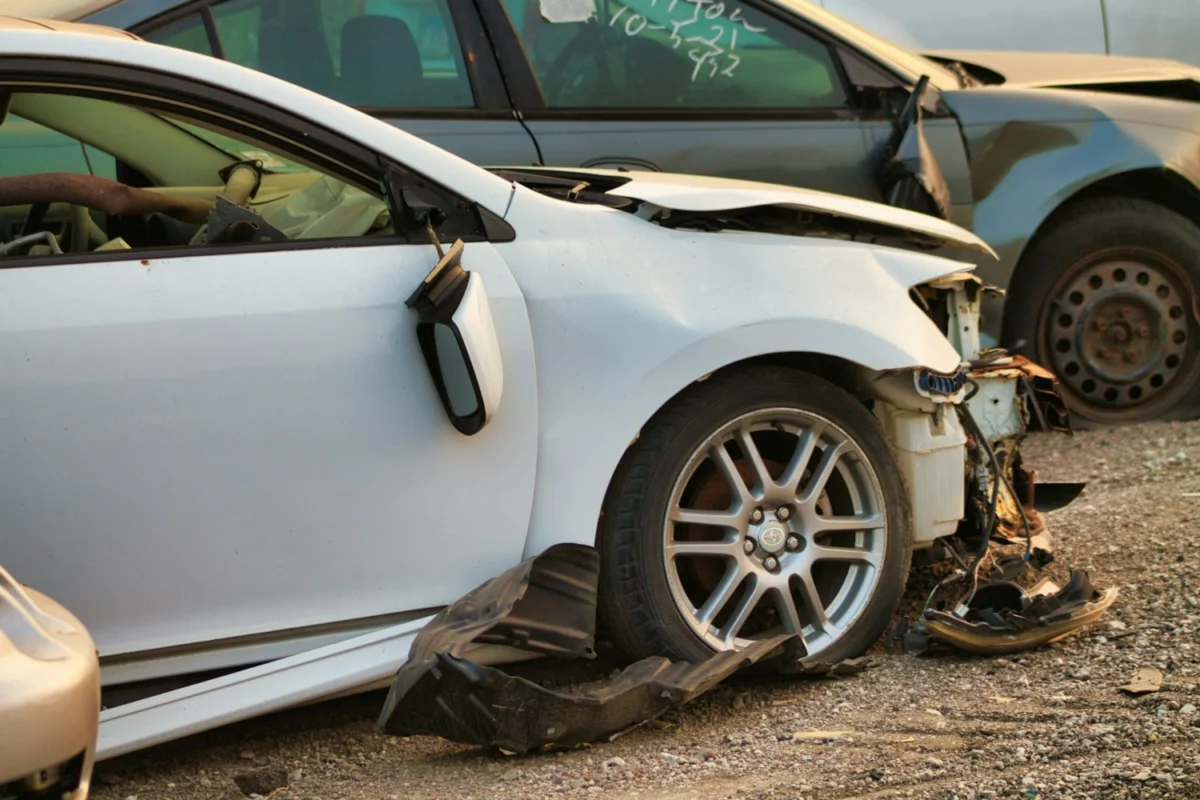
The landscape of road safety in Missouri remains a critical concern for residents and policymakers alike, as recent data highlights the persistent frequency of motor vehicle collisions and the subsequent legal complexities that follow. In 2025, Missouri recorded 908 traffic-related fatalities, representing a slight decrease from the 958 deaths reported in 2024. Despite this downward trend in mortality, the overall volume of accidents remains high; the state reported 103,960 total crashes in 2024, resulting in 40,302 injuries. These statistics underscore a significant public health issue, where the aftermath of a collision often leads to a protracted struggle for financial recovery and medical stability. For victims in St. Louis and the surrounding metropolitan areas, the challenge of securing fair compensation is frequently complicated by "fault disputes," a legal tug-of-war where insurance companies may attempt to minimize their liability by questioning the facts of the incident.
Challenging these disputes requires a rigorous multidisciplinary approach involving clear evidence, sophisticated legal analysis, and strategic negotiation. In a legal environment where early settlement offers often fail to reflect the comprehensive value of a claim—including long-term medical needs, lost earning capacity, and property damage—the role of detailed investigative work has become paramount.
The Legal Framework: Pure Comparative Fault in Missouri
To understand why fault disputes are so prevalent in St. Louis, one must examine Missouri’s specific legal doctrine regarding negligence. Missouri operates under a "pure comparative fault" system. Unlike states with "modified" rules that bar a plaintiff from recovering damages if they are more than 50% or 51% at fault, Missouri allows a person to recover compensation even if they are 99% responsible for an accident. However, their total recovery is reduced by their percentage of fault.
For example, if a jury determines a victim suffered $100,000 in damages but was 20% responsible for the crash, the award is reduced to $80,000. This legal structure provides a significant financial incentive for insurance adjusters to shift even a small fraction of blame onto the claimant. By assigning even 10% or 15% of the fault to an injured driver, an insurance company can save millions of dollars across its annual portfolio of claims. Consequently, what may seem like a straightforward rear-end collision or intersection accident often devolves into a complex dispute over "contributory negligence."
The Chronology of a Fault Dispute
The lifecycle of a fault dispute typically begins within hours of the collision and evolves through several distinct phases:
- The Preliminary Assessment: Immediately following a crash, law enforcement officers generate an initial police report. While these reports are influential, they are not always the final word in civil litigation. Officers may miss nuances, or witnesses may provide conflicting accounts in the heat of the moment.
- The Insurance Investigation: Adjusters review the police report and often request "recorded statements" from the involved parties. Legal experts frequently caution against providing these statements without counsel, as adjusters may use leading questions to elicit admissions of distraction or speed.
- The Denial or Partial Liability Letter: If the insurer identifies any basis to contest the claim, they issue a formal position. This may be an outright denial or an offer that is significantly reduced based on alleged comparative fault.
- Evidence Discovery and Fact-Testing: This is the phase where legal teams intervene to challenge the insurer’s narrative. It involves gathering "black box" data, interviewing witnesses, and reviewing medical chronologies.
- Formal Negotiation or Litigation: If the evidence gathered contradicts the insurer’s stance, a formal demand is made. If the insurer refuses to budge, the case moves toward a court filing, where the evidence will eventually be presented to a jury.
The Role of Physical and Digital Evidence
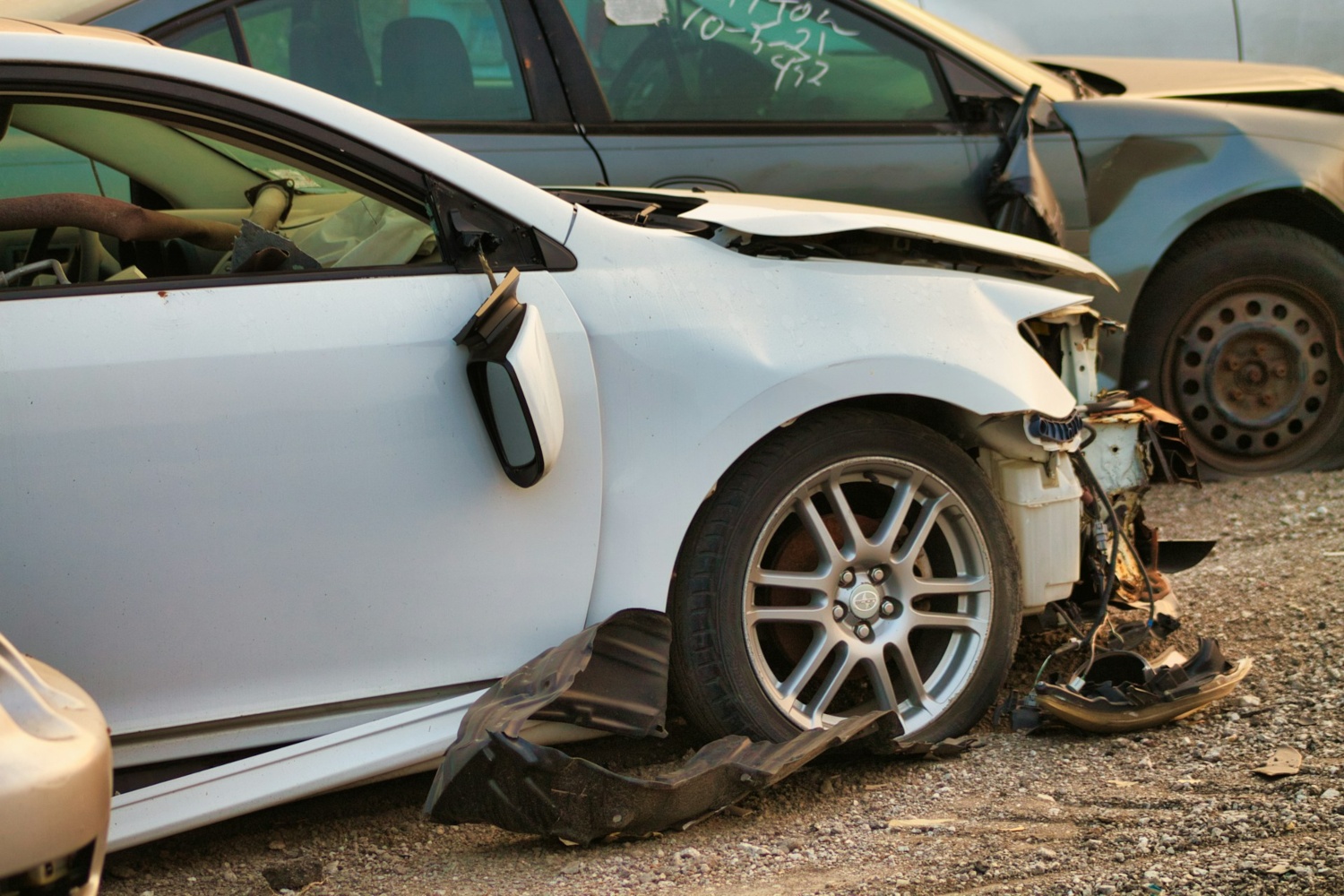
In the modern era, the "he said, she said" nature of accident claims is increasingly being replaced by objective data. Physical evidence remains the cornerstone of any fault challenge. Vehicle damage patterns—such as the depth of a crush or the angle of a scrape—provide a silent testimony to the physics of the impact. For instance, the deployment of airbags and the activation of seatbelt pretensioners can help investigators determine the force of the collision and whether the occupants were properly restrained.
Furthermore, roadway evidence provides essential context. Skid marks, or the lack thereof, can indicate whether a driver attempted to brake, suggesting their level of awareness prior to impact. Sight lines, traffic signal timing, and even the presence of road debris play a role in reconstructing the final seconds before a crash.
However, the emergence of digital evidence has revolutionized these investigations. Many modern vehicles are equipped with Event Data Recorders (EDRs), commonly known as "black boxes." These devices record technical information about the vehicle’s status in the seconds leading up to, during, and after a crash, including speed, throttle position, brake engagement, and steering angles. When an insurer claims a driver was speeding, EDR data can provide an empirical rebuttal. Additionally, the prevalence of dashcams and nearby commercial surveillance cameras often provides a visual record that can settle a fault dispute instantly.
Evaluating Witness Credibility and Statement Consistency
Witness accounts are vital but inherently fallible. In St. Louis, where heavy traffic and complex intersections are common, multiple bystanders may see the same event from different perspectives. A legal team’s task is to evaluate these accounts for consistency and objectivity.
Key factors in evaluating a witness include:
- Vantage Point: Was the witness’s view obstructed by other vehicles or environmental factors?
- Timing: Did the witness see the actual impact, or did they only look up after hearing the sound of the crash?
- Consistency: Does the witness’s current statement align with the initial report given to the police at the scene?
Discrepancies between a witness’s direct observations and their later conclusions are common. A witness might conclude a driver was "going too fast" based on the sound of the impact, but physical evidence might prove the driver was within the speed limit. Distinguishing between observation and speculation is a critical component of a successful fault challenge.
Accident Reconstruction: Merging Science with Law
In high-stakes cases or those involving conflicting evidence, accident reconstruction experts are often employed. These professionals use principles of physics and engineering to create a testable explanation of the collision. By analyzing variables such as friction coefficients of the pavement, vehicle mass, and impact angles, they can calculate the speeds and positions of the vehicles with high precision.
Reconstruction does not merely support a driver’s story; it tests the viability of the insurer’s theory. If an insurance company claims a driver had enough time to avoid a collision, a reconstructionist can use "time-distance analysis" to prove that the laws of physics made such an avoidance impossible. This scientific approach often serves as the "tie-breaker" in negotiations, providing a level of certainty that makes insurers more likely to settle for a fair amount.
The Intersection of Medical Records and Liability
A secondary but equally important facet of fault disputes involves the "causation" of injuries. Insurers frequently question whether a specific injury was truly caused by the crash or if it was a pre-existing condition. This is particularly common in soft-tissue injuries or degenerative spinal conditions.
Consistent medical records are the best defense against these challenges. Treatment dates, diagnostic findings (such as MRIs or CT scans), and physician opinions help create a clear link between the collision and the patient’s physical limitations. If there is a "gap in treatment"—a period where the victim did not seek medical care—insurers will often use this to argue that the injury was not severe or was caused by an intervening event. Legal teams work to explain these gaps, often citing the slow onset of certain symptoms or delays in insurance authorization for specialized care.
Broader Economic and Social Implications
The impact of auto accidents in Missouri extends far beyond individual claims. According to national safety data, the economic cost of motor vehicle crashes—including medical expenses, lost productivity, and property damage—runs into the billions of dollars annually. In St. Louis, the pressure on local trauma centers and the loss of income for families can create a ripple effect throughout the community.
Moreover, the rise in "nuclear verdicts" and high-value settlements has led to a tightening of the insurance market. Insurers are becoming more aggressive in their defense strategies to protect their bottom lines, which in turn necessitates more robust legal representation for victims. This cycle highlights the importance of a well-documented and evidence-based approach to personal injury law.

Conclusion and Recommendations for Drivers
A fault dispute is a significant hurdle, but it is one that can be overcome through meticulous preparation and the application of legal and scientific principles. The strongest claims are those that weave together physical evidence, digital data, witness testimony, and medical documentation into a single, unassailable narrative.
For individuals involved in a Missouri collision, the following steps are recommended to protect the integrity of a future claim:
- Immediate Documentation: Capture high-resolution photographs of all vehicles, road markings, and surrounding signage before the scene is cleared.
- Seek Medical Attention: Even if injuries seem minor, a professional evaluation creates a contemporaneous medical record.
- Exercise Caution with Insurers: Avoid providing recorded statements or signing medical authorizations until the full extent of the injuries and the insurer’s position on fault are understood.
- Preserve Communication: Maintain a file of all correspondence from insurance companies, as shifting explanations for a denial can be used to challenge the insurer’s credibility.
By taking early action and relying on a structured, evidence-based approach, victims of auto accidents in St. Louis can ensure that their rights are protected and that the final resolution of their claim reflects the true reality of the event.
