
 By Nila Kartika Wati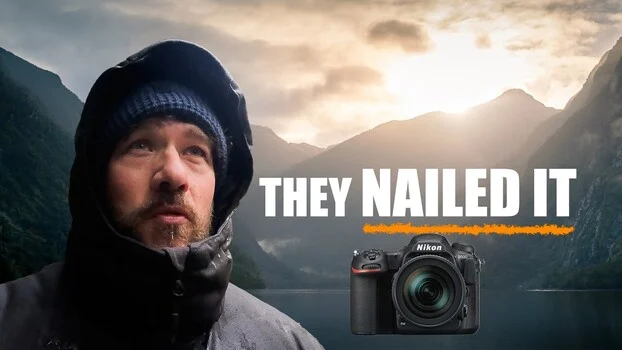
William Patino, a renowned landscape photographer, recently led his annual five-day workshop through the Southern Fiords of New Zealand, offering participants an intensive masterclass in capturing the region’s breathtaking yet challenging beauty. The workshop, documented in an accompanying video, serves as a compelling case study in transforming fleeting observations into enduring photographic narratives, particularly through the nuanced understanding of foreground elements, the strategic use of water, and the embrace of Fiordland’s perpetually dynamic weather. Patino’s methodology underscores a fundamental shift from merely documenting a scene to meticulously crafting a composition that resonates, a distinction he frequently highlights as the difference between a simple snapshot and a photograph destined to be revisited for years.
The Untamed Majesty of Fiordland: A Photographer’s Canvas
Fiordland, a UNESCO World Heritage site located in the southwest of New Zealand’s South Island, is globally recognized for its dramatic glacial-carved landscapes. Characterized by deep fiords, towering peaks, ancient rainforests, and an abundance of waterfalls, it presents an unparalleled environment for landscape photography. The region’s unique climate, marked by exceptionally high rainfall—averaging over 6,800 millimeters annually in Milford Sound, one of its most famous fiords—contributes to its lush, moss-covered terrain and the constant flow of streams and cascades. This perpetual moisture ensures a vibrant green palette and frequent overcast skies, conditions that Patino consistently advocates for as ideal for capturing the saturated hues and intricate textures of the rainforest, rather than the often-harsh light of clear blue skies. The geological history, spanning millions of years of tectonic activity and successive glaciations, has sculpted a landscape rich in usable foregrounds—from ancient rock formations to ephemeral stream beds—that demand a photographer’s discerning eye.
Workshop Chronology: A Journey Through Compositional Mastery
The five-day immersion with Patino is structured to progressively build participants’ skills, moving from foundational compositional principles to advanced techniques for adapting to unpredictable conditions.
Day One: Deconstructing the Foreground – The Stream as a Gateway
The workshop commenced on a beach, a location Patino has photographed numerous times, offering a familiar yet rich teaching ground. His initial focus was on the often-underestimated importance of the foreground. Rather than immediately gravitating towards the dense, complex forest backdrop, which he noted can overwhelm beginners, Patino guided participants towards a winding stream. This deliberate choice highlights his philosophy: establish a clear, guiding element in the foreground before attempting to incorporate more intricate details.
The composition Patino meticulously constructed utilized the stream as a natural leading line, drawing the eye through the frame and culminating in a distant peak. This classic layered approach—foreground stream, mid-ground rocks and creek details, background mountain—provides a clear visual pathway, giving the viewer’s eye a "resting place" and a sense of depth. He emphasized the critical role of a wide-angle lens, positioned strategically close to a fern, in performing "heavy lifting" by capturing expansive detail. A crucial technical point he underscored was lens height: setting the camera too low risks losing the vital mid-ground separation, flattening the image. Elevating the lens slightly ensures distinct layering and maintains the visual integrity of each element within the composition. This initial exercise established a foundational principle: understanding how to "read" the immediate environment for compelling compositional elements is paramount.
Mid-Workshop Focus: Pre-Visualization, Scouting, and Real-Time Adaptation
A significant portion of the workshop was dedicated to the critical phase preceding shutter release—pre-visualization and scouting. Patino demonstrated that much of successful landscape photography occurs before the tripod is even deployed. His approach to capturing a waterfall, for instance, involved an extensive scouting process. This included studying topographic maps to understand the terrain and water flow, and then physically traversing a stream during high tide to assess conditions firsthand. This meticulous preparation led him to what he described as an "absolute jackpot" location, characterized by the ideal volume of water, lush greens arching overhead, and compelling light.
This segment also highlighted the necessity of real-time adaptation. With a larger storm approaching, threatening to flood the chosen location and render it unworkable, timing became critical. Patino demonstrated practical, on-the-fly adjustments to a participant facing challenges. These included:
- Raising ISO: To compensate for diminishing light and achieve a faster shutter speed when necessary, particularly in rapidly changing conditions.
- Eliminating Distractions: Tilting the camera down to remove a distracting patch of bright sky in the corner, thereby simplifying the composition and focusing attention on the primary subject.
- Building Lines: Adjusting the camera angle to create stronger leading lines with the water, enhancing visual flow.
- Slow Shutter for Long Exposure: Intentionally slowing the shutter speed to achieve the signature silky, ethereal effect of flowing water, transforming turbulent cascades into painterly strokes.
When transitioning to capture white water at a one-second exposure, Patino drew attention to subtle foreground elements—bubbles—that, with careful composition, could be transformed into leading lines. Further illustrating compositional flexibility, he then entirely shifted the frame to incorporate a prominent tree, adding an additional layer of depth and anchoring the scene with a strong vertical element. This iterative process of scouting, adapting, and refining is a hallmark of professional landscape photography in dynamic environments.
The Through-Line: Water as a Design Element
A central tenet of Patino’s teaching, reiterated throughout the workshop, is the philosophy of treating water not merely as a subject, but as a fundamental design element. Streams, rivers, and cascades, he explains, offer a repeatable and highly effective compositional structure: a natural line that enters the frame, guides the viewer’s eye through the middle, and ultimately lands on a fixed anchor, such as a distant peak, a prominent tree, or a unique rock formation.
This principle is vividly demonstrated by Patino’s frequent return to a specific composition he discovered years prior: a "natural window" where ferns sweep down one side and curve in from the other, framing a compelling view. The enduring appeal of this composition lies in its effective use of natural lines and framing, all orchestrated by the presence and flow of water.
The universality of this principle extends far beyond the pristine fiords of New Zealand. Patino emphasized that this approach can be applied to diverse environments: a drainage ditch in an urban setting, a small creek in a local park, or even a wet trail after a rain shower. Once photographers begin to perceive moving water primarily as a leading line and secondarily as a textural element, their compositions gain significantly in direction, depth, and narrative power. This strategic understanding, coupled with the discipline of monitoring highlights—especially on prominent features like mountain peaks—ensures that the brightest part of the scene effectively guides attention rather than overwhelming or distracting from the intended focal point.
The Weather Factor: Embracing Fiordland’s Temperament
The prevailing weather conditions in Fiordland served as another critical lesson throughout the workshop. Long stretches of soft, overcast, and rainy light are not merely acceptable for capturing these mossy, fern-heavy scenes; they are, in fact, precisely what these environments demand. Patino underscored a crucial ecological point: the lush mosses and epiphytes thrive and persist precisely because the frequent storms haven’t ripped them clean. This ecological reality directly translates into photographic opportunity.
Shooting in cold rain often pushes photographers outside their comfort zones, but Patino demonstrated its profound benefits. The flat, diffused light saturates the greens of the rainforest, enhancing their vibrancy and depth. The increased water flow from precipitation ensures that streams and waterfalls are at their peak, offering dramatic and dynamic subjects. The entire environment, from the smallest fern frond to the grandest cascade, thrives under these conditions.
This insight challenges the common photographic instinct to wait for "blue skies." For locations like Fiordland, embracing the "worst" weather often yields the most compelling results. Practical advice for shooting in such conditions included:
- Lens Cloth Discipline: Continuously wiping the front element of the lens between frames to combat rain and condensation.
- Protective Gear: Emphasizing the necessity of robust weather-sealed camera equipment and personal rain gear.
- Mental Fortitude: Accepting that the best conditions for capturing the essence of Fiordland often feel uncomfortable and challenging.
The implicit message is one of resilience and adaptability, both for the photographer and the natural environment itself.
Broader Implications and The Evolving Landscape of Photography Education
William Patino’s workshop in Fiordland exemplifies a growing trend in specialized photography education, moving beyond basic camera operation to immersive, location-specific masterclasses. These workshops not only impart technical and artistic skills but also foster a deeper appreciation for the natural world and the critical role of environmental stewardship. Participants, often travelling internationally, contribute to local tourism economies, providing a direct link between artistic pursuit and regional development.
Furthermore, the methodologies taught—such as treating water as a design element, mastering foregrounds, and adapting to challenging weather—are universally applicable. Photographers returning from such experiences are equipped with a more sophisticated understanding of composition and light, capable of elevating their work regardless of their geographic location. The ability to "read" a landscape, identify its core elements, and craft a compelling narrative is a skill that transcends specific gear or locations.
The accompanying video, providing a comprehensive five-day journey, serves as a powerful testament to Patino’s teaching philosophy. It offers an invaluable resource for aspiring and experienced landscape photographers alike, demonstrating how to approach a scene holistically, from initial scouting and compositional planning to real-time adjustments and the embrace of environmental conditions. By meticulously detailing his process of reading each stream and building frames from the ground up, Patino offers a blueprint for transforming the raw beauty of nature into enduring photographic art, urging photographers to stay safe while venturing into these wild, inspiring environments.
