
 By admin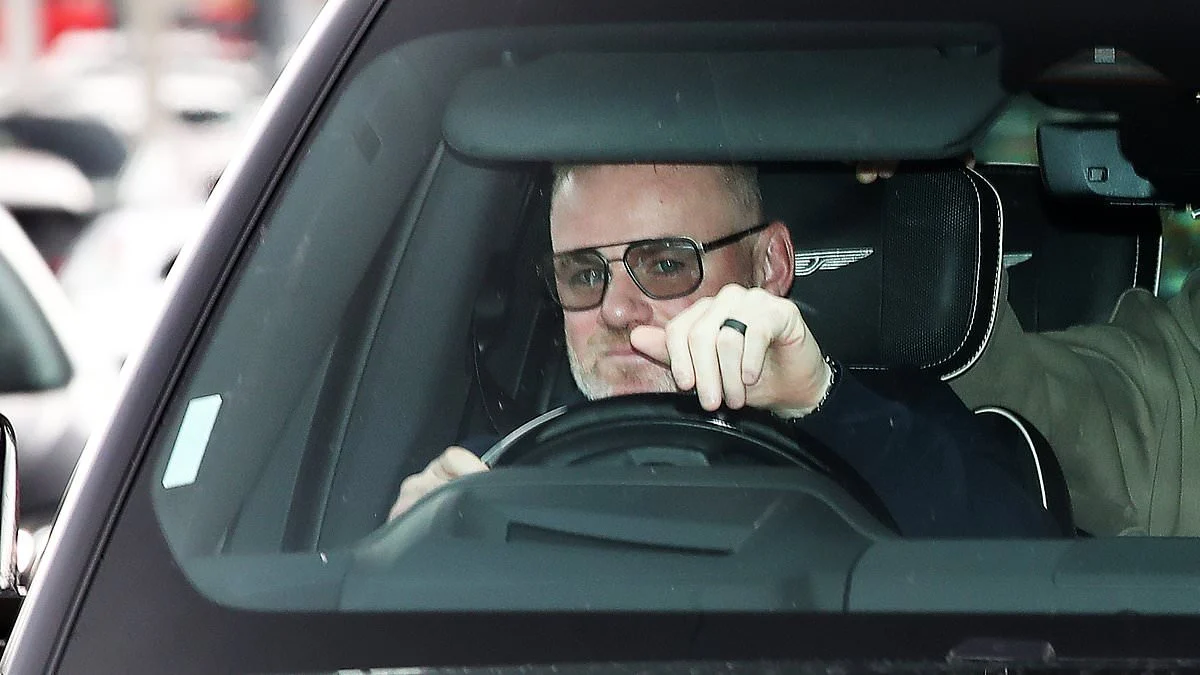
Wayne Rooney, the former Manchester United and England captain, has unveiled the results of a corrective surgical procedure on his nose, ending a years-long period of physical discomfort and breathing difficulties. The 40-year-old football icon, who currently manages Plymouth Argyle, underwent the operation to repair damage sustained from two significant fractures during his professional playing career. The revelation came during an appearance on the "Stick to United" podcast, hosted by Mark Goldbridge, where Rooney provided a candid account of the surgery and the long-term impact of his injuries.
The procedure, which took place in late August 2024, was a necessary intervention to address structural damage that had been neglected for nearly a decade. Rooney appeared on the podcast just one week after the operation, still visibly in the recovery phase. He informed listeners that while he was fortunate to avoid the typical "black eyes" associated with nasal reconstruction, he was still fitted with internal plastic tubes to maintain the structure of the nostrils during the initial healing process. These tubes, he noted, significantly altered his vocal tone and caused considerable discomfort.
A Chronology of Injury: From Deepdale to the District of Columbia
The damage to Rooney’s nose occurred in two distinct stages, both during high-intensity competitive matches. The first incident took place in February 2015, while Rooney was leading the line for Manchester United in an FA Cup fifth-round clash against Preston North End at Deepdale. The match is frequently remembered for a controversial penalty won by Rooney, which he later admitted involved "a bit of a dive" to avoid contact with the goalkeeper. However, the physical cost of the match was high; Rooney suffered a fractured nose during a robust aerial challenge. Interestingly, his teammate at the time, Marouane Fellaini, also suffered a broken nose in the same 3-1 victory. While Fellaini was sidelined for subsequent fixtures to recover, Rooney continued to play, a decision that likely contributed to the improper setting of the nasal bone.
The second major trauma occurred three years later in July 2018, during Rooney’s tenure with DC United in Major League Soccer (MLS). In a match against the Colorado Rapids, Rooney scored his first goal for the American club, but the milestone was overshadowed by a violent collision. Late in the game, Colorado’s Niki Jackson was pushed by a teammate into Rooney’s path, resulting in a clash of heads. The impact left Rooney with a broken nose and a deep gash that required five stitches. Images from the time showed the striker covered in blood, and he later developed significant bruising around his eyes.
Despite the severity of the 2018 injury, Rooney opted to delay surgery, prioritizing his commitments on the pitch and, later, his transition into management. It was only during the 2024 summer break that he decided to finalize the corrective work. "I needed surgery, but I’ve never had it. Put it off," Rooney explained. "And then this summer I thought get the World Cup out the way and I’ll get it done."
The Medical Necessity of Nasal Reconstruction
From a medical perspective, Rooney’s condition likely involved a combination of a deviated septum and nasal valve collapse. When a nose is broken multiple times without proper realignment, the cartilage and bone can obstruct the airways, leading to chronic snoring, sleep apnea, and reduced oxygen intake during physical exertion. For an individual in a high-performance environment, these issues can significantly impact overall health and recovery.
The "plastic tubes" Rooney referenced are commonly known as nasal splints. These are used in septoplasty or rhinoplasty procedures to support the newly positioned septum and prevent the formation of scar tissue that could re-block the airway. The recovery timeline for such a procedure typically involves one to two weeks of acute healing, followed by several months for the internal swelling to fully subside.
Family Milestones: Kai Rooney’s Dual Success at Carrington
The news of Rooney’s surgery coincided with a significant milestone for his eldest son, Kai Rooney. On Thursday morning, Wayne and his wife, Coleen, 40, were seen at Manchester United’s Carrington Training Complex. The couple arrived in their £200,000 Overfinch Range Rover to drop off the 16-year-old for a scheduled match with the club’s Under-18s squad.
Kai Rooney has emerged as a promising talent within the Manchester United academy system. Primarily operating as a right winger or forward, the teenager has consistently demonstrated a goal-scoring instinct reminiscent of his father’s early years. His presence at Carrington—the very ground where Wayne Rooney cemented his status as Manchester United’s all-time leading goalscorer—underscores the "legacy" expectations placed upon the younger Rooney.
However, the visit to Carrington was not solely focused on athletics. The Rooney family also celebrated Kai’s academic achievements following the release of GCSE results in the United Kingdom. Coleen Rooney took to social media to express her pride, revealing that Kai had passed all his examinations and secured a place in sixth form to continue his education.
"GCSE results day!! Super proud Kai Rooney…. Great results especially with a busy schedule, all passed and a place in 6th form!! We love you," Coleen shared with her followers. This dual success highlights a growing trend in elite football academies, where clubs place a heavy emphasis on "holistic development." Under the Premier League’s Elite Player Performance Plan (EPPP), academy players are required to maintain their education alongside their training, ensuring they have qualifications to fall back on should their professional sporting aspirations not materialize.
The Role of the Modern Football Family
The sighting of the Rooney family at Carrington provides a glimpse into the structured lifestyle required to manage a high-profile sporting career alongside a domestic life. Wayne Rooney’s choice of vehicle—a customized Overfinch Range Rover—reflects the luxury status associated with his career earnings, yet the act of dropping a son off for a game remains a grounded, parental responsibility.
Coleen Rooney, who has maintained a significant public profile as an author and television personality, has been instrumental in managing the family’s public image and the education of their four sons: Kai, Klay, Kit, and Cass. The emphasis on Kai’s GCSEs suggests a concerted effort to ensure the children remain grounded despite their father’s immense fame.
Broader Implications for Retired Athletes
Wayne Rooney’s decision to undergo corrective surgery at age 40 highlights an often-overlooked aspect of professional sports: the long-term physical toll on the body. While much public discourse focuses on high-profile injuries like ACL tears or concussions, "minor" repetitive traumas, such as broken noses or micro-fractures, can lead to chronic health issues in retirement.
Rooney’s transparency regarding the surgery serves as a case study for other retired athletes who may be living with untreated injuries from their playing days. As sports medicine continues to evolve, there is an increasing focus on "post-career maintenance," ensuring that former players can enjoy a high quality of life after they hang up their boots.
Furthermore, the public interest in Rooney’s appearance—noted by his "slimmer" nasal profile in recent photographs—reflects the intense scrutiny faced by public figures. By addressing the surgery openly on a podcast, Rooney has reclaimed the narrative, shifting the focus from aesthetic speculation to a matter of functional health and medical necessity.
Looking Ahead: Management and Mentorship
As Rooney continues his recovery, his focus remains on his managerial duties at Plymouth Argyle and his growing role as a media pundit. His ability to balance these roles while managing his health and his children’s development is a testament to the support system he has cultivated.
For Kai Rooney, the path ahead involves balancing the rigors of sixth-form study with the intense competition of the Manchester United Under-18s. As he moves closer to the age where professional contracts are awarded, his father’s experience—both the triumphs of scoring 253 goals for United and the physical sacrifices required to do so—will undoubtedly serve as a vital roadmap.
The Rooney family remains a central fixture in the British sporting landscape. Whether through Wayne’s candidness about the realities of physical injury or Kai’s burgeoning career at Carrington, the narrative of the Rooney household continues to evolve from one of individual stardom to one of collective family legacy and long-term health management.
