
 By admin
As October 2026 commences, the global community once again turns its attention to Breast Cancer Awareness Month, a period dedicated to education, early detection, and the support of those affected by the most common cancer among women worldwide. Within this landscape of advocacy, Wacoal America has reached a significant milestone, celebrating the 25th anniversary of its signature "Fit For The Cure" program. Since its inception in 2001, the initiative has evolved from a localized retail event into a massive philanthropic engine, successfully bridging the gap between consumer retail experiences and high-impact medical advocacy. By providing professional services that empower women to understand their bodies while simultaneously funding critical research, Wacoal has established a corporate social responsibility model that transcends traditional seasonal marketing.
The Evolution of Fit For The Cure: A Quarter-Century Chronology
The "Fit For The Cure" initiative was launched in 2001 during a period when corporate partnerships with health organizations were beginning to move toward long-term, mission-driven collaborations. At its core, the program was designed around a simple yet effective premise: for every woman who received a professional bra fitting at a participating retail location, Wacoal would donate a set amount to breast cancer research and community health programs.
Over the past 25 years, the program has maintained a consistent presence in department stores and specialty boutiques across the United States. By 2010, the program had already reached millions of dollars in total donations, becoming a cornerstone of the Susan G. Komen foundation’s corporate partner portfolio. By 2021, even amidst the challenges posed by the global pandemic to in-person retail, Wacoal adapted its model to ensure that the momentum of the campaign remained uninterrupted. Now, in 2026, the program celebrates the milestone of having facilitated more than one million complimentary bra fittings. This achievement reflects not only the scale of the brand’s reach but also the sustained trust consumers place in the brand’s expertise regarding women’s health and physical comfort.
Quantifying the Impact: $6.3 Million and One Million Fittings
The success of the "Fit For The Cure" program is best understood through the data it has generated over two and a half decades. To date, Wacoal has donated more than $6.3 million to Susan G. Komen, the world’s leading breast cancer organization. These funds are strategically allocated to support a multi-faceted approach to the disease, including:
- Scientific Research: Funding breakthroughs in metastatic breast cancer research and the development of more effective, less invasive treatments.
- Community Health Outreach: Supporting local programs that provide education on breast health and the importance of regular screenings.
- Patient Navigation Services: Assisting individuals in navigating the complexities of the healthcare system following a diagnosis, ensuring they have access to the resources needed for treatment and recovery.
- Financial Assistance: Helping low-income patients cover the costs associated with screenings and diagnostic tests.
The one million complimentary fittings conducted under the program represent more than a retail metric. In the context of breast health, professional fittings provide an opportunity for women to engage in a dialogue about their bodies in a supportive environment. For breast cancer survivors, particularly those who have undergone mastectomies or reconstructive surgery, a professional fitting is often a crucial step in the emotional and physical recovery process, helping them find garments that offer both comfort and the restoration of self-confidence.
The 2026 Power of Pink Collection: Merging Purpose with Product
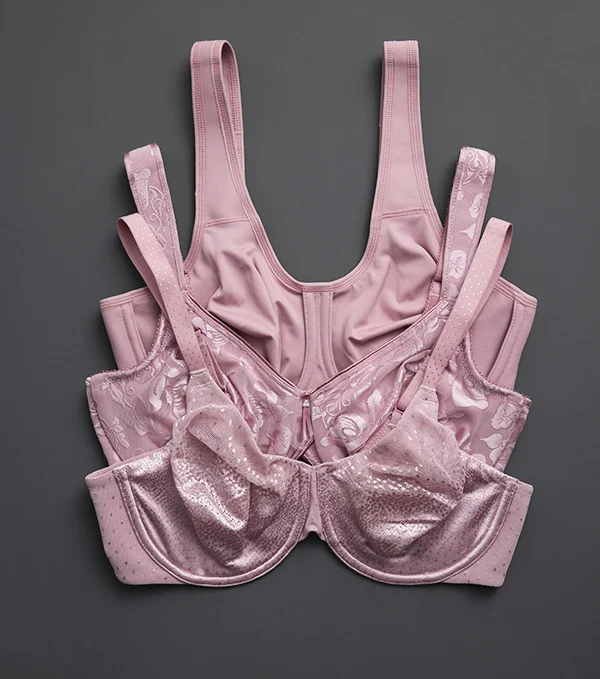
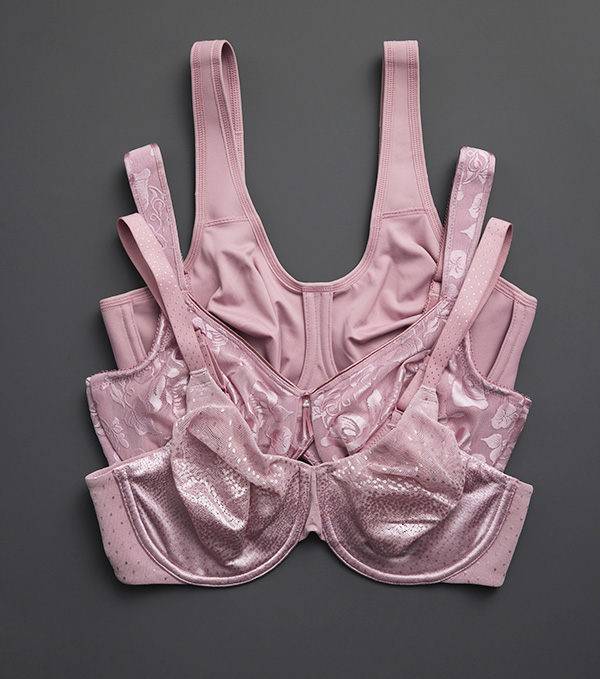
To complement the fitting events, Wacoal has introduced the 2026 "Power of Pink" collection. This limited-edition line of intimate apparel serves as a tangible symbol of solidarity and a vehicle for continued financial support. Throughout the 2026 calendar year, Wacoal has committed to donating $2 to Susan G. Komen for every qualifying limited-edition pink bra purchased at regular price.
This initiative highlights a shift in consumer behavior, where "shopping for a cause" has become an integral part of the modern economy. However, unlike "pinkwashing"—a term used to describe companies that use the pink ribbon symbol without making substantial contributions—Wacoal’s campaign is backed by a transparent donation structure and a long-standing history of verified giving. The styles within the Power of Pink collection are engineered with the brand’s signature technical precision, ensuring that the advocacy does not come at the expense of product quality. The collection includes various silhouettes designed to accommodate a wide range of body types, reinforcing the message that breast health is a universal concern.

The Critical Role of Early Detection and Proactive Health
While corporate donations are vital, health experts emphasize that the primary goal of Breast Cancer Awareness Month is to drive behavioral change. According to data from the American Cancer Society, when breast cancer is detected early and is in the localized stage, the 5-year relative survival rate is 99%. Awareness campaigns like Wacoal’s serve as a crucial annual reminder for women to prioritize their diagnostic health.
The "Fit For The Cure" events often serve as a gateway to broader health conversations. By encouraging women to "know their normal," advocates aim to increase the frequency of breast self-exams and the scheduling of annual mammograms. In 2026, the messaging has expanded to include the importance of understanding individual risk factors, such as genetics and family history, and the necessity of talking to healthcare professionals about personalized screening schedules. The integration of health awareness into a routine activity—like shopping for a bra—lowers the barrier to entry for these often-intimidating medical conversations.
Official Perspectives: The Synergy of Partnership
Representatives from the intimate apparel industry and healthcare advocacy groups note that the longevity of the Wacoal-Komen partnership is rare in the corporate world. Analysts suggest that the success of the collaboration stems from a shared demographic and a shared mission of female empowerment.
"The partnership between Wacoal and Susan G. Komen is a benchmark for how a brand can authentically align itself with a cause," says a retail industry analyst. "It is not merely a marketing tactic; it is a structural part of their brand identity. By focusing on the ‘fit’—something Wacoal is technically famous for—they have found a way to make their contribution feel organic rather than forced."
In statements regarding the 25-year milestone, advocates have highlighted that the $6.3 million contributed by Wacoal has played a measurable role in the progress made against the disease. While a cure remains the ultimate goal, the improvements in patient support and diagnostic access funded by such partnerships have significantly improved the quality of life for millions of women.
Broader Implications: Beyond the Pink Ribbon
As the month of October progresses, the discussion surrounding breast cancer is increasingly focused on the concept of "Commitment over Awareness." Industry observers point out that while the pink ribbon is a powerful symbol, its efficacy is measured by the action it inspires. The real responsibility lies in maintaining the momentum of support throughout the entire year, not just during the 31 days of October.
Wacoal’s year-round commitment through the Power of Pink collection and scheduled fitting events throughout the spring and fall serves as a model for "evergreen" advocacy. This approach addresses the reality that breast cancer diagnoses do not follow a calendar; they occur every day, affecting families, friendships, and entire communities. The financial and emotional toll of the disease requires a sustained response that includes policy advocacy, continued research funding, and a commitment to health equity—ensuring that all women, regardless of socioeconomic status, have access to life-saving screenings.
Conclusion: The Path Forward in 2027 and Beyond
As Wacoal looks toward the next quarter-century of the "Fit For The Cure" program, the focus remains on expansion and innovation. The integration of digital tools, such as virtual fitting rooms and online health resources, is expected to broaden the reach of the initiative, making it accessible to women in rural or underserved areas who may not have access to a physical retail location.

The legacy of the past 25 years provides a solid foundation for this future. By turning a personal, everyday experience into a collective act of support, Wacoal has demonstrated that the private sector can play a pivotal role in public health. As Breast Cancer Awareness Month 2026 continues, the message remains clear: awareness is the starting point, but consistent, data-driven action is the path to a future where breast cancer is no longer a life-threatening reality. Through one million fittings and millions of dollars in research, the "Fit For The Cure" program stands as a testament to the power of a long-term commitment to the well-being of women everywhere.
